Karachi Police Integrity: Karachi Police Earn Praise for Returning Lost Belongings of British Officer

A Gesture of Integrity in Karachi

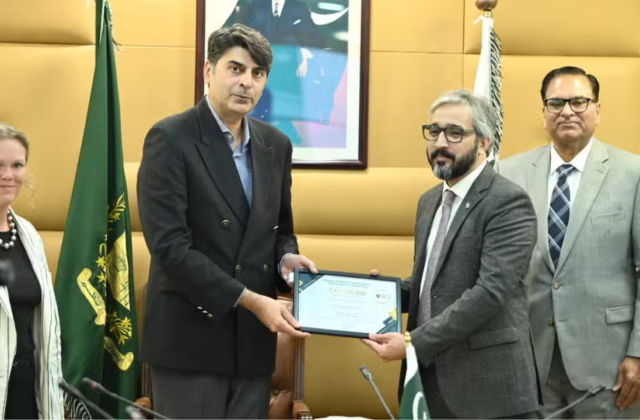
In a remarkable display of honesty and professionalism, Karachi police officers have earned widespread appreciation after returning the lost belongings of a British police officer visiting Pakistan. The moment, captured at a local police station, reflected a rare yet powerful instance of international goodwill and mutual respect between law enforcement agencies from different countries.

According to reports, the British officer had misplaced his jacket, which contained important identification cards, official documents, and cash. After the item was recovered by local police personnel, it was returned to him with all its contents intact. The British officer smiled appreciatively as he received his belongings, expressing gratitude for the officers’ honesty and commitment to duty.

Symbol of Professionalism and Global Cooperation

The incident quickly gained attention as a symbol of integrity and cooperation, reinforcing the shared values that unite police services across borders. The Karachi officers involved were seen standing proudly during the handover, exemplifying the spirit of professionalism that defines effective law enforcement.

Observers have noted that such gestures strengthen the image of Pakistani police institutions internationally, portraying them as disciplined, transparent, and service-oriented. The display of mutual respect between the officers from Pakistan and the United Kingdom also highlighted how professionalism in policing transcends nationality, culture, and language barriers.

Enhancing Pakistan’s Global Image

The event has been described as a positive representation of Pakistan’s law enforcement agencies, often criticized for challenges in resource management and public perception. By demonstrating integrity and accountability, the Karachi police reminded the world that ethical policing remains central to their mission.

This incident comes at a time when law enforcement cooperation between Pakistan and several Western nations continues to expand, particularly in areas related to counterterrorism, cybercrime, and community policing. Such moments of goodwill contribute to strengthening international partnerships and fostering trust among global security agencies.

For the British officer, the recovery of his lost items in a foreign country was more than just a relief—it was a moment that reflected universal values of honesty and respect for service. His public expression of appreciation underscored the role that individual acts of integrity play in building bridges between nations.

A Simple Act, a Powerful Message

While small in scale, the gesture by the Karachi police carries profound symbolic value. It reflects the principles of duty, honor, and responsibility that underpin modern policing. The officers’ commitment to returning the belongings without compromise demonstrates the importance of ethical behavior in fostering community trust and maintaining the dignity of the uniform.

The event has since been widely discussed on social platforms, where users praised the Karachi police for setting a commendable example of honesty and professionalism. Many described it as a moment that not only restores faith in law enforcement but also celebrates the human values that connect societies across borders.

Zindigi Wins Best Banking-as-a-Service Provider at Finovate Awards 2025 in the UK

Zindigi, powered by JS Bank, has earned global recognition by winning the “Best Banking-as-a-Service (BaaS) Provider” award at the Finovate Awards 2025 held in the United Kingdom. The achievement marks a major milestone for Pakistan’s fintech industry, positioning the country as an emerging hub of digital finance innovation on the world stage.

The Finovate Awards celebrate excellence in financial technology, honoring companies that redefine how consumers and businesses interact with financial services. Zindigi’s win underscores its commitment to innovation, agility, and inclusivity in reshaping Pakistan’s financial landscape.

Banking-as-a-Service (BaaS) is one of Zindigi’s most transformative initiatives. It enables non-banking companies to embed financial services directly into their platforms using secure, open APIs. This approach allows businesses to offer digital accounts, instant payments, debit cards, and micro-lending solutions seamlessly — empowering any enterprise to operate like a fintech.

In a country where over 100 million people remain unbanked or underbanked, Zindigi’s BaaS platform is paving the way toward true financial inclusion. By bridging the gap between businesses and consumers, it provides accessible, affordable, and user-friendly financial tools that can drive economic empowerment at scale.

Beyond accessibility, Zindigi’s ecosystem is fueling business innovation. Startups and SMEs can now leverage the platform to unlock new revenue streams, introduce faster payment systems, and compete more effectively with larger market players. For consumers, it translates to greater convenience, improved digital experiences, and expanded access to financial services.

Speaking about the recognition, Faisal Khalid, Chief Product Officer at Zindigi, stated, “Zindigi exists to emerge as Pakistan’s unicorn. This global recognition highlights our digital finance innovation and validates our mission to build an inclusive, agile ecosystem shaping the economy’s future.”

Zindigi’s BaaS infrastructure already powers several of Pakistan’s most dynamic digital sectors, including telecommunications, ride-hailing, gaming, payments, and small business ecosystems. By integrating financial capabilities into these industries, Zindigi is helping create a digital-first economy that thrives on accessibility, innovation, and scalability.

The Finovate Award not only celebrates Zindigi’s success but also symbolizes the rise of Pakistan’s fintech ecosystem on the global stage. It reflects the growing acknowledgment of local talent and technology that is redefining financial inclusion and setting new benchmarks for open banking innovation.

With this milestone, Zindigi continues its journey to transform Pakistan’s financial infrastructure — one API at a time — shaping a future where financial empowerment is within everyone’s reach.

 Mall of the Emirates Gets New Bridge Access, Cutting Travel Time for Motorists

The Roads and Transport Authority (RTA), in partnership with Majid Al Futtaim Properties, has officially opened a new 300-metre bridge on Sheikh Zayed Road, offering motorists from Abu Dhabi and Jebel Ali direct access to the Mall of the Emirates. This infrastructure upgrade aims to enhance traffic efficiency, road safety, and visitor convenience around one of Dubai’s busiest retail and leisure destinations.

The single-lane bridge is capable of handling up to 900 vehicles per hour, dramatically reducing travel time to the mall—from nearly 10 minutes to just one. In addition, the road adjacent to the Kempinski Hotel has been converted from a one-way to a two-way street to improve circulation and access.

Beyond the bridge itself, the RTA’s comprehensive project includes upgraded entry and exit points, new pedestrian walkways, cycling paths, and significant improvements to surrounding roads and intersections. These enhancements aim to streamline access to the mall while ensuring safer and smoother movement for vehicles, cyclists, and pedestrians alike.

According to Mattar Al Tayer, Director General and Chairman of the RTA, this initiative is part of Dubai’s long-term vision to improve connectivity and accessibility across the city. “The bridge enhances traffic movement and improves accessibility for both residents and visitors, ensuring safer and more efficient mobility around Mall of the Emirates,” he said.

The project’s scope extended beyond the bridge, covering 2.5 kilometers of surrounding road upgrades and redevelopment of six signalized intersections. The southbound ramp at the Umm Suqeim junction has been widened, and the junction itself has been improved to facilitate seamless access from Umm Suqeim Street to the mall’s parking areas. The Mall of the Emirates Metro Station bus stop has also been redesigned to better integrate public and private transport.

Further improvements include new stormwater drainage systems, road surfacing, modern lighting, landscaping, and dedicated cycling tracks, all of which contribute to better road safety and urban aesthetics.

Opened in 2005, the Mall of the Emirates attracts more than 40 million visitors annually, making it one of the most visited destinations in the UAE. As the mall celebrates its 20th anniversary, Majid Al Futtaim has also announced a Dh5 billion expansion plan, which will add 20,000 square meters of new retail space. The expansion will introduce up to 100 new luxury, fashion, and lifestyle brands, as well as a health club, a cultural hub, and a dedicated dining precinct.

The mall also features three luxury hotels — Kempinski Hotel Mall of the Emirates, Novotel Suites Mall Avenue Dubai, and Sheraton Mall of the Emirates Hotel — all connected directly to the Mall of the Emirates Metro Station through a pedestrian bridge.

The new RTA bridge not only improves access for motorists but also symbolizes Dubai’s ongoing commitment to infrastructure excellence and urban innovation, reinforcing the city’s position as a global destination for shopping, business, and leisure.

Sidra Amin Nominated for ICC Women’s Player of the Month Award for September 2025

Stellar Performances Against South Africa

Pakistan’s top-order batter Sidra Amin has been nominated for the ICC Women’s Player of the Month award for September 2025, recognizing her exceptional performance in the recent ODI series against South Africa. The right-handed opener displayed remarkable consistency, amassing 293 runs in three matches, including two unbeaten centuries and a crucial half-century that guided Pakistan to victory in the final game.

Her scores of 121, 122 not out, and 50 not only highlighted her technical brilliance but also underlined her growing influence as one of Pakistan’s most reliable batters. Sidra’s ability to anchor the innings while maintaining a strong scoring rate proved instrumental in helping Pakistan post competitive totals throughout the series.

Breaking South Africa’s Winning Streak

Sidra Amin’s performances were pivotal in ending South Africa’s winning run in women’s ODIs. Her disciplined shot selection, temperament under pressure, and ability to rotate the strike effectively allowed Pakistan’s middle order to play with freedom. In particular, her partnership-building skills provided much-needed stability at the top of the order, ensuring the team’s competitiveness against a formidable South African bowling attack.

Cricket analysts have praised her for demonstrating both resilience and maturity, noting that her approach reflected a deep understanding of match situations. Her batting form throughout the series elevated Pakistan’s standing in women’s international cricket and showcased the team’s growing potential on the global stage.

Recognition on the Global Stage

The International Cricket Council (ICC) recognized Sidra Amin’s performances by including her in the Player of the Month shortlist, alongside Smriti Mandhana of India and Tazmin Brits of South Africa. Both of her fellow nominees also delivered record-breaking performances during the same period, setting up a competitive race for the award.

For Sidra, this nomination marks another milestone in her career and a reflection of her consistent growth as a top-order batter. Over the past few years, she has emerged as a cornerstone of Pakistan’s batting lineup, known for her elegant stroke play, patience, and ability to perform under pressure. Her recent run of form has also sparked discussions about her potential inclusion among the top-ranked batters in women’s ODI cricket.

Elevating Pakistan Women’s Cricket

Sidra Amin’s success story mirrors the progress of women’s cricket in Pakistan, which has seen notable improvement in recent years. Her performances have inspired young cricketers across the country, particularly those aspiring to represent Pakistan at the international level. Coaches and former players have lauded her work ethic, describing her as a role model for the next generation of female athletes.

With her nomination for the ICC award, Sidra Amin continues to shine as a symbol of determination, skill, and leadership in Pakistan’s women’s cricket. Her latest achievements reaffirm the country’s growing presence in the global cricketing arena and highlight the potential of female athletes representing Pakistan on the world stage.

Iran Russia Fighter Jet Deal: Iran Reportedly Set to Acquire 48 Su-35 Fighter Jets from Russia in $7 Billion Deal

Major Defense Agreement Revealed Through Leaked Documents

Iran is reportedly preparing to purchase 48 Su-35 fighter jets from Russia in what could become one of the most significant arms deals in recent years. According to leaked documents allegedly originating from Rostec, Russia’s state-owned defense conglomerate, the agreement is valued at over $7 billion. If confirmed, the acquisition marks a major step in Tehran’s efforts to modernize its aging air force and enhance its regional defense capabilities.

The leaked information suggests that the deal has been under negotiation for several months, with final approval expected soon. Analysts view the potential purchase as a strategic move by both nations—offering Iran a substantial boost in aerial strength while providing Russia with a lucrative export opportunity amid its ongoing military operations and international sanctions.

Delivery Schedule and Technical Specifications

As per the reported details, the Su-35 jets are expected to be delivered between 2026 and 2028. Each aircraft will reportedly be equipped with the Khibiny-M electronic warfare system and advanced avionics designed by KRET, a leading Russian defense electronics firm. These features are intended to enhance the aircraft’s survivability, targeting precision, and operational efficiency in modern combat scenarios.

The Su-35, known for its supermaneuverability and long-range combat capability, is one of Russia’s most advanced fourth-generation fighter jets. With its powerful AL-41F1S engines, advanced radar systems, and multirole functionality, the aircraft is capable of engaging both aerial and ground targets with high accuracy. Military observers note that integrating such platforms into Iran’s air force could dramatically improve its ability to project power across the region.

Strategic Implications for Regional Balance

If the deal proceeds as reported, the introduction of 48 Su-35s into Iran’s fleet could significantly alter the military balance in the Middle East. Iran’s current air force primarily relies on older U.S. and Soviet-era aircraft, many of which are decades old. The addition of modern Russian fighters would not only modernize Iran’s capabilities but also enhance its deterrence posture in a region already marked by complex security rivalries.

Experts suggest that the acquisition might prompt neighboring countries, including Saudi Arabia, Israel, and the United Arab Emirates, to reassess their defense strategies. The potential for heightened regional competition in advanced airpower could increase, influencing future procurement and alliance decisions across the Middle East.

Russia’s Expanding Defense Exports Amid Global Tensions

For Russia, the reported deal represents one of its largest arms export contracts since the onset of the Ukraine conflict. Facing international restrictions and reduced access to Western markets, Moscow has increasingly turned to Asian and Middle Eastern partners for defense cooperation. The prospective sale to Iran underscores Russia’s intent to sustain its defense industry through strategic partnerships, while also reinforcing its geopolitical ties with countries outside the Western bloc.

Both nations have yet to issue official confirmation regarding the deal. However, if finalized, the agreement would underscore the deepening defense cooperation between Iran and Russia, reshaping not only their bilateral relations but also the broader regional security landscape.

Shehbaz Sharif Honorary PhD: Sharif Receives Honorary PhD in Leadership and Governance from IIUM

Honorary Degree Awarded in Kuala Lumpur

Prime Minister Shehbaz Sharif has been awarded an honorary PhD in Leadership and Governance by the International Islamic University Malaysia (IIUM) during a formal ceremony held in Kuala Lumpur. The prestigious recognition was conferred by Queen Tunku Azizah Aminah Maimunah Iskandariah, who serves as the constitutional head of the university. The event was attended by senior Malaysian officials, academic leaders, diplomats, and members of the Pakistani community.

The university cited Prime Minister Shehbaz Sharif’s extensive contributions to public service, education reform, and good governance as the basis for this honor. The award also reflects his longstanding commitment to administrative excellence and efforts to promote socio-economic development in Pakistan.

Recognition of Leadership and Governance

The International Islamic University Malaysia described the honorary degree as a tribute to Shehbaz Sharif’s “visionary leadership” and “consistent pursuit of public welfare.” Under his various administrative roles, he has been credited with introducing innovative governance models, modernizing infrastructure, and prioritizing education and health sectors.

During the ceremony, university officials noted that Shehbaz’s approach to leadership aligns with the Islamic principles of integrity, justice, and accountability—values that the institution seeks to instill in its students. The award symbolizes mutual respect between Pakistan and Malaysia, recognizing shared aspirations for progress, education, and ethical leadership.

Prime Minister’s Address at IIUM

In his address following the ceremony, Prime Minister Shehbaz Sharif expressed deep gratitude to the Malaysian leadership and the IIUM faculty for the honor. He emphasized that leadership is a sacred trust, guided by honesty, fairness, and responsibility toward the people. He noted that true leadership demands humility and service rather than privilege or power.

The Prime Minister further stated that governance should focus on delivering justice, ensuring transparency, and uplifting the underprivileged. He reiterated his belief that education and ethical leadership are the foundations of sustainable national progress. His remarks were met with applause from the audience, reflecting shared values of accountability and service across both nations.

Strengthening Pakistan–Malaysia Relations

Prime Minister Shehbaz Sharif also highlighted the strong and enduring bilateral relationship between Pakistan and Malaysia, emphasizing that both nations share deep cultural, religious, and educational ties. He expressed hope for expanding academic collaboration, including student exchange programs, joint research initiatives, and faculty partnerships between universities of the two countries.

He noted that the International Islamic University Malaysia serves as a global symbol of Islamic scholarship and unity, playing a vital role in nurturing intellectual cooperation among Muslim-majority countries. Shehbaz Sharif assured that Pakistan remains committed to fostering greater engagement in education, science, and technology with Malaysia.

The ceremony concluded with formal photographs, followed by a brief interaction session between the Prime Minister and IIUM faculty members. The event was widely covered in both Pakistani and Malaysian media, marking a significant moment in the ongoing diplomatic and educational cooperation between the two nations.

Sanam Javed Abduction: PTI Activist Sanam Javed Allegedly Abducted in Peshawar, Investigation Ordered

Alleged Abduction Near Civil Officers’ Mess

In a shocking incident late on the night of October 6, 2025, Pakistan Tehreek-e-Insaf (PTI) activist Sanam Javed was allegedly abducted in Peshawar. According to an FIR lodged by Advocate Hira Babar, who was accompanying her at the time, the incident occurred near the Civil Officers’ Mess. The report states that their vehicle was intercepted by two other cars, from which five unidentified men emerged and forcibly took Javed away in full public view.

Witnesses in the area reportedly saw the commotion but were unable to intervene as the abductors quickly fled the scene. The event has since sparked widespread concern and outrage, particularly among PTI supporters and human rights advocates.

FIR Registered and Immediate Police Response

Following the abduction, Advocate Hira Babar promptly filed a First Information Report (FIR) detailing the events leading to Sanam Javed’s disappearance. Law enforcement authorities responded by initiating an inquiry and collecting initial evidence from the site. According to police sources, surveillance camera footage from nearby buildings and roads is being thoroughly reviewed to trace the vehicles involved.

The Khyber Pakhtunkhwa Chief Minister has directed the provincial police to ensure a transparent and speedy investigation. Search operations were reportedly launched in multiple areas of Peshawar overnight, and checkpoints were set up on major routes to prevent the suspects from fleeing the city. Officials have assured the public that all efforts are being made to locate Sanam Javed and bring those responsible to justice.

Political Outrage and Calls for Accountability

The alleged abduction has triggered a strong reaction from PTI leaders, who have denounced the act as a gross violation of human rights and a direct attempt to silence political voices. Prominent party members took to the media to condemn what they described as the growing atmosphere of fear and intimidation faced by political activists.

Several PTI representatives demanded immediate action from the government and the judiciary, emphasizing the need for accountability and protection of political workers. They argued that incidents like this undermine public trust in democratic institutions and weaken the rule of law.

Human Rights Concerns and Public Response

Human rights organizations and civil society members have also expressed deep concern over the incident. They highlighted that the alleged abduction in a busy area raises serious questions about public safety and the state’s responsibility to protect citizens. Activists have urged authorities to ensure that the investigation remains impartial and free from political influence.

On social media, hashtags such as #SanamJaved, #PeshawarIncident, and #HumanRights trended as citizens voiced their concern and demanded updates on the case. Many users described the event as a reflection of the deteriorating state of political freedoms in the country.

The situation continues to unfold as the police pursue leads and gather evidence. The nation watches closely, awaiting clarity and justice in what has become one of the most discussed incidents of recent weeks.

Pakistan’s Top Marathon Runner Faisal Shafi to Run Chicago Marathon for Flood Relief Cause

Pakistan’s renowned marathon runner Faisal Shafi, who has represented the country on some of the world’s biggest marathon stages, is set to participate in the Chicago Marathon this year with a purpose beyond personal triumph. The 43-year-old athlete will dedicate his run to raising funds for flood-affected families in Pakistan, turning his athletic pursuit into a humanitarian mission.

A symbol of endurance and compassion, Faisal Shafi aims to raise PKR 5 million through donations and private sponsorships. The funds collected from this initiative will be distributed among families still recovering from the devastating floods that hit Pakistan through the United Nations relief program.

“This year in Chicago, I will be running for a cause,” Shafi shared before leaving for the United States. “Marathons are not just about personal records or medals. They can be powerful tools for raising awareness and making a difference. Our people are still struggling to rebuild their lives after the floods, and we all have a duty to support them.”

Shafi added that all contributions will be managed transparently, ensuring accountability and trust throughout the process. His commitment to both sportsmanship and social responsibility continues to inspire athletes and citizens across Pakistan.

The Chicago Marathon, part of the World Marathon Majors, is one of the most prestigious long-distance races globally, attracting elite runners and participants from over 100 countries. For Shafi, it represents both a professional challenge and a personal opportunity to make a tangible impact.

Notably, Faisal Shafi recently completed the Sydney Marathon, where he became one of the few Pakistani runners to earn the ‘Seven Star’ Marathon title, a distinction awarded to athletes who have completed all seven major international marathons. During the same event, he set a Guinness World Record for the fastest marathon completed in a combat uniform — a symbolic tribute to resilience and endurance.

Through his participation in the Chicago Marathon, Faisal Shafi not only highlights Pakistan’s growing presence in global sports but also emphasizes how athletics can serve as a powerful platform for humanitarian causes. His initiative reinforces the message that true greatness in sports lies not only in breaking records but also in using influence to uplift others.

With this run, Shafi continues to prove that perseverance and purpose can coexist — that every stride on the marathon track can echo hope for those in need.

The delicious fruit that nourishes the body and mind with powerful health benefits

Peeling a pomegranate might take patience, but the reward is worth every effort. Bursting with juicy ruby-red seeds, this ancient fruit is more than just a refreshing snack—it’s a nutritional powerhouse that supports heart, brain, and overall health.

Pomegranates are packed with polyphenols, natural antioxidants that protect the body’s cells from oxidative stress and free radical damage. These compounds include flavonoids, known to lower the risk of chronic illnesses such as high blood pressure and certain cancers. Regular consumption of pomegranate or its juice can significantly improve overall wellbeing.

Just half a cup of pomegranate seeds provides around 5 grams of dietary fiber, fulfilling nearly one-fifth of your daily requirement. This fiber supports a healthy digestive system, prevents constipation, and helps regulate blood sugar levels. By promoting satiety, it also aids in weight management, making pomegranate a smart addition to balanced diets.

Another often-overlooked benefit of pomegranate is its effect on oral health. The fruit’s natural compounds fight harmful bacteria in the mouth, helping to reduce bad breath, prevent gum disease, and maintain fresh oral hygiene.

A serving of pomegranate seeds delivers around 9 milligrams of vitamin C, a key nutrient for boosting immunity and protecting against seasonal illnesses. Vitamin C also plays a vital role in collagen production and tissue repair, ensuring healthy skin and stronger defenses against infections.

Pomegranate juice is also a heart-friendly choice. It increases the body’s nitric oxide production, which helps relax blood vessels and improve circulation. Studies suggest that regular consumption of pomegranate juice can help lower blood pressure and reduce the risk of cardiovascular diseases, making it an excellent natural option for maintaining heart health.

Research indicates that the antioxidants in pomegranates may offer protection against certain types of cancer, including breast, colon, and bladder cancers. These antioxidants help prevent oxidative stress, one of the primary contributors to cellular mutations, although more clinical research is ongoing to confirm these effects in humans.

Pomegranate’s anti-inflammatory properties are another major reason to include it in your diet. Its juice can lower inflammatory markers that contribute to chronic conditions such as diabetes, arthritis, and heart disease. By combating inflammation, pomegranates play a role in long-term disease prevention and recovery.

When it comes to brain health, pomegranate’s polyphenols have shown promise in protecting neurons from damage and reducing inflammation. Regular intake has been linked to better memory, cognitive function, and reduced risk of Alzheimer’s and other neurodegenerative diseases.

In addition, one cup of pomegranate juice contains about 533 milligrams of potassium, a mineral essential for maintaining heart rhythm, supporting nerve function, and strengthening muscles. Adequate potassium intake also helps regulate blood pressure and electrolyte balance, especially for those with active lifestyles.

For kidney health, pomegranate’s antioxidants assist in preventing stone formation by reducing oxidative stress within the renal system. People with type 2 diabetes may also benefit from its effects, as pomegranate juice has been shown to reduce insulin resistance and stabilize blood sugar levels, making it a natural ally for metabolic health.

Incorporating pomegranate into your diet—whether as fresh seeds, juice, or in salads and smoothies—offers a simple yet powerful way to enhance overall health. Its rich nutrient profile makes it a delicious tool for maintaining vitality, preventing disease, and supporting longevity.

10 countries where cost of living has dropped in 2025: new global havens for expatriates, retirees, and digital nomads

As the world continues to navigate post-pandemic economic shifts, 2025 has brought a new wave of opportunities for those seeking affordable living without sacrificing quality, comfort, or adventure. The global cost of living has fluctuated due to changing inflation rates, stronger regional currencies, and evolving government policies. Yet, in certain countries, living expenses have not only stabilized but dropped considerably, offering renewed promise for expatriates, retirees, and digital nomads alike.

This global trend has been highlighted by the 2025 InterNations Expat Insider Survey, which noted a significant improvement in the affordability index for several emerging economies across Asia, Latin America, and the Middle East. These nations combine lower housing costs, affordable healthcare, inexpensive food, and growing digital infrastructure—making them ideal destinations for those eager to live more for less.

Here are ten countries where the cost of living has notably declined in 2025, creating new opportunities for individuals seeking both financial and lifestyle advantages abroad.

1. Vietnam

Vietnam continues to top the charts as one of the most affordable destinations for expatriates and remote workers in 2025. The country’s balance of cost-effectiveness, safety, and cultural richness keeps it among the top choices in Southeast Asia.

According to the 2025 InterNations Expat Insider Survey, a staggering 89% of expatriates expressed satisfaction with their cost of living, while 87% confirmed that their disposable income allows for a comfortable, even leisurely lifestyle.

Vietnam’s cities such as Da Nang, Hanoi, and Ho Chi Minh City have evolved into global hubs for remote workers. Housing, food, and transportation remain remarkably inexpensive compared to Western nations. A one-bedroom apartment in a prime location averages under $400 per month, while local meals rarely exceed $3.

What further enhances Vietnam’s appeal is its modern digital infrastructure, growing expatriate communities, and a highly social lifestyle enriched by local cuisine, festivals, and scenic landscapes—from lush rice terraces to bustling urban centers.

2. Colombia

In 2025, Colombia has climbed to the second spot in the global affordability rankings, rising from fifth place the previous year. Once considered a hidden gem, the country has become a prominent choice for expatriates looking for balance between cost, culture, and comfort.

The InterNations survey revealed that 81% of expatriates are satisfied with their financial situation in Colombia, highlighting the country’s strong purchasing power despite inflationary trends elsewhere in the world.

Cities such as Medellín, Bogotá, and Cartagena stand out for their vibrant communities, temperate climate, and low daily living costs. A single person can comfortably live on $800–$1,000 per month, including rent, groceries, and entertainment. Medellín, in particular, is now recognized as a leading hub for digital nomads, offering reliable internet, affordable coworking spaces, and friendly visa policies.

Colombia’s improving safety ratings and increasing foreign investment in tourism and tech sectors have further enhanced its reputation as a cost-efficient yet cosmopolitan destination.

3. Mexico

According to Human Resources Online’s 2025 affordability report, Mexico holds its place as one of the least expensive countries for expatriates. Its affordability, combined with warm weather, rich cuisine, and a strong expatriate infrastructure, continues to make it an irresistible option for long-term residents and retirees.

Monthly expenses in cities like Guadalajara and Mérida remain low, with rent, utilities, and transportation well below the global average. Mexico City, while more cosmopolitan, still offers affordable entertainment, healthcare, and local produce markets.

Expats appreciate the low cost of essentials—utility bills average around $50 monthly, gym memberships are under $20, and public transport is inexpensive yet efficient. Beyond affordability, Mexico offers deep cultural roots, an expanding healthcare system, and access to beaches, mountains, and historical sites.

Its digital nomad visa, launched in recent years, continues to attract freelancers and entrepreneurs seeking both freedom and financial ease.

4. Thailand

Thailand remains a mainstay for expatriates and digital nomads seeking a tropical paradise at a fraction of Western costs. Despite global inflationary pressures, Thailand’s living expenses have stayed remarkably low in 2025, making it possible for individuals and couples to live comfortably on a modest budget.

A monthly expenditure of around $1,000–$1,500 covers accommodation, food, utilities, and leisure in popular cities such as Chiang Mai, Bangkok, or Phuket. Street food remains cheap yet delicious, healthcare is of high international standard, and the lifestyle offers a unique blend of traditional and modern experiences.

Thailand’s ease of living, visa-friendly policies, and strong expat community continue to position it as a global retirement and remote work haven. The country’s stable economy and investment in digital infrastructure have also helped sustain affordable living standards for foreign residents.

5. Bali, Indonesia

Bali continues to be one of Asia’s most beloved destinations for digital nomads, entrepreneurs, and creative professionals. Despite an increase in tourism post-pandemic, the cost of living has fallen slightly in 2025, thanks to favorable currency shifts and new local housing options.

For a couple, a monthly budget of around $1,500 is sufficient to cover rent, food, transportation, and recreational activities. Smaller towns such as Ubud and Canggu remain hotspots for foreign professionals who prefer an affordable yet scenic lifestyle.

The island’s charm lies not only in its affordability but also in its sense of community, natural beauty, and wellness-oriented culture. Coworking hubs, yoga retreats, and eco-villages are thriving, making Bali a leading example of sustainable expatriate living.

6. Nepal

For those seeking adventure and affordability, Nepal offers one of the lowest costs of living in Asia. Despite modest average salaries, the country provides incredibly economical daily expenses.

Basic food and transportation costs are minimal—street food averages under $2, and monthly rent for apartments in Kathmandu remains below $300. For retirees and digital nomads alike, Nepal provides a quiet, scenic setting with access to mountain treks, cultural experiences, and a low-pressure lifestyle.

Although infrastructure can vary between urban and rural areas, Nepal’s cost-efficiency continues to attract eco-tourists and long-term travelers who prioritize nature, simplicity, and cultural immersion.

7. Pakistan

In 2025, Pakistan remains among the most affordable countries in the world, combining low living costs with an expanding urban economy. Major cities like Lahore, Karachi, and Islamabad offer a surprisingly comfortable standard of living at a fraction of Western costs.

Rent, food, and public transportation are notably inexpensive—monthly expenses for an individual can remain under $600, including accommodation and utilities. Local produce, dining, and intercity travel remain highly cost-effective.

Pakistan’s diverse cultural landscape, rich history, and growing tourism industry are drawing more expatriates and digital travelers each year. The government’s focus on improving digital infrastructure and introducing remote work visas could position Pakistan as an emerging destination for remote professionals.

Moreover, cities like Islamabad have gained international attention for their cleanliness, safety, and scenic views of the Margalla Hills, offering an unexpected blend of affordability and natural beauty.

8. Bangladesh

Bangladesh’s affordability continues to make it an appealing choice for expatriates seeking simplicity and low-cost living. In 2025, the cost of essentials such as housing, transportation, and food remains among the lowest in South Asia.

Rural and mid-sized urban areas offer particularly low expenses, allowing individuals to live comfortably on as little as $400–$500 per month. Even in Dhaka, living costs are moderate compared to regional capitals.

Bangladesh’s economic resilience, coupled with growing foreign investment, has stabilized inflation rates, ensuring affordability without significant sacrifices in quality of life. For expatriates seeking an immersive cultural experience and friendly communities, Bangladesh remains a quiet yet rewarding choice.

9. Tunisia

In North Africa, Tunisia has emerged as a cost-effective Mediterranean destination, offering a combination of affordability, history, and comfort. 2025 has seen further declines in housing and utility costs, allowing expatriates to enjoy a European lifestyle at a fraction of the cost.

The capital city, Tunis, offers one-bedroom apartments for under $350 per month, and daily expenses like groceries and transport remain low. With its pleasant Mediterranean climate, stunning coastal towns, and accessible healthcare, Tunisia has become an attractive retirement destination for Europeans and North Africans alike.

The country’s economic policies have successfully curbed inflation, improving affordability while maintaining infrastructure quality. For expatriates looking to blend beachside relaxation with cultural exploration, Tunisia offers one of the best cost-to-lifestyle ratios on the continent.

10. Oman

Among the Gulf Cooperation Council (GCC) countries, Oman stands out in 2025 as the most affordable destination for both expatriates and retirees. Known for its stunning natural beauty, stability, and hospitality, Oman combines the luxuries of Gulf living with a surprisingly low cost of daily life.

Housing costs have decreased due to government initiatives to diversify the housing market, while utilities and transportation remain cheaper compared to neighboring states such as the UAE or Qatar. A single expatriate can comfortably live in Muscat on a budget of $1,200–$1,500 per month.

Oman’s balance of tradition and modernity, coupled with strong safety standards and a welcoming local culture, makes it a top choice for those seeking both affordability and elegance. The country’s digital transformation policies have also attracted remote professionals and tech workers looking for a peaceful, well-connected environment.

A global shift toward affordable living

The year 2025 has seen an important shift in how people choose where to live, work, and retire. As remote work becomes normalized, more individuals are prioritizing cost of living, lifestyle quality, and cultural richness over traditional urban job hubs.

From Southeast Asia to North Africa and South America, these ten countries represent a growing global trend toward affordable, accessible living. Each destination offers unique advantages—be it Vietnam’s community-driven spirit, Colombia’s cultural energy, or Oman’s serene landscapes.

The decline in living costs across these nations is not merely economic—it’s transformative. It’s creating a world where people can redefine success, choosing locations that align with personal happiness, sustainability, and freedom rather than financial strain.

For expatriates, retirees, and digital nomads in 2025, this is a year of opportunity: to explore the world, live comfortably, and thrive where affordability meets adventure.


DJ Abdur Returns With a 20-Track Global Sound Journey Redefining Desi Hip-Hop

After nearly two years of creative silence, DJ Abdur, the pioneer of trap music in South Asia, is making a powerful comeback with his most ambitious project to date—a 20-track album that promises to redefine the boundaries of Desi hip-hop. Known for his genre-bending sound and production innovation, Abdur’s return this October has sparked major anticipation across global and local music circles.

The project isn’t just an album; it’s an emotional and sonic journey. Each track captures a unique mood—from raw intensity and passion to moments of reflection and release. With an intricate fusion of hip-hop, trap, R&B, Afro beats, and Jersey Club, DJ Abdur aims to deliver a multidimensional sound experience that connects deeply with listeners while pushing creative boundaries.

True to his collaborative spirit, Abdur has assembled a star-studded lineup of artists from across the Desi music spectrum. The album features performances by Dino Ali, Junaid Khan, JJ47, Jani, Shareh, Rap Demon, Hareem Rashid, and several others. Each collaboration adds a different layer of texture and storytelling, ensuring that no two tracks sound the same.

The album stands out for its multilingual approach, blending Urdu, Punjabi, Hindi, and English in a way that feels both globally appealing and culturally rooted. This linguistic diversity allows the album to speak directly to the South Asian audience while resonating with international listeners who appreciate authenticity and emotional depth.

Each genre featured in the album plays a distinct role in shaping the narrative. Trap and hip-hop bring the fire and energy, R&B smooths out the emotional edges, while Afro and Jersey Club influences keep the rhythm vibrant and infectious. The result is a rich, globalized sound that still maintains its Desi soul.

In an exclusive conversation, DJ Abdur described the project as a deeply personal one. “This album is about a man who has gone through experiences that many of us can relate to,” he said. “It’s not just my story—it’s everyone’s story. Every track represents a chapter of struggle, growth, and survival.”

DJ Abdur 2025
Credit: Bol Beats

Abdur emphasized that this is not just another music release—it’s a cultural statement. “I wanted to make something that feels alive, that speaks to our emotions, languages, and shared experiences,” he explained. “This is Desi hip-hop—real, raw, and relatable.”

The album also marks a new phase in DJ Abdur’s artistic evolution. As one of the earliest figures to popularize trap and experimental beats in South Asian music, his influence on today’s Desi hip-hop movement is undeniable. This return signifies not only his personal rebirth as an artist but also a collective progression for the genre itself.

The album’s production quality, featuring cutting-edge sound design and storytelling, reflects Abdur’s international outlook. Yet, the heart of the project remains deeply Desi—infused with emotion, honesty, and cultural pride. With twenty tracks and a lineup of powerhouse collaborators, this release is already being hailed as one of the most anticipated albums of the year.

Though the exact release date is still under wraps, DJ Abdur has confirmed that the album is fully completed and ready for launch this October. For fans, it’s not just the return of a pioneer—it’s the return of a voice that shaped a generation of artists and listeners.

In the artist’s own words, “It’s not just music. It’s life on beats.” With this project, DJ Abdur reaffirms his place as one of the most influential figures in Desi hip-hop, proving once again that when rhythm meets emotion, every beat tells a story.


tapmad to Exclusively Stream Pakistan’s AFC Asian Qualifiers Home Matches

Football fans can now watch Pakistan’s AFC Asian Qualifiers journey live and exclusively on tapmad.

Pakistan’s leading OTT platform, tapmad, has secured exclusive digital rights to stream Pakistan’s home fixtures in the AFC Asian Qualifiers. The matches will be broadcast live across Pakistan, Bangladesh, and Nepal as the national team faces Afghanistan, Syria, and Myanmar in its bid for AFC Asian Cup qualification.

The AFC Asian Qualifiers unite top national teams across Asia in their pursuit of continental glory, offering fans a chance to witness high-intensity football from home.

Commenting on the development, tapmad’s Chief Operating Officer, Aly Rana, said:

“We are proud to bring Pakistan’s AFC Asian Qualifiers campaign to millions of passionate football fans. Over the years, tapmad has consistently supported sports that needed more visibility, from hockey in the past to football today. Our mission is to make premium sports content accessible and affordable while contributing to the growth of Pakistan’s sports culture.”

The announcement marks another step in tapmad’s mission to broaden access to live sports in Pakistan. By spotlighting games that rarely receive mainstream attention, the platform continues to nurture a stronger connection between local audiences and emerging sports, while driving the growth of digital streaming in the region.

Fans can stream all matches live on the tapmad app or visit www.tapmad.com.

Pakistan’s Mobile App Development Sector Faces Record Decline Amid Innovation Crisis

Pakistan’s mobile app development industry, once seen as a promising driver of digital transformation, has reached a record low, sparking serious concerns about the state of innovation and entrepreneurship in the country. Industry experts warn that the slump reflects deeper structural problems—ranging from insufficient investment and outdated infrastructure to the persistent exodus of skilled professionals. This downturn poses a significant threat to Pakistan’s aspirations of becoming a regional technology hub.

A Sector in Decline

Recent assessments from technology analysts indicate that Pakistan’s app development ecosystem is experiencing one of its weakest phases in over a decade. Startups that once thrived on mobile-based innovation are now struggling to survive amid rising costs, limited funding opportunities, and a shrinking pool of qualified developers. Several firms have either scaled down operations or relocated to markets offering better incentives and access to venture capital.

The decline has also been evident in app store statistics, where the number of new Pakistani-developed apps has sharply decreased. This downward trend contrasts sharply with neighboring countries, where digital ecosystems continue to expand, supported by robust policy frameworks and investor confidence.

Lack of Investment and Policy Support

One of the primary causes of this decline is the lack of sustained investment in the technology sector. Venture capital inflows into Pakistani startups have dropped significantly over the past two years, leaving early-stage tech entrepreneurs struggling to find funding. Many investors cite economic instability and inconsistent policy direction as major deterrents to long-term commitments.

Furthermore, Pakistan’s regulatory environment has failed to evolve in step with global digital trends. Limited access to international payment gateways, bureaucratic hurdles, and inconsistent taxation policies have further constrained local developers from scaling their businesses internationally. Industry leaders argue that without clear government intervention and a targeted digital strategy, the country risks losing its remaining competitive edge.

Brain Drain and Infrastructure Challenges

Another major factor contributing to the sector’s decline is the growing brain drain. Skilled programmers, designers, and software engineers are increasingly seeking opportunities abroad due to better pay, modern facilities, and stable working environments. This outflow of talent has left local companies understaffed and unable to compete with global players in terms of innovation and product quality.

Compounding this issue is the lack of modern infrastructure to support high-end tech development. Unreliable internet connectivity, insufficient data centers, and limited access to advanced hardware have all hindered progress. Experts emphasize that for Pakistan to revive its digital economy, significant investment in education, research, and infrastructure is essential.

The Need for Digital Revival

Analysts believe that Pakistan’s app development slump should serve as a wake-up call for policymakers. The country’s digital future depends on fostering an environment where innovation can flourish—through public-private partnerships, improved digital literacy programs, and stable investment frameworks. Without immediate reforms, Pakistan risks being left behind in the global race for technological advancement.

Saudi Arabia Allows Holders of All Visa Types to Perform Umrah

In a landmark decision aimed at enhancing accessibility for global pilgrims, Saudi Arabia’s Ministry of Hajj and Umrah has announced that individuals holding any type of visa—tourist, transit, work, personal, or family visit—are now permitted to perform Umrah during their stay in the Kingdom. The decision marks a significant expansion of religious tourism opportunities and reflects the country’s continued reforms under its Vision 2030 initiative.

A Major Step Toward Inclusive Religious Access

Previously, performing Umrah was largely limited to pilgrims with specific Umrah or Hajj visas. The new policy eliminates this restriction, allowing millions of visitors already entering Saudi Arabia for various purposes to take part in the sacred ritual. According to the Ministry of Hajj and Umrah, the move aims to simplify pilgrimage procedures and accommodate the growing demand from Muslims around the world who wish to visit Makkah and Madinah.

Officials have stated that the decision is part of ongoing efforts to make Saudi Arabia a more welcoming destination for spiritual and cultural tourism. By broadening the categories of eligible visa holders, the Kingdom hopes to increase the number of pilgrims while maintaining efficient and organized services.

Vision 2030 and the Expansion of Religious Tourism

This initiative aligns closely with Saudi Arabia’s Vision 2030, an ambitious national plan designed to diversify the economy, boost tourism, and enhance the country’s global engagement. A key component of the vision is to transform the Kingdom into a leading destination for religious and cultural visitors, aiming to host tens of millions of pilgrims annually.

By facilitating Umrah for all visa holders, Saudi authorities are taking practical steps toward achieving these targets. The policy not only supports economic growth through tourism but also strengthens the nation’s role as the heart of the Muslim world. Moreover, it highlights the government’s focus on modernization, digital transformation, and improved service delivery for pilgrims.

Nusuk Platform Simplifies the Umrah Experience

To streamline the process, pilgrims are encouraged to use the Nusuk Umrah platform, an integrated digital service developed to manage the entire pilgrimage experience. Through Nusuk, users can select travel packages, obtain necessary permits, arrange accommodation, and plan their visit to the holy cities seamlessly.

The platform, launched as part of the Ministry’s digital transformation strategy, is designed to minimize bureaucratic hurdles and enhance convenience for international visitors. Officials have noted that the system has already been instrumental in improving coordination and ensuring that pilgrimage operations run smoothly throughout the year.

Strengthening Global Muslim Engagement

Saudi Arabia’s decision to open Umrah to all visa holders has been widely welcomed by Muslims worldwide. It demonstrates the Kingdom’s commitment to fostering inclusivity, accessibility, and unity among the global Muslim community. By integrating modern technology and administrative reforms, the government continues to position itself as both a custodian of Islamic heritage and a forward-looking nation dedicated to improving the pilgrim experience.

Lt Gen (retd) Nasser Khan Janjua Warns of Possible Indian Missile Strike Amid Rising Regional Tensions

Former National Security Adviser Lt Gen (retd) Nasser Khan Janjua has cautioned that India may attempt a fresh missile strike in light of growing regional tensions. His remarks underscore the heightened security environment in South Asia and the persistent volatility in Pakistan-India relations. Janjua emphasized that Pakistan remains fully capable of responding to any aggressive move with its advanced missile systems and well-calibrated strategic preparedness.

Warning Amid Escalating Regional Strain

In his statement, Lt Gen (retd) Janjua pointed to recent developments in the region that suggest a growing sense of instability. He warned that India’s military posture and aggressive rhetoric could lead to a new wave of confrontation. Such actions, he noted, would not only threaten regional peace but also carry the risk of miscalculation with serious consequences for both nations.

Janjua, who has served in critical defense and security roles, drew attention to the need for vigilance at all levels of national defense. He reiterated that Pakistan’s deterrence capabilities serve as a stabilizing factor in an otherwise tense environment. The retired general stressed that Pakistan’s strategic strength lies not only in its technological edge but also in its disciplined and well-trained defense apparatus.

Pakistan’s Strategic Capabilities and Deterrence

Highlighting Pakistan’s readiness, Lt Gen (retd) Janjua reaffirmed that the country possesses a comprehensive and modern missile defense system capable of neutralizing potential threats. He described Pakistan’s deterrence doctrine as both defensive and credible, ensuring that any hostile action would be met with an appropriate and proportionate response.

He further noted that Pakistan’s missile technology has evolved significantly over the past two decades, achieving precision, range, and reliability that contribute to maintaining a strategic balance in South Asia. This, according to Janjua, acts as a deterrent against unilateral military actions and strengthens Pakistan’s position in the regional security architecture.

Emphasis on Vigilance and Diplomatic Restraint

While advocating for a strong defense posture, Lt Gen (retd) Janjua also underlined the importance of restraint and diplomacy. He emphasized that responsible statecraft requires balancing preparedness with dialogue and engagement to prevent unnecessary escalation. The retired general urged both nations to prioritize communication and confidence-building measures as essential components of long-term stability.

He remarked that maintaining vigilance does not solely involve military readiness but also requires active diplomatic engagement at international forums. By fostering mutual understanding and reducing misperceptions, Janjua believes that both sides can avert crises before they spiral into conflict.

The Broader Context of Regional Security

Analysts view Janjua’s warning as part of a broader debate on strategic stability in South Asia. The region remains one of the world’s most sensitive nuclear environments, where any military provocation could have far-reaching consequences. The former NSA’s comments come amid renewed discussions on deterrence dynamics, signaling the continued need for cautious diplomacy, clear communication, and sustained readiness.

Pakistan Working to Secure Release of Former Senator Mushtaq Ahmad Khan Detained by Israeli Forces

Pakistan’s Foreign Office (FO) has confirmed that diplomatic efforts are actively underway to ensure the safe return of former Senator Mushtaq Ahmad Khan, who was detained by Israeli forces while aboard the Global Sumud Flotilla. The vessel was reportedly part of a humanitarian mission aimed at delivering aid and drawing attention to the humanitarian situation in Gaza.

Foreign Office Confirms Ongoing Diplomatic Engagement

In an official statement, the FO assured that the Pakistani government is fully engaged in securing the senator’s release. The ministry emphasized that coordination with the Jordanian authorities is proving crucial in expediting the evacuation process, which is expected to conclude within the coming days. According to the FO, the embassy of Pakistan in Amman is in close contact with relevant international and regional bodies to ensure that the legal and logistical requirements for the senator’s return are swiftly addressed.

Officials further clarified that while the situation remains sensitive, all possible diplomatic channels are being utilized to safeguard the rights and well-being of Mushtaq Ahmad Khan. The FO reiterated Pakistan’s commitment to protecting its citizens abroad, particularly in situations involving complex international legal frameworks and humanitarian missions.

Mushtaq Ahmad Reported Safe and in Good Health

Diplomatic sources have confirmed that the former senator is safe and in good health despite being in Israeli custody. He has been provided access to legal representation and will soon be presented before a local court. Following the court proceedings, authorities are expected to issue deportation orders, allowing for his prompt repatriation to Pakistan through Jordan.

The FO’s confirmation of his safety has brought a measure of relief to his family and supporters, who have been closely monitoring developments since news of his detention surfaced. It has also reassured the public that the government remains vigilant in addressing any challenges arising from the incident.

International and Regional Cooperation

The involvement of the Jordanian government in facilitating the senator’s release underscores the importance of regional cooperation in diplomatic crises. Jordan’s strategic position and longstanding coordination with both Pakistan and Israel have made it a key intermediary in this matter. Sources suggest that Jordanian diplomatic channels are assisting in the legal processing and logistical arrangements necessary for Mushtaq Ahmad’s deportation.

Analysts note that such cooperation highlights the broader significance of regional diplomacy, where coordination among neighboring states can help de-escalate sensitive situations and ensure the protection of humanitarian participants.

Pakistan’s Stance on Humanitarian Missions

The incident has also reignited discussion about Pakistan’s stance on humanitarian efforts in conflict zones. The Global Sumud Flotilla was part of a series of international civil society initiatives aimed at advocating for the rights of people affected by conflict. While the FO refrained from commenting on the mission’s broader political implications, it reaffirmed Pakistan’s principled position in support of global humanitarian initiatives conducted within the bounds of international law.

The government’s swift response and diplomatic engagement reflect Islamabad’s consistent emphasis on safeguarding its nationals and maintaining active participation in humanitarian discourse at the global level.

France Faces Political Turmoil as Prime Minister Sébastien Lecornu Resigns After 14 Hours in Office

France has plunged deeper into political uncertainty after newly appointed Prime Minister Sébastien Lecornu resigned just 14 hours after announcing his cabinet. The abrupt departure marks the shortest tenure of any French prime minister in modern history, signaling a deepening crisis within the country’s governance structure and exposing severe divisions across the political spectrum.

A Record-Breaking Short Tenure

Sébastien Lecornu’s appointment by President Emmanuel Macron was initially seen as a strategic move to stabilize France’s fragile political landscape. However, the optimism quickly evaporated when the new prime minister unveiled his cabinet. Within hours, both allies and opposition figures voiced sharp criticism, accusing Lecornu of favoring political loyalty over competence. The backlash was so swift and widespread that parties across the spectrum threatened to file a no-confidence motion before his government could even take its first parliamentary session.

Under growing pressure, Lecornu tendered his resignation late in the evening, citing “political fragmentation and lack of compromise” as the main factors behind his decision. His short-lived tenure has now become a symbol of France’s deep political divisions and the increasing difficulty of forming a stable government in a fractured parliament.

A Deepening Governance Crisis

France has been struggling with a governance impasse since the 2022 parliamentary elections, which left no party with an outright majority. President Macron’s centrist alliance, while retaining the presidency, has been unable to push through key reforms due to constant resistance from both the left and right blocs. Lecornu’s appointment was seen as an attempt to break this stalemate by selecting a figure known for his administrative experience and relatively moderate stance.

However, his cabinet choices appeared to alienate multiple factions. Several appointments were criticized for lacking diversity in political representation, and others were seen as too close to the president’s inner circle. Analysts suggest that Lecornu’s failure to secure even basic parliamentary support reflects a broader structural problem: the erosion of traditional party lines and the growing polarization of French politics.

Pressure Mounts on President Macron

The sudden resignation places President Emmanuel Macron in an increasingly precarious position. With Lecornu’s exit, Macron faces the difficult decision of whether to quickly appoint another prime minister or call snap elections—a move that carries significant political risk.

Appointing another prime minister could prolong the current gridlock if the appointee faces the same opposition in parliament. On the other hand, dissolving the National Assembly and calling fresh elections might further weaken Macron’s centrist coalition, given rising support for both far-left and far-right parties. Political observers note that the president’s next move will likely determine the trajectory of French politics in the coming months.

Uncertain Future for France’s Leadership

As France grapples with economic challenges, public protests, and declining trust in political institutions, Lecornu’s resignation underscores the fragility of its current political system. The inability to sustain leadership stability reflects a growing disconnection between governing elites and the electorate. With the public demanding accountability and coherence, the French government now faces a critical juncture—one that could redefine the nation’s political direction for years to come.

Hundreds of students barred from matric math exam in Lahore due to late arrival amid rain BISE Lahore

Hundreds of matric students were denied entry to the mathematics examination in Lahore on Monday after arriving late to their designated centers under the Board of Intermediate and Secondary Education (BISE) Lahore.

According to reports, the gates of the Lawrence Road examination center were shut at 9 a.m., as per the official schedule, leaving many students stranded outside. The mathematics paper began on time, and latecomers were not permitted to enter the hall.

Parents and candidates expressed frustration over the strict enforcement of entry rules, citing heavy overnight rainfall as the main reason for the delay. The downpour caused significant traffic disruptions and waterlogging across various parts of Lahore, making it difficult for many students to reach their centers on time.

Several parents urged the authorities to consider granting an additional grace period of five minutes in situations affected by severe weather or unforeseen circumstances. They warned that preventing students from sitting in the exam could jeopardize an entire year’s effort and preparation.

However, officials from BISE Lahore clarified that examination rules are uniform and cannot be relaxed. The board reiterated that the reporting time for all candidates was 8 a.m., and students were informed well in advance that no entry would be allowed after 9 a.m. under any circumstances.

Board representatives maintained that strict adherence to examination regulations ensures fairness, transparency, and discipline in the academic evaluation process. They added that centers across the city followed the same schedule and that students are expected to plan their commute accordingly, taking into account possible delays.

The incident has sparked debate among parents, teachers, and educationists regarding flexibility in examination policies, particularly when external factors such as weather interfere with attendance. Despite criticism, the board has not yet announced any reconsideration or supplementary arrangements for the affected students.


The Rise of AI Fatigue in Pakistan — Are Users Already Tired of the Hype?

2023 was the year of ChatGPT.
2024 was the year of “AI in everything.”
But in 2025, something’s shifted — and it’s not excitement. It’s exhaustion.

From students to marketers to techies, a wave of AI fatigue is washing over Pakistan’s digital landscape. Users are feeling burnt out, skeptical, or just plain bored with AI hype.

Is this just a phase — or the start of a serious trust issue?

What Is AI Fatigue?

AI fatigue is the mental and emotional burnout users experience from:

  • Overexposure to AI tools
  • Constant learning curve demands
  • Inflated promises with underwhelming results
  • Fear of job loss or replacement
  • Misinformation or bias from AI platforms

In Pakistan, where digital adoption often leaps before it learns, the fatigue hits harder.

Signs of AI Burnout in Pakistan

  1. Users turning off ChatGPT or Gemini after initial hype
  2. YouTubers making “AI is overrated” content
  3. Students complaining about AI errors in study apps
  4. Marketers struggling with “AI content looks the same” feedback
  5. Small businesses ditching AI tools due to complexity

Why the Backlash Is Growing

1. Repetitive, Generic AI Output

Everyone’s blogs, captions, and strategies now look the same. Creativity feels automated — not inspired.

2. AI Hallucinations = Trust Issues

False info from AI models is creating doubt, especially in local context queries (e.g., laws, taxes, Urdu translations).

3. Overload of “AI Everything” Tools

Every startup pitches “AI-powered” — even when there’s no clear value. People stop caring.

4. Job Anxiety

AI fatigue is fueled by fear — especially among content creators, call center workers, and designers who see AI as a threat.

How to Handle the Burnout

For Users:

  • Take intentional breaks from AI tools
  • Use AI as a co-pilot, not a crutch
  • Switch to tools that actually improve your output, not just automate it

For Creators:

  • Be transparent about how you use AI
  • Share more human experiences and original thoughts
  • Mix in non-AI content for variety

For Brands:

  • Stop using “AI” as a buzzword
  • Focus on value, not hype
  • Offer real user education on how to get results

Will AI Fatigue Kill Innovation?

No — but it might force better innovation.

The wave of hype is crashing. What will remain are tools that:

  • Respect users’ time
  • Provide real help
  • Blend human creativity with AI efficiency

Conclusion

Pakistan’s AI moment isn’t over — it’s maturing. The excitement is giving way to real expectations. And that’s a good thing.

Because when the hype fades, only the useful stuff survives.


Israel Army Threatens Greta Thunberg in Most Brutal Way Possible

When news broke that Israel army threatens Greta Thunberg, it was not in the form of a typical press release or diplomatic statement. Instead, it came through disturbing testimonies and leaked correspondence that describe the 21-year-old climate activist’s alleged mistreatment in Israeli custody.

Thunberg, who was among more than 400 people on a flotilla attempting to deliver aid to Gaza, was detained after Israeli forces intercepted the boats. What happened next, according to multiple witnesses, paints a grim picture that has shocked activists, human rights groups, and political leaders worldwide.

Claims of Degrading Treatment in Prison

An email from Sweden’s foreign ministry, seen by reporters, described what embassy officials heard directly from Thunberg. She told them she was held in a cell infested with bedbugs, left with too little food and water, and forced to sit for long periods on hard surfaces. She also reported developing rashes, which she suspected came from the unhygienic conditions.

“The embassy has been able to meet with Greta,” the email noted. “She informed of dehydration. She has received insufficient amounts of both water and food. She also stated that she had developed rashes which she suspects were caused by bedbugs. She spoke of harsh treatment and said she had been sitting for long periods on hard surfaces.”

Adding to the controversy, another detainee claimed Israeli guards made Thunberg pose for photographs while holding unidentified flags. Swedish officials confirmed she worried such images might already be circulating.

Independent accounts from flotilla participants seem to support these concerns. Turkish activist Ersin Çelik alleged to Anadolu news agency:
“They dragged little Greta [Thunberg] by her hair before our eyes, beat her, and forced her to kiss the Israeli flag. They did everything imaginable to her, as a warning to others.”

Journalist Lorenzo D’Agostino echoed the claim after arriving in Istanbul, saying Thunberg was “wrapped in the Israeli flag and paraded like a trophy.”

Israel Army Threatens Greta Thunberg: Eyewitnesses Speak

The flotilla, known as the Global Sumud Flotilla (GSF), was composed of more than 40 aid vessels, with parliamentarians, lawyers, and human rights defenders onboard. The mission sought to breach Israel’s long-standing blockade of Gaza. But within hours of interception, every participant was under arrest and taken to detention centers, including Ketziot, a notorious high-security prison in the Negev desert.

Lawyers representing the detainees say fundamental rights were denied. The NGO Adalah reported systematic violations, including deprivation of food, water, sanitation, and medical care. The Italian legal team representing flotilla members described detainees “left for hours without food or water – until late last night,” adding that Thunberg was humiliatingly given a “packet of crisps” for the cameras.

This treatment drew further condemnation when Israel’s far-right national security minister, Itamar Ben-Gvir, appeared on video labeling the activists “terrorists.” Standing in front of the detained group at Ashdod port, he said in Hebrew:
“These are the terrorists of the flotilla.”

Some detainees responded by chanting “Free Palestine,” highlighting the political undertones of the arrests.

A Pattern of Targeting Aid Missions

This is not the first time Israel has arrested international activists challenging its blockade. In past cases, detainees were usually deported without prosecution. But with Thunberg and others, the tone appears harsher, raising fears that Israel is deliberately escalating its response.

French doctor Baptiste André, who participated in a similar flotilla in June, recalled Israeli authorities mocking activists and deliberately depriving them of sleep. According to him, Thunberg was singled out then as well, suggesting a troubling pattern of intimidation.

Swedish officials confirmed that she was asked to sign documents in custody. “She expressed uncertainty about what the document meant and did not want to sign anything she did not understand,” one report said. Although she has access to legal counsel, her supporters remain concerned that she is being pressured into agreements that could undermine her rights.

Growing Calls for Action

As the scandal spreads, Sweden’s foreign ministry has ramped up pressure on Israel, insisting that detainees must be provided with food, clean water, and medical care. The embassy also emphasized detainees’ right to legal representation.

But silence from Israeli authorities has deepened the controversy. Requests for comment sent to the Israel Prison Service, the Israel Defense Forces (IDF), and the foreign ministry remain unanswered.

For now, the only available testimonies come from those who have been released—and they are damning. Each account reinforces the image of a state using heavy-handed tactics not just against Palestinian civilians but also against international activists.

By allowing reports to circulate that Israel army threatens Greta Thunberg, the country risks alienating even neutral observers who may not agree with flotilla politics but expect minimum standards of human dignity.

Thunberg’s role in this saga goes beyond her well-known environmental activism. By joining the flotilla, she positioned herself at the intersection of climate justice and humanitarian solidarity. For Israel, her global recognition makes her both a high-profile detainee and, according to critics, a convenient example meant to dissuade others.