Range Rover Stolen Karachi UK’s Most Expensive Stolen Range Rover Traced to Karachi

A High-Profile International Case

A luxury Range Rover, reported as the United Kingdom’s most expensive stolen car, has been traced to Karachi nearly three years after it was taken from Harrogate on November 22, 2022. The case has drawn international attention due to the vehicle’s high value and the complex trail it left before resurfacing in Pakistan. According to Interpol Manchester, the car disappeared from tracking systems in Leeds shortly after the theft but astonishingly reappeared near Korangi Road and Saddar in Karachi on February 11, 2025.

How the Vehicle Was Tracked

The car’s detection became possible through the Interpol Stolen Motor Vehicles (SMV) database, which collects and shares information across member countries. Once the Range Rover’s details were uploaded into the database, a global alert was triggered. This digital footprint allowed international law enforcement agencies to monitor its movement.

Interpol formally contacted the Sindh Police, seeking assistance in locating and recovering the vehicle. The timely identification of the vehicle in Karachi demonstrates the importance of international cooperation in tackling transnational crime, especially in cases involving high-value assets.

Karachi’s AVLC Launches Search Operation

In response to the Interpol alert, Karachi’s Anti-Vehicle Lifting Cell (AVLC) has launched a full-scale operation to track down the missing Range Rover. The AVLC, which has a dedicated mandate to combat car theft and illegal vehicle trafficking in Karachi, is reportedly coordinating closely with Interpol representatives to ensure the vehicle is retrieved.

Officials from the AVLC have confirmed that search teams are focusing their efforts around the locations where the car’s signal was last detected. While the vehicle has not yet been recovered, authorities believe it remains somewhere within the city. This case has now become one of the most high-profile investigations in Karachi’s ongoing efforts against vehicle theft rings.

The Scale of International Vehicle Theft

Vehicle theft is not a localised issue but a global criminal enterprise, with luxury cars often smuggled across borders for resale in lucrative underground markets. High-end models like Range Rovers are particularly sought after due to their demand, advanced features, and high resale value.

Interpol’s SMV database plays a critical role in such cases, enabling authorities from different countries to share intelligence and track vehicles that may cross borders illegally. The tracing of the Harrogate Range Rover to Karachi underscores how stolen vehicles can move across continents and re-emerge years later in unexpected locations.

Local and International Implications

For Pakistan, the discovery raises concerns about organised networks that may be facilitating the trafficking of stolen vehicles into the country. Law enforcement agencies are now under pressure to determine whether the arrival of the Range Rover in Karachi was an isolated incident or part of a larger operation.

For the UK, the tracing of the vehicle offers hope for recovery and serves as a reminder of the sophistication of international car theft syndicates. The ongoing investigation is expected to shed light on the broader mechanisms that allow stolen cars to travel thousands of miles undetected before being found.

Saim Ayub ICC Ranking: Saim Ayub Rises to No. 1 T20I All-Rounder in ICC Rankings

A Historic Moment for Pakistan Cricket

Pakistan’s Saim Ayub has achieved a major milestone by becoming the No. 1 ranked T20I all-rounder in the latest ICC rankings, released on October 1, 2025. This achievement not only reflects his personal dedication and consistency but also marks a proud moment for Pakistan cricket. Ayub’s rapid ascent in international cricket has been closely followed by fans and experts, and his rise to the top confirms his growing stature in the shortest format of the game.

Surpassing Hardik Pandya

Ayub climbed four spots to secure the top position, overtaking India’s Hardik Pandya, who now sits at number two. Pandya had long dominated the rankings, but Ayub’s all-round performances in recent months tipped the balance in his favor. This shift highlights the competitive rivalry between Pakistan and India on the cricketing stage, with Ayub’s achievement adding fresh excitement to the ongoing narrative of subcontinental cricket dominance.

Asia Cup 2025: A Breakthrough Performance

The Asia Cup 2025 played a pivotal role in Saim Ayub’s rise to the top. His contributions with both bat and ball proved decisive for Pakistan throughout the tournament. With the ball, Ayub claimed eight wickets in six matches, maintaining an impressive economy rate of 6.40—a statistic that underscores his ability to control the flow of runs under pressure.

Equally important was his impact with the bat. While he did not register towering individual scores, his consistency and ability to build partnerships provided Pakistan with crucial stability. This combination of batting reliability and bowling effectiveness positioned him as the most influential all-rounder of the competition.

Recognition for Other Pakistani Players

Saim Ayub’s achievement was the headline of the latest rankings, but several other Pakistani players also benefited from their Asia Cup performances. Mohammad Nawaz and Faheem Ashraf both climbed the all-rounder rankings, reflecting Pakistan’s growing depth in versatile players who can contribute in multiple facets of the game. These improvements indicate that Pakistan is steadily building a balanced squad capable of challenging top teams across formats.

Symbol of a New Generation

For Pakistan, Ayub’s success represents more than just individual brilliance—it symbolizes the arrival of a new generation of cricketers ready to take the country forward. His rise has drawn comparisons to some of Pakistan’s legendary all-rounders, but Ayub is carving his own path with a modern playing style suited to the evolving demands of T20 cricket.

His confidence, athleticism, and ability to adapt to different match situations have made him a fan favorite. Analysts suggest that if Ayub continues on this trajectory, he could become one of the defining all-rounders of his era.

The Road Ahead

With the T20 World Cup on the horizon, Ayub’s form and ranking boost could not have come at a better time for Pakistan. His presence as the world’s top-ranked T20I all-rounder gives the team both momentum and belief. Fans and selectors alike will be eager to see how he carries this confidence into future international contests.

Govt announces Rs4.07 per litre hike in petrol price

The federal government has increased fuel prices once again, raising petrol by Rs4.07 per litre and high-speed diesel (HSD) by Rs4.04 per litre. The new rates will remain effective until October 15, 2025, according to a notification issued by the Finance Division.

The revision was made on the recommendation of the Oil and Gas Regulatory Authority (Ogra) and the concerned ministries, citing changes in international market trends. With this adjustment, petrol will now cost Rs268.68 per litre, up from Rs264.61, while HSD has climbed to Rs276.18 per litre, compared to its previous rate of Rs272.77.

In the last fortnightly review, petrol prices were left unchanged, though diesel was raised by Rs2.78 per litre. This latest increase places additional pressure on households and businesses already grappling with inflation.

Petrol remains the most widely used fuel for small cars, motorcycles, and rickshaws, meaning the rise will disproportionately affect middle- and lower-income groups who rely on it for daily commuting.

Meanwhile, high-speed diesel plays a critical role in the transport and agriculture sectors. It powers trucks, buses, trains, and farm equipment such as tractors and tube wells. Any hike in HSD prices is quickly felt across markets, contributing to higher transportation charges and subsequently raising the cost of essential goods, including vegetables and food items.

The government has stressed that such adjustments are linked to international fuel price fluctuations and exchange rate movements, but experts warn that the rising cost of energy will continue to push inflation upward, further squeezing household budgets.


Rotary Leadership Institute Inspires Emerging Leaders through Leadership Development Training

Karachi, September 28, 2025 — Rotary’s commitment to developing future leaders was on full display as the Rotary Leadership Institute (RLI) Committee 2025–26 hosted an interactive RLI Part I & III training session at Abdullah House, Karachi. The full-day program brought together Rotarians from across District 3271 for an immersive learning experience focused on leadership, ethics, and service.

Established in 1992, RLI is a grassroots, multi-district leadership development initiative endorsed by Rotary International. Today it operates in more than 400 districts across 182 countries, equipping Rotarians with the skills and insight needed to strengthen their clubs and expand the reach of Rotary’s service mission.

The Karachi sessions welcomed over 16 participants from various clubs along with nine seasoned facilitators. RLI Part I drew 10 participants while Part III engaged six experienced members, all eager to deepen their understanding of Rotary’s core values and leadership strategies. The curriculum included modules on Ethics and Vocational Service, Rotary Foundation initiatives, creating impactful service projects, and practical approaches to member engagement and leadership.

Abdullah House provided a warm and well-organized setting, with Rotary Club of Hyderabad recognized for achieving the highest attendance. Facilitators encouraged participants to step beyond their comfort zones, foster fellowship, and translate ideas into actionable community service projects—hallmarks of the Rotary spirit.

The program’s success was the result of dedicated teamwork. Special appreciation was extended to PDG Ovais Kohari, PDG Aftab Imam, PDG Saleem Rao, PDG Irfan Qureshi, PDG Hanif Khan, RLI Secretary PP Waqar Shaikh, Additional Registrar South PP Syed Kashif Rafi, and PP Ali Hafeez Azmat, whose guidance and support ensured smooth execution. Mentorship by PDG Iqbal Qureshi and coordination by PP Darshan Lal Nankani, PP Abdul Sattar Khatri, and Rtn Sagheer Ahmed were instrumental in delivering a high-impact event.

In his closing remarks, PRID Faiz Kidwai applauded the RLI team and encouraged participants to share their learning with club members to inspire wider participation. He emphasized the importance of expanding RLI’s reach to include foundational Rotary knowledge for all members.

This successful gathering reaffirmed RLI’s mission to identify and nurture future club leaders—strengthening Rotary’s capacity to serve communities across Sindh, Balochistan, and beyond.

How AI is Reshaping Job Hunting in Pakistan — Resumes, Interviews & Beyond

Landing a job in Pakistan has always been tough. But in 2025, it’s not just about competition — it’s about who’s using AI better.

Today’s job seekers are using tools like ChatGPT, Kickresume, and interview simulators to gain an edge. From crafting perfect CVs to acing interviews, AI is rapidly changing how careers are built — and how recruiters evaluate talent.

How AI Is Helping Job Seekers in Pakistan

Here’s how job hunters are getting ahead:

1. AI-Generated CVs and Cover Letters

Tools like Zety, ResumAI, and ChatGPT are helping candidates:

  • Tailor resumes to each job description
  • Improve grammar, tone, and formatting
  • Auto-write compelling cover letters

2. Interview Practice with AI

Platforms like Interview Warmup (by Google) and Yoodli simulate real interviews using:

  • Predictive questions
  • Feedback on tone, pace, filler words
  • Tips to improve answers

3. Job Matching Algorithms

Sites like Rozee.pk and global platforms use AI to:

  • Recommend jobs based on skill data
  • Filter CVs before HR even sees them

4. LinkedIn AI Tools

LinkedIn Premium users now get:

  • AI-crafted connection requests
  • Suggested message templates
  • Auto-generated profile summaries

But It’s Not All Smooth Sailing

AI helps — but also creates new challenges:

1. Overused AI Templates = Generic Applications

HR managers can spot when 20 applicants submit the same ChatGPT-generated CVs.

2. Authenticity Concerns

Some recruiters worry AI-prepped candidates sound great — but can’t deliver in real scenarios.

3. Bias in Algorithms

AI filtering may overlook qualified candidates due to rigid keyword matching.

Tips for Smart AI Use in Job Hunting

If you’re job hunting in Pakistan, here’s how to stay ahead:

  • Use AI to improve — not replace — your input
  • Train with AI mock interviews, but also rehearse with people
  • Customize every application, even if AI writes it
  • Include real examples and metrics in your CV — AI won’t invent those
  • Learn to talk about how you use AI — it’s now a skill employers value

What Recruiters Should Know

Hiring managers must:

  • Learn to spot AI-augmented content vs. real skill
  • Update their screening process to reflect soft skills
  • Adapt interview formats to evaluate AI-empowered applicants

Conclusion

In 2025, AI is your career co-pilot — not your job ticket. Pakistani professionals who master the tech — without losing the human touch — will own the job market.

The resume still matters. But now, it better be smart.


BCCI to Launch Protest Against Mohsin Naqvi Over Asia Cup Trophy Controversy

The Asia Cup 2025 final between India and Pakistan at the Dubai International Stadium was supposed to end with one team celebrating victory on the podium. Instead, the post-match presentation spiraled into one of the biggest controversies in the tournament’s 41-year history. India, after defeating Pakistan by five wickets, walked away without the trophy and medals after refusing to accept them from Asian Cricket Council (ACC) chairman and Pakistan Cricket Board (PCB) chief Mohsin Naqvi.

Now, the Board of Control for Cricket in India (BCCI) has announced that it will lodge a formal complaint against Naqvi at the upcoming ICC conference in Dubai this November. BCCI secretary Jay Shah’s deputy, Devajit Saikia, made the board’s stance clear in an official statement.

“We have decided not to accept the Asia Cup 2025 trophy from the ACC chairman, who happens to be one of the senior leaders of Pakistan. That was a conscious decision. This does not give him the right to take the trophy and the medals with him. It is extremely unfortunate and unsportsmanlike. We hope the trophy and medals will be returned to India as soon as possible. There is an ICC conference scheduled in Dubai this November, and at that conference, we will launch a very serious and strong protest against the actions of the ACC chairman. India is in conflict with that country, and we were expected to receive the trophy from a leader representing them,” Saikia said.

The Indian side’s refusal sparked immediate debate across the cricketing world. The players, led by Suryakumar Yadav, left the stage after the match without the silverware, a decision they described as a matter of principle. But the fallout deepened when Naqvi was seen holding the trophy, prompting sections of the Indian media to accuse him of “walking away” with the cup and medals. Some outlets even used the phrase “trophy chor,” though the claim has yet to be independently verified.

Saikia doubled down on the criticism, adding that while India’s stance was clear, Naqvi had crossed a line by taking the trophy out of the venue.

“We cannot accept a trophy from someone who represents a nation currently at odds with ours. That was our stance. But that does not mean the gentleman is entitled to walk away with the trophy and medals meant for our team and take them to his hotel room. That is completely unacceptable. We hope he reconsiders, and we will be registering a strong protest against his behaviour during today’s prize distribution ceremony,” he added.

The controversy has overshadowed India’s performance on the field, where they chased down Pakistan’s 127-run target with confidence to seal a historic Asia Cup win. Instead of focusing on the cricket, conversations have turned to sportsmanship, diplomacy, and the role of politics in sport.

The BCCI has also reiterated its long-standing position on bilateral cricket with Pakistan. Saikia underlined that India’s stance on playing its arch-rivals remains unchanged, with matches restricted to multinational tournaments only.

“BCCI has followed the spirit and the policy formulated by the Government of India regarding all games. So when it is a bilateral tournament, India is not going to play against Pakistan or any other hostile country. And the BCCI has been doing it for the last 12 to 15 years. The Government has said that in multinational tournaments, whether it is cricket or football, we have to play. Otherwise, the federation will be banned by international federations. So we followed the policy of the Central Government,” Saikia said.

The incident is the latest in a string of controversies that have marred the Asia Cup 2025, from handshake snubs to edited photos of the Indian team with the trophy surfacing online hours after the final. Cricket fans across the region have been left debating whether the game has been overshadowed beyond recognition by political theatrics.

As the dust settles, all eyes now turn to the ICC conference in Dubai, where India is expected to lodge a formal protest. Whether the governing body intervenes or brushes aside the episode as political theatre remains to be seen. What is certain is that a tournament meant to showcase the best of Asian cricket has ended under a cloud, with a trophy and medals that remain caught in the middle of a geopolitical dispute.

Also, see:

PCB Chairman Mohsin Naqvi Cricket Remarks : Naqvi Slams Modi Over War Rhetoric in Cricket

Global Recognition: Syed Kashif Rafi Named Among Top 100 Mentors in AMA Collegiate Program 2025-26

Karachi, September 29, 2025: Syed Kashif Rafi, Managing Director at Rapido, Managing Partner at Tarbiyat, Registrar & Director of Sustainability, International Linkages & Opportunities for Research & Innovation at ILMA University, has been appointed as a mentor for the prestigious AMA Collegiate Mentorship Program 2025-26, American Marketing Association (AMA), USA.

This program pairs top industry experts with the next generation of marketing leaders, fostering global exchange, professional growth, and cross-border collaboration. Syed Kashif Rafi’s inclusion in this distinguished list of international mentors highlights his leadership and expertise in marketing, academia, and innovation.

This appointment strengthens international academic-industry linkages by fostering collaboration between global professionals and emerging leaders. It also serves as a platform for knowledge transfer, innovative thinking, and cross-cultural engagement, while highlighting the growing contributions of professionals within international research, education, and professional networks.

Shehbaz Sharif Civil Military Unity: PM Shehbaz Highlights Civil-Military Unity in National Policy

Prime Minister Shehbaz Sharif has reiterated that Pakistan’s civil and military leadership remain united on all major national issues, ranging from economic reforms to foreign policy initiatives. Addressing a high-level briefing, the premier underscored that decisions are being taken collectively, reflecting harmony and trust between the country’s key institutions.


Emphasis on Shared Goals

During the session, PM Shehbaz stressed that Pakistan’s leadership is working under a unified vision. He explained that mutual trust and coordination are central to the country’s decision-making process. According to the premier, this alignment not only strengthens national governance but also enhances the state’s ability to respond effectively to internal and external challenges.

By stressing the importance of unity, Shehbaz Sharif positioned civil-military consensus as a cornerstone for national progress. He added that coordinated efforts are essential for turning strategies into long-term gains.


Reinforcing Investor Confidence

A key theme of the briefing was the impact of institutional alignment on the economy. PM Shehbaz argued that stability and unity are critical for restoring investor confidence, both domestically and internationally. He noted that Pakistan’s economic recovery plan relies heavily on consistent policy direction, which is made possible through consensus among leadership.

This message is designed to reassure global financial institutions, partner countries, and business communities that Pakistan is on a stable path forward. The prime minister highlighted that investor trust can only be secured when there are no doubts about the country’s internal cohesion.


Foreign Policy Coordination

The prime minister also drew attention to foreign policy, highlighting the importance of a unified approach in diplomatic engagements. He stated that Pakistan’s interactions with global powers, neighboring countries, and international organizations are guided by shared objectives between the civil and military leadership.

By ensuring consistency in diplomatic messaging, Pakistan aims to strengthen its credibility on the world stage. The premier emphasized that such coordination helps the country present itself as a responsible actor in addressing regional and global challenges.


Countering Narratives of Discord

Another significant aspect of PM Shehbaz’s remarks was addressing speculation about internal discord. He firmly rejected such narratives, pointing out that harmony among leadership is stronger than ever. He stressed that attempts to portray divisions are unfounded and aimed at undermining public trust.

The prime minister framed civil-military consensus as both a political necessity and a strategic advantage. He highlighted that unity is the best defense against misinformation campaigns and political instability.


Stability as a National Asset

Through his statements, PM Shehbaz projected national stability as Pakistan’s greatest asset. He reiterated that civil and military leadership are not working in silos but are engaged in collective decision-making. This, he said, is the foundation for achieving sustainable economic growth, stronger security, and a more confident foreign policy outlook.

Imran Khan Adiala Jail Meeting: Imran Khan Reaffirms Confidence in Ali Amin Gandapur

Pakistan Tehreek-e-Insaf (PTI) founder Imran Khan has expressed his complete confidence in Khyber Pakhtunkhwa Chief Minister Ali Amin Gandapur during a detailed two-hour meeting held at Adiala Jail. The session, attended by senior party members, focused on critical issues including governance, law and order, economic reforms, and the party’s internal strategy.


Focus on Governance and Law and Order

During the meeting, Imran Khan praised the provincial government under Gandapur for effectively handling challenges in Khyber Pakhtunkhwa. He stressed the importance of strengthening law and order in the province, especially given its proximity to Afghanistan and the security dynamics of the region.

Khan highlighted that maintaining stability in Khyber Pakhtunkhwa is vital for the country’s overall security. He urged Gandapur to continue implementing strict measures to protect citizens and ensure smooth governance.


Economic Strategy and Coordination with Afghanistan

The discussion also revolved around economic initiatives in the province. Khan appreciated the government’s efforts in addressing financial constraints and encouraged the team to adopt innovative approaches for revenue generation.

Special emphasis was placed on coordination with Afghanistan, given the shared border and the need for cooperative policies in trade and security. Khan underscored that Khyber Pakhtunkhwa plays a central role in shaping Pakistan’s regional economic engagements and must continue to pursue pragmatic strategies.


Countering Propaganda and Strengthening Unity

Another key point raised during the meeting was the need to counter negative propaganda targeting PTI and its leadership. Imran Khan directed party members to remain proactive in addressing misinformation and to strengthen public outreach.

He emphasized that unity within PTI ranks is crucial for maintaining momentum both in governance and political strategy. By reaffirming Ali Amin Gandapur’s leadership, Khan sought to reinforce the provincial government’s role as a central pillar of PTI’s national narrative.


Legal Action and Political Direction

Finance Advisor Muzammil Aslam was specifically tasked with pursuing legal action against restrictions placed on political meetings. Khan directed the legal team to challenge any measures that hinder PTI’s ability to engage with supporters or conduct organizational activities.

This move reflects PTI’s broader strategy of ensuring political space and asserting its right to operate freely within Pakistan’s democratic framework. Khan made it clear that the party would not compromise on its ability to communicate with the people and mobilize grassroots support.


Strengthening PTI’s Provincial Role

The meeting served to highlight the strategic importance of Khyber Pakhtunkhwa for PTI. By placing confidence in Gandapur’s leadership, Imran Khan reiterated that the province remains a stronghold for the party and a model for governance initiatives.

Gandapur’s role was reaffirmed not just as chief minister but also as a key figure in PTI’s broader political and governance roadmap, ensuring alignment between provincial performance and national objectives.

Asia Cup 2025 Trophy Controversy: Row Sparks Heated Debate

The aftermath of the Asia Cup 2025 Final between India and Pakistan has taken an unexpected turn, overshadowing what was otherwise a thrilling contest. Controversy erupted when several Indian players refused to accept the official trophy from Asian Cricket Council (ACC) President Mohsin Naqvi, opting instead to share celebratory posts online with edited photos featuring virtual trophy emojis.


Trophy Refusal and Removal from Stage

According to reports, the Indian team’s refusal to receive the official trophy led to its quiet removal from the presentation stage. This unprecedented move left spectators and cricket followers shocked, as such a gesture is rarely seen in international cricket. The final, which saw India secure victory over Pakistan, was supposed to culminate in a traditional ceremony celebrating sportsmanship. Instead, the incident has stirred debate about respect, rivalry, and the role of governing bodies.


Players Share “Imaginary” Trophy Images

Prominent Indian players including Suryakumar Yadav, Shubman Gill, and Abhishek Sharma took to social media shortly after the match. Each posted celebratory photos edited with virtual trophy emojis, a move seen by many as mocking the official process. While some fans interpreted the gesture as lighthearted fun, others criticized it as undermining the spirit of cricket and showing disrespect toward the tournament organizers.

The posts quickly went viral, gathering thousands of shares and sparking heated exchanges between fans of both nations. Analysts noted that while players often use humor on social platforms, the timing and context of this move turned it into a full-fledged controversy.


Reaction from Fans and Analysts

Reactions poured in from across the cricketing community. Many Pakistan fans expressed disappointment, arguing that refusing the trophy from ACC President Mohsin Naqvi was an insult not just to the official but also to the institution responsible for organizing the tournament. Neutral observers emphasized that while rivalries run deep, such actions risk overshadowing the core values of respect and sportsmanship.

On the Indian side, some supporters defended the players’ actions as a symbolic response to broader tensions within cricket administration. Others, however, cautioned that the line between banter and disrespect had been crossed.


BCCI Plans to Raise Issue at ICC

Amid the ongoing uproar, the Board of Control for Cricket in India (BCCI) has indicated that it will raise the matter at the upcoming International Cricket Council (ICC) conference. While the details of their stance remain unclear, insiders suggest the board will highlight the events surrounding the presentation ceremony and their implications for future tournaments.

This potential escalation suggests the controversy may continue to dominate discussions well beyond the Asia Cup. With India and Pakistan’s cricketing rivalry already under constant scrutiny, the trophy row has added another layer of complexity to one of the sport’s most intense matchups.

PCB Chairman Mohsin Naqvi Cricket Remarks : Naqvi Slams Modi Over War Rhetoric in Cricket

Pakistan Cricket Board (PCB) Chairman Mohsin Naqvi has issued a strong rebuke of Indian Prime Minister Narendra Modi, criticizing his remarks that linked cricket with war. Naqvi argued that injecting political and military rhetoric into the sport undermines the essence of cricket, which has historically served as a medium of connection between nations.


Modi’s Remarks Spark Controversy

The controversy began during the Asia Cup when Prime Minister Modi drew parallels between cricket matches and military conflict. His words immediately stirred debate across the region, with critics accusing him of politicizing a sport that millions regard as a shared passion. For many fans and analysts, the statements blurred the line between competitive spirit and hostile nationalism.

Naqvi, speaking on behalf of the PCB, responded firmly. He stated, “Dragging war into sport only exposes desperation and disgraces the very spirit of the game.” His comments framed the issue as not only a matter of sportsmanship but also one of responsibility for political leaders.


Naqvi Defends Spirit of the Game

By positioning cricket as a symbol of unity rather than division, Naqvi highlighted the importance of protecting the sport from external agendas. His remarks gained traction among those who believe that cricket’s true value lies in its ability to foster camaraderie, fair competition, and mutual respect between nations.

In South Asia, where cricket carries cultural, social, and even emotional weight, Naqvi’s call for restraint resonated widely. Fans expressed appreciation for his firm yet constructive stance, viewing it as a necessary reminder to keep sportsmanship above politics.


Fans and Analysts React

The exchange between Modi’s remarks and Naqvi’s response quickly became a trending topic across media platforms. Hashtags such as #SpiritOfTheGame and #CricketPolitics gained momentum as fans debated the role of politics in sports. Analysts also weighed in, noting that cricket has historically been both a unifier and a flashpoint in South Asia.

Supporters of Naqvi’s statement emphasized that athletes and fans deserve a space free from the burden of political conflict. Many praised the PCB chairman for drawing a clear line between healthy rivalry and war-driven narratives.


Protecting Cricket’s Integrity

Naqvi’s strong words not only defended cricket’s integrity but also positioned the PCB as an advocate for preserving the game’s true spirit. His stance urged leaders to remember the power of cricket as a bridge between nations, especially in a region where the sport commands unparalleled attention.

By rejecting attempts to militarize the discourse around cricket, Naqvi reinforced the principle that the game should serve as a stage for talent, teamwork, and respect rather than political grandstanding. His statement adds to the broader conversation about how sports can—and should—play a role in peacebuilding rather than division.

Ali Tareen Bumrah Tweet: Ali Tareen’s Playful Dig at Bumrah Sparks Cricket Banter

Cricket has always been more than just a sport for fans across South Asia—it is a cultural phenomenon that often spills over into witty exchanges on social media. Recently, Ali Tareen added a playful twist to the ongoing India-Pakistan cricket chatter by taking a lighthearted jab at Indian pacer Jasprit Bumrah. His humorous tweet suggested that Bumrah had “trolled himself,” a comment that quickly went viral and had fans from both sides engaged in laughter.


Social Media and Cricket Rivalry

The India-Pakistan cricket rivalry is among the most intense in the sporting world. Every match between the two nations becomes a spectacle, followed closely not just on the field but also in the digital space. Social media platforms, especially Twitter, serve as the modern-day battleground where fans, analysts, and even public figures engage in spirited banter.

Ali Tareen’s tweet landed right in the middle of this atmosphere, striking the perfect balance between humor and rivalry. His playful remark on Bumrah became a trending topic, gathering likes, shares, and retweets within hours.


Ali Tareen’s Witty Presence

Ali Tareen, known for his outspoken and often witty persona, has carved a unique space for himself on Twitter. Beyond his interest in cricket and politics, he frequently engages in light-hearted exchanges with fans. His comment on Bumrah fit seamlessly into his style of mixing humor with cricket enthusiasm.

By calling out Bumrah for “trolling himself,” Tareen highlighted the way cricketers sometimes unintentionally become part of their own memes and jokes online. For fans, this moment became an example of how humor can soften the edges of an otherwise fierce rivalry.


Bumrah’s Role in the Banter

Jasprit Bumrah, one of the most recognized fast bowlers in the world, is no stranger to attention on and off the pitch. His unique bowling action, match-winning performances, and occasional on-field expressions often make him a subject of memes and social media commentary.

In this case, it was less about Bumrah’s performance and more about how internet humor can turn even the smallest gestures or statements into trending topics. Tareen’s playful call-out tapped into this dynamic, amplifying the banter between fans of both nations.


The Power of Hashtags and Trends

The moment quickly gained traction through popular hashtags such as #TrendingPakistan, #INDvsPAK, and #SportsHumor. These tags not only amplified Tareen’s message but also drew international cricket fans into the conversation. The episode demonstrated the power of social media in shaping cricket narratives, often making witty exchanges as memorable as the matches themselves.

Such interactions remind fans that cricket is not only about runs, wickets, and trophies—it is also about the stories, jokes, and conversations that bring people together across borders.

Can Pakistani Students Trust AI for Exam Prep? A Look at the New Study Culture

AI isn’t just changing industries — it’s rewriting how Pakistani students study for exams. From FSC board papers to CSS competitive prep, students are ditching dusty guides and turning to tools like ChatGPT, Khanmigo, and AI flashcard generators.

But here’s the question no one’s asking:
Is this helping students learn — or just making them dangerously dependent?

The New Study Culture in Pakistan

Across Pakistan, students are:

  • Asking ChatGPT to summarize complex topics
  • Using AI to generate past paper answers
  • Prepping for interviews with AI coaching bots
  • Creating auto-generated notes and flashcards

In cities like Lahore, Karachi, and Islamabad, this shift is massive — especially among private school and university students.

Even rural and mid-tier city students are getting in on the trend through WhatsApp AI groups and TikTok tutorials.

Top AI Tools Students Are Using

ToolPurpose
ChatGPTExplains concepts, writes essays
Notion AISummarizes textbooks
KhanmigoInteractive subject coaching
QuillbotRewriting for plagiarism control
GrammarlyGrammar + tone improvement

The Risks of AI-Only Learning

While the AI wave is exciting, it’s not all upside:

1. Shallow Learning

Students might memorize AI summaries without understanding core concepts.

2. Plagiarism Risks

AI-generated essays often raise originality issues — especially when reused by many.

3. Loss of Critical Thinking

Overreliance on AI can dull problem-solving and exam logic, especially in math/sciences.

4. Misinformation

AI can be confidently wrong — especially on outdated or Pakistan-specific topics.

Can AI Work as a Smart Study Partner?

Absolutely — if used wisely.

Instead of replacing effort, AI should be a study accelerator, not an escape hatch.

Smart strategy for students:

  • Use AI to test yourself with mock questions
  • Let it explain, not just solve
  • Combine with traditional books + lectures

Educators Need to Catch Up Too

Schools and coaching centers must:

  • Train teachers to guide AI usage
  • Update curricula to include AI literacy
  • Encourage open-book, concept-based exams

Conclusion

AI isn’t the enemy — laziness is.

Pakistani students who learn to partner with AI (instead of depending on it) will be miles ahead. Those who blindly trust it? They’ll struggle when AI can’t sit their exams for them.


AI Wrapper Competition Pakistan: Ignite Pakistan Launches AI Wrapper Competition 2025 with Rs 8.75 Million Prize Pool

A National Push for AI Innovation

Ignite Pakistan, operating under the Ministry of IT and Telecom, has announced the launch of the AI Wrapper Competition 2025, a nationwide contest designed to promote artificial intelligence-driven solutions for real-world problems. With a prize pool of Rs 8.75 million, the initiative signals a strong commitment to fostering local innovation and advancing Pakistan’s presence in the global AI landscape.

Focus on Key Technology Sectors

The competition is centered on five critical sectors where AI has transformative potential: EdTech, Health-Tech, Gov-Tech, Fin-Tech, and Climate-Tech. By targeting these areas, the contest seeks to generate solutions that not only address immediate societal challenges but also lay the foundation for long-term digital progress.

For instance, AI-driven innovations in EdTech could revolutionize personalized learning, while in Health-Tech, they could improve diagnostics and patient care. Gov-Tech applications may streamline public services, Fin-Tech could enhance financial inclusion, and Climate-Tech solutions could support environmental sustainability.

Regional Events and Grand Finale

The AI Wrapper Competition will be held across Pakistan’s major cities, including Karachi, Lahore, Quetta, Peshawar, and Islamabad. Each regional event will serve as a platform for participants to present their ideas, test their prototypes, and engage with mentors.

The series of competitions will culminate in a grand finale where top teams from each region will compete for the winning titles and the largest share of the prize pool. This nationwide approach ensures broad participation and reflects the government’s aim of decentralizing opportunities for innovation.

Opportunities for Students, Startups, and Professionals

The contest is open to a diverse pool of participants, including university students, early-stage startups, and seasoned professionals. This inclusive structure allows young innovators to showcase their creativity alongside industry experts, creating a rich environment for knowledge exchange and collaboration.

Beyond monetary rewards, winners will also gain access to mentorship opportunities designed to refine their business models and technical expertise. Additionally, successful teams may have the chance to represent Pakistan at international forums, further enhancing the country’s visibility in the global AI community.

Promoting Ethical and Scalable AI

A key objective of the AI Wrapper Competition is to encourage the development of AI solutions that are ethical, scalable, and locally relevant. Organizers emphasize that technology should serve communities responsibly and inclusively, ensuring that advancements in AI contribute positively to society.

By promoting responsible innovation, Ignite Pakistan aims to build a culture where AI is not just a buzzword but a tool for addressing pressing issues such as education gaps, healthcare access, government efficiency, financial empowerment, and climate resilience.

Strengthening Digital Pakistan Vision

The launch of this competition aligns closely with the broader Digital Pakistan vision, which seeks to position the country as a hub for technological advancement and entrepreneurship. By investing in talent, providing resources, and creating platforms for innovation, initiatives like the AI Wrapper Competition demonstrate how Pakistan can harness its youth potential to drive sustainable progress.

Peshawar Zalmi AI Trend: Peshawar Zalmi Joins Viral AI Childhood Trend with Star Players

A Creative Twist in Cricket Promotions

Peshawar Zalmi, one of the most popular franchises in the Pakistan Super League (PSL), has tapped into the global wave of AI-generated content by reimagining the childhood years of its star players. The team shared digitally produced images of Babar Azam, Saim Ayub, Mehran Mumtaz, and Muhammad Haris as young children, sparking excitement and nostalgia among fans.

The campaign was launched under the playful caption: “Zalmi Stars were once little kids with big dreams.” This creative initiative not only showcased the lighter side of cricket promotion but also reinforced the bond between fans and their favorite players.

AI Meets Cricket Culture

The use of artificial intelligence in creating childhood versions of cricketers represents a growing trend where technology meets sports entertainment. By personalizing the digital experience, Peshawar Zalmi has managed to stand out in a crowded online space.

Fans were quick to engage with the visuals, sharing the images across platforms and adding their own nostalgic reflections. Many highlighted how the campaign humanized cricket icons by reminding audiences that even the biggest stars started their journeys as ordinary children with dreams of making it big.

Spotlight on Zalmi’s Key Players

The campaign’s impact was amplified by the choice of players. Babar Azam, Pakistan’s cricket captain and one of the most admired batsmen in the world, was featured prominently. Alongside him, young talents like Saim Ayub, Mehran Mumtaz, and Muhammad Haris represented the fresh energy shaping the future of the franchise.

For fans, seeing these athletes portrayed as children added a relatable touch, bridging the gap between rising stars and their supporters. It also emphasized the message that talent, when nurtured from an early age, can blossom into national pride.

Fan Reactions and Virality

The AI-powered campaign quickly went viral, attracting not only cricket fans but also audiences interested in digital creativity and online trends. Social media timelines were flooded with reposts, memes, and fan commentary, making Zalmi one of the most talked-about franchises in the digital space.

Some fans even requested similar AI-generated childhood images of international players, suggesting the idea could expand beyond Peshawar Zalmi to the broader cricket community. The positive engagement demonstrated how blending sports culture with modern technology can drive visibility and fan loyalty.

Peshawar Zalmi’s Marketing Edge

Peshawar Zalmi has consistently been at the forefront of innovative marketing strategies in the PSL. From celebrity endorsements to cultural storytelling, the franchise has built a strong reputation for connecting with fans through creative campaigns.

By adopting the AI childhood trend, Zalmi once again showcased its adaptability and commitment to staying in tune with digital culture. The campaign not only entertained but also reinforced the franchise’s brand identity as a team that celebrates dreams, hard work, and the human side of cricket.

IMF Pakistan Talks: IMF Pressures Pakistan to Eliminate Circular Debt Inflows

IMF’s Zero-Inflow Target

The International Monetary Fund (IMF) has asked Pakistan to bring circular debt inflows down to zero during the current fiscal year, according to official sources. Despite multiple government efforts to manage the financial challenges within the power sector, inefficiencies in Power Distribution Companies (Discos) remain a central cause of persistent losses.

Persistent Losses in the Power Sector

The Discos collectively incurred losses of Rs265 billion in FY25 compared to Rs276 billion in FY24. Under recoveries stood at Rs132 billion in FY25, showing improvement from Rs315 billion in the previous year, but still highlighting significant operational inefficiencies. Experts note that while reducing losses to zero is impossible, the IMF insists Pakistan must minimize them, with remaining deficits financed through budgetary subsidies.

Tariff Adjustments on the Horizon

The IMF has been briefed on the baseline tariff to be implemented starting January 1, 2026. This marks a shift from the previous annual cycle beginning July 1. The National Electric Power Regulatory Authority (Nepra) is also reviewing interim tariff proposals for 2025-26, as Discos seek Rs455 billion in revenues. Sources suggest this could lead to a Rs2 to Rs4 per unit increase in tariffs, though the exact figure depends on Nepra’s determination.

To align with IMF requirements, Nepra’s legal and regulatory framework is being amended. Distribution companies will now be required to submit operational and financial proposals ahead of each rebasing cycle to ensure transparency and accountability.

Circular Debt Stock and Financing Strategies

At the end of FY2025, Pakistan’s circular debt stood at Rs1.614 trillion, down from Rs2.310 trillion in FY2023 and Rs2.394 trillion in FY2024. The government managed to reduce this figure by arranging Rs1.2 trillion with the help of banks, which cut the debt to around Rs400 billion. To service this borrowing, consumers will face a surcharge of up to Rs3 per unit for the next five years.

Subsidies for the power sector reached Rs1.225 trillion in FY2025, underscoring the continued reliance on budgetary support. The IMF has been informed that Pakistan plans to eliminate the stock of circular debt within three to six years.

Regional Losses and DISCO Performance

From July to December 2024, core operating losses of Discos reached Rs283.7 billion before government subsidies. Quetta, Peshawar, and Hyderabad emerged as the largest contributors, with losses of Rs92.65 billion, Rs53.68 billion, and Rs39.63 billion, respectively. Even relatively stronger companies like Multan, Faisalabad, and Gujranwala turned into loss-makers after subsidies, recording net losses of Rs35.17 billion, Rs13.12 billion, and Rs7.32 billion.

Quetta Disco’s situation was particularly alarming, with an EBIT loss of Rs60.36 billion and additional subsidies of Rs32.30 billion, leaving a substantial net loss. Other regions, including Lahore, Islamabad, Sukkur, and Tribal areas, also struggled to maintain profitability post-adjustments.

Expert Insights on the Way Forward

Former Advisor to the Ministry of Finance, Dr. Khaqan Najeeb, emphasized that ongoing technical and commercial losses of around 20% stem from inefficiencies in billing, collection, and transmission. He noted that average losses between July and December 2024 amounted to Rs300 billion, potentially rising to Rs600 billion annually without reforms.

Dr. Najeeb suggested that reforms should focus on strengthening governance, adopting advanced technology, exploring privatisation or concession models, and updating tariffs. He also highlighted that liquidity injections and debt clearances, though temporary, have been necessary to maintain the system’s operations in recent months.

HPV Vaccine Pakistan: Drive in Pakistan Faces Over 3 Million Parental Refusals

Nationwide Campaign to Combat Cervical Cancer

Pakistan launched its first-ever national HPV vaccination campaign on September 15, 2025, targeting 13 million girls between the ages of 9 and 14 across Punjab, Sindh, Islamabad, and Azad Jammu and Kashmir (AJK). The initiative is a landmark effort to combat cervical cancer, which is the second most common cancer among women in the country.

The campaign sought to administer the HPV vaccine to protect girls before potential exposure to the virus, aligning with global health recommendations. However, within just nine days of the drive, health authorities reported 3,040,475 parental refusals, posing a major challenge to achieving the campaign’s targets.

Provincial Breakdown of Refusals

Punjab, the most populous province, recorded the highest number of refusals, with more than 2.1 million parents declining to vaccinate their daughters. Sindh followed with 659,997 refusals, while other regions, including Islamabad and AJK, reported smaller but still concerning numbers.

The high level of resistance highlights regional differences in vaccine acceptance and indicates the scale of misinformation circulating among communities. Health officials stress that these refusals could significantly reduce the campaign’s overall effectiveness in preventing future cases of cervical cancer.

Misinformation and Public Hesitancy

Experts point to misinformation and lack of awareness as the primary drivers behind vaccine hesitancy. In many communities, misconceptions about the HPV vaccine’s safety, purpose, and potential side effects have fueled parental fears. Some parents mistakenly associate the vaccine with promoting early sexual activity, while others distrust immunization programs due to previous controversies.

Medical professionals emphasize that the HPV vaccine is safe, widely used around the world, and proven to prevent infections that can lead to cervical cancer. They warn that continued reluctance could result in thousands of preventable deaths in the coming decades if the trend is not reversed.

The Urgency of Addressing Cervical Cancer

Cervical cancer remains a major health burden in Pakistan. According to health experts, it is the second leading cause of cancer-related deaths among women in the country. Each year, thousands of new cases are diagnosed, with limited access to timely screening and treatment compounding the problem.

Vaccination offers the most effective preventive measure, and the current campaign represents an opportunity to significantly reduce future cases. Public health officials argue that addressing hesitancy through education, community engagement, and awareness campaigns is critical to protecting the next generation of women.

Strategies to Improve Acceptance

In response to the high number of refusals, health authorities are expected to intensify efforts to build public trust. Strategies under consideration include engaging local community leaders, training healthcare workers to address concerns directly, and launching widespread awareness campaigns highlighting the vaccine’s safety and importance.

Officials also emphasize the need for collaboration with schools, religious institutions, and civil society organizations to dispel myths and promote accurate information. By improving outreach and transparency, authorities hope to turn the tide on vaccine hesitancy and ensure the campaign reaches its intended goals.

Kai Trump Clothing Brand Kai Fashion Launch and Saudi Arabia’s $90 Million Pledge

Kai Trump Debuts Clothing Brand from the White House Grounds

Kai Trump, the 18-year-old granddaughter of U.S. President Donald Trump, has officially entered the fashion world with the launch of her self-named clothing line. The debut collection features $130 sweatshirts embroidered with her initials “KT” and her signature stitched on the cuff.

The promotional campaign attracted immediate attention as it was shot on the White House grounds, where Kai posed alongside her grandfather. This blending of presidential proximity with personal branding sparked debates over the boundaries of political influence and private enterprise.

Kai, who is set to join the University of Miami’s golf team, described the brand as a dream project aimed at creating versatile wardrobe staples for young adults. Her entry into fashion highlights the growing trend of political families leveraging public recognition to establish business ventures.

Public Response to Kai Trump’s Launch

The launch has been met with mixed reactions. Supporters have praised her entrepreneurial spirit and youthful approach to fashion, noting her potential to expand the brand beyond sweatshirts into a full lifestyle label. Critics, however, have raised concerns about the use of the White House as a promotional backdrop, questioning whether it blurs the line between public office and private gain.

Fashion analysts suggest that Kai’s entry into the market is strategically timed, capitalizing on both her personal milestone as a college freshman and her family’s continued global visibility. The $130 price point positions the brand in the premium casualwear segment, aimed at consumers seeking exclusivity tied to a recognizable name.

Saudi Arabia Pledges $90 Million to the Palestinian Authority

In another major development, Saudi Arabia announced a $90 million direct financial support package for the Palestinian Authority. The announcement was made by Foreign Minister Prince Faisal bin Farhan during a press conference at the 80th UN General Assembly in New York.

The funding is part of a broader initiative led by an international coalition formed to support the two-state solution. This coalition is tasked with ensuring territorial unity between Gaza and the West Bank while pushing forward efforts for the establishment of a sovereign Palestinian state.

The New York Declaration and Regional Peace

The pledge follows the adoption of the New York Declaration, which emphasized ending Israeli occupation and laying the groundwork for Palestinian sovereignty. Saudi Arabia’s commitment underscores its active role in regional diplomacy and its consistent advocacy for a just resolution to the Israeli-Palestinian conflict.

Prince Faisal reaffirmed that the Kingdom views peace and stability in the Middle East as inseparable from the creation of a Palestinian state. Analysts note that the funding and coalition-building efforts demonstrate Riyadh’s growing influence in shaping international consensus on one of the region’s most enduring conflicts.

Broader Implications of the Dual Developments

The two stories—Kai Trump’s fashion launch and Saudi Arabia’s $90 million pledge—highlight different facets of influence and power. One reflects the intersection of politics and personal branding in the United States, while the other showcases Saudi Arabia’s role in global diplomacy. Both developments are attracting international attention, sparking debate over the reach of individuals and nations in shaping culture and geopolitics.

Wi-Fi 7 Pakistan: Pakistan Approves Wi-Fi 7 Adoption in 6 GHz Spectrum

PTA’s Landmark Decision

Wi-Fi 7 Pakistan The Pakistan Telecommunication Authority (PTA) has officially approved the adoption of Wi-Fi 7 using the 6 GHz spectrum band (5925–6425 MHz). This development marks a significant milestone in the country’s digital transformation journey, placing Pakistan among the early adopters of the technology in the Asia-Pacific region. With this step, Pakistan joins global efforts to embrace next-generation wireless connectivity designed to meet the increasing demands of data-intensive applications.

What Wi-Fi 7 Brings to Pakistan

Wi-Fi 7 represents a major leap forward in wireless technology. It is designed to deliver ultra-fast internet speeds, lower latency, and improved reliability. The technology is especially well-suited for advanced use cases, such as 8K video streaming, augmented reality (AR), virtual reality (VR), cloud gaming, and Internet of Things (IoT) ecosystems.

By using the 6 GHz spectrum, Wi-Fi 7 can significantly reduce congestion on legacy frequency bands like 2.4 GHz and 5 GHz. This ensures smoother performance even in environments with multiple connected devices, such as homes, offices, or large-scale commercial spaces.

Benefits Across Sectors

The adoption of Wi-Fi 7 is expected to have a transformative impact on Pakistan’s economy and society. In households, it will provide seamless streaming and faster connectivity for multiple users. For small and medium-sized enterprises (SMEs), the technology promises cost-effective broadband delivery, enabling greater efficiency and competitiveness.

Healthcare facilities stand to benefit from high-speed, reliable connections that support telemedicine, digital health records, and remote diagnostics. Similarly, in education, Wi-Fi 7 can enhance e-learning platforms, facilitate virtual classrooms, and expand access to quality resources for students nationwide.

The integration of Wi-Fi 7 is also crucial for developing smart city infrastructure, where reliable and high-capacity wireless connectivity underpins services such as intelligent traffic systems, public safety solutions, and energy management.

Cost Efficiency and Reduced Congestion

Wi-Fi 7 Pakistan: One of the key outcomes of this policy decision is the reduction of broadband delivery costs. By alleviating congestion on legacy bands, Wi-Fi 7 enables more efficient spectrum usage, which translates into improved service quality and affordability for consumers. This step is in line with Pakistan’s broader goals under the Digital Pakistan vision, which emphasizes accessibility, affordability, and inclusivity in digital services.

A Step Toward Global Competitiveness

By becoming one of the first countries in the Asia-Pacific region to adopt Wi-Fi 7, Pakistan is positioning itself as a forward-looking player in the global technology landscape. Early adoption not only ensures domestic users gain access to cutting-edge connectivity but also encourages international investment in the country’s telecom and digital sectors.

Wi-Fi 7 Pakistan This move by the PTA highlights the growing recognition of digital infrastructure as a key enabler of economic growth. As demand for high-speed, reliable internet continues to increase, Pakistan’s readiness to embrace Wi-Fi 7 signals its commitment to keeping pace with global innovation trends.

Saim Ayub Equals T20I World Record for Most Ducks in a Calendar Year

A Disappointing Outing Against Bangladesh

Pakistan’s young opener Saim Ayub endured another frustrating day at the crease after being dismissed for zero against Bangladesh during the Asia Cup 2025 Super Fours. The dismissal marked his sixth duck of the year in T20 internationals, a statistic that has now tied him with Zimbabwe’s Richard Ngarava, who set the same record in 2024.

For Ayub, the unwanted milestone has added pressure on his shoulders as his form continues to dip in a year where expectations had been high.

Six Ducks in Twenty Matches

In 2025, Saim Ayub has featured in 20 T20I matches, yet inconsistency has plagued his performances. The six ducks underline his struggles against both pace and spin, with bowlers targeting his technique early in the innings. While flashes of talent have been visible in patches, his inability to convert starts into meaningful contributions has become a growing concern.

The record now puts Ayub’s name in the global conversation, though not for the reasons he or Pakistan’s fans would have hoped.

Surpassing Shahid Afridi’s Unwanted Record

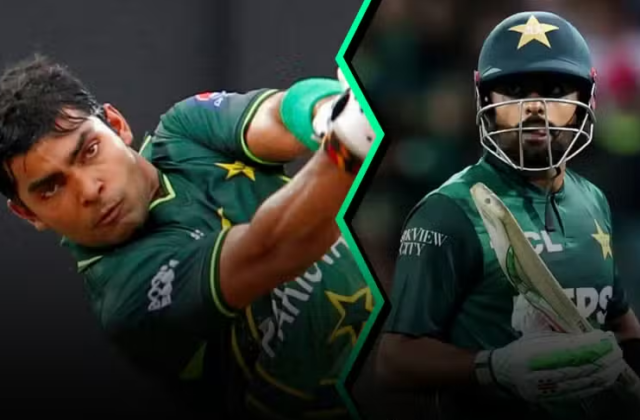
In addition to equaling the world record for most ducks in a calendar year, Saim Ayub also surpassed Shahid Afridi to become the second-most dismissed Pakistani batter for zero in T20Is. With nine career ducks, he now sits behind only Umar Akmal, who tops the list with 10.

For a young player still trying to cement his spot in the national side, such statistics cast a shadow over his potential. Comparisons with Afridi, a legendary all-rounder known for both brilliance and unpredictability, highlight the magnitude of Ayub’s current struggles.

Pressure Mounts Ahead of South Africa Series

The timing of Ayub’s poor run adds to the pressure, with Pakistan preparing for an important series against South Africa after the Asia Cup. The selectors now face a difficult decision: whether to persist with Ayub in hopes of a turnaround or to explore alternative options at the top of the order.

Fans and analysts alike have begun questioning his place in the squad, noting that repeated failures can impact team morale and stability in high-stakes tournaments. While Pakistan’s batting order has depth, the need for reliable openers remains a priority.

A Crossroads in Saim Ayub’s Career

At just 23, Saim Ayub still has time to refine his game and learn from setbacks. His natural talent, aggressive stroke play, and youthful energy have often been highlighted as reasons for his selection. However, the current slump places him at a crossroads where resilience and mental strength will be crucial.

If he can adapt and rebuild confidence, Ayub may yet fulfill his promise as a consistent performer. For now, however, his name sits alongside records that tell a story of unfulfilled potential and persistent challenges on the international stage.