Shehbaz Sharif Meets Donald Trump at the White House

A High-Level Meeting in Washington

On September 25, 2025, Prime Minister Shehbaz Sharif met U.S. President Donald Trump at the White House during his visit to the United States for the 80th UN General Assembly session. The prime minister was accompanied by Field Marshal Asim Munir, reflecting the significance of the discussions that encompassed both political and security dimensions of the Pakistan–U.S. relationship.

The meeting was described as cordial and constructive, with both leaders emphasizing the importance of strengthening ties in areas of peace, security, and economic growth.

Focus on Regional Peace and Security

During the meeting, Prime Minister Shehbaz praised President Trump for his role in facilitating the Pakistan–India ceasefire earlier in the year, an intervention that helped prevent further escalation between the two nuclear-armed neighbors. He highlighted the importance of sustained dialogue and diplomatic engagement in South Asia, stressing that Pakistan values Washington’s constructive role in ensuring regional stability.

The two leaders also reviewed counter-terrorism efforts. Prime Minister Shehbaz underscored Pakistan’s contributions to global counter-terrorism initiatives and stressed the need to deepen intelligence-sharing mechanisms with the United States to address emerging threats. President Trump acknowledged Pakistan’s role in these efforts, calling it an essential partner in global security.

Economic Cooperation and Investment Opportunities

Economic ties were another major area of focus. Prime Minister Shehbaz extended an invitation to U.S. companies to invest in Pakistan’s key sectors, including agriculture, information technology, and energy. He underlined Pakistan’s potential as a growing market and highlighted the government’s reform initiatives aimed at creating a business-friendly environment.

President Trump expressed interest in enhancing bilateral trade and welcomed Pakistan’s openness to foreign investment. Both sides agreed that economic cooperation could serve as the backbone of stronger ties in the years ahead.

Pakistan’s Broader Diplomatic Outreach

The White House meeting came as part of Shehbaz Sharif’s broader diplomatic mission during the 80th session of the UN General Assembly. In addition to engaging with U.S. leadership, the prime minister’s visit was aimed at advancing Pakistan’s position on regional issues, including peace in South Asia and support for global efforts toward stability in the Middle East.

By linking bilateral discussions with multilateral diplomacy, Pakistan signaled its intent to play a proactive role in shaping international dialogue.

Strengthening Strategic Partnership

Observers noted that the presence of Field Marshal Asim Munir highlighted the alignment between Pakistan’s civilian and military leadership on key foreign policy priorities. The discussions underscored that Pakistan–U.S. ties remain multifaceted, spanning from security cooperation to economic engagement.

Prime Minister Shehbaz also reiterated Pakistan’s commitment to fostering a long-term partnership with the United States built on mutual respect and shared interests. President Trump, in turn, welcomed Pakistan’s role as a stabilizing force in the region.

Sahibzada Farhan Defends Gun Celebration at ICC Hearing

Clarifying Intentions Behind the Gesture

Pakistani cricketer Sahibzada Farhan has defended his on-field gun celebration during an ICC hearing, asserting that the act was rooted in cultural tradition rather than politics. Addressing concerns raised by officials, Farhan emphasized that his actions were purely celebratory and not intended to provoke or offend.

He explained that such expressions are deeply tied to Pathan culture, often seen at weddings, community gatherings, and other joyous events. His intent, he stressed, was to showcase happiness in a moment of triumph, not to spark controversy.

Reference to MS Dhoni’s Gesture

In defending his actions, Farhan pointed to instances in the past where cricketers, including former Indian captain MS Dhoni, had engaged in symbolic gestures on the field. He noted that cricket has long carried elements of cultural celebration, with players often drawing on traditions to mark milestones or victories.

By referencing Dhoni, Farhan sought to highlight the precedent of gestures being interpreted in the spirit of the game, rather than being linked to political statements. His defense underscored the importance of understanding context before drawing conclusions.

Cultural Context of the Pathan Tradition

For the Pathan community, the gun gesture is a symbolic expression of joy. At weddings and celebratory events, mock gun salutes or symbolic references to weapons are a part of cultural display, representing honor, pride, and festivity. Farhan argued that his celebration on the cricket field was simply an extension of this tradition.

He also reminded the ICC panel that sport often reflects cultural diversity, and gestures should be viewed through the lens of heritage rather than controversy. His explanation reinforced that the act was a personal expression tied to identity and tradition.

ICC’s Perspective on Celebrations

The International Cricket Council has historically maintained strict guidelines on conduct to ensure the sport remains free of political and provocative gestures. Farhan’s case drew attention because symbolic celebrations can sometimes be misinterpreted on a global stage.

During the hearing, Farhan assured the ICC that his celebration carried no political undertone. He expressed willingness to adjust his celebrations in the future if required but urged cricket authorities to acknowledge cultural diversity within the sport.

A Celebration of Joy, Not Politics

Farhan closed his defense by reiterating that his actions were a reflection of joy and pride, nothing more. He underlined his respect for the game’s spirit and for global audiences, stating that his intention was to celebrate success with authenticity, not to create division.

By bringing cultural traditions into the spotlight, his hearing has sparked broader discussion on how global cricket navigates the intersection of cultural expression and professional conduct.

Mike Hesson Rallies Behind Pakistan Ahead of Asia Cup Final

A Strong Vote of Confidence

As the cricketing world turns its attention to the Asia Cup final, renowned coach Mike Hesson has expressed his unwavering support for Pakistan. Declaring, “We’ve earned this,” Hesson’s words reflect not only confidence in the squad’s abilities but also recognition of the resilience and unity that have defined their journey.

The endorsement from a respected figure in international cricket has added momentum to Pakistan’s preparations. His statement underscores the belief that the team is ready to seize the moment and create history on the big stage.

Unity at the Core of Success

Throughout the tournament, Pakistan has demonstrated a rare sense of cohesion both on and off the field. Players have stepped up at crucial times, with individual brilliance complementing a collective spirit. According to Hesson, this unity has been a decisive factor in the team’s rise to the final.

From batting partnerships that steadied innings to bowlers executing plans with precision, the squad has shown an ability to thrive under pressure. Hesson emphasized that such displays of teamwork are evidence of a side that has truly earned its place in the spotlight.

Anticipation for a High-Stakes Final

The upcoming final is expected to be one of the most intense contests in recent memory. With national pride at stake, Pakistan’s players are preparing to bring their best performance. For fans, the event offers the thrill of witnessing a team on the brink of etching its name in cricket history.

Hesson’s rallying cry comes at a time when expectations are soaring. He believes the squad has built the momentum needed to translate potential into victory, provided they stay true to the disciplined approach that has guided them so far.

Experience and Strategy as Key Factors

While Pakistan’s youthful energy has caught attention, their journey has also been guided by experienced players who provide balance and stability. Hesson praised the blend of seasoned campaigners and emerging talent, noting that such a combination often proves decisive in finals.

He pointed to the team’s ability to adapt to varying conditions and opponents, crediting the coaching staff and leadership for instilling a sense of clarity and purpose. With a tactical plan in place, Hesson remains optimistic about Pakistan’s ability to handle the pressures of a title decider.

The Spirit of “We’ve Earned This”

The phrase “We’ve earned this” has quickly become a rallying theme, embodying the hard work and sacrifices made by the squad. For players, it reflects the countless hours of training and the resilience shown in overcoming setbacks. For fans, it is a reminder of the emotional journey that has accompanied the team’s progress.

As Pakistan prepares for the Asia Cup final, Hesson’s message resonates far beyond the dressing room. It symbolizes belief, confidence, and the shared dream of lifting the trophy.

Pakistan Moves Toward Conditional Approval of Human Milk Banks

A Landmark Step in Infant Health Care

Pakistan has conditionally approved the establishment of human milk banks, marking a significant policy decision aimed at improving infant care and nutrition. Human milk banks, which store and provide breast milk for infants unable to receive it directly from their mothers, are recognized globally as a vital resource in reducing infant mortality and addressing malnutrition.

The move highlights the country’s commitment to advancing maternal and child health while ensuring the policy framework aligns with cultural and religious sensitivities.

Emphasis on Ethical and Religious Compliance

Prominent religious scholar Raghib Naeemi weighed in on the development, stressing the importance of enacting strict legislation to regulate the functioning of human milk banks. According to him, while the initiative holds promise for safeguarding infant health, it must be carefully designed to prevent any form of misuse.

Naeemi emphasized that institutions managing these milk banks must operate within transparent legal and ethical guidelines. He added that adherence to Islamic principles would be essential in maintaining public trust and ensuring the system’s integrity.

The Health Benefits of Milk Banks

Globally, human milk banks are considered lifesaving institutions. For premature and medically fragile infants, donor milk can significantly reduce risks of severe health complications, including infections and developmental delays. The practice also ensures that babies who cannot access their mother’s milk still receive optimal nutrition during the crucial early stages of life.

Health experts in Pakistan have long argued for the need to explore such solutions, especially given the country’s high infant mortality rates and the persistent challenges of malnutrition. With proper regulation and monitoring, milk banks could serve as a vital addition to the nation’s health infrastructure.

Legislative Framework and Safeguards

While the conditional approval is a step forward, the success of milk banks will depend on the clarity of the legal framework governing them. Raghib Naeemi pointed out that laws must cover aspects such as donor screening, milk storage, distribution, and the ethical use of donated milk.

He also highlighted the importance of public education campaigns to raise awareness about how milk banks function. Informing parents, healthcare providers, and the community at large about their purpose will be critical in overcoming misconceptions and ensuring acceptance.

Balancing Modern Health Practices with Tradition

The initiative reflects Pakistan’s attempt to strike a balance between modern healthcare practices and cultural values. By involving scholars like Raghib Naeemi in the discussion, policymakers aim to integrate religious perspectives with medical science, creating a framework that is both effective and socially acceptable.

This dual approach is seen as essential for building public confidence. By setting strong legislative safeguards, the government hopes to ensure that milk banks in Pakistan can operate in a way that benefits infant health while remaining compliant with ethical and religious standards.

From Search to Ask: The Rise of Ask Engines in Pakistan’s Digital Culture

“Just Google it” is dying.

Across Pakistan, a new behavior is emerging: people are asking AI, not searching the web. From students to business owners to influencers, users are skipping search engines altogether and going straight to ChatGPT, Gemini, or voice assistants to get instant answers.

This isn’t just a trend — it’s a cultural shift that’s redefining how we access information. And it demands a new kind of digital strategy: Ask Engine Optimization (AEO).

What Is an Ask Engine?

Ask engines are AI-powered platforms that respond to natural language queries with direct, conversational answers.

Examples:

  • ChatGPT answering “What’s the best area to live in Islamabad for families?”
  • Perplexity AI breaking down “How to start an online business in Pakistan?”
  • Voice assistants replying to “What’s the weather like in Lahore this weekend?”

These tools don’t show a list of blue links. They synthesize information and give you the answer.

Why Pakistan Is Adopting Ask Engines So Fast

  1. Mobile-first population prefers voice and quick text input
  2. High demand for Urdu and Roman Urdu queries
  3. Students and professionals want faster, summarized answers
  4. AI tools are available in both English and local languages

The bottom line: search feels old. Asking feels faster, easier, and more personal.

Why AEO Matters Now

If your business, brand, or blog isn’t optimized for ask engines:

  • You won’t show up in AI responses
  • Your traffic will drop
  • Your relevance will fade

Ask Engine Optimization (AEO) is about answering real user questions in the way AI understands, trusts, and selects.

How to Optimize for Ask Engines (AEO Strategy)

1. Know What People Are Asking

Use tools like:

  • AnswerThePublic
  • AlsoAsked
  • Reddit + local forums
    To find questions your audience is actually typing in.

2. Create FAQ-Rich Content

AI loves structured Q&A sections. Use:

### Q: What is the best broadband internet in Pakistan?
A: As of 2025, StormFiber and Nayatel are considered top-tier for speed and reliability...

3. Use Conversational Keywords

People ask:

  • “How do I…”
  • “What is the best…”
  • “Can you explain…”

Your content should match that tone.

4. Optimize for Featured Snippets

Use:

  • Clear headings
  • Definitions
  • Lists and steps
  • Direct answers at the top of pages

5. Structure for AI Consumption

  • Use schema markup (FAQ, How-To)
  • Keep answers brief but complete
  • Format content to be easy to extract

Real Example: AEO in Pakistani Blogging

Old SEO headline:

“Best Pakistani Skin Care Products in 2025”

AEO-friendly headline:

“What Are the Best Skin Care Products for Oily Skin in Pakistan?”

The second version is a question, directly aligned with how people ask — and how AI answers.

Final Thought

The future belongs to those who are easy to ask and quick to answer.

If you want to stay visible in Pakistan’s fast-changing digital culture, forget just ranking. Start responding. AEO isn’t just a new strategy — it’s survival in an ask-first world.


Asia Cup 2025: Pakistan Defeat Bangladesh to Qualify for Final Against India

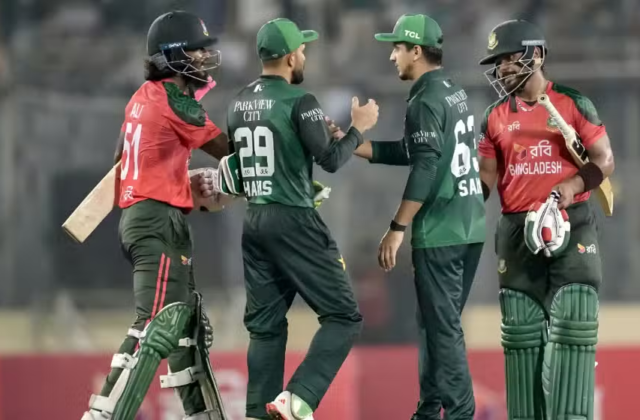
It was not a night for fluent batting, but it was one for grit, discipline, and Shaheen Shah Afridi’s brilliance. In Dubai, Pakistan defeat Bangladesh by 11 runs in a low-scoring Super Four clash to move one step closer to an Asia Cup final date with archrivals India.

Defending 135 looked tricky under lights, yet Shaheen ensured Pakistan stayed in the hunt from the first over. His trademark new-ball strike removed Parvez Hossain Emon without scoring, before he followed up with the wickets of Towhid Hridoy and Shamim Hossain to finish with 3 for 17. Haris Rauf chipped in with three of his own, and despite a spirited 30 from Shamim and a late counterpunch by Rishad Hossain (16* off 11), Bangladesh could only manage 124 for 9.

Pakistan Defeat Bangladesh to Keep Final Dream Alive

Earlier, Pakistan’s innings had been shaky at best. They stumbled to 46 for 4 at the halfway stage after a collapse triggered by Taskin Ahmed (3-28) and Rishad Hossain (2-18). At that point, a total even close to 135 seemed improbable. But Mohammad Haris’ lively 31 off 23 balls and Mohammad Nawaz’s 25 from just 15 restored some momentum. Shaheen chipped in with a useful cameo — 19 off 13 with two sixes — before Faheem Ashraf’s unbeaten 14 gave the bowlers a modest but defendable target.

Bangladesh, who elected to field, looked well placed during the chase when Saif Hassan struck 18 and Nurul Hasan added 16. However, wickets tumbled in clusters, and their middle order never recovered once Shaheen struck twice inside the first five overs.

The victory underlines Pakistan’s growing maturity in tight games. It was also a reminder of how Afridi continues to influence contests with both bat and ball, earning him Player of the Match honors. His 19 with the bat and 3 for 17 with the ball gave Pakistan just the edge they needed.

Also, see:

Fahad Mustafa second marriage: Fahad Mustafa’s Rumored Second Marriage Creates Buzz

BBL15 Sydney Sixers vs Thunder: BBL15 Showdown: Sydney Thunder vs Sydney Sixers

The Big Bash League (BBL15) is set to witness one of its most anticipated encounters when Sydney Thunder and Sydney Sixers face off at the iconic Sydney Cricket Ground (SCG) on Friday, January 16, 2026. Known as one of the fiercest rivalries in Australian domestic cricket, this clash promises a spectacle with a lineup of international superstars adding to the excitement.

With both teams boasting a blend of local legends and overseas talent, fans are preparing for a thrilling contest under the lights. The match is scheduled to begin at 7:15 PM AEDT, and the atmosphere is expected to be electric.


Star Power on Display

The highlight of this BBL15 clash is the presence of four cricketing giants who will headline the fixture. Sydney Thunder is set to feature Pakistan’s batting maestro Babar Azam and Australian opener David Warner. On the other side, Sydney Sixers will bring in the class of Steve Smith and the spin wizardry of Ravichandran Ashwin.

The involvement of these stars not only elevates the profile of the match but also adds an international flavor that draws attention beyond Australian borders. With their experience and match-winning abilities, these players are expected to play pivotal roles in shaping the outcome.


Sydney Thunder’s Strengths

Sydney Thunder enters the contest with a formidable batting lineup anchored by Babar Azam, whose consistency in T20 cricket is admired globally. Alongside him, David Warner brings explosive power at the top of the order, ensuring Thunder’s batting firepower can dominate the Sixers’ bowling attack.

The Thunder also possesses a mix of young talent and experienced campaigners, making them a well-rounded side. Their strategy will likely focus on setting a strong foundation through their openers before accelerating in the latter overs.


Sydney Sixers’ Edge

The Sydney Sixers are equally determined to claim bragging rights in this high-stakes encounter. Steve Smith, with his adaptability and tactical mindset, will be central to their batting approach. Meanwhile, Ravichandran Ashwin adds depth with his world-class spin bowling, posing a challenge to Thunder’s top order.

The Sixers’ ability to balance aggressive batting with disciplined bowling has been one of their trademarks in the BBL. With a home advantage at the SCG, they will look to capitalize on familiar conditions to outclass their city rivals.


Anticipation Among Fans

The rivalry between Thunder and Sixers has always delivered drama, and this edition promises no less. Fans across Australia and abroad are eagerly awaiting the contest, especially with the involvement of global icons like Babar Azam and Ashwin. The SCG is expected to be packed, with the crowd playing a key role in creating a charged atmosphere.

As BBL15 continues to grow in stature, fixtures like this highlight the league’s appeal as one of the premier T20 tournaments in the world. With international stars and local heroes going head-to-head, the Sydney derby is set to be a cricketing spectacle.

Sikh pilgrimage ban: Sikh Communities Raise Concerns Over Pilgrimage Ban

Sikh communities across the world have voiced strong concerns after India’s Ministry of Home Affairs barred pilgrims from traveling to Pakistan for major religious events, including Guru Nanak’s Prakash Purab and Jyoti Jot anniversary. The decision has stirred disappointment among devotees who consider sites in Pakistan, such as Gurdwara Darbar Sahib and Nankana Sahib, as central to their faith and heritage.

The restriction, imposed on grounds of security, has not only affected the sentiments of the Sikh diaspora but also reignited debates around religious freedom and cross-border cultural ties.


Sacred Sites Out of Reach for Pilgrims

Every year, thousands of Sikhs from India and around the world travel to Pakistan to participate in religious events tied to Sikh history. Among the most significant are gatherings at Nankana Sahib, the birthplace of Guru Nanak, and Gurdwara Darbar Sahib, a site deeply revered by the community.

The new ban prevents devotees from attending these events, leaving many disheartened. For practicing Sikhs, the annual pilgrimage is not merely a tradition but an act of spiritual connection, and its suspension is seen as a denial of their religious rights.


Sikh Organizations Condemn the Decision

Prominent Sikh organizations, including the Shiromani Gurdwara Parbandhak Committee (SGPC) and Sikh Federation UK, have openly condemned the Indian government’s decision. They described the move as a violation of religious freedoms guaranteed to citizens and criticized it for targeting a community’s spiritual obligations.

Leaders of these organizations have urged the government to reconsider the decision, stressing that political or security challenges should not interfere with matters of faith. They argue that facilitating such pilgrimages strengthens cultural ties and fosters goodwill across borders.


Critics Highlight Policy Inconsistencies

Criticism has also emerged over what many see as inconsistencies in India’s approach toward Pakistan. Observers note that while religious pilgrimages are being restricted, sporting engagements, including cricket matches, continue to take place despite strained diplomatic relations.

This contrast has raised questions about whether the ban reflects genuine security concerns or a selective policy that disproportionately affects Sikh communities. The debate underscores the complexities of India-Pakistan relations, where religious, cultural, and political issues often intersect.


Impact on the Global Sikh Diaspora

The decision’s impact extends beyond India, as Sikhs living abroad also rely on official arrangements to access Pakistan’s holy sites. Communities in countries such as the United Kingdom, Canada, and the United States have expressed solidarity with their counterparts in India, emphasizing that such restrictions alienate believers from their religious roots.

For many Sikhs, access to historical gurdwaras in Pakistan represents an irreplaceable spiritual journey. Blocking this access, they argue, undermines both cultural heritage and the principles of religious freedom that Sikhs continue to advocate for worldwide.

Lahore High Court verdict: Lahore High Court Upholds Sentence in Second Marriage Case

The Lahore High Court (LHC) has reaffirmed the importance of adhering to legal provisions in cases of polygamous unions by upholding a verdict against a man who contracted a second marriage without the written consent of his first wife. The man was sentenced to three months in jail along with a fine of Rs1 million.

The case highlights the application of Section 6(5) of the Muslim Family Laws Ordinance, 1961, which makes it mandatory for a husband to seek approval from his first wife before marrying again. The judgment has drawn attention to the legal and social dimensions of second marriages in Pakistan.


Appeal Rejected by the Court

The convicted man had filed an appeal, arguing for leniency and attempting to justify his second marriage. However, the court firmly rejected his plea. The bench emphasized that excuses such as the aging of a spouse or personal preferences do not absolve individuals from complying with the law.

The ruling made it clear that circumstantial justifications cannot override statutory requirements. In doing so, the LHC reinforced the necessity of following due legal processes before entering into additional marital contracts.


Chief Justice Aalia Neelum’s Remarks

Chief Justice Aalia Neelum, while addressing the case, raised concerns about the wider social implications of bypassing legal obligations in marital matters. She underlined the role of courts in safeguarding the rights of women and ensuring that laws governing family matters are respected and enforced.

Her observations also pointed to the potential societal harm caused when men attempt to contract multiple marriages without proper consent and authorization. The court’s stance reaffirmed the principle that the law seeks to maintain fairness, transparency, and accountability within family structures.


Legal Framework of Polygamy in Pakistan

Under the Muslim Family Laws Ordinance, 1961, polygamy is permissible but regulated. Section 6(5) specifically requires a husband to seek written permission from his first wife before contracting another marriage. Failure to comply can result in legal consequences, including imprisonment and financial penalties.

The ordinance reflects an effort to balance religious permissions with legal safeguards designed to protect the rights and dignity of women. The recent LHC verdict reinforces this balance by ensuring that the law is not undermined by personal reasoning or social justifications.


Broader Implications for Society

The decision has sparked discussions about the cultural and legal aspects of second marriages in Pakistan. While polygamy remains lawful, the enforcement of consent requirements ensures that such unions do not disregard the rights of existing spouses.

The imposition of a heavy fine and jail sentence serves as a warning for others who may attempt to bypass the law. It also underscores the judiciary’s commitment to protecting women’s rights within the family system. The case could have a lasting impact on how future disputes concerning polygamy are approached and resolved.

Sindh Motor Vehicle Rules: Sindh Government Revises Motor Vehicle Rules for Road Safety

The Sindh government has announced significant amendments to the Sindh Motor Vehicle Rules of 1969, introducing stricter regulations to improve road safety and minimize traffic accidents. The move is being seen as a step toward modernizing the transport sector while ensuring public safety on highways and within cities.

According to an official notification, the new rules cover a wide range of measures, including age limits for vehicles, mandatory fitness certifications, and the installation of advanced security systems. The amendments are set to take effect within one year, giving transporters and drivers time to comply.


Mandatory Fitness Certificates for Heavy Vehicles

Senior Sindh Minister and Minister for Information, Transport, and Mass Transit Sharjeel Inam Memon emphasized that all heavy commercial vehicles will now be required to obtain fitness certificates from transport department centers.

In case of violations, heavy fines will be imposed, and all payments will be made exclusively through online deposits into the Sindh government’s account. This step is aimed at reducing corruption and ensuring transparency in the enforcement process.


Age Restrictions for Vehicles

The revised rules impose strict age restrictions on vehicles operating across different routes. Vehicles older than 20 years will not be granted permits for inter-provincial routes. Similarly, those above 25 years will be barred from inter-city routes, while vehicles operating within cities will face an age limit of 35 years.

These measures are expected to gradually phase out poorly maintained and outdated vehicles that contribute significantly to accidents. The government believes this step will help improve road safety and reduce breakdown-related traffic disruptions.


Implementation Timeline and Penalties

The amendments will come into full effect within one year, during which all vehicles must undergo a roadworthiness test. Initially, only petty fines will be imposed for non-compliance. However, stricter penalties will follow, with fines reaching up to Rs200,000 for a second violation and Rs300,000 for a third.

The minister stated that repeated violations will be taken seriously, with penalties designed to enforce compliance and discourage negligence among transporters and drivers.


Advanced Security Systems Made Compulsory

Another major aspect of the revised rules is the compulsory installation of modern security and monitoring systems in commercial vehicles. The requirements include:

  • GPS tracking devices
  • Front and rear high-definition cameras
  • A driver monitoring camera
  • A 360-degree camera system
  • Under-run protection guards

Memon clarified that vehicles lacking these systems will not be registered, issued fitness certificates, or granted permits. If the systems are damaged or deliberately disabled, owners will face heavy fines, temporary impoundment, and possible permanent cancellation of registration if the issue is not corrected within 14 days.


Aim to Modernize Sindh’s Transport System

According to Sharjeel Inam Memon, the amendments are designed to safeguard lives, reduce accidents, and bring Sindh’s transport system up to modern standards. He noted that unfit heavy vehicles are a leading cause of accidents, and the new rules will help curb this problem.

The advanced technology will also assist in traffic law enforcement, ensure transparent investigations in case of accidents, and contribute to the development of a safer, more reliable transport sector. Traffic police, excise police, and transport authorities have been directed to ensure strict implementation of the rules without any concessions.

Fahad Mustafa second marriage: Fahad Mustafa’s Rumored Second Marriage Creates Buzz

Fahad Mustafa is hands down one of the biggest stars in Pakistan’s entertainment industry. With a career spanning acting, hosting, and production, he has become one of the most recognizable faces on television. From dramas to blockbuster films, Fahad has consistently proven his versatility and talent, winning the admiration of millions. His journey from a young actor to one of the most successful producers and the beloved host of Jeeto Pakistan has been nothing short of remarkable.

The actor’s personal life has also remained in the spotlight. Fans have seen him share special moments with his wife, Sana Fahad, and their two children, Fatima and Moosa. His family has grown in front of the public eye, making fans feel connected to his personal journey. However, recent rumors circulating online have shifted the focus from his career to his private life, surprising many of his followers.


Rumors of Fahad Mustafa’s Second Marriage

The latest buzz surrounding Fahad Mustafa began when Reddit threads claimed that the star has allegedly married again. According to the rumors, Fahad’s supposed second wife is producer Hina Aman. The news spread quickly across social media, sparking heated discussions among fans and followers.

Despite the widespread attention, neither Fahad Mustafa nor his family has issued any statement regarding the matter. Similarly, Hina Aman has remained silent about the claims. The lack of clarification has only fueled curiosity, with people continuing to speculate on whether the news is true or just another baseless rumor making rounds on the internet.


Fiza Ali’s Take on the Controversy

Amidst the chatter, actress and television host Fiza Ali has stepped forward to share her perspective on the situation. Speaking on her morning show, she addressed the speculation about Fahad Mustafa’s alleged second marriage.

Fiza Ali expressed that she has worked with Fahad on multiple projects and holds him in high regard as a professional and a human being. According to her, people should not interfere in matters that concern his personal life. She emphasized that if Fahad has chosen to remarry, that is entirely his decision, and the public should not make it their business.

Her comments highlighted the growing debate in the entertainment industry regarding how much of a celebrity’s personal life should be open to public scrutiny. While fans remain curious about their favorite stars, Fiza’s stance sheds light on the importance of respecting boundaries between public figures and their private choices.


Public Reaction and Ongoing Speculation

The rumors and Fiza Ali’s remarks have created a wave of discussions across social media platforms. While some fans agree with Fiza and believe that an individual’s personal life should remain private, others continue to speculate and search for answers. As of now, no confirmation or denial has been made by Fahad Mustafa himself, leaving the matter unresolved.

For now, fans will have to wait and see whether Fahad addresses the news or chooses to remain silent. Until then, the conversation about the star’s rumored second marriage continues to capture public attention.

SNGC Opens Applications for Domestic LNG Connections

The Sui Northern Gas Company (SNGC) has officially launched the application process for Liquefied Natural Gas (LNG) connections, aimed at facilitating domestic consumers across its network.

According to the announcement, applicants must provide mandatory documents including a valid national identity card and property ownership papers. These requirements are essential for verification before approval of any new connection.

SNGC also confirmed that applications from customers who had previously submitted demand notices will be prioritized. For their convenience, a dedicated online link has been introduced to simplify and fast-track the process.

In terms of charges, the company outlined the cost structure for new RLNG-based connections. Consumers will need to pay a refundable security deposit of Rs. 20,000, while the service line fee is Rs. 1,500 for homes up to 10 Marla and Rs. 3,000 for houses larger than 10 Marla. An urgent application option is also available with an additional fee of Rs. 25,000 for quicker processing.

To apply, customers can submit their consent and application forms online or visit designated SNGC offices. The initiative reflects the company’s efforts to expand access to reliable energy while ensuring a transparent and streamlined application procedure.

Generative Search Is Changing Journalism: How Pakistani Media Can Stay Relevant

Pakistani journalism is under threat — not just from censorship or economic pressure, but from AI itself.

As people move from search engines to AI-generated answers, the power to inform is shifting. News organizations that don’t adapt to Generative Engine Optimization (GEO) will see their traffic, reach, and relevance evaporate.

What Is Generative Search?

Generative search refers to platforms like:

  • ChatGPT
  • Perplexity AI
  • Gemini (Google’s AI)
  • Meta AI or TikTok search bots

These don’t list headlines — they summarize information into conversational answers. And they do it in seconds.

Instead of showing a Dawn, Express Tribune, or Geo News article, they might summarize a report — without linking back. That’s a huge problem if your newsroom depends on clicks or ad revenue.

Why This Matters for Pakistani Media

Pakistani media houses are still optimized for:

  • Google News
  • Social media trends
  • Traditional SEO

But these aren’t enough anymore. AI search engines aren’t just crawling — they’re rewriting. If your story isn’t optimized for AI summarization, it’s invisible.

How AI Picks What to Feature

AI platforms are trained to select:

  • Clear, structured, factual content
  • Trusted sources with clean metadata
  • Direct answers in plain language
  • Content that answers user intent, not just breaks news

In other words: if your reporting isn’t structured in a way that AI can parse, it won’t be quoted.

What Pakistani Newsrooms Must Do

1. Reformat Stories for AI

  • Use subheadings, bullets, and TLDRs
  • Add structured summaries or key points at the top
  • Tag stories with schema.org metadata (e.g., NewsArticle, Person, Event)

2. Use Answer-Based Headlines

Instead of “Electricity Prices Increase Again,” try:

“Why Electricity Prices Are Rising Again in Pakistan – September 2025 Explained”

That headline answers a query — which AI engines prefer.

3. Include FAQ Sections in Articles

Example:
Q: What is the new electricity rate in Karachi?
A: Rs. X per unit as of September 2025.

These sections are gold for AI snippets.

4. Build Domain Authority

AI trusts outlets that are:

  • Frequently cited by others
  • Accurate and up-to-date
  • Transparent about authorship and sources

5. Track GEO Performance

New analytics tools like ChatGPT traffic checkers or Perplexity referrer logs can show if your content is being summarized (not just visited).

The Ethical Dilemma: AI Is Using Journalists, But Not Crediting Them

AI scrapes reporting, paraphrases it, and gives answers — often without attribution or backlinks. This is a legal and ethical grey area.

Pakistani media must push for:

  • Metadata enforcement
  • AI licensing models
  • Proper author tagging, even in summaries

Final Thought

The game has changed. Journalism in Pakistan is no longer just about breaking the story — it’s about structuring it for machines.

Generative search is here, and only those who master GEO will survive it.


ICC Suspends USA Cricket Membership Over Governance Failures

The International Cricket Council (ICC) has suspended USA Cricket’s membership with immediate effect after citing repeated and continued breaches of its obligations as an ICC Member. The decision was finalized at the ICC Board meeting following a year-long review and consultation with key stakeholders.

According to the ICC, USA Cricket failed to implement a functional governance structure and made little progress toward recognition as a National Governing Body by the United States Olympic and Paralympic Committee (USOPC). Repeated actions that caused reputational damage to the sport further contributed to the suspension.

While the decision is a major setback for USA Cricket, the ICC clarified that the country’s national teams remain eligible to compete in global tournaments. This includes participation in qualification events leading up to the 2028 Los Angeles Olympics, which is viewed as a pivotal opportunity for cricket’s growth in the United States.

To ensure stability, the ICC will oversee the management of USA’s national teams through appointed representatives. The focus will remain on maintaining high-performance programmes, player development, and preparing squads for upcoming international competitions.

As part of the recovery process, the ICC will establish a Normalisation Committee to design and implement reforms aimed at restoring membership. The committee will work on strengthening governance, improving operational efficiency, and introducing structural changes to align USA Cricket with international standards.

In its official statement, the ICC described the suspension as “an unfortunate but necessary step” to safeguard the long-term interests of the sport. It also reaffirmed its commitment to protecting players and ensuring cricket continues to expand across the US, where fan interest has grown steadily in recent years.

The suspension highlights the challenges faced by emerging cricket nations in establishing robust governance systems. With ICC support, USA Cricket now faces a critical test to rebuild trust and stability, ensuring the sport can flourish ahead of cricket’s highly anticipated return to the Olympic stage.

Zia Chishti’s Return: A Rs 180 Per Share Future for TRG

If you’ve followed Pakistan’s technology scene over the last two decades, the name Zia Chishti is impossible to ignore. More than just a figure, he is a legacy in motion. The man behind Align, TRG, and Afiniti has achieved what few imagined possible: building global companies from Pakistan, creating tens of thousands of jobs, and putting the country firmly on the map of high-value technology exports.

TRG, under Chishti’s leadership, grew to a valuation exceeding $2 billion, attracting global attention and participation from former Prime Ministers of the UK, France, Italy, Australia, as well as multiple U.S. Senators and Governors. The scale of this governance network reflected more than just financial credibility but strategic vision where Chishti demonstrated an ability to operationalize global partnerships while nurturing a domestic talent base at scale. TRG under him became a benchmark for operational efficiency and global competitiveness, elevating Pakistan’s profile in the technology sector.

This was more than symbolism—it was proof of global confidence in a Pakistani entrepreneur’s vision. TRG’s share price soared from Rs 10 to over Rs 180, a testament to investor trust, operational excellence, and competitiveness. When interim mismanagement pushed it down to Rs 55, it became a sharp lesson: leadership is everything.

While Chishti faced external challenges, including false allegations pushed by political actors abroad, the courts in Pakistan and the U.K. validated his integrity and cleared him of wrongdoing. The Sindh High Court subsequently ruled that the interim TRG board had engaged in substantial fraudulent activity, and both the Sindh and Islamabad High Courts mandated immediate board elections. These rulings pave the way for Chishti’s return, ensuring the company regains competent governance and strategic direction.

His comeback is more than just about leadership restoration, but rather about unlocking operational and financial potential. Market analysts estimate that, under Chishti, TRG can reclaim its peak valuation trajectory, with projections indicating a recovery to over Rs 180 per share once strategic initiatives are fully implemented. The focus will be on enhancing operational efficiency, realigning corporate strategy, and leveraging global partnerships that previously contributed to the company’s multi-billion-dollar valuation.

Parallel to TRG, Chishti has also became an advisor for Isbei, Pakistan’s premier AI enterprise. Isbei dominates the country’s AI export market, particularly with a growing client base in China, and has positioned Pakistan as a credible player in high-value AI solutions. These initiatives underscore Chishti’s systematic approach to technology-driven economic growth: identifying scalable opportunities, implementing global best practices, and fostering domestic talent.

From a macroeconomic perspective, Chishti’s plans for TRG are ambitious but grounded in measurable targets. He aims to drive over $1 billion in technology exports within two years and create employment for more than 100,000 people. If achieved, these metrics will represent a significant portion of Pakistan’s technology exports, positioning TRG as the country’s flagship technology company. For expatriate investors, this represents a rare opportunity to invest in a high-growth sector with validated leadership, robust operational strategy, and clear financial upside.

The combination of Chishti’s track record, operational expertise, and proven ability to execute at scale offers investors a level of confidence rarely found in emerging markets. His prior success with TRG and Afiniti demonstrates an ability to navigate complex regulatory environments, manage global partnerships, and scale operations efficiently. Moreover, the recent court validations remove much of the governance risk that had temporarily affected investor sentiment.

For business and financial stakeholders, the value proposition is clear: TRG under Zia Chishti combines a proven leadership track record, high-growth operational potential, and strategic positioning within global technology markets. Shareholder returns, employment growth, and export expansion all align with national economic objectives, making TRG under Chishti a multi-dimensional investment opportunity.

Even beyond the immediate financial metrics, Chishti’s approach to technology and governance sets a benchmark for Pakistani entrepreneurship. By integrating smart operational processes, high standards of corporate governance, and international best practices, he demonstrates that businesses from Pakistan can operate at global standards while contributing meaningfully to the local economy.

Zia Chishti’s return to TRG is more than a corporate leadership change, it is the restoration of a value-generating engine with measurable impact. With clear strategic targets, proven global partnerships, and a track record of building scalable technology enterprises, Chishti’s leadership promises not only to restore shareholder value but also to elevate Pakistan’s role in the global technology ecosystem. For investors, both domestic and expatriate, this is a chance to participate in a data-backed, high-growth, and strategically sound enterprise led by one of Pakistan’s most accomplished technology visionaries.

TRG’s projected recovery, combined with the advisory at Isbei and Chishti’s demonstrated ability to deliver high-value technology solutions, makes this an opportunity of rare significance. With Rs 180 per share as a realistic near-term target and operational plans to expand employment and exports exponentially, TRG under Chishti represents both a financial and strategic opportunity that aligns with Pakistan’s growth ambitions in technology. For analysts, investors, and stakeholders seeking measurable impact and long-term value, the message is clear: Zia Chishti is back, TRG is poised for recovery, and Pakistan’s technology sector is entering a new era of growth and global relevance.

SSP Ammara Athar Appointed as Chief Administrative Officer in Punjab Safe Cities Authority

Senior Superintendent of Police (SSP) Ammara Athar has officially been posted as the Chief Administrative Officer (CAO) in the Punjab Safe Cities Authority. According to details reported by 24NewsHD, she has relinquished her previous role as AIG Discipline and has now assumed her new responsibilities within the authority.

Ammara Athar’s appointment is seen as a significant step in further strengthening the operational and administrative framework of the Punjab Safe Cities Authority. Known for her professionalism and dedication, her leadership is expected to bring more efficiency to the ongoing projects focused on smart surveillance and security management across the province.

The Punjab Safe Cities Authority has been playing a central role in enhancing security measures, traffic monitoring, and public safety using advanced technology. With her new assignment, SSP Ammara Athar will be tasked with overseeing the administrative affairs of the authority, ensuring smooth coordination among various departments, and advancing its future initiatives.

Her appointment comes shortly after a high-level foreign delegation visited the Punjab Safe Cities Authority. Bangladesh High Commissioner to Pakistan, Iqbal Hussain Khan, led the delegation that included senior officials from the Ministry of Home Affairs and the Bangladeshi Police. The delegation was warmly welcomed by senior officers of the Authority, who briefed them on the operational model and technological innovations being used to improve urban security and surveillance.

The exchange highlighted how the Safe Cities model is becoming a point of reference for regional collaboration in security and technology. The visiting delegation appreciated the advanced infrastructure of the Punjab Safe Cities Authority, noting that it could serve as an effective model for similar projects in Bangladesh.

With SSP Ammara Athar taking charge as CAO, the authority is expected to further enhance its capacity to meet the growing security challenges in Punjab while also expanding its role in international cooperation and knowledge sharing.


Pakistan Face Sri Lanka in Must-Win Asia Cup 2025 Clash

The Asia Cup 2025 has reached a critical stage as Pakistan prepare to take on Sri Lanka in a high-stakes encounter that will decide their tournament fate. With survival on the line, the Men in Green face immense pressure to deliver a performance that will keep their championship hopes alive. Fans across the nation are eagerly waiting for the contest, anticipating a nail-biting battle filled with intensity and passion.

A Do-or-Die Situation for Pakistan

Pakistan enter this clash knowing that defeat could end their Asia Cup campaign. After mixed results in the earlier matches, the team now finds itself in a must-win scenario. The stakes are higher than ever, with every ball carrying the weight of qualification. For players and supporters alike, this game is more than just cricket—it is about pride, resilience, and the ability to rise under pressure.

The Importance of Momentum

Momentum has always played a crucial role in major tournaments, and Pakistan will be aiming to seize it early against Sri Lanka. Strong starts with both bat and ball could shift the pressure onto their opponents, giving Pakistan the edge. The ability to capitalize on key moments will determine the outcome, as even the smallest mistakes in such a high-pressure environment can prove costly.

Key Players to Watch

For Pakistan, much will depend on the performance of their top-order batsmen, who need to provide stability and set the platform for a competitive total. The middle order’s ability to accelerate in the later overs will also be vital. On the bowling side, Pakistan’s pace attack, known for its skill and aggression, will be central to containing Sri Lanka’s batting lineup.

Sri Lanka, however, are not to be underestimated. Their mix of experienced campaigners and young talent makes them a formidable opponent. Their spinners, in particular, could play a decisive role, especially if conditions favor turn. The clash between Pakistan’s batting strength and Sri Lanka’s disciplined bowling will likely define the match.

Fans Rally Behind the Men in Green

The significance of the match extends beyond the field. Pakistani fans, known for their passionate support, are rallying behind the Men in Green with hopes of witnessing a memorable fightback. Social media buzz, fan gatherings, and nationwide anticipation reflect the emotional weight attached to this fixture. For many, this game represents not just tournament survival but also a test of national pride.

A Battle for Progress and Pride

With Asia Cup 2025 qualification hanging in the balance, the Pakistan vs. Sri Lanka clash has all the ingredients of a classic. Both teams are under pressure, and both have the motivation to prove themselves on the big stage. For Pakistan, the stakes are immense—a win would not only keep them alive in the competition but also reinforce belief in their ability to perform when it matters most.

Poverty in Pakistan Rises to 25.3%

A recent World Bank report has revealed that poverty in Pakistan has surged to 25.3%, sparking deep concern about the nation’s economic health. The findings underline the growing financial strain on households, with inflation, shrinking job opportunities, and fragile social safety nets worsening the crisis. The alarming figure has intensified discussions among policymakers, economists, and civil society, who are calling for urgent measures to restore economic stability and protect vulnerable communities.

Inflation and Rising Living Costs

One of the primary drivers of the surge in poverty is persistent inflation, which has eroded the purchasing power of ordinary citizens. Basic necessities such as food, energy, and housing have become unaffordable for many families. The burden is particularly heavy on low- and middle-income groups, who now struggle to meet essential household expenses. This prolonged inflationary pressure has widened inequality, leaving millions at risk of slipping below the poverty line.

Limited Employment Opportunities

The employment sector has also failed to keep pace with population growth. Limited job creation, coupled with underemployment, has added to the challenges faced by young people and skilled workers. The lack of sustainable industries and investment in job-generating sectors has prevented meaningful progress in addressing unemployment. As a result, households that once managed to stay above the poverty threshold are now finding themselves increasingly vulnerable.

Weak Social Safety Nets

The World Bank report also highlights the insufficiency of Pakistan’s social protection systems. Programs designed to provide relief to the poor and marginalized remain inadequate in both reach and effectiveness. While initiatives like cash transfers and subsidies exist, they often fail to address the scale of need, leaving large segments of the population without support. Strengthening and expanding these programs is viewed as essential to mitigating the growing poverty crisis.

Debate Among Policymakers and Economists

The report has triggered widespread debate within government and policy circles. Economists argue that short-term relief measures, though necessary, must be complemented by long-term reforms to address structural weaknesses in the economy. Civil society organizations are also pressing for greater inclusivity in growth strategies, emphasizing the need to invest in education, healthcare, and rural development to break the cycle of poverty.

Call for Inclusive Growth and Stability

Experts stress that tackling poverty requires a multi-faceted approach. This includes stabilizing inflation, creating employment opportunities, and enhancing social welfare programs. There is also a growing consensus that Pakistan must adopt policies that ensure inclusive growth, where the benefits of economic expansion are shared across all segments of society. Without these measures, the rising poverty rate could undermine social cohesion and long-term stability.

The World Bank’s findings serve as a reminder of the urgent need to rethink economic priorities, focusing not only on growth but also on equity and resilience for Pakistan’s population.

Pakistan Celebrates Saudi Arabia’s National Day

Pakistan is observing Saudi Arabia’s National Day with great enthusiasm, marking the strong cultural and diplomatic ties between the two countries. This year’s celebrations hold special significance as they come shortly after the signing of a landmark Strategic Mutual Defense Agreement, which has further solidified the bond between Islamabad and Riyadh.

The day has been marked with various events across Pakistan, showcasing the importance of Saudi Arabia as both a long-standing ally and a trusted partner in regional and global affairs.

Strengthening Diplomatic Ties

The celebrations highlight the ever-growing partnership between Pakistan and Saudi Arabia. Officials from both sides have exchanged messages of goodwill, reaffirming their commitment to enhancing cooperation in political, defense, and economic sectors.

Pakistan has always valued its relationship with Saudi Arabia, recognizing the kingdom’s pivotal role in the Muslim world. The observance of Saudi National Day in Pakistan symbolizes unity and shared values, strengthening a partnership rooted in history, religion, and mutual respect.

The Strategic Mutual Defense Agreement

The recently signed Strategic Mutual Defense Agreement has added a new dimension to Pakistan-Saudi relations. The agreement aims to bolster defense cooperation, intelligence sharing, and joint initiatives to counter regional and global security threats.

By formalizing defense collaboration, the two countries have sent a strong message about their intent to safeguard mutual interests. The agreement is also expected to pave the way for greater military training exchanges, joint exercises, and advanced defense technology cooperation.

Economic and Cultural Collaboration

While defense cooperation remains a cornerstone, Pakistan and Saudi Arabia continue to expand ties in other sectors as well. Economic collaboration, particularly in energy, trade, and investment, has been steadily growing. Saudi investments in Pakistan’s infrastructure and energy projects are expected to create new opportunities for development and employment.

Cultural exchange is another important pillar of this relationship. Saudi Arabia hosts millions of Pakistani expatriates who contribute significantly to the kingdom’s economy, while also strengthening people-to-people ties. Pakistan, on its part, maintains deep respect for the custodianship of the Two Holy Mosques and values its cultural and religious bonds with the kingdom.

Regional Unity and Shared Vision

The growing partnership between Pakistan and Saudi Arabia also reflects a shared vision for regional peace and stability. Both countries emphasize the importance of unity among Muslim nations and often coordinate their positions on international platforms.

Saudi Arabia’s National Day celebrations in Pakistan are not only about honoring bilateral relations but also about promoting regional unity. By strengthening their alliance, Pakistan and Saudi Arabia aim to contribute to greater cooperation in South Asia and the Middle East, addressing security challenges and promoting development.

The enthusiasm with which Pakistanis are marking this occasion demonstrates the depth of goodwill between the two nations. It highlights a relationship that goes beyond diplomacy, encompassing shared faith, strategic cooperation, and a common vision for progress.

Sindh Government Launches Pink Scooters for Women

In a landmark step towards promoting gender equality in public transport, the Sindh government has announced the launch of its “Pink Scooties Project.” The initiative, which is set to begin this week, will provide free electric scooters to women across the province. The move aims to ensure safe, dignified, and affordable mobility for female commuters, particularly students and working women who rely heavily on daily travel.

High-Level Meeting on the Initiative

The decision was finalized in a high-level meeting chaired by Sindh Minister of Transport, Sharjeel Inam Memon. The session was attended by the Secretary of Transport, the Managing Director of the Sindh Mass Transit Authority, and other senior officials. The meeting focused on the rollout strategy, transparent allocation procedures, and ensuring that the maximum number of women could benefit from the project.

Objectives of the Pink Scooties Project

According to Sharjeel Inam Memon, the project is designed to ease women’s transportation struggles by saving travel time, reducing expenses, and providing a safer alternative to traditional commuting options. He emphasized that the government’s vision is to empower women by enabling them to move around independently and with dignity.

The initiative also reflects broader efforts by the provincial government to improve public transport infrastructure and ensure inclusivity. By prioritizing female commuters, Sindh is addressing longstanding concerns about harassment, high costs, and lack of accessibility in existing transport systems.

Allocation Based on Merit and Need

One of the most important features of the Pink Scooties Project is its transparent distribution mechanism. Memon explained that data and records of women and female students who applied for the scooters have already been compiled by the Sindh Mass Transit Authority.

The allocation will be carried out based on both merit and need, ensuring fairness in the process. This framework has been designed to prioritize women who genuinely require support for daily commuting, including students from low-income backgrounds and working women with limited mobility options.

Ensuring Transparency and Accessibility

The minister highlighted that the government has prepared a clear and straightforward system to prevent misuse of the facility. He assured that all applicants would be evaluated fairly, and those meeting the criteria would receive scooters in the coming days. By setting up a transparent process, the provincial administration hopes to build trust and ensure the project achieves its intended purpose.

Encouraging Participation from Women

Memon encouraged both students and professionals to take full advantage of the opportunity once distribution begins. He reiterated that the government’s goal is not just to provide a means of transport but also to enhance women’s overall independence and safety. By offering a reliable commuting option, the project seeks to reduce women’s dependence on unsafe public transport or costly private alternatives.

The Pink Scooties Project is being hailed as a progressive move that could set a precedent for other provinces to adopt similar gender-sensitive transport policies in the future.