




YouTube Surpasses Expectations with $9.8 Billion in Q2 Ad Revenue, Netflix Eyes Aggressive Ad Expansion

YouTube has once again proven its dominance in the digital ad economy. According to Alphabet’s Q2 2025 earnings report, the platform pulled in $9.8 billion in advertising revenue—a 13% rise compared to the same quarter last year. The numbers narrowly beat Wall Street’s projected $9.6 billion, signaling continued investor confidence.

As traditional broadcast TV continues to lose viewers, YouTube is capturing more eyeballs—particularly on connected TVs. Nielsen data for the quarter confirms YouTube as the leading platform in TV viewership for a third consecutive month, claiming 12.4% of total TV watch time.

This growing footprint in living rooms across the globe is not lost on advertisers. YouTube’s success in securing ad spend that once went to legacy networks demonstrates how the streaming ad landscape is undergoing rapid transformation.

In response, rival streaming giants are stepping up. Netflix, which historically leaned on subscription revenue, announced bold ambitions during its recent earnings call. The company aims to double its ad revenue by the end of 2025. While Netflix hasn’t shared exact figures, estimates by Madison & Wall place current earnings around $3 billion.

Meanwhile, Alphabet’s overall financial health also saw a boost, with total revenue climbing to $96.4 billion in Q2—matching the 13% growth trend seen in its YouTube segment.

The battle for advertising dollars in the streaming world is heating up, and YouTube is making it increasingly clear it’s playing to win.

Germany Defense Startups Lead Europe’s High-Tech Military Revolution

From Caution to Acceleration: Germany’s Defence Awakening

For Gundbert Scherf, co-founder of Germany’s Helsing and a leader in European defence innovation, the world changed dramatically after Russia’s invasion of Ukraine. Once forced to battle for investor interest, Scherf now presides over Europe’s most valuable defence start-up, with Helsing’s valuation more than doubling to $12 billion following its latest fundraising round.

The shift in Europe’s security landscape has been seismic. “Europe this year, for the first time in decades, is spending more on defense technology acquisition, than the U.S.,” said Scherf. He sees the continent on the brink of a transformative era in defence innovation, comparing it to America’s historic Manhattan Project.

Germany’s New Vision: Innovation and Investment

Shaped for decades by the scars of Nazi militarism and a culture of risk aversion, Germany has traditionally maintained a modest defence sector protected by U.S. security guarantees. But that model is being overhauled. With the U.S. military’s commitment to Europe now less certain and Germany among Ukraine’s staunchest supporters, Berlin plans to nearly triple its annual defence budget to around €162 billion ($175 billion) by 2029.

This surge in funding is aimed at transforming the nature of warfare. Chancellor Friedrich Merz’s government is linking start-ups directly to senior military leadership, cutting bureaucratic red tape and prioritizing technologies like battlefield AI, drones, and unmanned vehicles. The goal is to “give Europe its spine back,” says Scherf.

Start-ups Take Centre Stage: Cutting-Edge Tech and New Laws

A new generation of German defence start-ups is pioneering technologies once seen as science fiction: AI-powered tanks, autonomous submarines, and even spy cockroaches equipped with miniature cameras and sensors for real-time battlefield intelligence. In an important policy shift, these younger firms are being invited to advise the government alongside established giants such as Rheinmetall and Hensoldt, companies that have traditionally focused on conventional systems.

To help innovative start-ups compete, a new draft procurement law will allow advance payments and restrict certain defence tenders to EU bidders, leveling the playing field for local innovators. This reform is designed to accelerate the integration of new technology into the German military and make the procurement system more agile and responsive.

Germany’s Leadership in European Defence Spending

Germany is committing to meet NATO’s goal of 3.5% of GDP on defence by 2029—faster than most of its European allies. This push comes as the United States, the world’s largest military spender, continues to dominate in key defence sectors and boasts a thriving start-up ecosystem nurtured by Pentagon contracts. In Europe, fragmented procurement markets and differing national standards have historically hindered similar progress.

However, a recent analysis revealed that Europe’s top 19 defence spenders, including Turkey and Ukraine, are projected to collectively outspend the U.S. on military procurement this year—though overall U.S. defence outlays remain larger.

Cultural Shift: Innovation and Social Acceptance

The Ukraine conflict has not only changed budgets and policies—it has shifted public perception. “Germany has developed a whole new openness towards the issue of security since the invasion,” noted Sven Weizenegger, head of the Bundeswehr’s Cyber Innovation hub. Defence innovation is now seen as both necessary and respectable, spurring a wave of new ideas and entrepreneurial activity. Technologies once confined to military labs—such as GPS and the internet—are reminders of how defence research can change everyday life.

Spy Cockroaches and Autonomous Swarms: Science Fiction in Service

Among the most novel projects are bio-robots, like cyborg cockroaches from Swarm Biotactics. Outfitted with neural stimulation systems and secure communication modules, these living insects can be controlled remotely or operate in swarms to gather intelligence in hostile environments. Their development heralds a new era of hybrid biological and digital warfare.

Defence Innovation: Driving Economic Growth

Germany’s renewed focus on defence technology could also provide a much-needed economic boost. With the country’s economy facing challenges from high energy prices, sluggish exports, and competition from China, expanding military research and industry is seen as a way to spur innovation and economic activity. As Markus Federle of Tholus Capital puts it, “A strong defense industrial base means a strong economy and innovation on steroids.”

Pakistan Saudi Arabia cooperation Pakistan and Saudi Arabia Deepen Economic and Technical Collaboration

Strengthening Bilateral Ties for Mutual Prosperity

Pakistan and Saudi Arabia have taken a significant step forward in advancing their economic partnership and technical cooperation. This commitment to enhance bilateral relations was formalized during a high-level meeting between Deputy Prime Minister Ishaq Dar and Saudi Minister of Economy and Planning Faisal Fadhil Al-Ibrahim. The meeting took place on the sidelines of important United Nations Security Council events, where Pakistan currently holds the presidency.

Pakistan Saudi Arabia cooperation: Both leaders reaffirmed the enduring fraternal relationship shared by the two nations. They expressed a shared vision for lasting peace, inclusive prosperity, and regional harmony. The meeting underscored the importance of leveraging their longstanding ties to foster greater economic integration and technical collaboration in a rapidly changing global environment.

Expanding Cooperation in Key Sectors

Pakistan Saudi Arabia cooperation: A major focus of the discussions was expanding joint efforts across several key sectors. The leaders identified food security, manufacturing, and mines and minerals as areas offering substantial potential for mutual benefit. By advancing cooperation in these sectors, both countries aim to create new opportunities for investment, technology transfer, and knowledge sharing.

Food security remains a critical concern for both Pakistan and Saudi Arabia. Enhanced collaboration in this sector will not only contribute to stable food supplies but also open avenues for agricultural innovation and trade. Similarly, joint ventures in manufacturing and mineral extraction can drive industrial growth, create jobs, and strengthen the economic foundations of both nations.

Promoting Regional Peace and Dialogue

Beyond economic matters, Deputy Prime Minister Ishaq Dar emphasized the importance of peaceful conflict resolution through dialogue and respect for international law. During his engagements in New York, Dar reiterated Pakistan’s commitment to upholding the principles enshrined in the United Nations Charter. He asserted that sustainable peace is achievable only through multilateral cooperation and adherence to globally accepted norms.

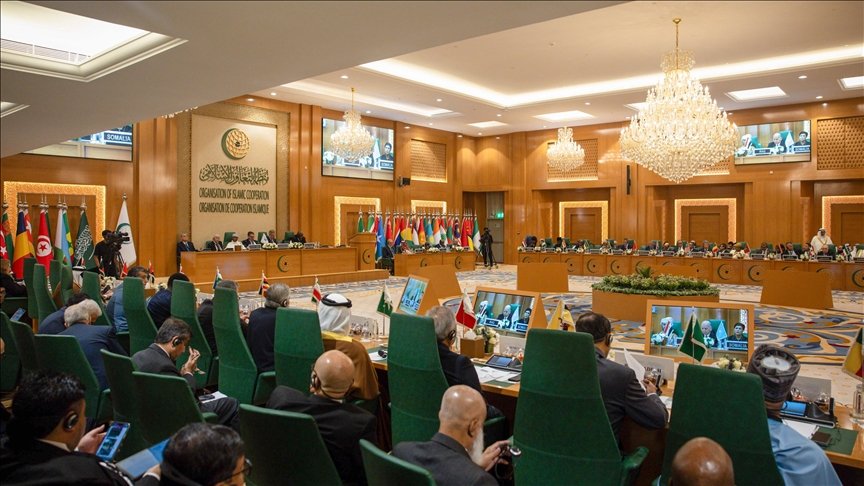
Ishaq Dar spoke passionately about Pakistan’s foreign policy priorities during a reception hosted by Pakistan’s Mission at the United Nations. He shared that during Pakistan’s presidency of the UN Security Council, three key priorities have been chosen: peaceful resolution of conflicts, promoting multilateral cooperation, and strengthening collaboration between the United Nations and regional organizations like the Organization of Islamic Cooperation (OIC).

Pakistan’s Presidency at the UN Security Council

Pakistan’s current role as president of the UN Security Council marks a moment of honor and responsibility for the nation. Ishaq Dar highlighted that Pakistan’s foreign policy is based on principles of mutual respect, shared interests, and cooperative engagement, all firmly aligned with international law and the UN Charter. This approach is particularly crucial as the world faces numerous long-standing disputes, many of which are complicated by unilateral actions and breaches of international legal standards.

The Deputy Prime Minister pointed out that such disputes are present in nearly every region of the world, often driven by national interests that run counter to the spirit of cooperation and global order. He called for renewed efforts to resolve conflicts through dialogue and consensus-building, rather than confrontation or coercion.

Building a Shared Future Through Partnership

Pakistan Saudi Arabia cooperation: The renewed commitment between Pakistan and Saudi Arabia is part of a broader strategy to elevate regional stability and economic development. As the two nations work to transform their economic ties, they are setting new benchmarks for technical collaboration, investment, and diplomatic engagement. This partnership is not only expected to drive mutual growth but also to contribute to the peace and prosperity of the wider region.

The discussions and agreements reached during this period highlight the potential of Pakistan-Saudi cooperation to address key challenges, from food security to industrialization, while reinforcing a shared commitment to peace and international cooperation.

Pakistan AI policy Nears Approval: Shaza Fatima Khawaja Outlines Ambitious Digital Vision

AI Policy Set for Rollout After Year-Long Consultations

Federal Minister for Information Technology and Telecommunication, Shaza Fatima Khawaja, has announced that Pakistan’s Artificial Intelligence (AI) policy—finalized after extensive consultations with local and international stakeholders—is likely to receive official approval soon. Speaking at a seminar at Quaid-i-Azam University, the minister emphasized the government’s unwavering commitment to not just creating the policy, but seeing it effectively implemented across the country.

She urged all relevant sectors and experts to become proactive participants in this journey. “Our main focus now is on putting the policy into action. We want everyone to join this journey and help bring the ideas to life,” she said, highlighting the importance of collective responsibility and engagement.

Six Core Areas of the AI Policy

Shaza Fatima urged experts and organizations to review the AI policy’s six central pillars: innovation, awareness, infrastructure, AI ethics and safety, sectoral changes, and global cooperation. She welcomed constructive feedback and suggestions for improvement, noting that the Ministry remains accessible through email and social media for stakeholder input.

According to the minister, these core areas were selected to ensure a holistic and future-proof policy. The inclusion of AI ethics and safety, for example, is intended to address concerns about responsible AI development and application, while sectoral changes are expected to drive transformation in critical industries such as healthcare, agriculture, and education.

Emphasizing Collaboration and Inclusivity

Shaza Fatima Khawaja stressed the need for national unity and teamwork to unlock the potential of AI and digital technologies. “If we work together, nothing can stop our progress. But for this, we must leave behind narrow thinking and work as a team,” she stated. The minister specifically highlighted the crucial role of women in technology, noting the strong attendance of female participants at the seminar. “Women’s inclusion is not optional—it’s necessary for growth. No country can succeed by leaving out half its population,” she noted.

The minister also called for the adoption of modern technology and the creation of homegrown solutions tailored to Pakistan’s unique challenges. She encouraged young people, educators, and industry leaders to participate actively, underscoring that the nation’s future growth is tied to its ability to innovate.

Youth Training and Digital Skill Development

Pakistan AI policy: A major highlight of the minister’s address was the progress in digital training for Pakistan’s youth. Shaza Fatima revealed that over 350,000 young Pakistanis have already been trained through collaborative efforts with the Pakistan Software Export Board (PSEB), Ignite, NAVTTC, HEC, and global tech firms such as Google, Huawei, and Microsoft.

She underscored the government’s goal to ensure every IT graduate either secures employment or launches their own business. Significant budget allocations—worth billions of rupees—have been made under the Public Sector Development Program and other funding avenues to boost digital and AI-sector employment opportunities.

Promoting National and International Partnerships

“Pakistan AI policy: We cannot achieve this alone—the ministry and related institutions must collaborate for real progress,” Shaza Fatima emphasized. She encouraged the establishment of Centers of Excellence and stronger inter-institutional cooperation to drive the digital agenda forward.

Pakistan’s digital ambitions were recently showcased on the world stage with the hosting of the country’s first-ever Digital Foreign Direct Investment (FDI) Forum, which saw participation from 45 countries. Organized with support from the Saudi Arabia-based Digital Cooperation Organization, the event resulted in the signing of MoUs worth $700 million—marking it as the largest digital investment gathering in the nation’s history.

The minister urged local companies and innovation hubs to actively seek international collaborations. “If you are ready to collaborate, the funding is available,” she assured, pointing to the government’s commitment to facilitating access to resources.

Supporting Startups and Launching the Pakistan Startup Fund

Pakistan AI policy: Special attention is being given to nurturing early-stage and growing startups, particularly those in the AI sector. Shaza Fatima announced the upcoming launch of the Pakistan Startup Fund, designed to become a major government-backed platform for innovation, research, and product development, with a special focus on AI-driven businesses. This fund aims to provide crucial support to startups, helping them bring products to market more quickly and positioning Pakistan as a competitive player in the global digital economy.

Shahzaib Rind Blasts Pakistani Politicians Over Broken Promises and Neglect

A Champion’s Frustration: Publicly Calling Out Political Leadership

Pakistan’s premier martial artist, Shahzaib “King Khan” Rind, has ignited a public debate after launching a fierce criticism of the country’s political leadership. In a series of heartfelt posts on X, the three-time Pakistan National Wushu Champion did not hold back, accusing top officials of dishonesty, neglect, and empty promises made in the wake of his international achievements.

Rind’s emotional outburst stems from what he describes as a pattern of grand announcements and pledges that never materialize into real support. After one of his landmark international victories, Prime Minister Shehbaz Sharif reportedly announced a reward of PKR 5 million in cash, plus PKR 80 million to assist with training and future competitions. According to Rind, these promises proved hollow, with nothing forthcoming even after repeated attempts to seek clarification from the authorities.

Unfulfilled Promises: The Plight of a National Hero

“Our politicians are corrupt. Last time I won, Prime Minister announced 5 million cash for me and 80 million to support my training camp and upcoming fights. It was all a lie. I never got a penny from them. They just take pictures, make fake promises, and forget. Shame,” Rind posted on social media, tagging the Inter-Services Public Relations (ISPR).

This candid message highlights a broader issue faced by many Pakistani athletes: public adulation without meaningful institutional backing. Rind revealed his ongoing struggle to secure the promised financial support, explaining, “I don’t know why I haven’t received what I was promised almost 1.5 years ago. I tried to contact the Prime Minister’s team. I haven’t received any response from them.”

A Story of Self-Made Success and Relentless Determination

Shahzaib Rind’s journey to the top of the martial arts world is marked by grit, perseverance, and the ability to overcome adversity. Hailing from Quetta and lacking access to state-of-the-art facilities or elite coaching, Rind often trained himself—learning techniques by watching YouTube videos and relying on self-discipline. Despite these obstacles, he compiled a remarkable record of 75 wins and just 4 losses across wushu and kickboxing, including more than 60 victories in wushu sanda.

His fighting talent is recognized not just nationally but globally. Rind has competed in the world’s leading combat sports promotions, including the ONE Championship and Karate Combat (KC). Currently, he holds the prestigious title of Lightweight World Champion in KC, cementing his position as one of Pakistan’s brightest sporting stars.

National Recognition vs. Behind-the-Scenes Neglect

The passionate appeal by Rind resonates with a wider reality faced by many athletes in Pakistan. While national heroes are celebrated in headlines, their actual living and training conditions often tell a different story. The lack of sustained support, both financial and institutional, remains a persistent challenge for many sports professionals.

For someone like Shahzaib Rind, whose rise was fueled by resilience and makeshift solutions, the absence of recognition and backing from official channels is a bitter pill to swallow. His struggle shines a spotlight on the gap between public praise and practical assistance, raising important questions about how Pakistan’s national athletes are treated once the cameras are turned off.

Fighting for Respect and Recognition at Home

As Rind continues to represent Pakistan on the global stage, his frustration points to a larger issue: the real battle for many athletes is not just fought in the ring, but for respect and dignity at home. The silence from officials and the unfulfilled promises add another layer of challenge—one that goes beyond the physical demands of sport.

Shahzaib Rind’s fight now stands as a symbol of the need for better support, recognition, and a fundamental shift in how sporting talent is valued in Pakistan. The hope is that his voice will not go unheard, and that future champions will not have to wage the same battle outside the arena.

China’s UBTech Unveils World’s First Humanoid Robot with Autonomous Battery Swapping

Pioneering Humanoid Robotics in Shenzhen

A Shenzhen-based robotics company, UBTech, has announced what it claims to be a breakthrough in humanoid robotics: the world’s first humanoid robot capable of independently running and swapping its own batteries without human help. This technological leap not only promises longer operational hours, but could also set a new benchmark for robotics automation worldwide.

Walker S2: Designed for Continuous Operation

UBTech’s flagship humanoid, the Walker S2, is at the heart of these claims. In a recent demonstration shared on social media, the Walker S2 is seen autonomously approaching a charging station, ejecting its used battery, placing it into a charging dock, and inserting a fully charged battery back into its system—all in under three minutes. Crucially, this entire process occurs without the robot needing to power down or pause its ongoing activities, making truly continuous operation possible.

The battery system is designed for ease of use, featuring a plug-and-play mechanism similar to a USB stick. This allows for seamless removal and insertion, further reducing downtime and increasing the robot’s efficiency. Additionally, Walker S2 is equipped with advanced power balancing technology, enabling it to monitor its own energy levels and trigger battery swaps as needed.

A Step Forward for Autonomous Workforces

The autonomous battery swapping capability is central to UBTech’s vision of non-stop, around-the-clock humanoid robot deployment. The company highlighted that the Walker S2 was specifically developed for 24/7 operations, reducing the reliance on human intervention for routine maintenance like battery charging. This opens up new possibilities for deploying robots in industries where continuous operation is critical, such as manufacturing, logistics, and healthcare.

UBTech is not new to innovation. It was the first humanoid robotics company to be listed on the Hong Kong stock exchange, reflecting its prominent role in the robotics sector. The company has also been actively collaborating with major electric vehicle manufacturers, including Nio and BYD, to pilot and refine their robots on real-world production lines. Such partnerships illustrate the rapid convergence between robotics and other high-tech industries in China.

Showcasing Multifunctional Capabilities

This isn’t the first time UBTech’s robots have turned heads. Earlier in 2024, its Walker S1 model participated in the LEAP 25 artificial intelligence event in Saudi Arabia, showcasing its ability to perform complex multitasking functions such as handling and sorting parcels. These capabilities underscore the versatility and adaptability of UBTech’s humanoid designs, reinforcing their potential utility across a broad range of sectors.

Robotics Hub of China: The Shenzhen Ecosystem

UBTech’s achievements also highlight the vibrant robotics ecosystem in Shenzhen, which is currently home to over 1,600 robotics companies. This concentration of technological expertise and innovation has made Shenzhen a powerhouse for robotics development, with firms actively promoting the adoption of automation in China’s vast industrial landscape.

China’s focus on robotics is yielding tangible results. According to the International Federation of Robotics’ 2024 report, China ranks third globally in the use of robots in manufacturing, just behind South Korea and Singapore. The country employs 470 robots for every 10,000 workers—outpacing traditional industrial leaders like Germany and Japan, which have 429 and 419 robots per 10,000 employees, respectively. This rapid integration of robotics is reshaping manufacturing norms, driving productivity, and setting global standards for automation.

Future Prospects and Industry Impact

While UBTech has yet to announce mass production plans for the Walker S2, the unveiling of autonomous battery swapping signals a significant step forward in the quest for practical, self-sustaining humanoid robots. The ability to operate around the clock with minimal human oversight could accelerate robotics adoption not only in factories but also in service industries, logistics centers, and beyond.

BISE Sahiwal Matric Toppers 2025 Announced: Full List of Position Holders

BISE Sahiwal Matric Results 2025 Officially Declared

The Board of Intermediate and Secondary Education (BISE) Sahiwal has formally announced the Matric Annual Examination Results 2025, recognizing the top-achieving students from the region.

Out of 71,789 students who appeared in the examination, 48,680 candidates successfully passed, registering a pass percentage of 67.81%.

This year’s results demonstrate consistent academic dedication across public and private institutions, with educators and students contributing equally to the success.

List of BISE Sahiwal Matric Position Holders 2025

The board has released the names of high achievers who earned top positions in the Matric exams:

PositionStudent NameMarks
1stMuhammad Faizan1185
2ndUmme Roman1187
3rdFaizan Fareed1189

These students have demonstrated remarkable academic excellence and have been acknowledged at both school and board levels.

How to Check Your BISE Sahiwal Result

Students can check their detailed results through:

  • Official Website: Visit www.bisesahiwal.edu.pk and enter your roll number.
  • SMS Service: Type your roll number and send it to the official code provided by the board to receive your result instantly.

The board encourages all candidates to verify their results using these official methods.

Related: Other Boards Also Announce Matric Toppers

Earlier, BISE Sargodha also released its list of top matric performers. Among the notable names, Marwa Sohail from Daar-e-Arqam Model Girls School topped with 1187 marks. Several students across both government and private institutions shared the third position, each scoring 1184 marks.

For more updates on matric results from across Pakistan, stay connected with Trending-Pakistan.com.

BISE Multan Announces Matric Results 2025: Here’s How to Check Online

BISE Multan Declares Matric Results 2025

The Board of Intermediate and Secondary Education (BISE) Multan has officially announced the Matric Examination Results 2025 on Thursday, marking a pivotal academic milestone for thousands of students.

This announcement not only concludes the secondary school journey for many but also plays a critical role in determining eligibility for intermediate education and future academic pathways.

Why the Matric Results Matter

Matriculation results serve as a crucial benchmark in the Pakistani education system, often shaping the career and study prospects of students. A strong performance can significantly enhance admission prospects in reputable colleges and open doors to various scholarships and competitive programs.

Trusted and Transparent Assessment by BISE Multan

BISE Multan is widely acknowledged for maintaining a transparent, fair, and reliable examination process. The board’s commitment to educational integrity continues to earn the trust of students, parents, and institutions across the region.

How to Check BISE Multan Matric Result 2025

Students can access their results through two official channels:

1. Online:
Visit the BISE Multan official website: https://web.bisemultan.edu.pk

2. Via SMS:
Type your Roll Number and send it to 800293 to receive your result via text message.

Students are advised to have their roll numbers ready and verify results only through official platforms to avoid misinformation.

Related Updates from Other Boards

Meanwhile, BISE Faisalabad is also scheduled to release its matric results today. Earlier this week, BISE Lahore announced its SSC results for 2025, with top-performing students being recognized at an official ceremony.

For the latest updates from boards across Punjab, stay tuned to Trending-Pakistan.com.

BISE DG Khan Matric Result 2025 Announced: Here’s How to Check Your Score

DG Khan Board Officially Announces Matric Results 2025

The Board of Intermediate and Secondary Education (BISE) DG Khan has officially released the Matric Examination Results 2025, marking a significant academic moment for thousands of students in the region.

These results signify the culmination of students’ secondary education and play a crucial role in shaping their academic futures, especially when applying for college admissions.

A Vital Milestone for Students’ Academic Journey

Matriculation results are more than just numbers—they reflect years of hard work, perseverance, and academic commitment. For many, strong performance in these exams lays the foundation for entry into competitive intermediate colleges and professional programs.

BISE DG Khan continues to uphold its reputation for fairness and transparency in the examination process. Its reliable systems have earned the confidence of students, educators, and parents across southern Punjab.

How to Check BISE DG Khan Matric Result 2025

Students can access their results through two convenient methods:

1. Online via Official Website
Visit the official DG Khan Board portal: https://www.bisedgkhan.edu.pk

2. SMS Service
Send your Roll Number via SMS to 800295 to receive the result directly on your mobile phone.

It is recommended that students keep their roll numbers readily available to avoid delays.

Related News: BISE Faisalabad Matric Result Also Declared

Earlier today, BISE Faisalabad also announced its Class 10 results for 2025. The results highlight strong academic performances and are available both online and via SMS.

For more matric updates from across Punjab, follow the latest on Trending-Pakistan.com.

BISE Sargodha Announces Matric Toppers for 2025: Here’s the Full List of Position Holders

Outstanding Students Recognized in BISE Sargodha Matric Result 2025

The Board of Intermediate and Secondary Education (BISE) Sargodha officially unveiled the Matriculation Examination Results 2025, highlighting exceptional student performances from both public and private schools.

In a press conference held at the BISE Sargodha Complex, Commissioner Sargodha Division and Board Chairman Jahanzaib Awan praised the academic achievements of the region’s top students.

Leading the Rankings: Marwa Sohail Secures First Place

Marwa Sohail, a student at Daar-e-Arqam Model Girls School, earned the top position with an impressive 1187 marks, placing her at the forefront of academic excellence in the division.

BISE Sargodha Matric Top Position Holders 2025

PositionStudent NameMarksSchool Name
1stMarwa Sohail1187Daar-e-Arqam Model Girls School
2ndMuhammad Siraj Khan1186Government High School Kammar Mushani
3rdMuhammad Asad Javed1184Government Model High School Bhakkar
3rdMuhammad Muneeb Arshad1184Government Model High School Bhakkar
3rdMuneeb-ur-Rehman1184Daar-e-Arqam Sillanwali
3rdAyesha Muskan1184Daar-e-Arqam Jhal Chakian

Public and Private Schools Both Shine

The list of position holders reveals a balanced representation from government and private institutions, showcasing the region’s dedication to educational excellence. Students from schools across Bhakkar, Sillanwali, and Chakian have made their mark with remarkable performances.

Recognition Ceremony Scheduled

To honor the hard work of these students, BISE Sargodha will host an official award ceremony on Thursday, July 24, 2025, at the board’s complex. Medals and certificates will be presented to the top achievers, recognizing their dedication and perseverance.

BISE Faisalabad Matric Result 2025 Announced: How to Check Online

BISE Faisalabad Releases Matric Results for 2025

The Board of Intermediate and Secondary Education (BISE) Faisalabad has officially announced the Matric (Class 10) results for 2025 today. Thousands of students across the region have been eagerly awaiting the release of these results, marking a pivotal moment in their educational journey.

Importance of the Matric Result

Matriculation marks the end of secondary education in Pakistan and plays a defining role in students’ future academic decisions. A strong performance in these exams can open doors to top colleges and scholarship opportunities.

For many students, the results symbolize the culmination of years of academic commitment and preparation.

BISE Faisalabad’s Trusted Reputation

BISE Faisalabad is widely respected for its transparent and merit-based examination system. It has consistently maintained high standards of integrity, earning the trust of students, parents, and educational institutions alike.

How to Check BISE Faisalabad Matric Result 2025

1. Online Through the Official Website:
Visit: http://iadmission.bisefsd.edu.pk/Default.aspx
Enter your Roll Number to view your detailed marks sheet.

2. Via SMS:
Type your Roll Number and send it to 800240.
You will receive your result instantly on your mobile device.

Important Reminder

Students are advised to keep their roll numbers handy for quick access to their results, whether checking online or via SMS. In case of any discrepancies or issues, candidates should promptly contact their respective schools or the board’s helpdesk.

Context from Other Boards

Earlier this week, BISE Lahore announced its matric results, with Haram Fatima securing the overall top position by scoring 1193 marks. The success stories from various boards continue to inspire students nationwide.

BISE Lahore Matric Results 2025 Announced: Full List of Top Position Holders

Lahore Board Declares SSC Exam Results for 2025

The Board of Intermediate and Secondary Education (BISE) Lahore has officially released the Secondary School Certificate (SSC) Annual Examination 2025 results. The announcement was made during a press conference chaired by Commissioner Lahore Division and Board Chairman Zaid bin Maqsood.

Top-performing students were recognized for their outstanding academic achievements in both overall and science group categories.

Top Matric Performer in Lahore: Haram Fatima Leads with 1193 Marks

Haram Fatima, holding Roll No. 115235, earned the top position overall, achieving a remarkable 1193 marks, setting a benchmark for academic excellence in this year’s board exams.

Second and Third Positions: Multiple High Scorers Recognized

The second position was shared by two outstanding students:

  • Noor-ul-Huda (Roll No. 119842)
  • Haji Abu Zar Tanveer (Roll No. 220365)
    Both students secured 1188 marks.

Muhammad Ali, with Roll No. 254976, followed closely by securing 1187 marks, claiming the third position overall.

Science Group (Boys) – High Achievers at a Glance

In the Science Group (Boys) category:

  • 1st Position: Haji Abu Zar Tanveer – 1188 marks
  • 2nd Position: Muhammad Ali – 1187 marks
  • 3rd Position (Shared):
    • Muhammad Zahib Siddique
    • Faiqan Raza
      Both scored 1186 marks.

A Proud Moment for Lahore’s Academic Community

The release of these results reflects not only the dedication of the students but also the efforts of educators and institutions that supported them. Lahore’s consistent academic performance in national exams continues to set a high standard.

BISE Lahore has congratulated all successful candidates and extended best wishes for their future academic journeys.

NADRA Launches Mobile Registration Service for Pakistanis in Saudi Arabia

Mobile NICOP Registration to Serve Pakistanis in Dammam

The National Database and Registration Authority (NADRA) has announced a special mobile registration campaign in Saudi Arabia, scheduled for July 25 and 26, 2025. This two-day service will be held in Dammam, operating from 9:00 AM to 3:00 PM on both Friday and Saturday, in collaboration with the Pakistan Embassy.

This outreach initiative is designed to provide convenient access to identity-related services for Pakistani expatriates living in the Kingdom, particularly those seeking to acquire or renew their National Identity Cards for Overseas Pakistanis (NICOP).

Registration Camp Location and Services

The mobile registration team will be stationed at Tamimi New Camp, Dhahran in the Eastern Province. Location and access details have been made available on NADRA’s official digital platforms for easy reference.

Services offered will include:

  • Issuance of new NICOPs
  • Renewal and updates to existing NICOPs
  • Biometric verification and document submission

A Community-Centric Move by NADRA

This is NADRA’s third major outreach effort in Saudi Arabia over the past year. It follows the establishment of a fixed registration desk at the Pakistan Embassy in Riyadh, introduced earlier in 2024.

Pakistani residents in the Kingdom have widely appreciated NADRA’s proactive approach, praising it as a convenient and timely service that reduces the need for costly travel back to Pakistan for basic documentation.

NADRA Launches Mobile Registration Service for Pakistanis in Saudi Arabia

Strengthening Access to Identity Services Abroad

By deploying mobile registration units, NADRA is reinforcing its commitment to serving the diaspora, making essential national services more accessible for overseas Pakistanis.

This initiative is particularly vital for workers and families in remote areas who often face challenges visiting embassy locations due to distance, time, or mobility constraints.

Recent NADRA Policy Updates for Families

In a related move, NADRA recently updated its policy for child registration, replacing the B-Form with the Child Registration Certificate (CRC) as the new mandatory document for children’s passport applications.

This update enhances data accuracy and reinforces each child’s individual legal identity within national records.

NDMA Issues Monsoon Warning Amid Rising Death Toll

The National Disaster Management Authority (NDMA) has sounded a nationwide alert over the risk posed by ongoing monsoon rains, with warnings in effect until July 25 for various regions across Pakistan. The NDMA cautioned about the threat of landslides, flash floods, and Glacial Lake Outburst Floods (GLOF) in the northern mountainous areas, as well as the possibility of riverine flooding in several provinces. The warning comes as the country continues to battle the devastating effects of heavy rain, which has already caused significant loss of life and property.

High-Risk Regions and River Flood Alerts

According to NDMA, heavy rains in the northern regions could trigger landslides and GLOF events, particularly in vulnerable areas such as Reshun, Brep, Booni, Sardar Gol, Thulo, Hunarchi, Darkut, and Ishkoman. The Karakoram Highway and Babusar Top have already faced blockages due to landslides, further complicating rescue and relief operations. Tourists have been strongly advised to avoid mountainous regions until the warning period ends.

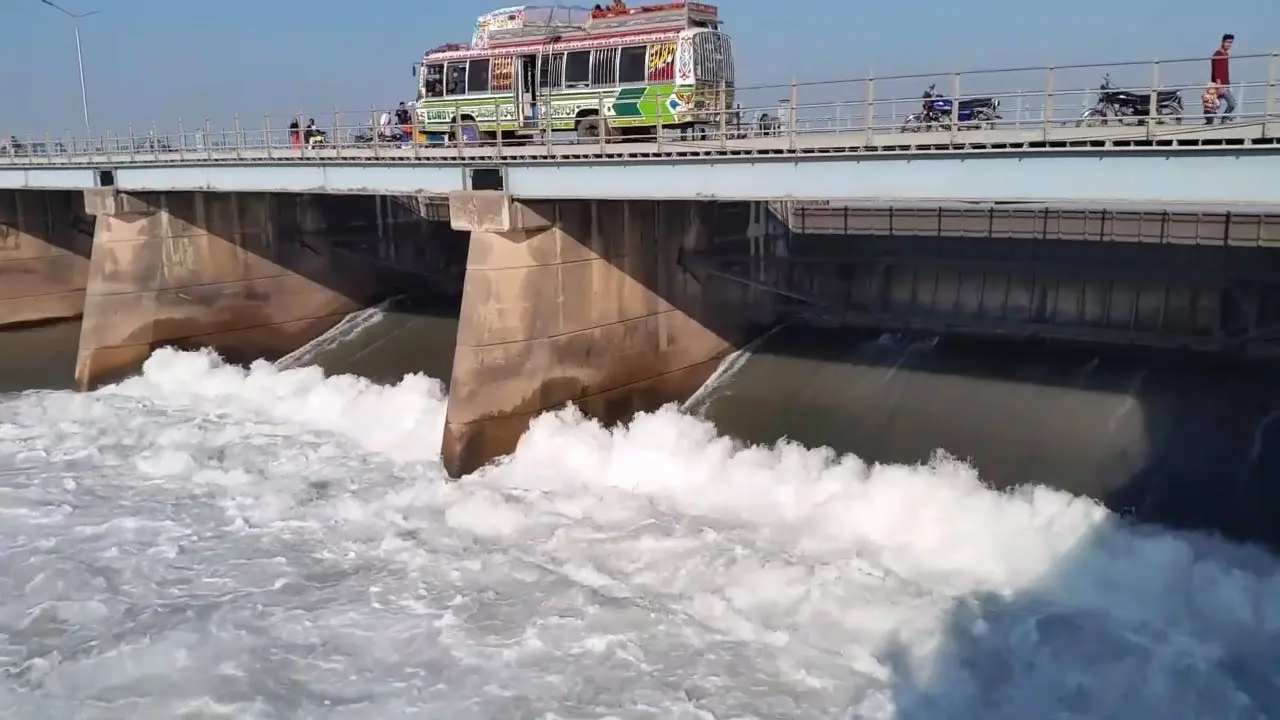
The NDMA has also highlighted the risk of increased water flow in major river systems, including the Indus, Chenab, Jhelum, and Kabul rivers. Flooding of low to moderate intensity is anticipated at Marala, Khanki, and Qadirabad on the Chenab, with additional swelling expected at Mangla on the Jhelum and Nowshera on the Kabul. Rising water levels are also a concern at key points along the Indus, such as Tarbela, Kalabagh, Chashma, Taunsa, and Guddu barrages. In Khyber Pakhtunkhwa, the Swat and Panjkora rivers are flagged for potential flooding, while in Gilgit-Baltistan, rivers like Hunza and Shigar, as well as smaller streams, are at risk.

Balochistan is bracing for potential flash floods in Zhob, Sherani, Sibi, and Musakhel, with meteorological forecasts predicting further rainfall in the coming days. The NDMA continues to monitor these developments closely, coordinating with provincial authorities and advising residents in flood-prone areas to remain vigilant.

Monsoon Casualties and Ongoing Rescue Efforts

The human cost of this year’s monsoon is mounting. As of the latest NDMA figures, at least 242 people have lost their lives nationwide since late June, with 11 new fatalities reported in Khyber Pakhtunkhwa (KP) and Gilgit-Baltistan (GB) alone on Tuesday. Flash floods in both regions have swept through communities, damaging homes, crops, irrigation systems, and infrastructure. Among the recent fatalities in KP, Swat reported six deaths—including four children—while Bajaur, Buner, and Upper Kohistan also saw lives lost.

In addition to the tragic deaths, hundreds have been injured, and nearly 830 houses have been destroyed. Livestock losses are also considerable, with over 200 animals perishing in the floods. Punjab remains the hardest-hit province, recording the highest number of fatalities.

Rescue operations have been intensive, with Prime Minister Shehbaz Sharif instructing the NDMA to work closely with provincial agencies to provide rapid relief. In a dramatic rescue, around 250 tourists stranded by landslides on Babusar Highway were saved by a coordinated effort involving local administration, police, volunteers, and army personnel. However, 10 to 15 individuals are still missing in the region, with search operations ongoing.

Flooding Across Punjab and Urban Challenges in Lahore

Punjab has seen extensive flooding in low-lying districts, with evacuation orders issued in cities like Muzaffargarh, Dera Ghazi Khan, and Rahim Yar Khan. Rising river levels have inundated over 20 villages in Jhang due to the swelling Jhelum River. Meanwhile, concerns remain over possible water discharges from Indian dams affecting the Beas and Sutlej rivers.

In Lahore, record-breaking rainfall has caused widespread urban flooding, submerging roads, highways, and residential neighborhoods. The highest rainfall was recorded in Tajpura at 110 mm, with multiple localities receiving well over 90 mm. This deluge has severely disrupted daily life, stranding vehicles and slowing emergency response efforts.

Karachi, Balochistan, and Further Weather Updates

Karachi witnessed cloud cover and sporadic drizzle, with the Pakistan Meteorological Department forecasting continued light rain and humid conditions. Temperatures hovered around 30°C, with humidity levels at 68 percent. In Balochistan, most regions experienced hot and humid weather, though rain is forecast for districts including Kohlu, Musakhel, Loralai, Zhob, Kalat, and Khuzdar, while coastal areas like Gwadar and Jiwani remained relatively cooler.

Vaping During Pregnancy: New Study Reveals Risks to Baby’s Skull Development

A groundbreaking study has brought to light new concerns for expectant mothers who use e-cigarettes. Researchers at Ohio State University College of Medicine have found that vaping during pregnancy—even when e-liquids contain no nicotine—can cause changes in the structural development of a baby’s skull in the womb. This research adds a new dimension to the ongoing debate about the safety of e-cigarettes, particularly among vulnerable populations such as pregnant women.

Propylene Glycol and Glycerol Under Scrutiny

E-cigarette liquids typically consist of two main components: propylene glycol and glycerol. While much of the conversation around vaping has focused on the dangers of nicotine, the Ohio State University study put these two ingredients under the microscope. Dr James Cray, lead researcher and professor, emphasized the surprising nature of the findings. “The e-cigarettes used in our study did not contain nicotine, yet we observed notable effects on skull development in the models,” he explained.

The researchers conducted their experiments on pregnant mice, dividing them into three groups. One group was exposed only to filtered air, while the other two groups were exposed to vaporized e-liquids with different ratios of propylene glycol to glycerol—50:50 and 30:70. The exposure regimen mimicked regular vaping, with mice inhaling one puff per minute, four hours a day, five days a week, over a 20-day gestation period.

The results were telling: offspring exposed to the 30:70 concentration mixture had significantly smaller skull measurements compared to those in the other groups. This finding pointed to potential craniofacial developmental disruptions, raising red flags about the safety of vaping during pregnancy even when nicotine is absent.

Challenging the Perception of “Nicotine-Free” Safety

One of the major implications of the study is its challenge to the widely held belief that nicotine-free vaping is a harmless alternative for pregnant women. Dr Cray observed, “There is a general perception that nicotine-free vaping is harmless, but our data suggest otherwise.” This perception has contributed to the rising popularity of e-cigarettes as a “safer” option, but mounting evidence suggests that the risks may be underestimated.

Health experts have long warned of the dangers of introducing any foreign substances into the body during pregnancy. While traditional tobacco smoking has well-documented risks, the long-term effects of vaping—especially nicotine-free vaping—have not been as thoroughly explored. The Ohio State University findings serve as a wake-up call for both the public and policymakers, indicating that more research and regulation may be needed.

Public Health Warnings and the Need for Caution

With e-cigarette use increasing worldwide, and many users regarding vaping as a less dangerous alternative to smoking, public health authorities are urging a more cautious approach. The new study underscores that even the basic ingredients in vape liquids—propylene glycol and glycerol—can impact fetal development.

“Pregnancy is a delicate period, and any exposure to foreign substances—nicotine or otherwise—should be approached with extreme caution,” Dr Cray warned. This sentiment is echoed by public health officials who highlight the lack of comprehensive research on the potential long-term effects of vaping during pregnancy.

While the recent research was conducted on animal models, the results are significant enough to warrant attention from the medical community and the general public alike. The findings are likely to fuel further debate on the regulation and marketing of e-cigarettes, especially those labeled as “nicotine-free” or “safe.”

Expectant mothers are being urged to avoid not only traditional tobacco products but also e-cigarettes, regardless of nicotine content, until more is known about the effects on prenatal development. Researchers emphasize the need for further studies to determine whether these findings translate to humans, but the current evidence suggests that caution is warranted.

Trump Claims Credit for Stopping India-Pakistan War

United States President Donald Trump has once again reignited debate over his role in ensuring peace between India and Pakistan, claiming that his intervention averted a major conflict between the two nuclear-armed nations. At a recent political event, Trump asserted, “They shot down five planes in the last attack. It was back and forth, back and forth. I called them and I said no more trade if you do this. They are both powerful nuclear nations. Who knows where that would have ended up — and I stopped it.” His remarks have once again brought to light the fragile relations between India and Pakistan and the high-stakes diplomacy often required to prevent escalation.

Trump’s Previous Comments on India-Pakistan Tensions

This is not the first instance of Trump taking credit for halting a potential conflict in South Asia. In May, while speaking at a dinner with Republican lawmakers, he referenced a dramatic episode involving the downing of aircraft after a militant attack in Indian Illegally Occupied Jammu and Kashmir (IIOJK). According to Trump, “Planes were being shot out of the air. Five, five, four or five, but I think five jets were shot down actually.” He did not clarify which side suffered the losses but highlighted the grave risks involved.

Trump has reiterated at multiple forums that his threats to suspend trade with both India and Pakistan played a significant role in forcing both sides to de-escalate. “Had we not stepped in, this could have escalated to a level that nobody wants to think about,” he claimed, suggesting that direct American intervention was pivotal in preventing a broader war.

Conflicting Reports of Aerial Losses

The period Trump refers to was marked by conflicting reports from Indian and Pakistani sources regarding military losses. Pakistani defense officials maintain that the Pakistan Air Force (PAF) shot down six Indian aircraft during the intense exchange. They claim the downed jets included three Rafale fighters, one MiG-29, one Sukhoi Su-30, and an Israeli-made Heron surveillance drone. According to Pakistani officials, all aircraft were intercepted before they could enter Pakistani airspace, and Pakistan suffered no aerial losses.

Of particular note was the inclusion of the Rafale jet, a centerpiece in India’s recent defense procurement from France. The loss, if confirmed, would be a major blow for India, not only in military terms but also in terms of international defense credibility. Reports suggested that following the incident, shares of Dassault Aviation, Rafale’s manufacturer, dipped by 6% due to market anxieties over the jet’s performance.

India, however, has denied losing any Rafale or MiG-29 aircraft. Indian officials acknowledged “initial setbacks” on the first day of combat but have not provided details about lost assets. Instead, New Delhi claimed that its air force downed “a few” Pakistani jets, a claim Pakistan has repeatedly denied.

Disputed Diplomatic Narratives

Trump’s proclaimed intervention is not without controversy. While he suggests that his threat to cut off trade directly led to a ceasefire, India has consistently rejected any external mediation or involvement in its disputes with Pakistan. New Delhi maintains that issues with Islamabad must be resolved bilaterally, sticking to its long-standing diplomatic position. Trump did not clarify whether he spoke directly to Indian or Pakistani leaders in his recent statement, leaving the specifics of the alleged intervention ambiguous.

The Trigger: Attack in IIOJK

The immediate cause of the military escalation was an April attack in Indian Illegally Occupied Jammu and Kashmir that left 26 Indian paramilitary personnel and civilians dead. India alleged that Pakistan-based militant outfits were behind the assault. Islamabad, in turn, denied any involvement and called for a neutral international investigation.

In response, India launched air strikes on what it described as militant camps inside Pakistani territory on May 7. This led to a sharp Pakistani reaction, including aerial and ground operations, artillery exchanges along the Line of Control, and drone interceptions. The sequence of events marked one of the tensest confrontations between the two countries since the 2019 Pulwama-Balakot episode, underscoring the ever-present risk of escalation in the region.

Sannia Ashfaq’s Cryptic Post Sparks Separation Rumours with Imad Wasim

The personal life of former Pakistan all-rounder Imad Wasim has come under the spotlight following a cryptic social media post by his wife, Sannia Ashfaq. Sannia’s recent message on Instagram has intensified speculation regarding a possible separation between the couple, with fans and social media users closely analyzing every new development.

Sannia’s Social Media Silence and Subtle Signals

Sannia Ashfaq’s latest Instagram story has grabbed the attention of the public and the media alike. In her post, she stated, “Silence should not be considered as consent or lack of evidence. I am just choosing the right time after thinking carefully.” This statement, though not explicitly detailing the situation, has been widely interpreted as a sign of unresolved issues within her marriage to Imad Wasim.

The timing of this post is crucial, as it comes amid swirling rumors about Imad Wasim’s alleged association with social media influencer Naila Raja. The gossip gained momentum following a viral video that showed Imad walking alongside a woman in London, which social media users quickly linked to Naila. Sannia’s pointed remarks about silence and evidence seemed to resonate with those following the story, further fueling talk of a potential rift.

Earlier this month, Sannia also shared an emotional post following the birth of her son, Zayan. Notably, the message made no reference to Imad Wasim, focusing solely on her journey as a mother. “I carried you alone in my womb for 9 months. May Allah give me more strength for the journey ahead,” she wrote. The exclusion of Imad’s name in such a significant post did not go unnoticed by followers, who interpreted it as another sign that all was not well between the couple.

Social Media Activity Raises More Questions

Social media scrutiny has intensified as users pore over Sannia Ashfaq’s Instagram account for further clues. It has been observed that Sannia has deleted all pictures featuring Imad Wasim and even changed her bio. Previously, her profile identified her as “Imad Wasim’s wife,” but now it simply reads “Anaya Imad and Rayan Imad’s mother.” This update, combined with the removal of shared photographs, led fans to believe that the couple may have separated.

In contrast, Imad Wasim’s Instagram page still displays several photos with Sannia, and both continue to follow each other. This discrepancy between their public social media personas has added to the confusion, with many speculating about the real status of their relationship. Despite mounting rumors, neither Imad nor Sannia has issued an official statement clarifying the situation.

Naila Raja’s Response to the Controversy

Caught in the eye of the storm is Naila Raja, the influencer whose alleged involvement with Imad Wasim has been widely discussed online. Naila was compelled to address the situation after receiving a barrage of negative attention following the circulation of a video that some claimed linked her to Imad. Last week, she released a public statement in which she strongly denied the allegations, insisting that the viral video was taken out of context.

Naila condemned the wave of online abuse directed at her and her family, emphasizing her integrity and the challenges of being a woman in the public eye. “I am also a woman,” she wrote, “and I have built my life with dignity, hard work, and self-restraint. Please stop making baseless assumptions.” She also drew attention to the societal double standards she faced, questioning why women are often subject to harsher scrutiny and judgment on matters of honour and morality.

As social media discussions continue, the situation remains unresolved, leaving fans and observers waiting for any official word from Imad Wasim or Sannia Ashfaq regarding the future of their marriage.

UFC 320: Two Title Fights Set for Las Vegas Showdown

UFC 320 has been officially announced, promising fight fans one of the most anticipated cards of the year. Scheduled for October 4 at the T-Mobile Arena in Las Vegas, the event features two major title fights at the top of the bill. The main event will see a high-stakes rematch between Magomed Ankalaev and Alex Pereira for the light heavyweight championship. The co-main event features Merab Dvalishvili defending his bantamweight belt against the surging Cory Sandhagen. With additional high-profile bouts on the card, UFC 320 is positioned to be a defining event for the promotion in 2024.

Ankalaev vs Pereira: A Rivalry Renewed

The main event brings together Magomed Ankalaev and Alex Pereira for their highly anticipated rematch. Earlier this year, Ankalaev ended Pereira’s thrilling title reign, which had seen the Brazilian striker notch four knockouts in under a year. Ankalaev’s victory marked his first championship win and extended his impressive unbeaten streak, cementing his reputation as a dominant force in the light heavyweight division.

The rematch narrative is fueled by questions surrounding both fighters. Can Alex Pereira, known for his knockout power and relentless pressure, reclaim his title and avenge his previous loss? Or will Ankalaev continue his dominant run, further asserting his place atop the division? Fans and analysts alike are eagerly awaiting answers, as this fight promises fireworks and could determine the next era in the light heavyweight landscape.

Bantamweight Battle: Dvalishvili vs Sandhagen

The co-main event offers an equally compelling matchup, as Merab Dvalishvili puts his bantamweight title on the line against Cory Sandhagen. Dvalishvili has made a name for himself with relentless pace and outstanding grappling, most recently scoring a submission victory over Sean O’Malley. His work rate and pressure have made him a difficult puzzle for all rivals.

Cory Sandhagen, coming off a statement TKO win against former flyweight champion Deiveson Figueiredo, now gets his long-awaited shot at the belt. Known for his creative striking and octagon intelligence, Sandhagen brings a unique challenge to Dvalishvili. The matchup poses a classic striker vs grappler scenario, adding intrigue to an already stacked card.

High Stakes in the Light Heavyweight Division

Beyond the two title fights, UFC 320 also features a critical light heavyweight showdown between former champion Jiri Prochazka and Khalil Rountree Jr. With the division in a state of flux, this bout is likely to determine the next challenger for the winner of Ankalaev vs Pereira. Prochazka, known for his wild fighting style and resilience, will be looking to reassert his championship credentials. Meanwhile, Khalil Rountree Jr has steadily climbed the ranks with explosive performances and is eager to stake his claim as a legitimate contender.

Buzz Surrounding UFC 320

With two title fights, a potential title eliminator, and a host of rising stars on the undercard, UFC 320 is being billed as one of the most exciting events of the year. The rematch between Ankalaev and Pereira is expected to headline a sold-out arena, while the bantamweight clash between Dvalishvili and Sandhagen promises to inject new excitement into the division. The addition of Prochazka vs Rountree Jr further solidifies the card’s reputation as must-watch for fight fans.

UFC Legends Weigh in on Upcoming Title Fights

As fight week approaches, other news from the UFC world has also captured attention. With the UFC 319 middleweight title fight between Khamzat Chimaev and Dricus du Plessis on the horizon, legendary former champions Khabib Nurmagomedov and Israel Adesanya have weighed in. Khabib has advised Chimaev to rely more on his striking, while Adesanya predicts a late finish for du Plessis, noting that Chimaev’s best chance lies in the early rounds. Their insights add even more intrigue to an already electric period in mixed martial arts.

PTI Protests Nationwide Set for 5th August

A fresh wave of political agitation is on the horizon as Pakistan braces for PTI protests nationwide on August 5. With frustration mounting among supporters over perceived political injustice, the party’s Secretary General Salman Akram Raja has positioned the protest as more than a political act, it’s being cast as a fight for Pakistan’s democratic integrity.

The rallying cry, echoed by senior PTI members during a press briefing in Lahore, comes amid a complex political environment that has seen over 100 elected representatives sidelined. Supporters believe these disqualifications were not only unlawful but strategically orchestrated to dismantle the party’s influence.

From Lahore to Karachi, social media users are already coalescing around the PTI protests nationwide call, sharing messages of unity, resistance, and justice. Hashtags, videos of detained workers, and messages from incarcerated founder Imran Khan have added emotional weight to the movement.

References, Resistance, and Rhetoric: What’s Driving the PTI Protests Nationwide?

At the centre of this movement is anger over the Punjab Assembly’s decision to forward disqualification references against 26 PTI lawmakers to the Election Commission. While the government defends the move as legal, PTI leaders describe it as a clear breach of constitutional norms.

Raja didn’t mince words when criticising what he called the misuse of Form-47 during elections, a process he claims robbed the people of their true mandate. He likened the post-election crackdown to an orchestrated attempt to erase political opposition.

The party’s criticism isn’t confined to electoral manipulation. PTI is also raising concerns over shrinking press freedom and the alleged weaponisation of laws like PECA and sedition clauses. “Political dissent is being criminalised,” Raja warned, urging the formation of an independent judicial commission to investigate the events of May 9.

While internal disagreements surfaced briefly during the press conference, when a journalist’s question sparked a walkout by MPA Farrukh Javed Moon, the overarching message from PTI was one of unity and resistance.

Despite the disruption, Raja reiterated PTI’s willingness to engage in dialogue and accountability. “We want the truth to prevail. If someone deserves punishment, let justice take its course. But let us not punish political dissent,” he said.

Raja concluded by affirming that PTI remains strong both inside and outside Parliament and dismissed ongoing efforts to sideline the party as futile. “The people are still with Imran Khan,” he said. “Whether it’s the 27th or 28th constitutional amendment, it won’t change the truth.”

Also, see:

Bill Passed for Ban on Social Media for Children Below 16 Across Pakistan

Bill Passed for Ban on Social Media for Children Below 16 Across Pakistan

In a bold move that’s drawing both applause and concern, Pakistan is pushing ahead with legislation that could significantly change the way young people access the internet. The newly proposed Social Media (Age Restriction for Users) Bill 2025 seeks to implement a ban on social media for children under 16, a measure that has triggered widespread debate around parenting, tech regulation, and teen autonomy.

The ban on social media for children would legally prevent anyone below the age of 16 from creating or using accounts on platforms such as Facebook, Instagram, TikTok, and X. Senators Sarmad Ali and Masroor Ahmed tabled the bill in the upper house on Monday, positioning it as a “digital shield” to protect minors from cyberbullying, exploitation, and age-inappropriate content. If passed, the law will not only set strict usage boundaries but also punish those who help minors circumvent them.

Tech companies on notice as Pakistan to implement ban on social media for children below 16

The bill assigns regulatory power to the Pakistan Telecommunication Authority (PTA), which will be tasked with wiping existing underage accounts and drafting enforcement guidelines. Social media companies could be fined up to Rs5 million if found allowing access to underage users, while individuals who assist minors could face jail time. The ban on social media for children isn’t just a symbolic gesture; it’s backed by real penalties and national enforcement muscle.

Much like recent efforts in Australia and New Zealand, where similar legislation passed in 2024 and early 2025, Pakistan’s bill reflects growing global urgency to address the mental health toll of unrestricted digital access. Senator Sarmad Ali emphasised that this isn’t about censorship, it’s about reclaiming safe spaces for children, both online and offline.

If passed, this law could reshape conversations around digital parenting in South Asia and potentially pave the way for stricter online age verification tools. Advocates argue the bill supports children’s mental wellbeing in a hyper-connected world, while critics warn of overreach and the possibility of pushing young users to unregulated platforms.

Also, see:

ISPR Summer Internship Program 2025 Engages Youth Nationwide