








United Auto Industries Launches Affordable US 150cc Motorcycle in Pakistan

United Expands Lineup with US 150cc Motorcycle

United Auto Industries, Pakistan’s second-largest motorcycle assembler, has launched its latest model, the United US 150cc, priced at Rs. 299,000. This release marks the company’s expansion into the mid-range motorcycle segment, traditionally dominated by competitors such as Road Prince and Ravi Piaggio.

The new model offers an affordable alternative for riders who want more performance than a 125cc bike without stepping into the premium category.

Engine and Performance

Powered by a 4-stroke, air-cooled engine, the US 150cc is designed for daily commuting as well as moderate highway use. While official horsepower and torque figures have not been disclosed, motorcycles in this category generally provide stronger throttle response and better load-handling capacity compared to standard commuter bikes.

Key Features and Design Elements

The United US 150cc comes equipped with:

  • Front disc brake for enhanced stopping power
  • Alloy wheels for strength and style
  • Sporty headlamp and aerodynamic bodywork
  • Telescopic front forks for effective shock absorption
  • Rear dual shock suspension for stability on uneven terrain

These features aim to deliver a blend of safety, durability, and a sportier riding experience.

Competitive Pricing and Market Position

At its launch price, the US 150cc competes not only with similar offerings from local manufacturers but also with select used models of higher-end bikes like the Honda CB150F and Yamaha YBR 125G. This pricing strategy positions United to attract budget-conscious riders looking for an upgrade from 125cc motorcycles.

Strengthening United’s Market Presence

United has built its reputation on providing affordable and reliable transportation solutions. By introducing the US 150cc, the company is signaling its intent to enter the entry-level performance segment—a space that has yet to see widespread development in Pakistan.

Applications Open for Scotland-Pakistan Scholarships for Young Women and Girls 2025

Fully Funded Scholarship Program Announced

The British Council, in partnership with the Scottish Government, has opened applications for the Scotland-Pakistan Scholarships for Young Women and Girls 2025. This prestigious program provides young women in Pakistan with an opportunity to pursue undergraduate or postgraduate degrees at recognized universities across the country.

Supporting Women’s Education and Equality

The scholarship aims to empower talented women—particularly those from underrepresented communities—by removing financial barriers to education. It covers tuition fees and offers financial assistance for study-related expenses, making higher education more accessible.

Special consideration is given to minority communities and persons with disabilities, ensuring inclusivity in the selection process.

Program Goals and Impact

According to the British Council, this initiative is part of ongoing efforts to promote gender equality in education. By supporting women in their academic journeys, the program seeks to enable them to contribute meaningfully to community development and national progress.

How to Apply

Interested candidates must submit their applications by August 31, 2025 through the official application link: http://bit.ly/4lVP6sR. Applicants are encouraged to review the eligibility criteria and required documentation before applying.

A Step Toward Inclusive Education in Pakistan

The Scotland-Pakistan Scholarships represent more than just financial aid—they are an investment in the future leadership and socio-economic growth of Pakistan. By opening doors to education, the program is creating opportunities for young women to thrive academically and professionally.

Changan Alsvin Receives Limited-Time Price Cut for Independence Day 2025

Changan Pakistan Announces Major Price Reduction on Alsvin

Changan Pakistan has unveiled a significant price drop for its popular Alsvin sedan in celebration of Independence Day 2025. Customers can now enjoy a discount of up to Rs. 275,000 on all variants of the model.

This promotional offer is available through Changan’s nationwide dealer network and will remain valid until August 31, 2025. The new starting price for the Alsvin is Rs. 4,039,000, making it a more competitive option in the sedan segment.

Available Variants Under the Offer

The price reduction covers all three trims of the Alsvin:

  • 1.3L Manual Comfort
  • 1.5L DCT Comfort
  • 1.5L DCT Lumiere

While each variant comes with essential safety and comfort features, the Lumiere stands out with additional technology upgrades and convenience options.

Key Specifications and Features

  • Engine Options: 1.3L and 1.5L petrol engines
  • Transmission: 5-speed manual or 5-speed dual-clutch automatic
  • Fuel Economy: Estimated 13–15 km/l depending on variant and driving style
  • Interior: Fabric seats, 7-inch touchscreen infotainment, rearview camera, power windows, steering-mounted controls
  • Safety: Dual front airbags, ABS with EBD, and rear parking sensors

Strategic Move in a Challenging Market

The Independence Day offer is part of Changan’s strategy to stimulate sales during a festive period that traditionally sees heightened activity in Pakistan’s automotive sector. The brand is aiming to attract budget-conscious buyers amid inflationary pressures and increasing vehicle financing costs.

With this price adjustment, Changan is positioning the Alsvin as a more accessible choice for customers seeking a stylish sedan with strong features and competitive value.

Honda Atlas Launches Special Independence Day Service Discounts Across Pakistan

Honda Atlas Unveils Independence Day Discount Campaign

Honda Atlas Cars Pakistan has announced a limited-time service promotion in celebration of Pakistan’s Independence Day. The offer will be available nationwide from August 11 to August 13, 2025, giving Honda owners the opportunity to maintain their vehicles at reduced costs.

Special Discounts on Genuine Parts and Services

The promotion covers essential periodic maintenance services, including:

  • 14% off on Honda Genuine Engine Oil
  • 14% off on Oil Filter and Drain Washer
  • 14% off on labor charges for scheduled maintenance and oil changes

These discounts aim to make vehicle care more affordable while ensuring customers use genuine Honda-approved products.

Partnership with Idemitsu for Quality Assurance

The campaign is being launched in collaboration with Idemitsu, Honda’s trusted engine oil partner. This ensures that customers receive high-quality products that meet the manufacturer’s standards, ultimately helping maintain engine performance and extending vehicle lifespan.

Nationwide Availability at Authorized 3S Dealerships

The Independence Day offer will be available only at authorized Honda 3S dealerships across Pakistan. Customers are advised to confirm participation with their nearest service center and book appointments early to avoid delays during the three-day promotion.

Eligibility and Duration

  • Dates: August 11–13, 2025
  • Eligibility: All Honda vehicle owners in Pakistan
  • Locations: Participating authorized Honda 3S dealerships nationwide

Honda’s Independence Day discount is designed to combine cost savings with trusted service, ensuring customers can celebrate the occasion while keeping their vehicles in top condition.

Punjab Announces Key Changes to Grade 8 Board Exams for 2026

Punjab Unveils New Policy for Grade 8 Board Examinations

The Punjab School Education Department has introduced significant changes to the Grade 8 board examinations, set to take effect from the next academic year. The move aims to improve the quality of assessments and align them with the province’s education goals.

Mandatory for Government Schools, Optional for Private Institutions

Under the new plan, Grade 8 board exams will be mandatory only for government schools. Private schools, however, will have the option to participate. The examinations will be conducted under the supervision of the Punjab Education, Curriculum, Training and Assessment Authority (PECTAA), ensuring standardization and transparency.

Detailed Examination Plan to be Released Soon

Officials have confirmed that the complete framework will be shared within the next 20 days. This will include the list of subjects, marks distribution, and a secure mechanism for delivering question papers to examination centers. The exams are expected to take place in February or March 2026.

Incentives for Strong Academic Performance

In addition to restructuring the exam system, the Punjab government plans to introduce a performance-based incentive program. Schools that achieve strong results could receive official rewards, while those consistently underperforming may face administrative action. This approach is aimed at encouraging academic excellence and accountability across institutions.

A Step Towards Quality Education

Education experts view this as a step towards raising learning standards, particularly in public schools. With the involvement of PECTAA and a structured reward mechanism, the province hopes to ensure fair evaluation and improved student outcomes.

Today’s trending searches in Pakistan (Aug 8, 2025)

Today’s mood in Pakistan is a combination of big tech, matches, and money. Here is a concise, human-first summary of what everyone is looking for—and why it matters—from gold rate checks to “privatisation” debates, from football and The Hundred to interest in AI and beta software.

Quick snapshot: What’s trending and why it matters

TopicWhat people wantWhy it matters
PrivatizationPolicy updates, impact on jobs/pricesAffects public services, market confidence, and household budgets
“Blue video”Viral clip context, authenticityOnline safety and privacy are at stake; avoid harmful content
Apple iOS 26 public betaHow to try, supported devicesEarly access excitement; always back up and use official sources
Qatar UniversityAdmissions, scholarships, programsGulf education and career pathways for Pakistanis
Gemini guided learningAI study tools, sign-upPersonalized learning is accelerating; vet privacy and accuracy
Aston Villa vs RomaLineups, live score, highlightsEuropean football buzz in weekend windows
Northern Superchargers vs Welsh FireToss, squads, live streamThe Hundred’s pace suits after-work viewing
Birmingham AirportFlight status, delays, parkingUK travel hub for Pakistan diaspora; plan buffers
Battlefield 6 open beta early accessDates, platforms, PC specsShooter fans prepping rigs and squads
Gold ratesPer tola/gram prices in PKRSavings, dowry, and hedge against inflation

Deep dive into each trend

Privatization in focus

Privatization spikes when there’s chatter about state-owned assets and reforms. People want to know: Will services improve? What about prices and jobs? Keep an eye on official announcements, budget briefings, and regulator notes. Read beyond headlines, and look for sector-specific impacts—especially energy, aviation, and banking.

  • Tip: Track both short-term changes (tariffs, service revisions) and longer arcs (competition, investment flows).

“Blue video” searches—practice caution

This vague term often pops up around viral or sensational clips. These can be misleading, harmful, or illegal to share. Protect yourself: don’t click unknown links, don’t forward private content, and report harmful material. Your digital footprint matters.

  • Tip: Verify sources. If it preys on curiosity or shock, it’s likely not worth your attention.

Apple iOS 26 public beta buzz

Betas are exciting but risky. Expect bugs, battery drain, and app incompatibilities. If you’re curious, only download from official Apple channels, check device compatibility, and back up your iPhone before installing.

  • Tip: Consider installing on a secondary device to keep your daily driver stable.

Qatar University—admissions and scholarships

Pakistani students are exploring programs in engineering, business, and health sciences. Focus on deadlines, English proficiency requirements, scholarship criteria, and housing options. Talk to current students or alumni communities for real-world insights.

  • Tip: Prepare a clean, concise statement of purpose and align it to specific labs, faculty, or program outcomes.

Gemini guided learning gains traction

AI-assisted study tools promise personalized tutoring, quizzes, and structured learning paths. They’re great for rapid feedback and revision. But always cross-check facts, protect your data, and combine AI help with trusted textbooks and mentors.

  • Tip: Use AI to draft study plans and practice questions; rely on verified sources for core concepts.

Aston Villa vs Roma—matchday checks

Fans are looking for predicted lineups, live scores, and key moments. Watch midfield battles, set-piece threats, and late-game substitutions. Save highlight reels if you miss the game live.

  • Tip: Turn on notifications for lineups and goals to avoid constant refreshing.

Northern Superchargers vs Welsh Fire—The Hundred heat

Fast, format-driven cricket is perfect for evening downtime. Track toss impact (chasing often matters), powerplay momentum, and death-over hitters. Local conditions can flip the script quickly.

  • Tip: Keep a quick stat card handy—strike rates in the middle overs can decide the match.

Birmingham Airport—check before you go

Search interest usually spikes around delays, security wait times, and parking. If you’re traveling from Pakistan or transiting, monitor your airline app and the airport’s live updates. Build buffer time for security and immigration.

  • Tip: Pre-book parking or transfers; re-check terminal info on the morning of your flight.

Battlefield 6 open beta early access

Gamers are scanning for dates, eligibility, and platform support. Expect pre-load windows, recommended specs, and time-limited access. Squad up early and test key settings (FOV, sensitivity) before matches.

  • Tip: Update GPU drivers and close background apps to avoid stutters during stress tests.

Gold rates—daily must-check

People track per tola and per gram prices to time purchases or protect savings. Compare multiple trusted dealers, factor in making charges, and confirm rates near market close for accuracy.

  • Tip: Keep a simple sheet tracking your preferred karat and city to spot patterns.

PMDC Hikes MDCAT Registration Fees: Rising Costs for Aspiring Medical Students

Sharp Increase in MDCAT Fees Over Two Years

The Pakistan Medical and Dental Council (PMDC) has announced a significant 80% hike in the registration fee for the Medical and Dental College Admission Test (MDCAT) over the last two years. This steep increase has sparked concern among aspiring medical and dental students and their families, who now face an additional financial burden at the critical gateway to medical education.

In 2023, the MDCAT registration fee was set at Rs5,000. This figure saw a jump to Rs7,000 in 2024, and in 2025, the fee has been raised to Rs9,000. The consistent rise means that for many families, the cost of pursuing a career in medicine is becoming increasingly challenging. According to PMDC estimates, with 32,977 candidates appearing for the test in 2024, the council is projected to generate almost Rs2.96 billion in revenue from the exam in 2025.

Test Date and Simultaneous International Administration

For the year 2025, the MDCAT will be held on Sunday, October 5, simultaneously in Pakistan and Saudi Arabia. The move to conduct the test internationally reflects the growing number of overseas Pakistani students seeking admission to medical and dental colleges back home.

Universities Responsible for Conducting MDCAT

The administration of the MDCAT has been distributed among five reputable universities to ensure smooth conduct and standardized procedures across provinces and territories:

  • Punjab: University of Health Sciences (UHS), Lahore
  • Sindh: Sukkur IBA University
  • Khyber Pakhtunkhwa: Khyber Medical University (KMU), Peshawar
  • Balochistan: Bolan Medical University, Quetta
  • Federal Capital, AJK, Gilgit-Baltistan & Overseas (Riyadh, Saudi Arabia): Shaheed Zulfikar Ali Bhutto Medical University (SZABMU), Islamabad

Each university is responsible for organizing, invigilating, and scoring the MDCAT in their respective regions and for ensuring transparency and uniformity.

Registration Schedule and Fee Structure

Registration for the MDCAT 2025 will open online from August 8 and will close on August 25. For those unable to register during the regular period, a late registration window is available until September 1, 2025. The fee structure is as follows:

  • Within Pakistan: Rs9,000 (regular), Rs13,000 (late registration)
  • International Centre (Riyadh): Rs45,000 (regular), Rs55,000 (late registration)

It is important to note that all fees are strictly non-refundable and non-transferable, which means candidates must ensure their availability and eligibility before submitting their applications.

Test Centres and Selection Guidelines

MDCAT will be conducted in major cities across Pakistan and in Riyadh for overseas candidates. Test centres include Islamabad, Lahore, Karachi, Peshawar, Quetta, Muzaffarabad, Mirpur, Rawalakot, Sukkur, Hyderabad, Multan, Faisalabad, Swat, Abbottabad, Gilgit, and Riyadh. Candidates must select their test centre according to their domicile; once chosen, the centre cannot be changed under any circumstances.

Exam Format and Difficulty Breakdown

The MDCAT will be administered in English and will comprise 180 multiple-choice questions (MCQs) spanning five areas: Biology, Chemistry, Physics, English, and Logical Reasoning. The exam does not enforce negative marking, which may relieve some pressure for candidates.

The distribution of questions by difficulty is as follows:

  • 15% easy
  • 70% moderate
  • 15% difficult

This format is intended to thoroughly assess the academic aptitude and reasoning skills of candidates, ensuring those who qualify are well-prepared for the rigors of medical education.

NADRA Updates Pak ID Mobile App with Advanced Features for Pakistani Citizens

Introduction: A Leap Forward in Digital Identity Services

The National Database and Registration Authority (NADRA) has rolled out a significant update to its Pak ID mobile app, aiming to revolutionize identity-related services for Pakistani citizens. The latest version, v3.8.1, introduces a suite of cutting-edge features tailored to make processes like obtaining national ID cards, passports, and other essential documents easier, faster, and more user-friendly. This digital upgrade reflects NADRA’s ongoing commitment to harnessing technology for more efficient and accessible public services.

Facial Biometric Verification: Next-Generation Security

One of the most notable advancements in the updated Pak ID mobile app is the introduction of facial biometric verification. This feature replaces the traditional fingerprint biometric system, utilizing advanced algorithms to recognize and authenticate users based on their facial characteristics. This move not only enhances security but also offers greater convenience, as users can now verify their identity simply by using their smartphone camera. The switch to facial biometrics aligns with global trends in digital identification and provides a more robust safeguard against identity fraud.

Simplified Family Member Management

The updated Pak ID app has also removed the previous biometric requirement for viewing family member details. Users can now easily access and review information about their registered family members without having to provide additional biometric data. This adjustment streamlines the process and is particularly useful for those managing family records or handling applications on behalf of dependents, such as children or elderly relatives.

Effortless Online Appointment Booking

Another key addition to the app is the ability to book appointments at NADRA centers directly from a mobile device. This online appointment system helps citizens avoid long queues and unnecessary waiting times at registration offices. By allowing users to select their preferred dates and centers, NADRA ensures a smoother and more organized experience for people seeking in-person services.

Track Application Status Instantly

For many users, waiting for updates on document processing can be stressful. With the new tracking ID feature, applicants can now check the real-time status of their national ID card, passport, or other document applications directly within the app. This transparency keeps citizens informed at each step, reducing anxiety and uncertainty while waiting for official paperwork.

Streamlined User Interface for Seamless Navigation

User experience stands at the forefront of the updated Pak ID app. The new interface is more intuitive and responsive, designed so that people of varying technological literacy levels can navigate effortlessly. Whether submitting a fresh application, making corrections to existing documents, or accessing digital versions of IDs, the streamlined design ensures each process is straightforward and quick.

Greater Accessibility and Reduced Need for Physical Visits

A central objective of this upgrade is to minimize the need for citizens to make physical trips to NADRA registration centers. With the enhanced Pak ID mobile app, users can initiate new applications, make corrections to their data, and view digital versions of their identity documents all from the comfort of their homes. This digital transformation is particularly beneficial for individuals living in remote areas or those with mobility challenges, as it brings essential government services to their fingertips.

A Step Towards a Digital Pakistan

By integrating these advanced features into the Pak ID mobile app, NADRA is playing a pivotal role in driving the nation closer to its vision of a digital Pakistan. The improved app not only increases efficiency and convenience but also strengthens the security and integrity of identity management in the country. As more citizens embrace these digital solutions, the process of managing personal and official identity will continue to become more streamlined and accessible.

Pakistan vs West Indies ODI Series: Rizwan Aims to Sustain Winning Momentum

Pakistan Set to Face West Indies in Three-Match ODI Series

Excitement surrounds the cricketing world as Pakistan prepares to lock horns with the West Indies in a much-anticipated three-match ODI series. The series opener is slated for August 8 at the Brian Lara Cricket Academy in Tarouba, Trinidad. The second ODI will take place on August 10, and the final encounter is scheduled for August 12. This bilateral contest comes on the heels of Pakistan’s successful T20I series win against the West Indies, which has injected new confidence into the squad as they transition into the 50-over format.

Rizwan Confident of Maintaining Momentum

Pakistan’s captain, Mohammad Rizwan, has voiced optimism about carrying the winning momentum from the T20I series into the upcoming ODI battles. Speaking ahead of the first match, Rizwan highlighted the squad’s rigorous preparations, stating, “We practiced hard for two days for both day and day-and-night games. The victory in the T20I series has provided a winning momentum to the side. We will try to carry forward the momentum into the ODIs.”

Rizwan’s focus on momentum underscores the importance of confidence and rhythm in international cricket, especially as Pakistan looks to consolidate its position in limited-overs cricket.

Fresh Faces and New Balance in Pakistan’s Squad

A notable aspect of Pakistan’s ODI squad for the West Indies series is the blend of emerging talent and experienced campaigners. Rizwan welcomed the infusion of young players, citing their impressive performances in domestic and international outings. He specifically mentioned Sufiyan Muqeem, who has shown “very good rhythm,” and mystery spinner Abrar Ahmed, who could prove to be a “trump card” on spin-friendly pitches.

The inclusion of these young cricketers adds a new dimension to Pakistan’s strategy, offering unpredictability and freshness to the bowling attack. Rizwan’s acknowledgement of their potential demonstrates the captain’s commitment to nurturing the next generation while striving for immediate results.

Experienced Campaigners Still Crucial

While celebrating the promise of youth, Rizwan was quick to highlight the invaluable presence of senior players such as Shaheen Afridi, Naseem Shah, and Faheem Ashraf. Their experience and track record provide stability and guidance to the younger members of the squad. This balance between youth and experience is essential for competitive cricket, especially in overseas conditions.

Batting Lineup Faces a Test Without Fakhar Zaman

The batting department faces a challenge with the absence of Fakhar Zaman, who is sidelined due to injury. Rizwan acknowledged that Fakhar’s absence is a loss but framed it as an opportunity for other players to rise to the occasion. “It is also an opportunity for young talent to perform in his absence. Hassan Nawaz has been performing for some time and has won games for Pakistan,” the captain stated.

This approach reflects the team’s resilience and adaptability, with Rizwan placing his faith in emerging batsmen to fill the void and contribute to the team’s cause.

The Role of Young Talent in Pakistan’s ODI Ambitions

As Pakistan gets ready to face the West Indies, all eyes will be on the young guns who are expected to play pivotal roles in shaping the outcome of the series. Rizwan expressed hope that these rising stars will capitalize on their opportunities and help Pakistan secure another series victory away from home.

With the combination of a positive mindset, hard preparation, and the right mix of youthful exuberance and seasoned experience, Pakistan is poised to make a strong statement in the ODI series against the West Indies.

OpenAI Unveils ChatGPT-5: A Leap Forward in Artificial Intelligence

ChatGPT-5 Rolls Out Globally to 700 Million Weekly Users

OpenAI has launched ChatGPT-5, the much-anticipated next generation of its flagship AI chatbot, marking a significant milestone in the ongoing global technology race. The new model, announced in a media briefing, is now available free to all users, expanding its reach to nearly 700 million people worldwide who depend on the AI tool weekly.

A Major Step Toward General Intelligence

Sam Altman, the co-founder and chief executive of OpenAI, emphasized that ChatGPT-5 represents a clear leap in the quest for more sophisticated artificial intelligence. “It is a significant step toward models that are really capable,” Altman asserted. While the model stands out as “generally intelligent,” Altman clarified that it still falls short of artificial general intelligence (AGI) — the level of AI that can think and learn exactly as humans do.

Addressing the continuous learning capability often associated with AGI, Altman commented, “This is not a model that continuously learns as it is deployed from new things it finds. But the level of capability here is a huge improvement.”

PhD-Level Expertise and Agent Capabilities

Michelle Pokrass, a member of the ChatGPT-5 development team, highlighted that the new version excels when functioning as an “agent,” autonomously managing computer tasks. Altman added context with a relatable analogy: “GPT-3 felt to me like talking to a high school student—ask a question, maybe you get a right answer, maybe you’ll get something crazy. GPT-4 felt like you’re talking to a college student; GPT-5 is the first time that it really feels like talking to a PhD-level expert in any topic.”

Vibe-Coding: Defining Feature of the ChatGPT-5 Era

One of the groundbreaking features of ChatGPT-5 is its enhanced ability to generate software programs on demand, a capability dubbed “vibe-coding.” Altman described this as a defining aspect of the new AI era, demonstrating the bot’s capacity by having it create an app for learning the French language within moments.

In the competitive AI landscape, where tech giants like Google and Microsoft are investing heavily, ChatGPT-5 is designed to lead in several domains, including coding, content creation, and even healthcare applications. According to Altman, “orders of magnitude more gains” are expected as OpenAI continues investing in computational power and research.

Enhanced Safety, Trust, and Ethical Guardrails

OpenAI has prioritized safety and reliability in ChatGPT-5. Alex Beutel, a safety research lead at the company, explained that the new model was rigorously trained to provide honest, safe responses and avoid aiding in any harmful activities. “We built evaluations to measure the prevalence of deception and trained the model to be honest,” Beutel stated. ChatGPT-5 thus generates “safe completions,” focusing on high-level information that cannot be misused.

Strategic Partnerships and Open-Source Initiatives

OpenAI’s rapid technological advances are complemented by strategic partnerships. The release of ChatGPT-5 closely follows an announcement that the US government will gain access to a version of ChatGPT Enterprise for federal workers in the executive branch at a nominal cost for one year. This collaboration, run in partnership with the US General Services Administration, underscores OpenAI’s growing influence in both public and private sectors.

In a move to foster transparency and innovation, OpenAI also introduced two new open-weight language models—gpt-oss-120b and gpt-oss-20b. These models are available for free download and can be modified by users, positioning OpenAI in direct competition with similar offerings from the US and China.

Federal Government Considers Relief for Low-Income Electricity Consumers in Pakistan

Major Tariff Structure Reforms on the Table

The federal government of Pakistan is reportedly contemplating significant changes to the electricity tariff structure, a move that could provide substantial relief to millions of low-income households. According to insider sources, the government has realized that the current billing system unfairly penalizes consumers who slightly exceed the 200-unit monthly usage threshold, pushing them into a much more expensive ‘non-protected’ category for an extended period.

Current Slab System: A Burden for Vulnerable Households

Under the existing tariff system, any electricity consumer who uses even one unit above the 200-unit monthly mark is automatically classified as non-protected. This classification results in those consumers paying a considerably higher rate for the next six months, even if their subsequent usage drops below 200 units. Reports indicate that a consumer using just 201 units can end up paying up to Rs. 5,000 extra over six months, a cost burden that disproportionately impacts low-income families.

Federal Cabinet Raises Concerns

This pressing issue was strongly highlighted in a recent federal cabinet meeting, where several ministers argued that the policy is excessively harsh and unjust for the majority of Pakistan’s vulnerable citizens. As cabinet members pointed out, “A person using 201 units pays almost Rs. 5,000 extra over six months, that’s harsh, especially for low-income users.” This collective concern prompted calls for an immediate review of the tariff structure.

Prime Minister’s Response and Committee Formation

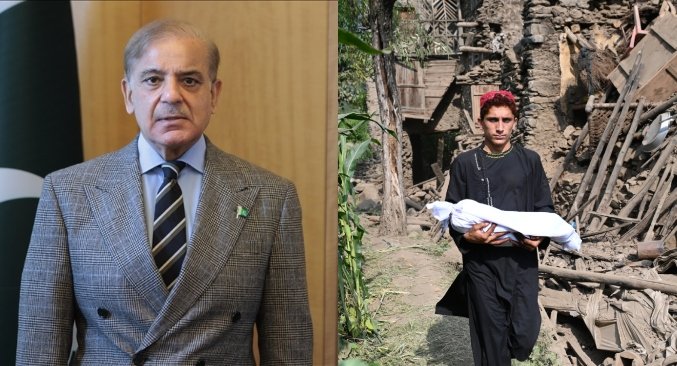
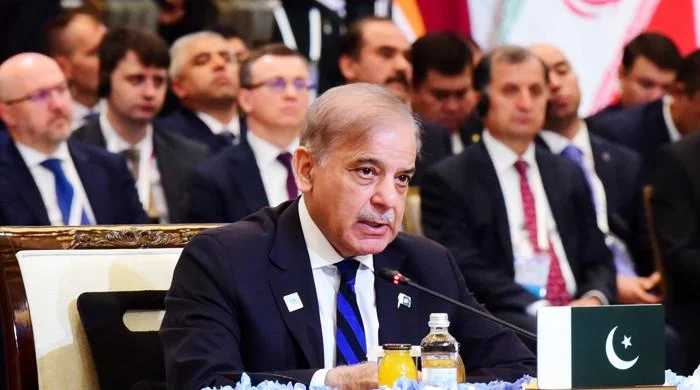
Recognizing the gravity of the situation, Prime Minister Shehbaz Sharif has reportedly shown a willingness to address these concerns. Sources suggest that the Prime Minister is considering the formation of a high-level committee tasked with reviewing the current electricity tariff policy. The proposed committee’s mandate will be to study the impact of the existing slab system in detail and to present actionable recommendations to the federal cabinet for consideration.

Revised Slab Proposal: Relief for ‘Just Over’ Consumers

Among the key options being discussed is a revision of the ‘non-protected’ status. The government is considering increasing the threshold so that only those consuming 301 units or more per month would fall under the non-protected category. If implemented, this change would provide immediate financial relief to thousands of households who barely cross the 200-unit limit and are otherwise subjected to higher rates for six months.

Another alternative under study is to ensure the non-protected rate applies only for the month in which the consumer exceeds the limit, rather than locking them into the higher tariff for half a year. Such a shift would align the billing process more closely with actual monthly consumption, thereby making it fairer for those whose usage occasionally fluctuates.

Background: Policy Origins and Public Backlash

The controversial 201-unit slab was originally introduced by NEPRA (National Electric Power Regulatory Authority) and the Ministry of Power with the intention of segmenting consumers for targeted subsidy withdrawal. However, mounting public backlash and media scrutiny have accelerated calls for a policy review. Consumer rights groups and ordinary citizens alike have voiced frustration over what they see as an arbitrary and punitive billing practice.

Quarterly Adjustments and Anticipated Price Reductions

In parallel with these potential reforms, Pakistani electricity consumers are also expected to benefit from reductions in power tariffs due to scheduled quarterly and fuel price adjustments. Power distribution companies have already submitted a request to NEPRA for a fourth quarterly adjustment, with a hearing held on August 4, 2025.

The anticipated change is a negative tariff adjustment of Rs1.89 per unit, stemming from an amended agreement with power generation companies. For consumers, this could mean an additional reduction of Rs0.34 per unit in their August electricity bills, as part of the quarterly adjustment mechanism.

Netanyahu Signals Clear Intent to Take Control of Gaza Strip

A fresh wave of international tension is building after Israeli Prime Minister Benjamin Netanyahu revealed his government’s intent to take control of Gaza Strip in its entirety, a move that has sparked alarm across global diplomatic and humanitarian circles.

In a sit-down with Fox News, Netanyahu made no attempt to soften the message. “We intend to,” he said when asked directly whether Israel would seize full control of Gaza. The prime minister argued that such action was necessary to remove Hamas and “enable the population to be free of Hamas,” eventually transferring power to a non-hostile civilian authority.

Fractures Within Israel and Global Backlash

The plan is far from unanimously supported, even within Netanyahu’s own administration. Israeli media report that senior military officials, including IDF Chief of Staff Eyal Zamir, have warned of the dangers such a move could pose, not just to soldiers but also to the hostages still held by Hamas. Zamir is said to have proposed a less invasive alternative: surrounding Hamas holdouts rather than fully occupying the territory.

Meanwhile, to take control of Gaza Strip as a military goal has triggered fierce criticism internationally. The UN warned of “catastrophic consequences,” with the UK’s ambassador calling the proposal a “huge mistake.” Médecins Sans Frontières (MSF) added weight to the condemnation, describing conditions in Gaza as deliberately engineered and systemic, and urging Israel to dismantle the controversial Gaza Humanitarian Foundation (GHF), which has been accused of chaotic and unsafe aid distribution.

Hamas reacted swiftly, accusing Netanyahu of sabotaging hostage negotiations for political gain and continuing what it called a policy of “genocide and displacement.”

The Israeli military already has a presence across three-quarters of Gaza, but expanding this footprint could lead to further humanitarian collapse. The reported plan involves securing Gaza City first, pushing one million residents south, followed by control of key refugee camps. A second offensive, coupled with increased humanitarian aid, is expected to follow weeks later.

Also, see:

OpenAI Launches ChatGPT-5: What Makes It Special?

OpenAI Launches ChatGPT-5: What Makes It Special?

In a major leap forward for artificial intelligence, OpenAI launches ChatGPT-5, calling it a powerful and transformative upgrade to its popular AI tool. The rollout, which began Thursday, marks a milestone moment in the global AI race, with ChatGPT-5 now available free for all users.

Used by nearly 700 million people weekly, ChatGPT has long been at the centre of AI conversations, and this latest version is being described as a “PhD-level” virtual assistant that can code, converse, write, and reason with greater sophistication than ever before.

CEO Sam Altman described GPT-5 as “clearly a model that is generally intelligent,” but added that it does not yet meet the full criteria for artificial general intelligence (AGI). “There’s still more to do,” he admitted, highlighting that the new model does not learn from real-time interactions, a key capability for true AGI.

A smarter, safer, and more independent AI

ChatGPT-5 stands out most for its enhanced ability to act as a true agent, one that can independently carry out complex computer tasks. This includes features like “vibe-coding,” which allows users to create software simply by describing what they want. In a live demo, OpenAI engineers showcased GPT-5 building a French language learning app in real-time.

Michelle Pokrass, part of the model’s development team, highlighted the significant step up in accuracy and task execution. “This is more than just chat, it’s hands-on, autonomous capability,” she said.

In terms of safety, OpenAI has built extensive guardrails. Alex Beutel, from the safety research team, explained that GPT-5 has been designed to avoid deceptive or harmful responses, with in-built evaluations to promote honesty and restraint.

The launch follows OpenAI’s recent agreement with the U.S. government, offering ChatGPT Enterprise to federal agencies at $1 for a year. It also comes alongside the release of two open-source AI models, gpt-oss-120b and gpt-oss-20b, available for free download and modification.

Also, see:

Sindh Government Unveils New Rohri-Karachi Train Service to Boost Public Transport

Prime Minister Shehbaz Sharif Orders Crackdown on Late Arrivals and Absenteeism in Government Offices

Prime Minister Shehbaz Sharif has issued a strong directive to address the growing issue of tardiness and absenteeism among government employees in federal offices across Pakistan. Taking notice of reports that many officials were arriving late or not showing up to work at all, the prime minister has emphasized the need for strict adherence to official working hours.

Clear Instructions to All Government Departments

In a recent announcement, Shehbaz Sharif made it clear that punctuality is non-negotiable for all employees serving in ministries, divisions, federal departments, as well as autonomous and semi-autonomous institutions. The prime minister stressed that government employees must be present according to the set working hours and maintain their duty schedules without exceptions.

Accountability for Senior Officials

The prime minister did not limit his instructions to junior staff or lower-level employees. In a move to set an example from the top, he specifically directed all federal secretaries and heads of departments to ensure their own timely arrival and regular attendance. This top-down approach is aimed at fostering a culture of discipline and accountability throughout the civil service.

Official Communication Reinforces PM’s Order

Following the prime minister’s instructions, Secretary Cabinet Division Kamran Ali Afzal communicated the directive through an official letter to the secretaries of all ministries and divisions. The letter reiterated the importance of implementing the prime minister’s orders and highlighted that adherence to office timings is crucial for the effective functioning of government operations.

This renewed focus on punctuality and attendance comes as part of broader efforts to improve governance, enhance efficiency, and restore public trust in federal institutions. Ministries and departments have been warned that laxity in this matter will not be tolerated, and regular monitoring is expected to ensure compliance at all levels.

Sindh Government Unveils New Rohri-Karachi Train Service to Boost Public Transport

The Sindh government has taken a significant step toward modernizing public transportation by announcing a new short-route train service between Rohri and Karachi. This move is part of a comprehensive strategy to improve travel for millions of people, rejuvenate rail infrastructure, and promote sustainable connectivity across the province.

Collaboration with Pakistan Railways for Enhanced Connectivity

The announcement was made following a high-level meeting between Sindh Energy and Planning Minister Nasir Hussain Shah and a delegation from Pakistan Railways. During discussions, both sides agreed on the urgent need for collaborative efforts to advance multiple railway projects in Sindh. The new Rohri-Karachi track was highlighted as a top priority, with officials emphasizing its potential to reduce the load on existing road networks and provide a reliable daily commute for countless travelers.

Rohri-Karachi: A Priority Rail Corridor

Declaring the Rohri-Karachi railway corridor a priority project, Minister Nasir Shah described it as the “need of the hour.” The proposed train service is expected to not only cut travel times but also offer an affordable and safe alternative for those who currently rely on buses or private vehicles. With Karachi being the economic hub and Rohri a vital junction, seamless connectivity between these cities is anticipated to play a key role in regional development and economic activity.

Karachi-Sukkur Suburban Railway Under Evaluation

In addition to the Rohri-Karachi service, the provincial government is evaluating the Karachi-Sukkur suburban railway, modeled after Lahore’s successful urban rail system. This project aims to connect major urban centers—Karachi, Rohri, and Sukkur—providing daily commuters with efficient transport options. Reducing dependence on road-based travel is expected to alleviate congestion, minimize travel costs, and enhance the overall quality of life for residents.

Joint Committee to Address Technical and Administrative Challenges

To ensure the smooth and timely execution of these railway initiatives, a joint committee is being formed. This committee will consist of representatives from both the Sindh government and Pakistan Railways. Their task will be to identify and resolve technical as well as administrative issues, including improvements to stations, safety at level crossings, and the removal of encroachments that hinder railway operations.

Minister Nasir Shah underscored the importance of station cleanliness, beautification projects, and the creation of green belts around railway facilities. He advocated for public-private partnerships, encouraging the private sector to adopt and upgrade railway stations, thereby leveraging additional resources for infrastructure improvement.

Support for Key National Rail Projects: ML-1 and KCR

The Sindh government has reiterated its unwavering support for the Main Line-1 (ML-1) project—a national railway upgrade initiative—and confirmed that all necessary work on the Karachi Circular Railway (KCR) has been completed from the provincial side. However, Minister Shah voiced concerns over the delays faced due to Pakistan Railways’ inaction regarding encroachment removal, urging greater efficiency and coordination from railway authorities.

Commitment to Public Interest and Infrastructure Growth

Minister Nasir Hussain Shah affirmed that the province’s foremost priority remains public welfare. “We are ready to cooperate with every institution in the public interest,” he stated, underlining the government’s focus on developing infrastructure, improving transport services, and alleviating the daily challenges faced by commuters.

The suburban railway initiatives, once implemented, are expected to transform the daily travel experience for millions in Sindh. By providing safer, faster, and more sustainable transportation, the provincial government aims to foster economic growth, reduce road congestion, and address long-standing mobility challenges in both urban and rural areas.

Study Warns: Excessive Screen Time in Children Linked to Heart Disease and Diabetes Risks

A groundbreaking new study has issued a stark warning about the dangers of prolonged screen time among children, revealing a significant link to increased risks of heart disease and diabetes. The findings come as digital devices become ever more central to childhood, raising urgent questions for parents, educators, and policymakers worldwide.

Research Highlights Serious Metabolic Dangers

The study, published in the Journal of the American Heart Association, was led by researchers from the University of Copenhagen. The team analyzed the lifestyles of more than 1,000 children aged between 10 and 18, scrutinizing their screen habits and sleep patterns to investigate the relationship between digital device use and cardiometabolic risk factors. These risk factors include high blood pressure, insulin resistance, and elevated cholesterol levels—all precursors to heart disease and type 2 diabetes.

Every Extra Hour Matters: Screen Time Multiplies Health Threat

Lead researcher David Horner underscored the severity of the problem, explaining that even a single additional hour of screen exposure daily can measurably increase a child’s risk. According to Horner, “A child with three extra hours of screen time a day would have roughly a quarter to half a standard-deviation higher risk than their peers.” This means that small, seemingly harmless increases in screen time can add up to a large shift in health risks when looking at the population as a whole.

The implications are profound: More screen time means higher odds of developing early indicators of diseases that can persist and worsen into adulthood.

Impact on Sleep and Overall Health

The research did not stop at screen time alone—it also tracked the sleeping habits of participants. The study found a clear association between excessive screen exposure and disrupted sleep patterns. Poor-quality or insufficient sleep, when combined with sedentary behavior, can further heighten the risk of developing metabolic and cardiovascular problems. This compounding effect makes it even more crucial to monitor and manage how much time children spend on digital devices, especially in the evening hours.

A Call to Action for Parents and Policymakers

While debate continues over the long-term effects of digital exposure, the evidence is mounting that children and adolescents are particularly vulnerable to its health risks. The study’s authors urge parents and guardians to take proactive steps, advocating a balanced lifestyle that includes regular physical activity and device-free time, especially before bed. These preventive measures are crucial as lifestyle-related illnesses begin to emerge at ever-younger ages.

Education and health policymakers are also advised to consider these findings when designing curricula and public health strategies. With digital learning now an integral part of education, the need to develop healthy digital habits has never been more acute.

Preventive Strategies: What Experts Recommend

To counteract the growing risk, experts suggest practical steps for families and educators:

  • Limit recreational screen time to under two hours per day (outside of schoolwork).
  • Encourage daily physical activity, such as sports, cycling, or outdoor play.
  • Establish consistent, healthy sleep routines.
  • Promote device-free periods, particularly before bedtime.

These interventions can help mitigate the negative effects of prolonged screen use and lay the foundation for healthier childhood habits.

Global Relevance and Local Challenges

The increase in screen time is not unique to one part of the world; children everywhere, from Europe to South Asia and Pakistan, are displaying similar behaviors. In urban centers throughout Pakistan, for instance, mobile phones and television have become primary sources of entertainment for children. Public health experts warn that without early intervention, rates of childhood obesity, diabetes, and heart disease could climb.

Public awareness campaigns and digital literacy programs are seen as critical tools to help families and schools navigate the digital age while safeguarding children’s health.

Babar Azam Drops in ICC T20I Rankings Amid Return Speculations

Former Pakistan captain Babar Azam’s absence from the national T20I squad has been reflected in the latest ICC T20I rankings, where he has slipped three places. The right-handed batsman, once a mainstay in Pakistan’s lineup, now finds himself facing renewed scrutiny and swirling rumors about a potential comeback.

Ranking Slide for Babar Azam and Mohammad Rizwan

Babar Azam, who previously occupied the 14th position in the ICC T20I batter rankings, has now dropped to 17th. This fall comes as a result of his prolonged absence from the T20I squad. Notably, his teammate Mohammad Rizwan has also experienced a similar decline. Rizwan, who has been out of the T20I side for recent series, dropped three slots to occupy 19th place in the latest update.

Both players’ absence from the team has negatively impacted their standing, underscoring the volatile nature of the ICC rankings which are heavily influenced by recent performances and participation.

Babar’s Ouster After T20 World Cup 2024

The shake-up in the rankings follows a disappointing campaign for Pakistan in the T20 World Cup 2024, where Babar Azam captained the side in what turned out to be a lackluster performance. As the most-capped T20I captain for Pakistan, leading the side in 55 matches, Babar’s leadership was called into question, culminating in his exclusion from the squad.

His last appearance in T20Is dates back to December 2024 against South Africa. Thereafter, Babar was left out of the squads for the subsequent T20I series against New Zealand in March 2025 and Bangladesh, indicating a shift in Pakistan’s approach towards their T20 setup.

Speculation Rises on Babar Azam’s T20I Return

Despite his omission, Babar Azam’s name has remained prominent in discussions around the Pakistan T20I squad. Rumors gained traction after opening batter Fakhar Zaman was ruled out of the ongoing West Indies tour due to fitness issues. Reports emerged that the selectors were considering Babar as a replacement in case Fakhar failed to clear his fitness test.

The speculation was further fueled by suggestions that Babar could make a comeback in the squad for the upcoming tri-nation series involving the UAE and Afghanistan. Some insiders have hinted that the former captain might also be a strong candidate to step in for the Asia Cup 2025, provided he delivers strong performances in the lead-up events.

Performance in ODI Series to Influence Selection

An important factor in Babar’s potential return to the T20I side is his showing in the upcoming ODI series against the West Indies. The 30-year-old has been named in the ODI squad for the three-match away series, providing him with an opportunity to impress the selectors.

The opening match is scheduled for August 8 at the Brian Lara Cricket Academy in Tarouba, Trinidad. Pakistan will play the second ODI on August 10, followed by the final game on August 12. This series is seen as a critical test for Babar, with his performances likely to weigh heavily on decisions regarding his inclusion in Pakistan’s T20I plans for the future tournaments.

A Pivotal Moment for Pakistan’s Cricket Setup

With both Babar Azam and Mohammad Rizwan out of the current T20I setup, Pakistan’s selectors face a pivotal decision regarding the composition of the squad for key upcoming tournaments. The outcome of the West Indies ODI series could play a decisive role in shaping the team for the tri-nation series and the Asia Cup 2025, as the team management keeps a close watch on player form and fitness.

Authorities Ban ‘Baajas’ in Islamabad Ahead of Independence Day

As Pakistan’s Independence Day on August 14 approaches, preparations for nationwide celebrations are in full swing. Streets are adorned with green and white, and the air is buzzed with patriotic fervor. However, in an effort to maintain peace and prevent public nuisance, the authorities in Islamabad have imposed a strict ban on the sale and use of ‘baajas’, also known as vuvuzelas, in the federal capital.

The Role of ‘Baajas’ in Festivities

In Pakistan, Independence Day is celebrated with great enthusiasm. From waving flags to illuminating buildings, citizens express their love for the country through various activities. Among these, the blowing of ‘baajas’ has become a common way for people, especially youngsters, to display their excitement. The loud blaring horns are sold widely in roadside stalls during the days leading up to August 14.

While these horns symbolize exuberance for many, they often become a source of disturbance for the general public. The continuous and high-pitched sounds disrupt daily routines, disturb the elderly, and can be particularly distressing for hospital patients, infants, and those sensitive to noise.

Official Ban and Its Implementation

In light of these concerns, the deputy commissioner (DC) of Islamabad issued an official order prohibiting the sale and use of ‘baajas’ throughout the city. This initiative aims to strike a balance between celebrating Independence Day and ensuring a peaceful environment for all residents.

According to the DC’s directive, all assistant commissioners and magistrates are tasked with confiscating any baajas found at roadside stalls. Special instructions have been given to conduct daily operations to ensure compliance with the ban up to and including Independence Day.

Accountability and Legal Consequences

The deputy commissioner has also emphasized strict accountability for enforcement. Officers whose jurisdictions include stalls where baajas are being sold will be held responsible if the ban is violated. Moreover, anyone found selling or using these horns will face legal action as per the orders.

Such measures highlight the seriousness with which the administration views the matter. By holding officers and vendors accountable, the authorities aim to discourage the use and sale of noisemaking devices, reinforcing the importance of community well-being during times of national celebration.

Previous Precedents and Public Response

Bans on baajas are not new in Pakistan. Similar restrictions have been enforced in previous years, particularly in Islamabad and other major cities, to curb excessive noise during celebratory events such as Independence Day and New Year’s Eve. The public response has been mixed. While many residents appreciate the relief from constant noise pollution, some young revelers view the ban as a dampener on festive spirits.

Authorities, however, stress that the intention is not to restrict the celebration, but to ensure that festivities do not infringe on others’ rights to peace and tranquility. Balancing joyous expression with civic responsibility remains a recurring challenge for city administrations during national events.

Ongoing Enforcement Till Independence Day

The DC has directed that anti-baaja operations be conducted daily, with a focus on key commercial and public areas where vendors are likely to set up stalls. Law enforcement agencies are coordinating with the city administration to identify and take action against violators.

Residents are encouraged to celebrate the nation’s independence with respect for fellow citizens. By enforcing such bans, the authorities hope to foster a sense of collective responsibility and ensure a harmonious environment for all during the nation’s most significant holiday.

Artificial Sweeteners May Interfere with Cancer Immunotherapy, New Study Finds

Concerns Over Sweetener Use During Cancer Treatment

A new study is raising important questions about the safety of artificial sweeteners for patients undergoing cancer treatment. According to research published in Cancer Discovery, the use of a common artificial sweetener appeared to interfere with the effectiveness of immunotherapy in mice models. This finding is particularly significant as immunotherapy has become a frontline treatment in many types of cancer, harnessing the body’s immune system to fight cancer cells more effectively.

The study, led by Professor Abby Overacre and her team, observed that mice consuming the artificial sweetener responded less effectively to cancer-fighting immunotherapy. The summary did not name the specific sweetener, but the evidence suggests that these sugar substitutes might alter immune system responses, potentially reducing the success of cutting-edge treatments for cancer patients.

How the Study Was Conducted

Researchers set up two groups of mice with similar cancer diagnoses. One group received a diet containing the artificial sweetener, while the other group did not. Both groups were then given immunotherapy to fight the cancer. The results showed a clear difference: mice on the sweetener-laden diet did not respond as well to the treatment as those that avoided it.

This research highlights the complexity of diet and its impact on medical treatments, especially in the context of diseases like cancer where immune response plays a critical role. The findings suggest that even seemingly harmless dietary choices could have significant implications for treatment outcomes.

Arginine Supplementation: A Possible Solution

While the news of sweeteners hindering treatment may be concerning, the study also offers a possible solution. The researchers discovered that supplementing the mice’s diet with arginine—a natural amino acid—helped to reverse the negative effects of the artificial sweetener.

Arginine is known to play several vital roles in the body, including supporting immune function. When the mice were given an arginine-boosting supplement, their response to immunotherapy improved, even if they continued to consume the artificial sweetener.

The researchers emphasized the importance of realistic recommendations for cancer patients, who already face dietary restrictions and added stress during treatment. “It’s easy to say, ‘Stop drinking diet soda,’ but patients undergoing cancer treatment are already going through a lot,” the team noted. For those who find it difficult to eliminate sweeteners, arginine supplementation may provide a practical workaround.

Implications for Cancer Patients and Diet Choices

Artificial sweeteners are a popular sugar substitute found in diet sodas, sugar-free snacks, and many low-calorie desserts. They are widely marketed as healthier alternatives for those looking to reduce sugar intake, including cancer patients who may need to manage weight or blood sugar.

However, this new evidence adds to a growing body of research questioning the safety of these additives, especially for vulnerable populations. The World Health Organization (WHO) has previously warned about potential links between artificial sweeteners and conditions like cardiovascular disease and metabolic disorders. Now, this study points to a direct impact on cancer treatment outcomes.

Given these findings, patients undergoing immunotherapy are encouraged to consult with their healthcare providers regarding their use of artificial sweeteners. Tailoring dietary choices could play an important role in maximizing the benefits of cancer therapies.

The Road Ahead: From Animal Models to Human Trials

It is important to note that this research is still in the early stages and based on animal studies. Human trials will be needed to confirm whether the same effects occur in people and to determine the safest dietary guidelines for cancer patients.

Researchers hope that future studies will provide more clarity and potentially lead to new dietary recommendations for those receiving immunotherapy. In the meantime, the promising results with arginine supplementation offer hope for a safer way to manage diet without compromising treatment efficacy.

Kuwait Lifts Ban on Pakistani Workers, Opening Doors to New Job Opportunities

Historic Move After 15 Years

In a significant development for both Pakistan and Kuwait, the government of Kuwait has officially lifted its 15-year-old ban on hiring Pakistani workers. This long-awaited decision was finalized after constructive bilateral talks held in Islamabad, signaling a renewed era of cooperation and partnership between the two nations. The reopening of Kuwait’s job market to Pakistani labor marks a milestone that is expected to have a positive impact on both economies.

Strengthening Bilateral Relations

The decision was cemented during a high-level meeting between a Kuwaiti delegation, led by Assistant Foreign Minister for Asia Affairs Ambassador Sameeh Essa Johar Al Dafiri, and Pakistan’s Interior Minister Mohsin Naqvi. Both sides hailed the move as mutually beneficial, with Naqvi emphasizing the opportunities it would create for Pakistan’s skilled workforce. The renewed collaboration underscores the deepening ties between Pakistan and Kuwait and highlights their shared commitment to economic and social progress.

Sectors Set to Benefit from Recruitment Drive

Kuwait’s resumption of recruitment is primarily focused on skilled and semi-skilled Pakistani labor. The sectors identified for immediate hiring include drivers, carpenters, electricians, welders, technicians, and healthcare and construction workers. According to Minister Naqvi, Kuwaiti companies have expressed a particular demand for workers in the transport and infrastructure development sectors, which are currently experiencing rapid growth in Kuwait.

For Pakistani youth and professionals, this development offers a pathway to gainful employment, better wages, and international exposure. It is a promising step toward reducing unemployment rates in Pakistan and enhancing the standard of living for thousands of families who depend on overseas earnings.

Online Visa Process for Transparent Recruitment

One of the key outcomes of the bilateral discussions was the agreement to launch an online visa application process. This digital approach is designed to enhance transparency, ensuring that the hiring process is free from corruption and exploitation by middlemen. Both countries are committed to implementing this system to protect job seekers and facilitate direct engagement between employers and employees.

Interior Minister Naqvi highlighted the importance of this move, stating that the digital system would make recruitment safer, more efficient, and more transparent for Pakistani applicants. This initiative is in line with the broader goal of modernizing overseas employment practices and creating a more secure environment for labor migration.

Impact on Pakistan’s Economy and Remittances

The reopening of Kuwait’s labor market is expected to provide a significant boost to Pakistan’s overseas employment statistics. In 2024 alone, over 500,000 Pakistani workers were sent abroad, contributing to remittances exceeding $30 billion. With Kuwait now back in the fold, the government anticipates a further increase in remittance inflows, which play a critical role in stabilizing Pakistan’s economy and providing foreign exchange reserves.

The announcement also aligns with Pakistan’s strategic focus on exporting skilled manpower to Gulf countries, a policy designed to leverage the country’s human resource potential for economic growth.

Guidance for Job Seekers

Pakistani job seekers eager to take advantage of the new opportunities in Kuwait are advised to follow official protocols to ensure a smooth and legal process. Key recommendations include:

  • Registering with the Bureau of Emigration & Overseas Employment (BEOE)
  • Avoiding unlicensed agents or those demanding illegal commissions
  • Monitoring official channels for updates on available job categories and visa procedures

The Ministry of Overseas Pakistanis is set to launch a dedicated portal that will provide up-to-date job listings and detailed eligibility criteria. This resource will help job seekers make informed decisions and avoid fraudulent schemes.