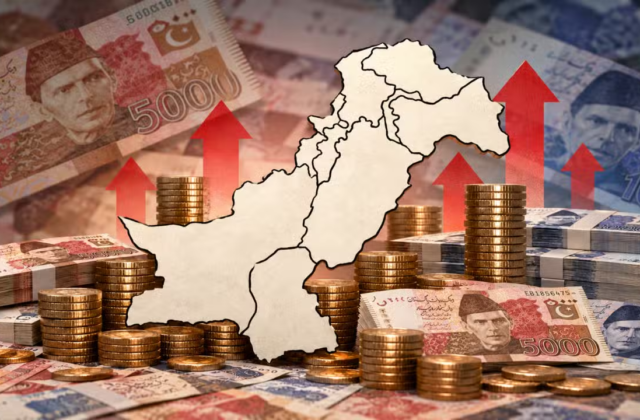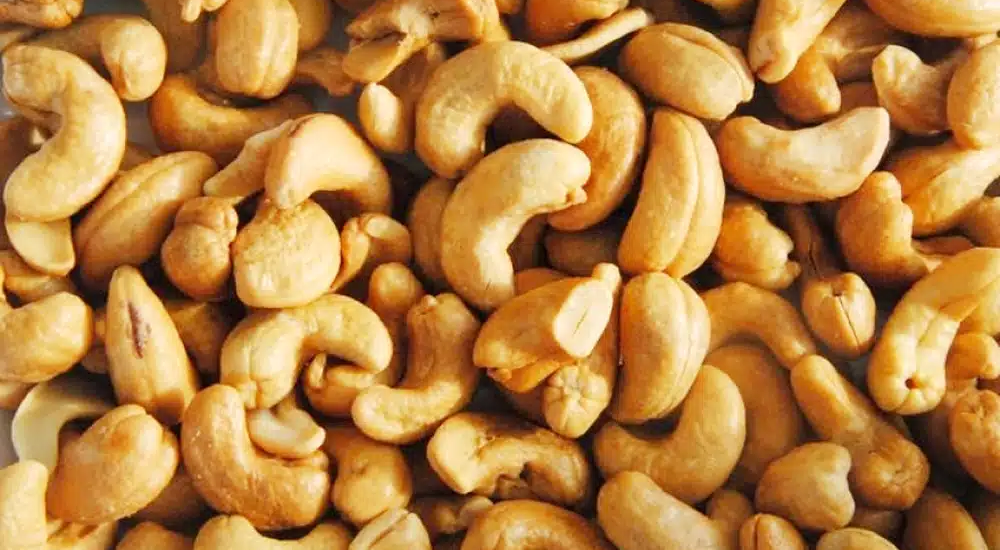
Pakistan has witnessed a remarkable increase in cashew imports, with the volume of shelled cashews entering the country rising nearly tenfold in just one year. The sharp increase highlights growing demand for premium nuts among Pakistani consumers and reflects changing household spending patterns.
According to available import figures, Pakistan imported 3,107 tons of shelled cashews in 2024, compared with just 329 tons in 2023. This represents an increase of approximately 844 percent, making cashews one of the notable categories to experience significant import growth during the period.
The figures indicate that demand for cashews has expanded considerably within Pakistan’s consumer market. Although cashews are generally considered a premium food product, their rising consumption suggests that more households are including them in their regular food purchases.
Gallup Pakistan Digital Analytics’ household consumption analysis estimates that Pakistani households collectively spend around Rs. 56 billion annually on premium varieties of nuts, including cashews. This substantial spending figure highlights the economic significance of the market and the growing consumer interest in higher-value food products.
Cashews are widely consumed as snacks and are also used in traditional Pakistani dishes, desserts, bakery products and various food preparations. Their popularity is associated with their taste, nutritional value and versatility, making them a common choice for households and food businesses.
The significant rise in imports also draws attention to Pakistan’s reliance on international suppliers to meet domestic demand for certain premium food products. As local consumption increases, imported cashews continue to play an important role in supplying retailers, wholesalers and food-related businesses.
The difference between the 2023 and 2024 import figures is particularly striking. An increase from 329 tons to 3,107 tons within a single year demonstrates the scale of the change in recorded import volumes. However, import growth alone does not establish whether the increase was driven by higher household consumption, changing market preferences, inventory requirements or other commercial factors.
The estimated Rs. 56 billion in annual household spending further demonstrates the size of Pakistan’s premium nut consumption market. It also reflects the potential commercial opportunities available to importers, distributors and retailers operating in this segment.
With cashew imports recording such substantial growth, the latest figures provide an interesting insight into Pakistan’s evolving food consumption trends. The increase also raises questions about the future direction of premium nut demand and how the domestic market will respond to changing consumer preferences.
Pakistan’s cashew market is therefore becoming an important area to watch, particularly as household spending on premium food products continues to attract attention.