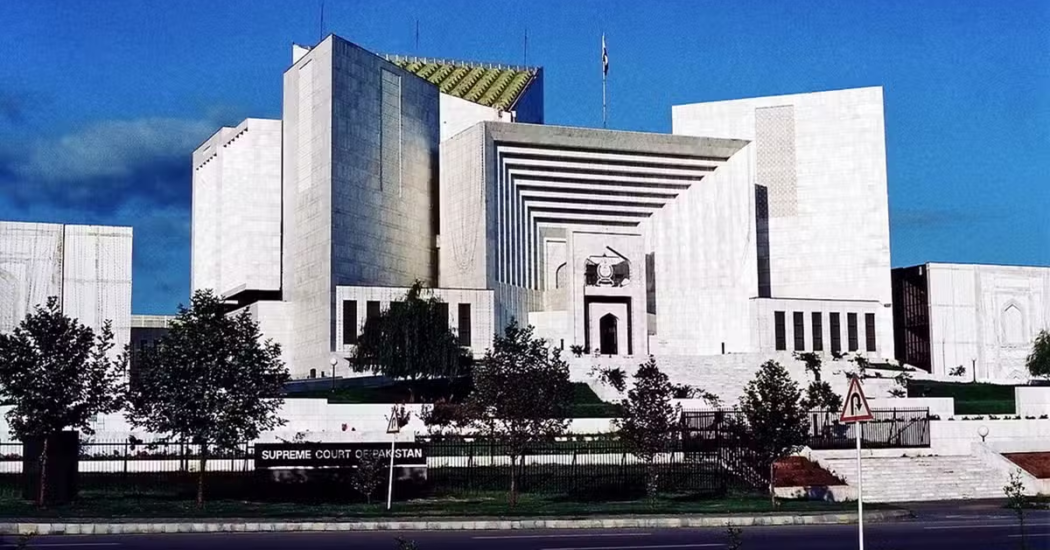
The Supreme Court of Pakistan has officially restored its full six-day working schedule after discontinuing the austerity measures that had been in place for several months. The decision was approved by Chief Justice Yahya Afridi and will take effect from June 15, 2026.
According to an official notification issued by the apex court, the cost-cutting policy introduced on March 10, 2026, has now been withdrawn. As a result, all judicial and administrative activities at the Supreme Court will resume under the regular operating schedule.
The austerity measures were originally implemented as part of broader efforts to reduce expenditures and improve resource management within the institution. During this period, court operations functioned under a modified schedule aimed at minimizing operational costs while maintaining essential judicial services.
With the latest decision, judges, court staff, lawyers, and litigants will return to the standard six-day workweek. The move is expected to enhance the efficiency of court proceedings and help address pending cases by allowing the institution to operate at its full capacity.
Legal experts view the restoration of the normal schedule as a positive development for Pakistan’s judicial system. A full working week is expected to facilitate smoother case management and provide greater access to justice for citizens seeking timely resolution of legal matters.
The notification emphasized that all departments and sections of the Supreme Court should make the necessary arrangements to ensure a seamless transition back to regular operations. Court proceedings, administrative functions, and other related activities will continue according to the established schedule from mid-June onward.
The decision reflects the judiciary’s confidence in returning to standard procedures after months of operating under financial restraint measures. It also signals a commitment to maintaining judicial productivity and ensuring that court services remain accessible and effective.
The restoration of the six-day schedule is likely to be welcomed by members of the legal fraternity, who have consistently highlighted the importance of uninterrupted judicial functioning. As the Supreme Court resumes its normal working routine, stakeholders expect improved workflow and a stronger focus on reducing case backlogs across the judicial system.