The Capital Development Authority (CDA) has scheduled a public hearing for the environmental assessment of a proposed Rs. 140 crore underpass at Kashmir Chowk in Islamabad.
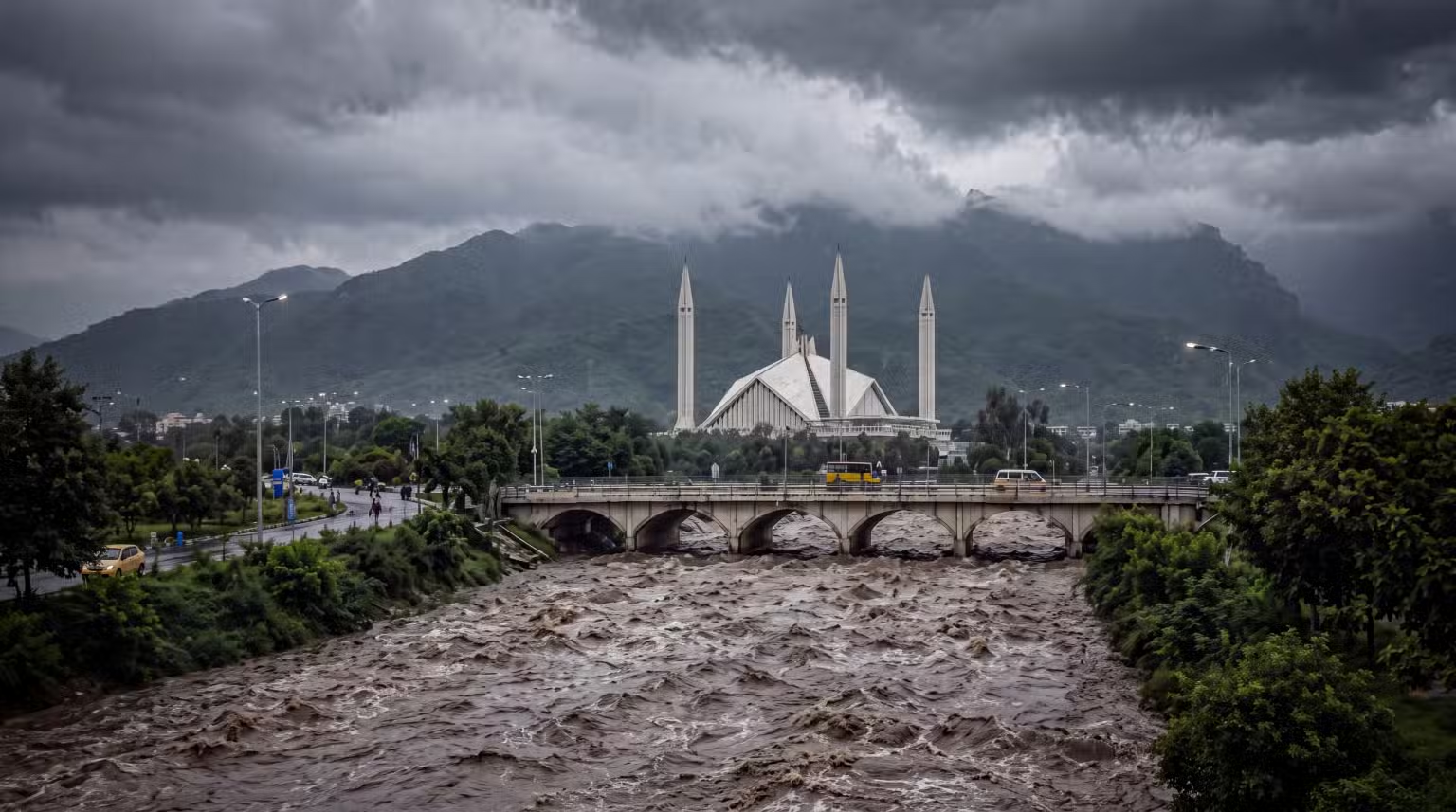
The development comes as heavy rains and cloudbursts have caused flooding in several parts of Islamabad and Rawalpindi, bringing renewed attention to urban planning, drainage capacity and infrastructure management in the twin cities.
The proposed Kashmir Chowk underpass is expected to become an important road infrastructure project in the capital. Before the project can move forward, authorities are conducting the required environmental assessment process.
According to the details provided, the public hearing will be held on September 21, 2026, at 11:00 am at the Gandhara Citizen Club in F-9 Park, Islamabad.
The hearing is being conducted under the provisions of the Pakistan Environmental Protection Act, 1997, giving citizens and other stakeholders an opportunity to participate in the environmental review of the proposed project.
The timing of the hearing is particularly significant as recent heavy rainfall has exposed vulnerabilities in parts of Islamabad and Rawalpindi. Cloudbursts and intense rainfall have caused water accumulation and flooding, raising questions about the ability of existing urban infrastructure to handle extreme weather events.
Large road projects such as underpasses are generally designed to improve traffic movement and reduce congestion at busy intersections. However, their effectiveness also depends on supporting infrastructure, particularly stormwater drainage and water management systems.
The proposed Kashmir Chowk project therefore comes amid a broader discussion about how Islamabad should balance traffic infrastructure development with climate resilience and flood management.
Recent flooding has highlighted the importance of considering drainage patterns and water flow when planning major construction projects. Infrastructure that addresses traffic congestion but does not adequately account for heavy rainfall could face operational challenges during extreme weather.
The environmental assessment process provides an opportunity for authorities to examine these issues before construction begins. Residents, environmental stakeholders and other members of the public can use the hearing to raise concerns or seek clarification about the project’s potential impacts.
The Rs. 140 crore estimated cost also makes the project a significant public investment. Questions surrounding design, environmental impact, drainage arrangements and long-term maintenance are likely to remain important as the project progresses.
Islamabad has experienced rapid urban development over the years, increasing pressure on roads, drainage networks and other municipal infrastructure. More frequent episodes of intense rainfall can further challenge systems designed around historical weather patterns.
The public hearing could therefore become an important stage in determining whether the proposed underpass adequately addresses both transportation requirements and environmental considerations.
Authorities will need to consider how the project fits into Islamabad’s wider infrastructure network and whether adequate measures are incorporated to manage stormwater during heavy rainfall.
The September 21 hearing will provide an opportunity for the public to participate in the environmental assessment process before further decisions are made regarding the proposed Kashmir Chowk underpass.