







Cambridge AS and A-Level 2025 Results Announced in Pakistan, O-Level Results Coming Next Week

The long-awaited Cambridge AS and A-Level results for the May–June 2025 session have been released in Pakistan, bringing relief and anticipation for thousands of students. The announcement comes despite ongoing controversy surrounding allegations of exam paper leaks earlier this year.

Over 100,000 Students Receive Results

According to Cambridge Assessment International Education (CAIE), more than 100,000 students from over 700 schools across Pakistan sat for AS and A-Level, IGCSE, and O-Level examinations in June. This year saw over 127,900 entries for AS and A-Level alone.

Congratulating students, CAIE’s Country Director for Pakistan, Uzma Yousuf, praised their determination and resilience, noting their ability to excel despite uncertainty caused by regional tensions and the paper leak allegations.

Free Resits for Affected Candidates

CAIE confirmed that portions of three exam papers — Mathematics Papers 12 and 42, and Computer Science Paper 22 — were leaked ahead of their scheduled dates in Pakistan. The organisation is working with the Pakistan government to investigate the incident.

Students impacted by the leaks will be offered free syllabus entry resits in the November 2025 exam series. This applies to candidates who attempted any of the affected papers. CAIE has also warned that exam centres involved in the breach could face deregistration, while students found complicit risk disqualification.

How to Check AS and A-Level Results

Candidates can access their results through the Cambridge International online portal using their unique login credentials. Schools will also be distributing printed statements of results throughout the day.

These results are a critical factor in securing university admissions, scholarships, and future career opportunities, making today a pivotal moment for many learners across the country.

O-Level Results on August 19

O-Level candidates will need to wait until Tuesday, August 19, for their results. Students who are dissatisfied with their grades can request reviews through their schools and, if necessary, lodge appeals with the examination boards or the UK’s exam regulator, Ofqual.

Hasan Raheem Reportedly Marries in Chitral Months After Staged Wedding Prank

Popular Pakistani singer Hasan Raheem has reportedly tied the knot in a private ceremony in his hometown of Chitral, marking a real-life milestone just months after he fooled fans with a staged wedding for a music video.

From a Viral Prank to a Real Celebration

Earlier this year, Hasan Raheem set social media abuzz by sharing photos that hinted at his marriage. The images, paired with a heartfelt privacy request, convinced many — including fellow musicians — that the singer had wed. Days later, he revealed it was a publicity stunt for his track Memories featuring Justin Bibis, cheekily announcing, “Abhi bhi kunwara hun.”

This time, however, the wedding appears to be genuine. Photos and videos from the event, shared by attendees and widely circulated online, show Hasan celebrating in a traditional Chitrali setting alongside family and close friends.

Traditional Chitral Touch to the Ceremony

The nikah was steeped in cultural elegance. Hasan wore a classic Gilgiti robe complemented by a traditional feather cap, while the bride stunned in a pastel blue, heavily embellished maxi. The ceremony was hosted outdoors at night, surrounded by lush gardens and warm lighting, creating an intimate yet visually stunning atmosphere.

According to guests, the bride is reportedly Hasan’s cousin. While the Wishes hitmaker has not yet shared any official posts about his wedding, fans and industry peers have been quick to offer congratulations online.

Fans React with Surprise and Scepticism

Given Hasan’s earlier wedding hoax, initial reactions on social media were filled with playful doubt. Comments like “Is this real this time?” and “Better luck next time, girlies” trended as fans processed the news. But with authentic visuals now in circulation, even the most sceptical followers are convinced this time it’s no publicity stunt.

With this new chapter in his life, Hasan Raheem joins the growing list of young Pakistani artists embracing both personal milestones and thriving careers.

Sepp Straka Withdraws from BMW Championship for Family Reasons, Confirms Tour Championship Return

Austrian golfer Sepp Straka has withdrawn from this week’s PGA Tour BMW Championship due to family reasons but will return to compete in the season-ending Tour Championship in Atlanta. The announcement came from the PGA Tour on Monday, confirming that the 32-year-old world number 10 will skip the BMW event at Caves Valley Golf Club in Baltimore’s suburbs.

A Strategic Withdrawal Amid Strong Playoff Position

Currently ranked fifth in the FedEx Cup standings, Straka has already secured his place in the Tour Championship, scheduled for August 21–24 at East Lake Golf Club. His impressive season — highlighted by victories at The American Express in January and the Truist Championship in May — has ensured that missing the BMW will not impact his qualification.

Straka’s manager, Butler Melnyk, released a statement explaining the decision. “For personal reasons, Sepp is unable to play this week. He intends to compete at the Tour Championship but requests privacy at this time as he attends to a family matter at home.”

A Narrowing Field Ahead of the Tour Finale

With Straka’s absence, the BMW Championship field drops to 49 players. Only the top 30 in the FedEx Cup rankings will advance to East Lake, making this week’s event crucial for many contenders chasing a spot in the finale.

Straka’s record this season includes 13 top-25 finishes, including a tie for 17th place at last week’s playoff opener in Memphis. His best finish in three Tour Championship appearances was a share of seventh in 2022, a performance he will aim to better this year.

Eyes on the Ryder Cup

Beyond the FedEx Cup, Straka is also in contention for the European Ryder Cup team. He currently holds sixth place in the qualifying standings, with the top six players after the Tour Championship earning automatic spots for September’s showdown against the United States at Bethpage State Park.

With both playoff glory and Ryder Cup selection on the line, Straka’s return at East Lake will be closely watched by fans and analysts alike.

Shruti Seth Speaks Out on Ban of Pakistani Artists, Recalls Stage Magic with Shakeel Siddiqui

Shruti Seth Breaks Silence on Ban of Pakistani Artists — Recalls Iconic Moments with Shakeel Siddiqui

Indian television star Shruti Seth has opened up about the ongoing ban on Pakistani artists in India, saying that art should never be confined by political boundaries.

In a recent podcast, the Shararat and Baalveer actor looked back on her time sharing the stage with Pakistan’s legendary comedian Shakeel Siddiqui. The two worked together on popular shows including Comedy Circus and Comedy Nights Bachao, where their effortless chemistry won fans across borders.

“It Was Pure Improvisation”

Seth revealed that their comedy acts were never scripted but created on the spot. “Even now, wherever I travel, people still talk about those performances with Shakeel. They were completely improvised and that’s what made them special,” she shared.

Siddiqui’s quick wit and charm made him a household name in India before the ban on Pakistani artists cut short many such collaborations.

Art vs. Politics

Reflecting on the restrictions that keep Pakistani talent out of India’s entertainment industry, Seth said, “The world right now is run by politics, so I can’t say much on that front. But I truly believe art should have no borders.”

She added that throughout history, creativity has been a source of healing during times of conflict. “Art builds bonds, spreads love, and encourages acceptance. It has always saved us, and I hope it will continue to do so in the future.”

Her comments have reignited debate over whether cultural exchange between India and Pakistan should remain untouched by political tensions, especially given the shared entertainment heritage cherished by audiences on both sides.

US Designates BLA and Majeed Brigade as Terrorist Organizations, Pakistan Welcomes Move

Pakistan has strongly welcomed Washington’s move to formally designate the BLA and Majeed Brigade as Foreign Terrorist Organizations, a step Islamabad says strengthens global counter-terrorism efforts. The Ministry of Foreign Affairs noted that the BLA and Majeed Brigade have long been responsible for deadly violence inside Pakistan, from targeted attacks to large-scale assaults such as the Jaffar Express train hijacking and the Khuzdar bus bombing.

The United States’ decision, announced by Secretary of State Marco Rubio, also adds the Majeed Brigade as an alias to the BLA’s existing designation as a Specially Designated Global Terrorist (SDGT) group. This aligns with Pakistan’s own stance, the Majeed Brigade has been listed domestically as a terrorist outfit since July 18, 2024.

A History of Deadly Attacks

The Baloch Liberation Army first appeared on the US terror list in 2019, but its Majeed Brigade faction has since emerged as one of the most lethal components. In 2024 alone, the faction claimed responsibility for suicide bombings near Karachi Airport and the Gwadar Port Authority Complex.

The group’s most notorious strike came in March 2025, when armed militants hijacked the Jaffar Express travelling from Quetta to Peshawar. The assault left 31 civilians and security personnel dead and took over 300 passengers hostage for several hours, underscoring the group’s operational reach and willingness to target public transport.

Pakistan’s Pledge Against Terrorism

Islamabad’s statement underlined the sacrifices made by its security forces and civilians in the fight against militancy. Officials say Pakistan’s counter-terrorism drive has not only improved domestic security but also contributed to regional and global stability.

“Pakistan remains unwavering in its resolve to protect its citizens and eliminate terrorism in all forms and manifestations,” the Foreign Office said, adding that the country will continue working with international partners to tackle what it calls a “common challenge.”

Also, see:

Second Phase of Hajj 2026 Applications Begins in Pakistan

Aryna Sabalenka Survives Emma Raducanu Epic in Cincinnati Open Thriller

World number one Aryna Sabalenka showcased her resilience and determination in a thrilling third-round encounter at the Cincinnati Open, edging out Britain’s Emma Raducanu in a dramatic match that lasted over three hours. In a contest filled with power, long rallies, and high drama, Sabalenka kept her title defense alive, defeating Raducanu 7-6(3), 4-6, 7-6(5) to advance to the last 16.

A Match Packed with Drama and Grit

The highly-anticipated showdown between Sabalenka and Raducanu lived up to its billing, with both players producing some of their best tennis in a contest that went down to the wire. Sabalenka, renowned for her aggressive baseline play and powerful serve, was pushed to the absolute limit by Raducanu, who showed flashes of the form that took her to US Open glory in 2021.

The opening set saw both players trading blows, neither willing to concede an inch. Sabalenka finally edged ahead in a tense tiebreak, taking the first set 7-6(3). Raducanu responded with impressive resolve, breaking Sabalenka in the second set and holding on to force a deciding third set.

The final set was a marathon, featuring a 13-deuce game and numerous break point opportunities for both. Ultimately, Sabalenka’s experience and mental fortitude in tiebreaks proved decisive as she clinched the match in three hours and nine minutes, winning her 18th tiebreak of the season—a record for women’s singles in the professional era.

Raducanu Signs of Revival Ahead of US Open

Despite the loss, Emma Raducanu will take positives from her performance. Outscoring Sabalenka in total points won (125–123), the Briton showed that she is regaining her form and confidence just in time for the US Open at Flushing Meadows. Her ability to push the world number one to the brink suggests that Raducanu could be a threat in the upcoming Grand Slam event.

Sabalenka, speaking after the match, praised Raducanu’s improving fitness and game. “I’m really happy to see her healthy. I can see she’s improving,” Sabalenka remarked. The world number one also admitted to being relieved to get through the match and expressed hope for a rest day before her next encounter.

Sabalenka will face Spain’s Jessica Bouzas Maneiro in the last 16 as she continues her quest for back-to-back Cincinnati titles.

Strong Performances from Fritz, Kalinskaya, and Keys

Elsewhere in the tournament, American Taylor Fritz advanced to the next round with a straight-sets win over Italy’s Lorenzo Sonego. Despite a one-hour delay caused by a power outage, the fourth seed stayed composed, winning 7-6(4), 7-5. Fritz did not face a break point throughout the match and converted his only break opportunity to secure the victory in two hours and eight minutes.

Russian Anna Kalinskaya delivered one of the upsets of the day, overcoming American fifth seed Amanda Anisimova 7-5, 6-4. This marked Kalinskaya’s third win over a Top 10 player this season, underlining her growing reputation as a dangerous competitor. She will now face fellow Russian Ekaterina Alexandrova in the next round.

Former Cincinnati champion Madison Keys turned in a dominant display, defeating Japan’s Aoi Ito 6-4, 6-0. Keys navigated a tight first set before running away with the second, wrapping it up in just 20 minutes. “In the first set I got off to a pretty good lead and then kind of lost my way a bit,” Keys reflected. “Once I got a break early in the second I wanted to run away with it and keep that momentum and I did.”

NADRA Launches Online Birth and Death Registration: A Step Towards Digital Pakistan

The National Database and Registration Authority (NADRA) has taken a significant leap forward in public service delivery by introducing a digital system for birth and death registrations. This new initiative aims to make essential life-event registrations far more accessible and convenient for citizens across the country, reducing hassle and streamlining processes as part of the broader “Digital Pakistan” vision.

Eliminating the Need for Physical Visits

In the traditional system, birth and death registrations required individuals to visit their respective union councils, often involving long queues, bureaucratic delays, and multiple visits. Recognizing the inconvenience and inefficiency of this approach, NADRA has now made it possible for citizens to complete these registrations from the comfort of their homes. The newly launched Pak ID mobile application is at the heart of this transformation, enabling users to submit the necessary information directly to the relevant union council through a secure online platform.

Initial Rollout: Targeted Districts

To ensure a smooth transition and efficient implementation, NADRA has initially rolled out this digital registration facility in selected districts. These include:

  • Chakwal, with 71 union councils
  • Jhelum, with 44 union councils
  • Nankana Sahib, with 65 union councils

By starting with these areas, NADRA can closely monitor the system’s performance, address technical challenges, and gather user feedback for future improvements. The intention is to expand this digital service nationwide in a phased manner, ultimately providing all Pakistani citizens with the same level of convenience and accessibility.

How the Online Registration Works

With the Pak ID mobile app, registering a birth or death is straightforward. Users can enter the required details, upload supporting documents, and submit their applications online. This information is then routed to the relevant union council for verification and further processing. By removing the requirement for physical presence, the app saves citizens time and travel expenses and helps reduce congestion and paperwork at union council offices.

Pak-Identity Portal: Expanding Digital Services

Alongside the new birth and death registration service, NADRA has already established the Pak-Identity portal for other identity-related functions. This portal allows citizens to renew, reprint, or modify their Computerized National Identity Cards (CNICs) online. However, for the first-time issuance of a CNIC, in-person registration at a NADRA center remains mandatory. This ensures that each citizen is officially recognized and their biometric data is accurately captured, forming the backbone of national security and public administration.

Simplified Fee Structure for CNICs

NADRA has further enhanced accessibility by offering a clear, tiered fee structure for CNIC processing, catering to different urgency levels:

  • Executive: 7 days processing time, with a fee of PKR 2,500
  • Urgent: 15 days processing time, with a fee of PKR 1,500
  • Normal: 30 days processing time, with a fee of PKR 750

This flexibility allows citizens to choose the service level that best suits their needs and budget.

Empowering Citizens and Strengthening Governance

The introduction of online services by NADRA is not just about convenience but also about strengthening the relationship between citizens and the state. By simplifying identity management and vital event registrations, NADRA empowers Pakistanis to participate more actively in national affairs, access essential government services, and exercise their rights as citizens. The digital transformation of these processes also helps enhance transparency, reduce corruption, and ensure that records are more accurate and up-to-date.

Looking Ahead: Nationwide Expansion

NADRA’s phased rollout strategy will eventually bring these digital services to all regions of Pakistan. As more districts are included, the benefits of online registration—efficiency, cost savings, and better service delivery—will be realized on a broader scale. This initiative marks a major milestone in Pakistan’s journey towards a truly digital society.

Operation Sindoor: Indian Army Chief Admits to Underestimating Pakistan’s Retaliation

In a candid admission that has sent ripples through military and strategic circles in South Asia, Indian Army Chief General Upendra Dwivedi has acknowledged that India’s decision to launch Operation Sindoor against Pakistan was made without a thorough assessment of the potential consequences. General Dwivedi’s statements shed light on the miscalculations that led to a major military confrontation earlier this year and highlight the unpredictable nature of escalation in the region.

The Launch of Operation Sindoor

Operation Sindoor, which took place in early May, involved Indian Air Force jets carrying out airstrikes on several targets across Pakistani cities, including the strategic city of Bahawalpur. The operation was conceived as a decisive move to assert dominance and send a strong message to Pakistan. However, General Dwivedi’s recent remarks reveal that the operation was more akin to a “game of chess” — one in which India failed to anticipate the scale and speed of Pakistan’s counterattack.

“We did not know what to do, and we did not realize how destructive Pakistan’s response could be,” Dwivedi admitted. This honest appraisal from the Indian Army Chief underscores the complexities of military strategy where misjudgments can have far-reaching consequences.

Pakistan’s Swift Retaliation and Air Superiority

Pakistan’s armed forces responded within hours of the Indian strikes. Demonstrating rapid mobilization and tactical precision, the Pakistan Air Force shot down six Indian warplanes, including advanced Rafale jets, and struck at strategic military targets deep inside India. The counterattacks did not merely inflict material losses on India’s air assets; they also targeted air bases, missile depots, and other critical installations.

This swift and forceful retaliation underscored Pakistan’s resolve and its military’s capacity to deliver a “befitting response” to any perceived act of aggression. Notably, on May 10, Pakistan employed its domestically developed Fatah missiles to strike key Indian positions, inflicting substantial damage and forcing India to reassess its strategy.

Diplomatic Fallout and Mediation Efforts

The unexpected scale of Pakistan’s response left India in a precarious position. According to multiple sources, the severity of the Pakistani retaliation prompted New Delhi to seek the intervention of then-US President Donald Trump to mediate and de-escalate the rapidly intensifying conflict. This move highlighted the international implications of direct military engagements between two nuclear-armed neighbors.

Meanwhile, the Pakistani military, through spokespeople such as the DG ISPR and Air Vice Marshal Aurangzeb, released digital evidence of Indian aircraft losses. This transparency stood in contrast to the Indian defense establishment’s ambiguous stance on the extent of their losses, further fueling debates both within India and internationally regarding the true cost of the operation.

Conflicting Claims and the Battle for Narrative

Amidst the fog of war and post-conflict rhetoric, both sides have presented their own narratives of victory and losses. The Indian Air Chief, in a post-conflict briefing, claimed that Indian forces managed to shoot down six Pakistani aircraft during the exchanges. However, no credible evidence has been provided by Indian authorities to substantiate these claims.

Conversely, Pakistan asserts that its air force brought down five Indian aircraft on just the second day, culminating in a “0-6 score” in their favor by the end of hostilities. Pakistan’s release of digital evidence has lent credibility to its version of events in the eyes of some observers, while Indian officials have remained largely silent or vague regarding the scale of their own damages.

Implications for South Asian Security

The events surrounding Operation Sindoor and the subsequent revelations from Indian Army Chief General Upendra Dwivedi have significant implications for security and military planning in South Asia. The episode has emphasized the importance of comprehensive strategic assessment before initiating military action, as well as the dangers of underestimating an adversary’s capabilities and resolve.

Pakistan’s Cotton Yarn Exports to China: Navigating a Shifting Trade Landscape in 2025

Pakistan’s textile sector, a cornerstone of the national economy, continues to demonstrate robust trade relations with China despite facing notable challenges in 2025. According to the General Administration of Customs of China (GACC), Pakistan exported cotton yarn worth 203.29milliontoChinainthefirsthalfof2025.Whilethisfiguremarksa19203.29milliontoChinainthefirsthalfof2025.Whilethisfiguremarksa19251.51 million in the same period last year, the trade momentum between the two countries remains resilient.

Understanding the Decline in Export Value

The decrease in Pakistani cotton yarn exports to China is an important development for stakeholders in both nations. Under commodity code 52051200, uncombed single cotton yarn exports reached 112millionfromJanuarytoJune2025,downfrom112millionfromJanuarytoJune2025,downfrom144.85 million during the same period in 2024. The average price for this category stood at $2.40 per kilogram, with 46.48 million kilograms exported.

This downward trend can be attributed to several factors, including increased competition, higher production costs, and shifting market dynamics. Despite these challenges, Pakistan maintained its position as the second-largest exporter of this category to China, with Vietnam leading the market at 340.69million.Forcommoditycode52051100,Pakistan’sexportstotaled340.69million.Forcommoditycode52051100,Pakistansexportstotaled90 million, a decrease from $102.96 million last year.

Industry Transformation and Supply Chain Advancements

Sajjad Mazahir, Director of Marketing at Keywin Trading Ltd., China, highlights the transformation within the industry. Pakistani cotton yarn exports under HS code 5205 have evolved from surplus production of generic commodities to a more sophisticated, supplier-brand-based approach. Factories are increasingly adopting supply chain management principles and securing intellectual property rights and trademarks both domestically and internationally. This shift is bringing recognition to Pakistani brands and enhancing the country’s reputation as a reliable supplier of raw materials.

The improved branding and supply chain management have enabled Pakistani exporters to secure transactions primarily through Letters of Credit from Chinese banks, ensuring financial security and transparency. This mechanism is crucial for maintaining Pakistan’s valuable foreign exchange reserves, as international transactions are conducted under a secure financial system.

Trade Dynamics and Domestic Shifts

Currently, about 10-15% of Pakistan’s cotton yarn production capacity is exported, reflecting a growing shift toward domestic manufacturing, particularly for garments intended for export. The rise in manufacturing casual wear and finished goods is partially driven by the China Pakistan Free Trade Agreement (CPFTA), which provides incentives for shipping higher-value products to China.

The export landscape is also impacted by high energy, logistics, and financing costs, which present ongoing challenges for Pakistani producers. Nevertheless, Pakistan’s cotton yarn continues to enjoy strong acceptance in China’s denim market, attributed to its quality and competitive pricing. This is a testament to the enduring demand for traditional Pakistani cotton varieties, which offer a competitive edge for producing high-quality yarns used in denim, towels, knitwear, and socks.

Strategic Cooperation and Future Prospects

Despite the recorded decline, the steady trade in cotton yarn between Pakistan and China underscores the importance of textile commerce in bilateral economic cooperation. Mazahir views the reduced export volume as a positive development, noting that Pakistan is progressively shipping more finished goods to China under the CPFTA. This strategic shift aims to add greater value to exports, boosting the domestic industry and offering new opportunities for growth.

Continued efforts at both government and private business levels are essential for Pakistan to maximize its share in the Chinese market and leverage its advantages in textile exports. Strong bilateral ties, evolving trade agreements, and ongoing industry innovation are expected to shape the future of Pakistan’s cotton yarn exports.

Nearly Half of Pakistani Businessmen Believe Country Moving in Right Direction: Gallup Survey

Recent findings from a Gallup Pakistan survey have revealed a notable shift in the outlook of Pakistani businessmen regarding the nation’s future. Nearly half of the respondents expressed optimism, suggesting that the country is moving in the right direction. This change in business sentiment offers intriguing insights into the evolving economic and political landscape of Pakistan and what it could mean for the broader economy.

Gallup Pakistan’s Survey Methodology and Key Findings

Gallup Pakistan conducted a comprehensive survey, targeting business owners and executives across various sectors, including manufacturing, retail, services, and technology. The central question focused on whether they believed the country was moving in the right direction or veering off track. Remarkably, about 48 percent responded positively, indicating a growing confidence in Pakistan’s trajectory.

This level of optimism marks a distinct improvement compared to previous years, when uncertainty and pessimism dominated business circles amid economic and political instability. The survey also highlighted regional differences, with businessmen in urban centers like Karachi, Lahore, and Islamabad showing higher levels of confidence than those in smaller cities and rural areas.

Factors Driving Optimism Among Pakistani Businessmen

Several factors can be attributed to this newfound optimism among nearly half of Pakistan’s business community. First and foremost is the improvement in macroeconomic indicators. The government’s efforts to stabilize the currency, control inflation, and improve fiscal management have started yielding positive results. This has contributed to a more predictable business environment, enabling better planning and investment decisions.

Secondly, Pakistan’s efforts to foster entrepreneurship and support small and medium enterprises (SMEs) have begun to resonate. Recent policy initiatives, such as tax incentives and easier access to credit, have encouraged business expansion and job creation. The digitalization of government services and reduction in bureaucratic hurdles have also played a role in improving the ease of doing business, making it easier for entrepreneurs to operate and grow.

Additionally, the prospect of increased foreign investment, following improved diplomatic relations and structural reforms, has bolstered confidence. Many businessmen believe that foreign direct investment (FDI) can act as a catalyst for further economic development, bringing in technology transfers and creating new markets.

Challenges Tempering Business Confidence

While optimism is on the rise, a significant portion of the business community remains cautious. The survey found that 38 percent of respondents still believe the country is on the wrong track, pointing to persistent challenges that need to be addressed. Chief among these are concerns about political stability, law and order, and inconsistencies in government policies.

Energy shortages, infrastructure gaps, and fluctuating regulatory frameworks continue to affect the cost of doing business. High inflation, although managed to some extent, still impacts purchasing power and profit margins, particularly for SMEs. Moreover, external economic pressures, such as global market fluctuations and supply chain disruptions, remain a concern for exporters and importers alike.

Regional and Sectoral Differences in Sentiment

Gallup Pakistan’s survey also sheds light on interesting regional and sectoral differences in business sentiment. For instance, businessmen in sectors closely tied to government policies, such as construction and manufacturing, tend to be more optimistic about ongoing reforms. In contrast, those in agriculture and traditional retail exhibit more caution, citing slow adaptation to new technologies and shifting consumer preferences.

Urban centers are generally more optimistic, possibly due to better infrastructure, access to finance, and connectivity. Meanwhile, rural areas still struggle with limited resources and slower policy implementation, which dampens enthusiasm for future growth.

Implications for Pakistan’s Economic Future

The rising confidence among Pakistani businessmen, as highlighted by the Gallup survey, signals a potential turning point for the country’s economy. As more entrepreneurs believe in positive change and sustainable growth, Pakistan could see increased investment, innovation, and job creation. However, overcoming lingering challenges and ensuring policy consistency are essential to maintain and build upon this momentum.

Pakistan’s Mobile Phone Service Tax: A Barrier to Digital Progress

The rapid expansion of digital technology and mobile connectivity is essential for the economic and social development of any modern country. In Pakistan, however, the high tax rate on mobile phone services has become a significant obstacle to achieving the government’s ambitious Digital Pakistan vision. According to the latest report from the GSM Association (GSMA), Pakistan imposes the highest mobile service tax rate in the region—a situation that threatens to stifle digital growth, discourage foreign investment, and limit access to affordable connectivity.

GSMA Raises Red Flags Over Mobile Taxation

The GSMA, a leading industry body representing mobile network operators worldwide, has taken a critical stance on the current tax regime affecting Pakistan’s telecom sector. In its recent report, the GSMA highlighted the pressing need for the government to review and reduce taxes on telecom services and operators. At present, the total tax rate on mobile phone usage in Pakistan stands at a staggering 33 percent, which includes an 18 percent sales tax and a 15 percent advance tax.

The GSMA has recommended that the government reduce this burden, arguing that such high taxation not only undermines consumer affordability but also poses a direct threat to digital transformation. The industry body urged policymakers to recognize that a more rational tax structure is crucial for attracting investment and fostering innovation in the sector.

Regional Comparison: Pakistan’s Taxes Among the Highest

The GSMA report draws attention to the stark contrast between Pakistan’s tax rates and those of other countries in the region. For instance, mobile service tax rates are 26 percent in Nepal, 23 percent in Sri Lanka, and 18 percent in India. In Southeast Asia, the tax burden is even lighter: 12 percent in the Philippines, 11 percent in Indonesia, 9 percent in Singapore, 7 percent in Thailand, and just 6 percent in Malaysia.

This comparison underscores how Pakistan’s high taxation is an outlier, making it far less competitive than its regional peers. Lower taxes not only make mobile services more affordable for consumers but also create a more attractive environment for foreign investors and multinational telecom operators.

Impact on Digital Growth and Investment

The consequences of high mobile service taxes in Pakistan are far-reaching. The GSMA report points out that elevated taxes are “hampering digital growth and investment in the country.” With digital technology becoming an integral part of everyday life, from online education to e-commerce and digital payments, excessive taxation restricts widespread adoption and hinders the country’s ability to bridge the digital divide.

One of the most striking findings in the GSMA report is the low average revenue per user (ARPU) in Pakistan’s mobile industry. The ARPU is less than one dollar per user, compared to a global average of more than eight dollars. This discrepancy not only illustrates the challenges faced by telecom operators in Pakistan but also signals limited potential for reinvestment in network infrastructure and service innovation.

Taxes on Operators, Services, and Devices

The GSMA report also points out that taxes in Pakistan are imposed across multiple layers of the mobile ecosystem, including operators, services, and devices. Such a comprehensive tax regime raises the cost of doing business for telecom companies and makes smartphones and other digital devices less affordable for the average consumer. This, in turn, slows the pace at which new users can come online and benefit from the opportunities of the digital economy.

Recommendations for Policy Reform

In light of these challenges, the GSMA is calling on the government of Pakistan to adopt a more investment-friendly tax policy for the telecom sector. By reducing the tax burden, the government can stimulate digital adoption, encourage innovation, support local and foreign investment, and advance its vision of a truly Digital Pakistan.

Australia to Recognise Palestinian State at UN General Assembly

In a significant policy shift, Australia has announced its intention to formally recognise a Palestinian state at the upcoming United Nations General Assembly in September. Prime Minister Anthony Albanese made the announcement in Sydney, underlining Australia’s commitment to a two-state solution as essential for achieving lasting peace in the Middle East.

A Historic Statement from Canberra

Speaking to reporters, Prime Minister Albanese stated, “Until Israeli and Palestinian statehood is permanent, peace can only be temporary.” He emphasized that Australia will recognise the right of the Palestinian people to a state of their own, marking a major development in the nation’s foreign policy stance. Albanese’s remarks come amid ongoing international debate about the best path toward resolving the long-standing Israeli-Palestinian conflict.

International Momentum for Palestinian Statehood

Australia’s announcement aligns it with several other Western countries. In recent months, France, Britain, and Canada have indicated their willingness to recognise Palestinian statehood. These moves follow a period of intensified conflict in Gaza, which began nearly two years ago after Hamas attacks prompted a widespread Israeli military operation.

The wave of global support for Palestinian statehood reflects growing frustration with the stalemate in peace talks and the humanitarian crisis in the region. As more countries lend legitimacy to the Palestinian cause at international forums, the diplomatic landscape appears to be shifting towards greater advocacy for a two-state solution.

Assurances from the Palestinian Authority

Prime Minister Albanese stressed that Australia’s support comes with clear conditions regarding governance and security. He revealed that he had received assurances from the Palestinian Authority that “there would be no role for the terrorists of Hamas in any future Palestinian state.” By making this distinction, Australia is signaling its backing for a Palestinian state led by political actors committed to peace and stability, rather than groups engaged in armed conflict.

This position is intended to address international concerns about security in the region, particularly the potential influence of militant organizations within a future Palestinian government. It also aligns with broader international efforts to support moderate leadership within Palestinian territories.

Australia’s Role in the International Community

Albanese highlighted that there is currently “a moment of opportunity” for progress in the Israeli-Palestinian peace process. He pledged that Australia will work with the international community to seize this chance and contribute to building momentum for a negotiated solution. This involvement may include diplomatic engagement, humanitarian assistance, and support for institution-building in Palestinian areas.

Australia’s move is expected to add to the growing international pressure on both Israeli and Palestinian leaders to return to the negotiating table and consider concrete steps toward peace. The recognition also positions Australia as an active participant in global diplomatic efforts to address one of the world’s most protracted and sensitive conflicts.

Broader Context and Regional Implications

The Australian government’s decision comes at a time of heightened tension and unrest in the Middle East. The continued violence in Gaza and the West Bank, coupled with political divisions within Palestinian society, has complicated efforts to achieve a durable peace. The recognition of Palestinian statehood by additional countries is seen by some analysts as a way to reinvigorate international attention and possibly encourage renewed negotiations.

While the path to a permanent resolution remains uncertain, Australia’s announcement is a reminder of the international community’s enduring interest in a just and lasting solution for both Israelis and Palestinians. Observers will be watching closely in September as the UN General Assembly convenes, with the issue of Palestinian statehood likely to take center stage.

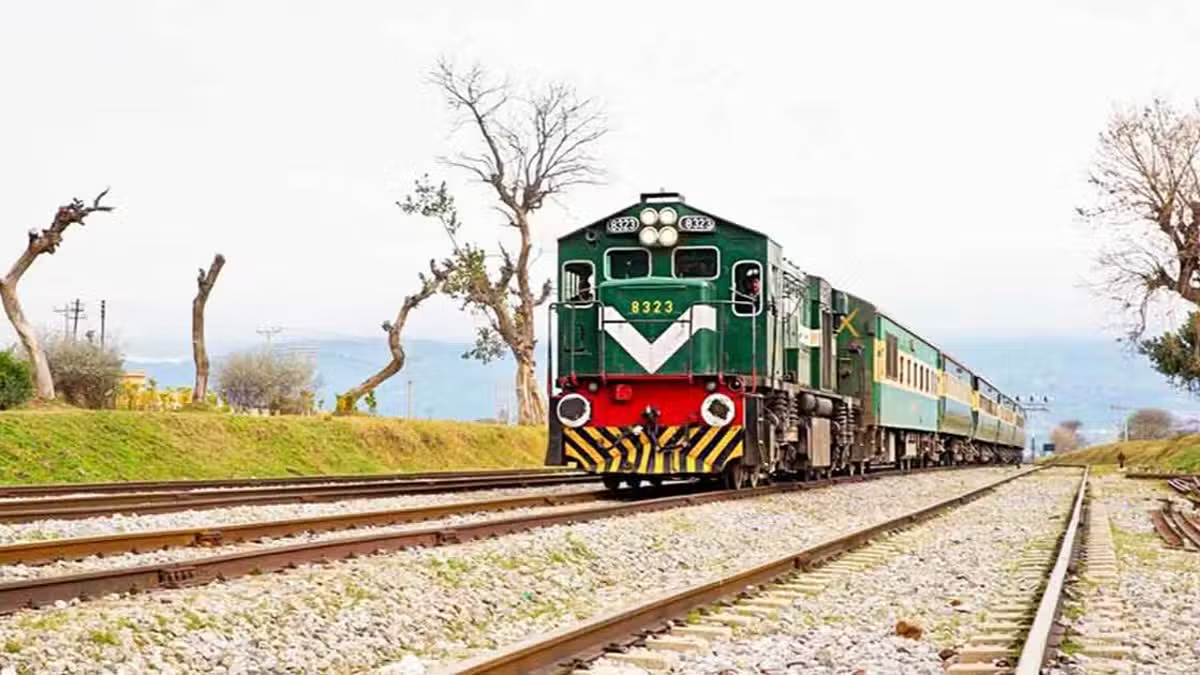
Pakistan Railways to Inaugurate Modern Karachi Railway Station in September in September

The development of Pakistan’s railway infrastructure is reaching new heights as Minister for Railways, Muhammad Hanif Abbasi, announced the inauguration of a modern railway station in Karachi on September 10. This significant milestone is part of the government’s broader vision to revamp the railways and improve passenger experience throughout the country. Abbasi made these remarks during a media interaction at Faisalabad railway station, outlining the progress and ongoing reforms within Pakistan Railways.

Pushing Forward the Modernization Agenda

Minister Abbasi emphasized that Pakistan Railways is actively pursuing both short- and long-term projects in alignment with the Prime Minister’s vision to modernize the nation’s rail transport system. These projects are being implemented nationwide, ensuring improvements are not limited to major cities but extend across the entire network.

A prominent achievement is the complete digitization of the ticketing system, making booking more efficient and transparent for passengers. To further enhance passenger convenience, a train tracking system has been introduced, allowing real-time monitoring of train movements. Additionally, Automated Teller Machines (ATMs) have been installed at major stations, and free Wi-Fi services are being gradually rolled out at 40 Punjab railway stations with support from the provincial government.

Service Outsourcing and Quality Enhancement

A major part of the ongoing reforms includes the outsourcing of certain railway services, which is expected to be completed by September 30. This move covers 9 to 11 passenger and freight trains, guest houses, special saloons, hospitals, schools, and other facilities. The objective is to not only improve service quality but also to generate additional revenue streams for the department.

An innovative step has been taken regarding special saloons, which were traditionally reserved for senior railway officials. These saloons are now available to the public at affordable rates, enhancing access and utility for ordinary citizens.

Furthermore, cleanliness responsibilities at key railway stations have been handed over to solid waste management companies to ensure higher standards of hygiene. The quality of food available at railway stations will be monitored by respective provincial food authorities, with the goal of providing better and safer food options to passengers.

Massive Investments and Infrastructure Upgrades

Minister Abbasi revealed several major investment initiatives aimed at transforming Pakistan Railways. The Punjab government is investing Rs 50 billion in railway uplift projects, targeting the upgrade of eight critical routes within the province. Of even greater significance is the Rs 250 billion allocation dedicated to the construction of a new double track and a modern signal system between Lahore and Rawalpindi. This project alone is expected to reduce the travel time between these major cities to just 2 to 2.5 hours, marking a substantial improvement in intercity connectivity.

In addition to this, the government is planning the development of the Shahdara–Raiwind linear park and comprehensive station upgrades in Karachi, Lahore, Rawalpindi, and Taxila. Track improvement initiatives are also underway from Sheikh Zaid to Kuchlak in Balochistan, reflecting a holistic approach to railway development across diverse regions.

Collaborative Projects with Provincial Governments

Partnerships with provincial governments are playing a crucial role in the modernization drive. In Sindh, the Rohri station will be upgraded under a new agreement, further boosting the province’s rail infrastructure. The forthcoming inauguration of Karachi’s new railway station symbolizes the progress being made and the tangible benefits these projects will deliver to passengers and the national economy.

The multifaceted improvements, from digital services to infrastructural investments, position Pakistan Railways on a renewed trajectory of development. As these projects reach completion, the public can expect not only enhanced travel comfort and safety but also a more efficient rail network that aims to meet global standards.

Second Phase of Hajj 2026 Applications Begins in Pakistan

The Ministry of Religious Affairs in Pakistan has officially commenced the second phase for accepting applications for Hajj 2026. This new wave opens up further opportunities for aspiring pilgrims, including those who were not registered in the initial phase. With the process facilitated both online and through designated banks, the government aims to ensure a smooth and inclusive application experience for all eligible Pakistanis.

Application Process and Deadlines

The Ministry has clarified that applications in this second phase can be submitted through the official online portal as well as via designated banks until Saturday. This approach is designed to maximize accessibility, allowing applicants from across the country and even overseas to participate in the process seamlessly. The second phase is particularly significant as it welcomes unregistered intending pilgrims to submit their applications, ensuring that those who missed the first round still have a fair opportunity to embark on the sacred journey.

Spokesperson Muhammad Umar Butt announced that this phase will run from Monday to the following Saturday (August 11 to 16), offering a week-long window for submission. Along with the application, the first installment of Hajj expenses is also to be deposited at this stage, aligning with the Ministry’s schedule for completing necessary pre-Hajj formalities.

Special Provisions for Overseas Pakistanis

A notable feature in the application process for Hajj 2026 is the facilitation of overseas Pakistanis. Those residing abroad can submit their applications through the Ministry’s designated banks via a close relative in Pakistan. This provision acknowledges the significant population of Pakistanis living outside the country who wish to fulfill their religious obligations.

However, overseas applicants must provide a medical fitness certificate upon their arrival in Pakistan. This policy ensures that all pilgrims are physically capable of undertaking the demanding pilgrimage, prioritizing the health and safety of participants.

Response in the First Phase

The enthusiasm for Hajj 2026 among Pakistanis remains high. According to the Ministry’s data, over 71,000 applications were received during the first phase of the process. These applications were submitted through both the online portal and the designated banks, reflecting widespread interest from across the country.

Muhammad Umar Butt, the ministry spokesperson, confirmed the figures and reiterated the government’s commitment to a fair and transparent selection process. He emphasized that applicants who could not register in the first round now have an equal opportunity in the ongoing phase. The high volume of submissions in the first phase also indicates robust trust in the Ministry’s procedures and the overall Hajj arrangements.

Hajj Quota and Policy Distribution

Under the current policy, the total Hajj quota allotted to Pakistan for 2026 stands at 179,210 pilgrims. Of this, 70 percent—amounting to 119,210 pilgrims—is reserved for the government scheme. The remaining 30 percent, or 60,000 slots, are allocated to private tour operators. These figures are pending final approval by Saudi Arabian authorities, which is a standard part of the annual Hajj organizational process.

The dual-approach policy allows both direct government management and private facilitation, offering prospective pilgrims a choice in how they plan and execute their pilgrimage. This distribution aims to balance official oversight with the flexibility and personalized services that private operators can provide.

Key Steps for Applicants

Applicants are advised to carefully follow the guidelines issued by the Ministry of Religious Affairs. This includes submitting accurate information, ensuring the timely deposit of the first installment, and, for overseas applicants, arranging for medical certification before traveling. The Ministry has reiterated its commitment to transparency, efficiency, and the comfort of all applicants throughout the process.

Pakistan Face Selection Dilemma Over Fifth Bowler Ahead of ODI Series Decider

The Pakistani cricket team, under the leadership of Mohammad Rizwan, faces a crucial selection dilemma as they prepare for the series-deciding third ODI against West Indies. After their defeat in the rain-affected second game, questions have arisen about the effectiveness of their fifth bowling option—a factor that could play a pivotal role in deciding the outcome of the series.

Rain-Interrupted Contest Sets Up Series Decider

Pakistan began the three-match ODI series on a high, clinching victory in the opening encounter. However, the second ODI, truncated to 37 overs per side due to intermittent rain, saw Pakistan posting a competitive total of 171 for 7. Despite the efforts with the bat, the West Indies chased down the target with five wickets in hand, capitalizing on the gaps in Pakistan’s bowling attack.

Rain played a significant role throughout the match, causing several interruptions. Mohammad Rizwan, who has been leading the side with both the bat and his tactical acumen, acknowledged the impact weather had on their performance. The unpredictable conditions, combined with the pressure of a shortened game, placed a heavier burden on the team’s bowlers—especially the part-timers.

The Fifth Bowler Conundrum

A significant talking point after the second ODI was the role of the fifth bowler in Pakistan’s lineup. With the match shortened and frontline bowlers already under pressure, Pakistan turned to part-timers Saim Ayub and Salman Agha to fill the overs. However, the duo struggled to contain the West Indies batters, conceding a combined 66 runs in seven wicketless overs. This costly spell gave West Indies the momentum to level the series, setting up a finely balanced decider.

After the match, Rizwan openly recognized the challenge, stating, “You could say our fifth bowler gave away too many runs but in recent years, Salman Agha and Saim Ayub have both bowled well for us.” He further backed his players, reminding critics that both Ayub and Salman had delivered with the ball in previous matches, including the recent T20I series. “Saim didn’t have the best day today, but he performed well in the T20Is. That’s just part of the game,” Rizwan remarked, highlighting the unpredictable nature of cricket.

Assessing Team Combination for the Decider

With the series level at 1-1, Pakistan are now under pressure to find the right combination for the decisive third ODI. Rizwan stressed the importance of adaptability, especially with unpredictable weather and pitch conditions likely to influence the final selection. “We’re keeping our options open and will finalise the XI after assessing the conditions,” he asserted, indicating that a late decision would be made after reading the ground and weather on match day.

Pakistan’s challenge will be to balance their side—ensuring depth in batting while also fielding a bowling attack capable of applying sustained pressure. The dilemma over the fifth bowler may prompt the selectors to consider a specialist bowler or trust their part-timers to step up on the big occasion. The team’s decision could also be influenced by the success they enjoyed in the preceding T20I series, which they won 2-1.

Looking Ahead to the Series Decider

The series decider promises to be a tightly contested affair, with both teams showing flashes of brilliance. For Pakistan, the selection of the fifth bowler remains a critical decision point. Rizwan’s leadership and the team management’s ability to adapt to conditions will be tested, as they look to clinch another series victory against a resurgent West Indies side.

Pakistan Football Federation Makes History with First Female Manager for Men’s Team

In a groundbreaking move for gender equality in sports, the Pakistan Football Federation (PFF) has appointed Arooj Sohail Butt as the manager of the Pakistan men’s under-17 national team. This marks the first time in the country’s football history that a woman has been assigned to manage a boys’ national team at both domestic and international levels.

Arooj Sohail Butt’s Qualifications and Role

Arooj Sohail Butt, who previously served as the PFF’s safeguarding officer, holds certifications in safeguarding from FIFA, the Asian Football Confederation (AFC), and the South Asian Football Federation (SAFF). Her new role involves overseeing the under-17 squad as they prepare for the upcoming SAFF Championship and Asian qualifiers later this year.

PFF’s Commitment to Gender Equality and Professionalism

PFF officials stated that Butt’s appointment reflects the federation’s dedication to fostering an inclusive and professional environment where qualified women can assume leadership roles in football. The decision aligns with FIFA’s anti-discrimination policies and its mandate for the full participation of women at all levels of football governance, as outlined in its 2016 reforms.

Breaking Barriers in Pakistani Football

While women have long been involved in football at the grassroots level in Pakistan, their representation in high-performance and decision-making roles has remained limited. In 2019, the PFF Normalisation Committee took a progressive step by appointing Manizeh Zainli as general secretary. Now, with Butt’s historic appointment, the PFF aims to further dismantle gender barriers and encourage more women to take on strategic and operational roles in football administration.

Safeguarding Standards and Player Welfare

The appointment also underscores the PFF’s adherence to FIFA and AFC safeguarding standards, ensuring the protection of minors in sports. By placing a certified safeguarding expert in a leadership position, the federation reinforces its commitment to player welfare, professionalism, and institutional excellence.

7 Remarkable Health Benefits of Eating a Banana Daily

If you’re looking for a simple yet powerful way to improve your health, adding a banana to your daily diet could be one of the easiest and most effective changes you make. Bananas are not only naturally sweet and convenient but also packed with essential nutrients that offer numerous health benefits.

1. Supports Heart Health

Bananas are an excellent source of potassium, a vital mineral that helps regulate heart rate and maintain healthy blood pressure levels. Studies have shown that regular potassium intake can reduce the risk of hypertension and stroke, making bananas a heart-friendly food.

2. Strengthens Digestion

Rich in dietary fiber—particularly pectin and resistant starch—bananas promote smooth digestion. For those dealing with constipation, bananas act as a gentle, natural remedy by supporting bowel regularity and gut health.

3. Boosts Energy Levels

Bananas are a quick source of carbohydrates, making them an ideal snack before or after workouts. Their natural sugars provide an instant energy boost, which is why athletes often rely on them for quick replenishment.

4. Enhances Brain Function

Bananas contain vitamin B6, which plays a crucial role in brain health by aiding neurotransmitter function. This can lead to improved memory, focus, and overall mental alertness, making bananas a great brain-boosting food.

5. Reduces Risk of Chronic Diseases

Packed with antioxidants like dopamine and vitamin C, bananas help neutralize harmful free radicals in the body. This antioxidant activity can lower the risk of chronic conditions such as cancer, heart disease, and premature aging.

6. Improves Mood and Fights Depression

Bananas help increase serotonin production, often referred to as the “happy hormone.” This natural mood enhancer can reduce stress, alleviate symptoms of depression, and contribute to overall emotional well-being.

7. A Natural, Safe Snack—With a Note of Caution

While bananas are highly nutritious, they do contain natural sugars. People with diabetes should monitor their intake and balance it with other low-sugar fruits to maintain stable blood glucose levels.

Mohamed Salah Criticizes UEFA Over Tribute to Late Palestinian Footballer

Liverpool forward Mohamed Salah publicly criticized UEFA’s tribute to Suleiman Al-Obeid, the late Palestinian footballer known as the “Palestinian Pele,” after the European football governing body omitted details about the circumstances of his death. Al-Obeid, 41, was reportedly killed in an Israeli airstrike targeting civilians awaiting humanitarian aid in southern Gaza on Wednesday.

UEFA’s Tribute and Salah’s Response

UEFA honored Al-Obeid in a social media post, describing him as “a talent who gave hope to countless children, even in the darkest of times.” However, the statement did not mention how or where he died. Salah, one of the Premier League’s most prominent players, responded sharply on social media, asking: “Can you tell us how he died, where, and why?” UEFA has not yet commented on Salah’s remarks.

Palestine Football Association’s Statement

The Palestine Football Association (PFA) later shared a statement attributed to UEFA President Aleksander Ceferin, praising Al-Obeid as “proof of the joy that can flourish in the hearts of people despite hardship.” The statement added that the late footballer “gave his talent and dedication to the children of Gaza and gave their dreams a hope to blossom despite the suffering.”

The PFA also confirmed that Al-Obeid’s death was a significant loss to football and highlighted his role in inspiring young athletes in Gaza.

Football Community’s Loss in the Israel-Hamas Conflict

The PFA revealed that since October 2023, at least 325 players, coaches, referees, and football administrators from the Palestinian football community have been killed in the ongoing conflict. The war began after Hamas launched a cross-border attack on southern Israel on October 7, 2023, killing approximately 1,200 people and taking over 250 hostages, according to Israeli authorities.

Humanitarian Crisis in Gaza

Israel’s military response has led to widespread destruction in Gaza, displacing most of the enclave’s 2.3 million residents and pushing the region to the brink of famine, as reported by the United Nations. The UN also stated that more than 1,000 people have been killed near aid distribution sites since late May, when a U.S. and Israel-backed humanitarian aid system was introduced.

Salah, an Egyptian international, has been vocal about the need for humanitarian aid in Gaza throughout the conflict. His latest remarks reflect growing frustration over the lack of acknowledgment of Palestinian casualties in global football discourse.

Weather Update: Rainfall Predicted in Islamabad and Adjoining Areas

The Pakistan Meteorological Department (PMD) has forecast rainfall accompanied by strong winds in Islamabad and surrounding regions over the next few hours today (Sunday). According to the latest weather report, there is a 35 percent chance of rain in the federal capital, with partly cloudy conditions expected throughout the day.

Rainfall Expected in Potohar Region and Northeastern Punjab

The Met Office has indicated that heavy rainfall is likely in the Potohar region and certain areas of northeastern Punjab. Cities such as Lahore, Sialkot, Jhelum, Attock, and Gujrat may also experience showers. Residents in these areas should prepare for possible disruptions due to thunderstorms and gusty winds.

Khyber Pakhtunkhwa to Receive Rain with Thunderstorms

Several districts in Khyber Pakhtunkhwa, including Swat, Dir, Kohistan, Mansehra, Kohat, Abbottabad, and Malakand, are expected to receive rainfall accompanied by thunderstorms. The weather conditions may lead to temporary road closures and reduced visibility, urging commuters to exercise caution.

Hot and Humid Weather in Sindh and Balochistan

While parts of northern Pakistan brace for rain, most areas of Sindh will continue to experience hot and humid weather. However, southeastern coastal districts, including Karachi, may receive light rainfall or drizzle under partly cloudy skies.

Similarly, Balochistan is expected to remain hot and humid, with no significant rainfall predicted in the region. Residents are advised to stay hydrated and avoid prolonged exposure to the sun.

Rainfall Data from Last 24 Hours

Over the past day, hot and humid conditions prevailed across most of the country, with intermittent rain in northeastern Punjab, Bannu, and Islamabad. Lahore recorded the highest rainfall, with Paniwala Talab receiving 86mm, Farrukhabad 85mm, Laxmi Chowk 83mm, and Nishtar Town 81mm.

The Met Office continues to monitor weather patterns and will issue further updates as conditions evolve.

OEC Announces Job Openings in Kuwait for Pakistani Professionals

The Overseas Employment Corporation (OEC), functioning under the Ministry of Overseas Pakistanis and Human Resource Development (OP&HRD), has unveiled new employment opportunities in Kuwait. This follows Kuwait’s decision to reinstate its visa policy for Pakistan, opening doors for skilled Pakistani workers to explore career prospects in the Gulf nation.

According to the Associated Press of Pakistan (APP), this move presents a significant opportunity for Pakistani professionals. The Kuwaiti labor market is actively seeking skilled workers from Pakistan, driven by the government’s business-friendly policies and the increasing global demand for the country’s workforce.

Eligibility Criteria for Kuwait Jobs

To qualify for these job openings, applicants must meet the following requirements:

  • Age below 35 years
  • Diploma or bachelor’s degree in a relevant field
  • Strong English communication skills (knowledge of Arabic will be an added advantage)
  • Excellent customer service abilities
  • 3–5 years of experience in retail warehouse operations (preferably with firms like Agility or Sea Gold)
  • Prior work experience in GCC countries will be considered a plus

Application Process for OEC Kuwait Jobs

Interested candidates can apply for these positions by following the steps below:

  1. Visit the official OEC job portal.
  2. Select the desired position from the available listings.
  3. Fill out the online application form with accurate details.
  4. Generate and deposit the Rs500/- bank challan as an application fee.
  5. Upload all required documents along with the challan receipt.
  6. Submit the completed application before the deadline on August 15, 2025.

Kuwait’s Renewed Interest in Pakistani Workforce

This recruitment drive is part of Kuwait’s renewed efforts to hire skilled professionals from Pakistan. The country aims to leverage Pakistan’s diverse and experienced workforce to meet its labor market demands. With a strong emphasis on skilled labor, Kuwait’s decision to restore visa policies for Pakistanis reflects confidence in the country’s human resource capabilities.

The OEC continues to facilitate employment opportunities abroad, ensuring that Pakistani workers meet international standards and contribute effectively to global economies.