







World Bank Approves $48.9 Million Grant for Education in Punjab

A Major Boost for Punjab’s Education Sector

The World Bank has approved a $48.9 million grant under the Global Partnership for Education (GPE) Fund to strengthen and expand access to education in Punjab, Pakistan. The initiative, titled Getting Results: Access and Delivery of Quality Education Services and System Transformation in Punjab, is designed to transform the education landscape of the province by addressing critical gaps in access, quality, and inclusivity.

Punjab, the most populous province of Pakistan, faces immense challenges in ensuring quality education for all. This project aims to benefit more than 4 million children, creating an opportunity for large-scale impact in both formal and non-formal education systems.

Reaching the Most Vulnerable Groups

A defining feature of this program is its inclusivity. Among the 4 million children expected to benefit, special attention will be given to out-of-school children, differently-abled learners, and students from marginalized communities. According to project details, over 80,000 out-of-school students will be brought into classrooms, while 140,000 differently-abled children will receive targeted support to ensure their right to education.

By focusing on these vulnerable groups, the initiative seeks to reduce disparities in access and bridge the gap between privileged and underprivileged segments of society. Officials have emphasized that inclusivity remains at the heart of this effort, ensuring no child is left behind.

Empowering Teachers and School Leaders

Teachers form the backbone of any education system, and this project recognizes their crucial role in transforming learning outcomes. More than 100,000 teachers and school leaders in Punjab will receive comprehensive training under the program.

The training modules will emphasize foundational learning skills, modern teaching methodologies, and strategies to foster inclusive classrooms. Additionally, climate resilience will be a core theme, preparing educators to deal with challenges posed by environmental changes that directly impact schools and communities. This approach is expected to create a new generation of educators equipped to deliver quality and sustainable education.

Strengthening Education Systems

Beyond direct support to students and teachers, the project will also focus on system transformation. Key reforms are planned in areas such as monitoring and evaluation, data-driven decision-making, and resource allocation. By improving governance and accountability within the education sector, the initiative aims to ensure long-term sustainability and effectiveness.

Officials stress that the project is not just about increasing enrollment numbers but also about improving the quality of learning outcomes. Through investments in both policy reforms and on-the-ground initiatives, Punjab’s education system is expected to undergo significant modernization.

A Step Toward Long-Term Development

The approval of this grant underscores the importance of education as a driver of social and economic development. With Pakistan facing one of the highest numbers of out-of-school children globally, targeted investments such as this are crucial to breaking cycles of poverty and inequality.

Education experts believe that the project will not only uplift millions of children but also contribute to the broader goals of national development by creating a more skilled, resilient, and inclusive society. The World Bank’s support highlights international recognition of Pakistan’s commitment to improving education outcomes, especially in provinces like Punjab where the needs are immense.

Pakistan Condemns India Over Sudden Water Release into Sutlej River

Unprecedented Flood Crisis in Punjab

Pakistan has raised strong objections after India released a massive volume of water into the Sutlej River, a move that has worsened flood conditions across Punjab. The sudden discharge, carried out without prior coordination, has led to widespread devastation in several districts. Villages now lie submerged, crops have been destroyed, and thousands of residents have been forced to leave their homes in search of safety.

Emergency officials in Punjab are working tirelessly to manage the crisis, but the scale of destruction continues to rise as floodwaters spread across vast areas. Local authorities are warning that the situation remains volatile, with several embankments under severe stress.

Violation of the Indus Waters Treaty

The latest development has sparked serious concerns over India’s adherence to the Indus Waters Treaty, a landmark water-sharing agreement signed in 1960 under the mediation of the World Bank. The treaty outlines mechanisms for information-sharing and cooperation between the two countries over the use of shared rivers.

By releasing such a large volume of water without prior notice, officials argue that India has acted irresponsibly and undermined the spirit of the treaty. Pakistan’s Ministry of Foreign Affairs has called the act “reckless and dangerous,” stressing that water issues between the two neighbors must be managed transparently to prevent humanitarian crises. Analysts believe this incident may further fuel tensions between the two nuclear-armed nations, already burdened with a history of strained relations.

Impact on Agriculture and Rural Communities

One of the most severe consequences of the flood has been the destruction of standing crops across Punjab, an agricultural heartland that provides a major share of Pakistan’s food supply. Farmers, already grappling with rising input costs, now face immense losses as fields of rice, maize, and sugarcane have been drowned under floodwaters.

Rural communities remain the most vulnerable in this disaster. Entire families have been displaced, livestock swept away, and essential infrastructure including roads and schools damaged beyond repair. Relief camps have been established in affected districts, but the influx of displaced people has created pressure on resources, raising fears of food shortages and health crises in the days ahead.

Emergency Response and Precautionary Measures

Authorities have deployed rescue teams, including military units, to evacuate stranded residents and provide immediate relief. Boats, helicopters, and medical camps are being used to assist flood victims. The National Disaster Management Authority (NDMA) has urged people living in low-lying areas to relocate to safer ground until the water levels recede.

Hospitals in the flood-hit zones have been put on emergency footing as concerns grow over waterborne diseases and outbreaks of infections. Clean drinking water and sanitation facilities remain scarce in many areas, increasing the risk of public health emergencies.

Rising Humanitarian Concerns

Humanitarian organizations operating in the region have emphasized the urgent need for coordinated relief efforts. Food, tents, medicines, and clean water are the most pressing requirements for those displaced. Reports from affected areas suggest that children and elderly individuals are facing the most difficulty in coping with the crisis.

The psychological toll of repeated floods is also weighing heavily on communities. Many of those affected have experienced similar disasters in recent years, leaving them with little means to rebuild their lives. The recurring cycle of displacement and loss has raised calls for long-term flood management and infrastructure investment in vulnerable regions.

Broader Geopolitical Repercussions

Beyond the immediate humanitarian disaster, the sudden release of water has triggered a diplomatic storm. Relations between Pakistan and India have long been strained, and water disputes are among the most sensitive issues between the two countries. Political experts argue that such unilateral actions not only endanger lives but also escalate regional instability.

The incident has highlighted the urgency of stronger bilateral mechanisms for water management, as climate change continues to increase the unpredictability of river flows. Without dialogue and cooperation, future disputes over transboundary water resources risk becoming even more destructive.

Engineer Muhammad Ali Mirza Arrested in Jhelum, Academy Sealed by Authorities

Arrest under MPO Law

Religious scholar and public speaker Engineer Muhammad Ali Mirza has been arrested by Jhelum police under Section 3 of the Maintenance of Public Order (MPO). The arrest was made on the directives of the Deputy Commissioner of Jhelum, with Mirza later shifted to jail. Authorities described the move as a preventive measure to maintain public order under the MPO law.

Academy Locked and Sealed

In addition to the arrest, officials have sealed Engineer Mirza’s academy, locking its premises to prevent gatherings or activities. The action comes amid increased scrutiny of religious institutions across Punjab, with local authorities enforcing strict monitoring procedures.

Background of the Case

Section 3 of the MPO gives district administrations the authority to detain individuals whose activities are deemed a potential threat to peace and security. Officials said the decision was made in the larger interest of maintaining stability in the district.

The sealing of Mirza’s academy is seen as a significant administrative step, aimed at halting any potential unrest or gatherings that could have followed his arrest. Reports suggest law enforcement agencies remain on high alert in the region.

Reaction and Impact

The arrest has sparked debate online, with supporters demanding his release and critics pointing to the government’s justification of maintaining public order. The incident adds to the growing discussions around freedom of expression, administrative controls, and religious discourse in Pakistan.

Observers believe the coming days will be crucial in determining whether the arrest is a temporary measure or leads to a prolonged legal and political development.

Pakistan Announces Squad for Women’s Cricket ODI World Cup 2025

The Pakistan Cricket Board (PCB) has officially unveiled its 15-member squad for the highly anticipated Women’s Cricket ODI World Cup 2025, set to be held from September 30 to November 2. The tournament will be jointly hosted by India and Sri Lanka, with Pakistan scheduled to play all of its fixtures in Sri Lanka. The announcement marks the beginning of Pakistan’s preparations for one of the most significant events in women’s cricket.

Preparations Ahead of the World Cup

Before stepping onto the global stage, the Pakistan women’s team will fine-tune its skills in a three-match ODI series against South Africa. This preparatory series will be crucial for testing combinations, evaluating form, and providing match practice under international conditions. The series is also expected to help players acclimatize to the competition pressure before the World Cup.

Fresh Faces Set for World Cup Debut

One of the highlights of the squad announcement is the inclusion of several promising players who will make their World Cup debuts. Among them are Natalia Parvez, Ramin Shamim, Sadaf Shams, Sadia Iqbal, Shawal Zulfiqar, and Syeda Aroob Shah. These young cricketers represent the next generation of Pakistan women’s cricket and bring fresh energy and talent to the side. Their performances in domestic cricket and recent international outings have impressed selectors, earning them a place on the global stage.

Changes from the Qualifiers Squad

The selectors have made two changes from the squad that competed in the ICC World Cup Qualifiers. Wicketkeeper-batter Gul Feroza and all-rounder Najiha Alvi have been left out of the main squad but have been named among the reserves. The decision reflects the selectors’ desire to strike a balance between experienced campaigners and emerging players capable of handling the high-pressure environment of a World Cup.

Leadership and Experience

All-rounder Fatima Sana has been entrusted with the captaincy, a role she has grown into over the past year. Her leadership qualities, combined with her ability to contribute with both bat and ball, make her central to Pakistan’s campaign. Supporting her are seasoned players such as Sidra Amin, Diana Baig, Alia Riaz, and Omaima Sohail, who bring valuable experience and stability to the team.

The inclusion of reliable performers like Nashra Sindhu and Muniba Ali Siddiqui ensures Pakistan has strength in both bowling and batting departments. Together, this mix of youth and experience offers Pakistan the flexibility to adapt to varying conditions in Sri Lanka.

The Complete Squad

Pakistan’s 15-member squad for the Women’s Cricket ODI World Cup 2025 is as follows:

  • Fatima Sana (captain)
  • Muniba Ali Siddiqui
  • Alia Riaz
  • Diana Baig
  • Iman Fatima
  • Nashra Sindhu
  • Natalia Parvez
  • Omaima Sohail
  • Ramin Shamim
  • Sadaf Shams
  • Sadia Iqbal
  • Shawal Zulfiqar
  • Sidra Amin
  • Sidra Nawaz
  • Syeda Aroob Shah

Reserves: Gul Feroza, Najiha Alvi, Tuba Hassan, Umme Hani, Waheeda Akhtar.

Building Momentum in Women’s Cricket

The announcement of the squad highlights the PCB’s commitment to building momentum in women’s cricket by investing in emerging talent while maintaining a solid core of experienced players. Pakistan’s women’s cricket team has steadily progressed in recent years, and the 2025 World Cup provides an opportunity to showcase its development on the international stage.

With the World Cup being co-hosted by India and Sri Lanka, the conditions are expected to be spin-friendly, which could favor Pakistan’s bowling unit. The selectors’ decision to include multiple spinners, including Nashra Sindhu, Sadia Iqbal, and Syeda Aroob Shah, underlines their strategy to exploit these conditions.

Reserves Ready for Opportunities

While Gul Feroza and Najiha Alvi miss out on the main squad, their inclusion in the reserves keeps them in close contention. Alongside them, Tuba Hassan, Umme Hani, and Waheeda Akhtar are also on standby, ensuring Pakistan has reliable backups should the need arise during the tournament. The reserves will train with the main squad, providing additional depth and competition for spots.

Lyten Iithium-sulfur : batteries Lyten’s Bold Move to Revive Europe’s EV Battery Ambitions

Silicon Valley startup Lyten has stepped into the spotlight with a bold attempt to succeed where Sweden’s Northvolt failed. By acquiring the bankrupt EV battery maker’s assets, Lyten aims to position itself as a potential European champion in electric vehicle batteries, a sector critical for reducing the region’s dependence on China.

From Northvolt’s Collapse to Lyten’s Gamble

Northvolt, once hailed as Europe’s answer to Asian battery dominance, collapsed earlier this year under $8 billion in debt after losing investor confidence, failing to meet production targets, and missing crucial orders. Its demise left Europe’s hopes of a self-sufficient EV battery industry in question. Lyten’s acquisition of Northvolt’s assets on August 7 came as a surprise, offering a potential lifeline to Europe’s battery production efforts.

While the terms of the deal remain undisclosed, Lyten confirmed that it had purchased Northvolt’s assets at a “substantial discount,” fully funded by private equity investors. The company plans further capital raises and intends to tap into European grant programs such as the EU’s battery booster package.

Lithium-Sulfur: A New Frontier

Lyten’s focus is not solely on lithium-ion production inherited from Northvolt. Its primary ambition lies in developing lithium-sulfur batteries, a next-generation chemistry touted for being lighter, lower-cost, and less dependent on critical minerals from China. Currently, Lyten produces these cells at a pilot plant in Silicon Valley but aims to scale operations rapidly with Northvolt’s facilities.

According to CEO Dan Cook, the acquisition could accelerate large-scale lithium-sulfur EV battery production to 2028, ahead of earlier forecasts that placed commercialization at the decade’s end. However, industry experts caution that lithium-sulfur may not be viable for mass-market cars before 2030 due to technical hurdles around cycle life and stability.

Winning Over Cautious Carmakers

Despite its ambitions, Lyten faces the daunting task of convincing carmakers and investors wary of another Northvolt-like collapse. Customers such as Volkswagen, Volvo, and Scania, once aligned with Northvolt, remain reluctant to commit until Lyten proves it can deliver consistent quality at scale.

Stellantis, which owns a 2% stake in Lyten, has been testing applications of its technology since 2023. A spokesperson for the automaker emphasized that any supply deals would hinge on technical validation, industrial scale-up, and local production capacity. Similarly, BMW, which previously canceled a €2 billion order with Northvolt, has expressed interest in a sustainable European supplier but insists that agreements require a long lead time.

The Valley of Death Challenge

Lyten’s takeover provides it with access to advanced production and research facilities, including what former Northvolt executives described as one of the most advanced battery research centers in Europe. Still, the startup must navigate what experts call the “valley of death”—a period of unprofitable production before reaching economies of scale.

Emma Nehrenheim, head of the European Battery Alliance, noted that it could take over five years and substantial government subsidies for European battery makers to compete with Asia. China, for instance, spent nearly two decades and more than $150 billion to achieve its current dominance. Without sustained financial and political support, Lyten risks repeating Northvolt’s struggles.

Competition in the Global Battery Race

Lyten is far from alone in the race to develop next-generation EV batteries. Germany’s Theion, Australia’s Gelion, and U.S.-based Zeta Energy are also pursuing lithium-sulfur technology. Meanwhile, Chinese giants such as CATL are advancing semi-solid and solid-state chemistries, which are further along in development and closer to commercial readiness.

Lyten’s Chief Sustainability Officer Keith Norman expressed optimism, stating that the company has already been working with automaker partners for two years on testing lithium-sulfur technology. By linking Silicon Valley’s research expertise with Northvolt’s European facilities, Lyten hopes to accelerate innovation and surprise the market with its pace of development.

Investor Backing and Industry Skepticism

Lyten’s financial model relies heavily on private equity and high-net-worth investors. CEO Dan Cook said the company is building syndicates of investors to sustain funding needs, a critical factor as it attempts industrial scale-up. However, analysts highlight that unlike Northvolt, which once boasted a $50 billion order book, Lyten currently lacks major supply contracts to guarantee long-term revenue.

Industry experts argue that while Lyten’s acquisition rekindles Europe’s hopes, its ultimate success depends on bridging the gap between laboratory innovation and industrial-scale production—a hurdle that has challenged battery startups worldwide.

Pakistan Railways Unveils High-Speed Bullet Train Project

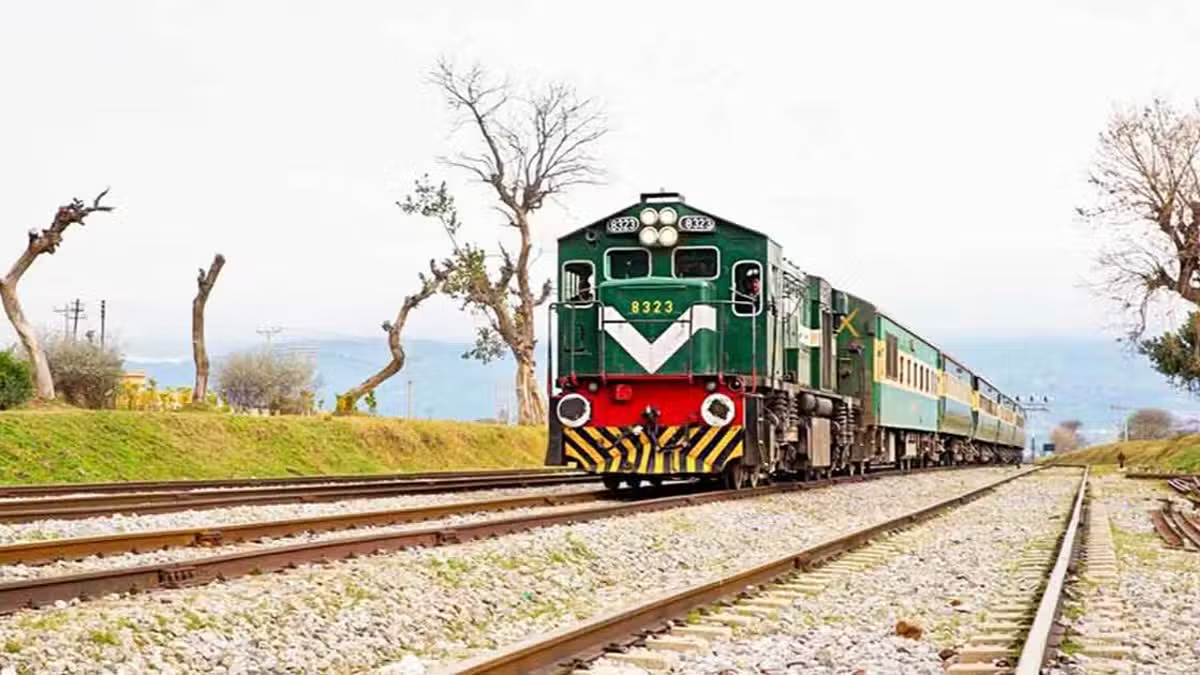
ISLAMABAD: Pakistan Railways has announced a landmark initiative to introduce a high-speed bullet train between Lahore and Karachi by 2030. The ambitious project aims to reduce travel time between the two provincial capitals from nearly 20 hours to just five, marking a new era in the country’s transport infrastructure.

Part of the ML-1 Corridor Upgrade

The bullet train initiative will form a crucial part of the Main Line 1 (ML-1) project, a $6.7 billion modernization of the Karachi–Peshawar railway corridor. This corridor is one of the most significant undertakings under the China-Pakistan Economic Corridor (CPEC) framework. According to official details, the ML-1 project will revitalize Pakistan’s aging railway system, enabling faster, safer, and more efficient train operations.

Cutting-Edge Speed and Connectivity

Railways Minister Hanif Abbasi revealed that the proposed bullet trains will operate at speeds of up to 250 kilometers per hour. Major stops along the 1,215-kilometer route will include Hyderabad, Multan, and Sahiwal, ensuring that passengers in multiple regions can benefit from rapid travel. This high-speed connectivity is expected to transform intercity travel, making rail transport a competitive alternative to air travel for millions of passengers.

Chinese Support in Development

The project is being developed with technical and financial support from China. The China Railway Construction Corporation (CRCC) is expected to play a leading role in implementing the bullet train system. This collaboration reflects the deepening infrastructure partnership between Pakistan and China under the broader CPEC initiative.

Major Infrastructure Upgrades

The ML-1 modernization involves much more than just faster trains. The project will include laying dual tracks, reconstructing old bridges, and installing advanced signaling systems to ensure safety and reliability. These improvements are designed to eliminate bottlenecks, reduce delays, and accommodate higher traffic volumes across Pakistan’s busiest railway corridor.

Boost to Freight and Economic Growth

Beyond enhancing passenger services, the project has a significant focus on freight transport. Officials estimate that rail’s share of freight will increase from 4 percent to 20 percent by 2030. This shift could relieve pressure on Pakistan’s road networks, cut transportation costs for industries, and make the supply chain more efficient. Faster and larger freight movement is also expected to stimulate economic activity across multiple sectors, including agriculture, manufacturing, and retail.

Job Creation and Employment Opportunities

One of the major benefits of the high-speed rail project is its potential to generate employment. Thousands of jobs are expected during the construction phase, ranging from engineering and construction roles to logistics and supply. Once operational, the bullet train system will create long-term positions in operations, maintenance, and administration, providing a steady source of income for many families.

Reducing Dependence on Road Transport

Pakistan has long relied heavily on road transport, which consumes billions of dollars in imported fuel annually. By offering a reliable and energy-efficient rail alternative, the bullet train project could significantly reduce fuel imports and cut down on the country’s dependence on expensive road-based freight and passenger travel. This transition aligns with global trends where countries are increasingly turning to rail as a sustainable and cost-effective transport solution.

Addressing Challenges in Pakistan’s Rail Sector

For decades, Pakistan Railways has struggled with underinvestment, outdated technology, and chronic inefficiencies. Despite operating over 7,700 kilometers of track, the system has faced frequent delays, declining ridership, and limited freight share. The high-speed rail initiative, along with broader ML-1 upgrades, is seen as a long-overdue effort to modernize the sector, restore public confidence, and bring the railway system in line with international standards.

A Transformative Leap for Pakistan’s Transport Future

The launch of a bullet train between Lahore and Karachi represents more than just a transportation upgrade; it symbolizes a transformative leap for Pakistan’s infrastructure and economy. If successfully implemented, the project could redefine how people and goods move across the country, placing Pakistan alongside nations that have embraced high-speed rail as a driver of progress.

Farhan Ghani Handed Over to Police on Transit Remand

High-Profile Arrest in Karachi

In a significant development in Karachi, Farhan Ghani, Chairman of Chanesar Town and brother of Sindh Local Government Minister Saeed Ghani, was handed over to the police on a one-day transit remand. The decision followed allegations stemming from a violent confrontation on Shahrah-e-Faisal, where a government official claimed he was attacked while supervising fiber optic cable work.

The case has quickly gained attention, not only because of the high-profile family ties but also due to the serious nature of the charges framed under the Anti-Terrorism Act (ATA).

FIR Filed Against Farhan Ghani and Associates

The case originates from an FIR filed by Hafiz Sohail Ahmed, a government official overseeing public works. According to the FIR, 20–25 armed men allegedly assaulted him and obstructed his duty while he was supervising fiber optic cable installation.

The complaint accuses Farhan Ghani and several others of orchestrating the attack, with charges including:

  • Terrorism under Section 7 of the ATA
  • Attempted murder
  • Criminal intimidation

Such grave allegations elevate the case beyond ordinary criminal proceedings, placing it under the jurisdiction of anti-terrorism courts.

Surrender at Firozabad Police Station

Following the registration of the FIR, Farhan Ghani and other accused individuals surrendered at Firozabad Police Station. Their decision to turn themselves in has been seen as a step aimed at cooperating with law enforcement while seeking to clear their names in court.

The police subsequently produced Farhan Ghani before the court, which granted a one-day transit remand to allow authorities to carry out initial investigations before transferring him to the relevant jurisdiction.

Saeed Ghani Responds to Brother’s Arrest

Sindh Local Government Minister Saeed Ghani confirmed the arrest and emphasized that his brother and the other accused would defend themselves through legal channels. He maintained that the case would be contested in court and that the accused were prepared to prove their innocence.

Saeed Ghani also pointed out that while the law should take its course, the matter must not be politicized. His statement reflects an effort to balance public accountability with the defense of his family’s reputation amid heightened media scrutiny.

Legal and Political Implications

The arrest of Farhan Ghani has sparked debate in Karachi’s political and legal circles. Being the brother of a sitting provincial minister, the case carries significant political weight. Analysts suggest that the proceedings will be closely monitored, as they could set a precedent for how allegations involving politically connected individuals are handled.

The use of Section 7 of the Anti-Terrorism Act is particularly notable. Originally designed to deal with acts of terror and grave threats to public security, its application in cases of political or administrative disputes has often been criticized. Legal experts are already questioning whether the charges accurately reflect the nature of the incident or whether the Act is being stretched beyond its intended purpose.

Public and Media Reaction

The case has stirred public curiosity, with citizens and commentators pointing to the increasing intersection of politics, law enforcement, and governance in Karachi. For many, the incident highlights the persistent challenges faced by government officials working in the field, who often find themselves in disputes with local representatives or influential figures.

Meanwhile, media coverage has focused heavily on the Ghani family’s role in Karachi’s political landscape. As Farhan Ghani faces court proceedings, the story continues to dominate headlines, fueling both political debate and legal discourse.

Next Steps in the Case

With the transit remand granted, the police are expected to intensify their investigation, including statements from eyewitnesses, examination of CCTV footage, and forensic analysis where applicable. The authorities will also scrutinize whether the alleged assault posed a broader threat to public order, which would justify the terrorism-related charges.

The outcome of the case will depend on the evidence presented in court and whether prosecutors can substantiate claims of terrorism and attempted murder against Farhan Ghani and his co-accused. Until then, the matter remains one of Karachi’s most closely watched legal battles in recent months.

Armed Robbery at DHA Karachi Residence of Senior Officials

Early Morning Heist in Phase V

In a shocking incident that has raised fresh concerns over security in Karachi, five armed robbers targeted the Phase V residence of SSP Tauheed ur Rehman Memon and Sindh government spokesperson Syeda Aqraba in the upscale Defence Housing Authority (DHA) area. The robbery took place at around 5:15 a.m., when the assailants stormed the house and held the family members hostage at gunpoint.

The incident has left the city rattled, as it not only exposed the vulnerability of even high-profile officials but also highlighted the brazenness with which organized gangs are operating in the metropolis.

Family Held Hostage at Gunpoint

According to initial reports, the robbers entered the residence after overpowering the on-duty security guard, leaving the household defenseless. Once inside, they confined the family members to a room at gunpoint, ensuring no resistance was offered while they carried out the heist.

The ordeal lasted for several tense minutes, during which the armed men systematically searched the house and took away valuables of significant worth. The traumatic experience has raised concerns not only about the rising trend of house robberies but also about the mental toll such violent encounters can have on victims.

Loot Worth Over Rs 20 Million

The robbers managed to flee with valuables worth more than Rs 20 million. Among the stolen items were:

  • Foreign currency amounting to Rs 9 million
  • Cash worth Rs 1 million
  • Gold jewelry valued at Rs 11 million
  • Multiple mobile phones belonging to the family

The scale of the loss and the meticulous planning behind the robbery suggest that the perpetrators had prior information about the household. This raises troubling questions about whether high-profile officials are being specifically targeted by criminal networks.

FIR Registered and Investigation Launched

Following the robbery, an FIR (First Information Report) was registered at the local police station. The Sindh Home Minister has ordered an immediate and detailed investigation, with special directives to review CCTV footage from both the residence and nearby areas to trace the movements of the culprits.

Authorities have assured that every effort will be made to apprehend the suspects and recover the stolen valuables. Law enforcement agencies are also looking into possible insider involvement, given the timing and precision of the robbery.

Political and Security Reactions

The high-profile nature of the victims has sparked a broader debate about the deteriorating law and order situation in Karachi. Critics argue that if senior police officials and government spokespersons are not safe in their own homes, ordinary citizens are left even more vulnerable to such crimes.

Political circles and security analysts have pointed out the need for comprehensive reforms in policing, better surveillance systems in residential neighborhoods, and stronger accountability measures for private security companies.

The incident has also reignited calls for a citywide crackdown on organized gangs operating in Karachi, many of whom are believed to be behind recent surges in house robberies, street crimes, and targeted lootings.

DHA Residents Express Concern

Residents of DHA, one of Karachi’s most secure and upscale neighborhoods, have voiced concerns over the alarming rise in crimes within the locality. The robbery has served as a grim reminder that even gated communities are not immune to violent crimes.

Community members are urging authorities to increase patrols, strengthen neighborhood surveillance, and upgrade security protocols, including better-equipped guards and more reliable monitoring systems.

The latest incident not only underlines the city’s ongoing battle with urban crime but also challenges law enforcement agencies to restore public trust by ensuring that justice is served swiftly and visibly.

Australia Thrash South Africa with Record-Breaking Batting Display

Historic Day at Mackay

On August 24, 2025, the Great Barrier Reef Arena in Mackay witnessed a breathtaking exhibition of power-hitting as Australia registered one of their highest-ever One Day International totals. In the third ODI against South Africa, the home side stormed to 431/2, missing the world-record mark of 434 by just three runs but leaving a lasting imprint on ODI history. The performance was built on a foundation of dominance from the openers, complemented by a late-innings onslaught that kept the crowd in awe until the very last ball.

Head and Marsh Lead with Record Partnership

The opening duo of Travis Head and Mitchell Marsh set the stage with a partnership that will be remembered for years. Head, in sublime form, struck a magnificent 143 off 102 balls, mixing precision with aggression to dismantle the South African attack. His ability to find gaps and his calculated risk-taking gave Australia a flying start.

Marsh, on the other hand, provided the perfect anchor. His 100 off 106 deliveries reflected patience and control, ensuring the team had stability while Head accelerated. Together, they stitched a 250-run stand—the highest opening partnership ever recorded against South Africa in ODIs. The previous record stood for over a decade, but the Australian pair’s chemistry and aggression took batting partnerships to a new dimension.

Cameron Green’s Explosive Knock

If Head and Marsh laid the platform, Cameron Green provided the fireworks. Walking in with a strong base already set, Green unleashed an innings of raw power and audacity. His 118 not out from just 55 balls stunned the South African bowlers and delighted fans. In the process, he registered the second-fastest ODI century in Australian history, showing the cricketing world yet again why he is considered one of the most dangerous young all-rounders.

Green’s innings was decorated with towering sixes, innovative strokes, and fearless aggression. By the time he was done, the South African bowlers had run out of ideas, and the scoreboard reflected a monumental total that carried echoes of Australia’s famous 434 against the same opponents back in 2006.

Australia’s Near-Record Total

While Australia narrowly missed surpassing the all-time ODI record of 434, their 431/2 became one of the highest totals in the team’s history. The innings was a blend of classical stroke play from the openers and modern-day power hitting from the middle order. For spectators, it was more than just runs—it was a showcase of how ODI cricket has evolved, with teams consistently pushing the boundaries of what was once thought impossible.

The dominance also highlighted Australia’s depth in batting. Even with big names missing or playing secondary roles, the lineup showed that it could rise to the occasion and dismantle one of the strongest bowling attacks in world cricket.

South Africa Left Searching for Answers

For South Africa, the day was one to forget. Their bowlers struggled from the very start, unable to break the opening stand and later finding themselves at the mercy of Cameron Green’s whirlwind knock. Every tactical change, whether pace or spin, seemed to fall flat against the Australian onslaught.

The Proteas, historically known for their resilience and pace attack, looked rattled on a pitch that offered no respite. The inability to find breakthroughs early in the innings set the tone for a long, punishing day in the field.

Significance of the Performance

Australia’s batting display in Mackay will be remembered not only for its sheer volume of runs but also for the way milestones were achieved. The record-breaking opening stand against South Africa, Green’s rapid century, and the near miss of the world-record total all combine to form one of the most memorable batting performances in modern ODI history.

For cricket fans, it was a reminder of the thrill that ODIs can still produce in an era often dominated by the shortest format. For South Africa, it was a wake-up call to regroup and find answers ahead of the remaining matches.

Pakistan Gaza relief : Pakistan Dispatches 19th Relief Consignment to Gaza

On August 23, Pakistan sent its 19th humanitarian relief consignment to Gaza, reaffirming its continued commitment to supporting Palestinians in need. Coordinated by the National Disaster Management Authority (NDMA) in collaboration with the Alkhidmat Foundation, the shipment carried 100 tons of essential supplies, bringing Pakistan’s total assistance to Gaza to 1,915 tons since October 2023.


Essential Supplies for Gaza’s People

The latest consignment was designed to meet immediate humanitarian needs. It included flour, ready-to-eat meals, cooking oil, jam, and fruit cocktails—items carefully selected to provide nutrition and sustenance to families struggling amid shortages.

With ongoing restrictions and limited access to resources in Gaza, such aid packages serve as lifelines. By focusing on non-perishable and ready-to-consume food products, the consignment ensures that recipients can make immediate use of the supplies without heavy reliance on cooking facilities, which are often disrupted during conflict.


Ceremony at Lahore Airport

A send-off ceremony was held at Allama Iqbal International Airport, Lahore, to mark the dispatch of the relief cargo. Senior representatives from the NDMA and members of the Punjab Assembly were present, underscoring the significance of Pakistan’s humanitarian commitment.

Officials praised the ongoing efforts of Pakistani institutions and charitable organizations that have consistently worked together to extend support. They highlighted the importance of demonstrating solidarity with the people of Gaza, especially during a prolonged humanitarian crisis.


Route via Egypt

The consignment was transported through Al Arish, Egypt, in accordance with the directives of the Prime Minister of Pakistan. Egypt serves as the main gateway for humanitarian shipments into Gaza, and Pakistan has consistently utilized this route to deliver aid safely and efficiently.

The coordination between Pakistani authorities, the Egyptian government, and relief organizations ensures that aid reaches its intended destination despite logistical and security challenges in the region.


Pakistan’s Ongoing Humanitarian Commitment

Since October 2023, Pakistan has sent nearly 1,915 tons of aid to Gaza, reflecting a consistent effort to stand by Palestinians during one of the most difficult phases of their history. Each consignment has been carefully coordinated to address pressing needs on the ground, ranging from food essentials to medical supplies.

The partnership between NDMA and Alkhidmat Foundation has been central to this effort. By pooling government resources with the operational expertise of humanitarian organizations, Pakistan has been able to mount a sustained relief campaign that goes beyond symbolic gestures.


Regional and Global Solidarity

Pakistan’s relief initiatives also align with the broader global call for humanitarian support to Gaza. As conflicts continue to strain infrastructure and livelihoods, international aid has become an indispensable lifeline. Pakistan’s proactive role demonstrates not only bilateral solidarity but also its participation in a wider humanitarian framework where nations work together to alleviate suffering.

By dispatching repeated consignments, Pakistan has strengthened its position as a country that values human dignity and international responsibility, ensuring that aid continues to reach Gaza despite mounting challenges.

Meta Partners with Midjourney to Boost Generative AI Capabilities

Meta has taken another bold step in the race for generative AI dominance by entering into a licensing agreement with Midjourney, an AI startup recognized for its high-quality image and video generation technology. The partnership is designed to strengthen Meta’s suite of AI-driven products while positioning the company as a more competitive player against major rivals like OpenAI’s Sora and Google’s Veo.


A Strategic Collaboration for Visual Innovation

The agreement between Meta and Midjourney extends beyond simple licensing. It also incorporates joint research initiatives aimed at improving visual aesthetics and pushing the boundaries of AI-generated creativity. Midjourney’s advanced generative models have already established a reputation for producing striking visuals, and Meta intends to leverage this expertise to enrich the user experience across its platforms.

Through this collaboration, Meta aims to introduce AI-generated content that feels more natural, creative, and personalized. The initiative represents Meta’s growing commitment to integrating state-of-the-art visual technologies into its expanding AI ecosystem.


Integration Across Meta Platforms

Meta plans to deploy Midjourney’s technology across several of its most popular platforms. On Instagram, AI-generated visuals could open new opportunities for content creators and brands, offering enhanced design tools and creative filters. On Messenger, users might soon see more dynamic and personalized stickers, backgrounds, and visual effects powered by generative AI.

The Meta AI app, which continues to evolve as a central hub for Meta’s artificial intelligence offerings, will also benefit significantly. By embedding Midjourney’s generative models, the app is expected to deliver high-quality, visually rich experiences that appeal to both casual users and creative professionals.


Midjourney’s Independence Maintained

Although Meta has secured access to Midjourney’s cutting-edge technology, the startup will continue to operate independently. This arrangement ensures that Midjourney retains its creative identity and autonomy, while also contributing to broader research collaborations.

For Meta, the partnership provides a way to accelerate its AI roadmap without fully absorbing the startup. For Midjourney, the deal opens doors to wider application of its technology across global platforms, giving its innovations an unprecedented scale of exposure.


Competing with Tech Rivals

The deal comes at a time when the competition in generative AI is intensifying. OpenAI’s Sora, which focuses on advanced video generation, and Google’s Veo, specializing in cinematic visual outputs, have both raised the bar in AI-driven creativity.

By joining forces with Midjourney, Meta is positioning itself as a direct competitor, ensuring that it does not fall behind in the global race for visual AI dominance. The inclusion of Midjourney’s expertise will help Meta narrow the gap with industry leaders, while also differentiating its AI offerings with unique, visually appealing features.


Expanding Meta’s Generative AI Portfolio

The collaboration with Midjourney is not an isolated move but part of Meta’s broader AI strategy. The company has already been experimenting with tools such as Imagine, which generates still images, and Movie Gen, which explores short-form video generation.

With Midjourney’s models integrated into its platforms, Meta hopes to provide users with a seamless ecosystem of AI-driven creativity, from social media enhancements to professional-grade content generation. This expansion reflects Meta’s ambition to become a leading innovator in the generative AI space, rather than merely a participant.

BISE Lahore corruption Scandal Rocks BISE Lahore as Students Denied Results

A major corruption scandal has shaken the Board of Intermediate and Secondary Education (BISE) Lahore, where more than 2,000 ninth-grade students were deprived of their examination results despite paying fees. The revelation has sparked outrage among parents, students, and education activists, raising serious questions about transparency in Punjab’s education system.


Students Trapped in Fee Irregularities

Numerous students who had paid their fees through both bank branches and online portals were marked as “unpaid” in the board’s digital system. This discrepancy prevented them from accessing their results and caused unnecessary stress during a crucial stage of their academic journey.

Shockingly, some students were reportedly asked to pay fines of up to Rs30,000 to have their results released. Families expressed anger over the exploitation, calling it an organized scam targeting vulnerable students who had already met their financial obligations.


Inquiry and Initial Action

Following the uproar, authorities took swift action by suspending three employees directly linked to the case. An official inquiry has been launched under the supervision of the Deputy Commissioner of Lahore to uncover the depth of the corruption network and identify those responsible.

The investigation is expected to examine how such a large number of payments went unrecorded, whether through deliberate manipulation of the system or negligence. Early indications suggest embezzlement of examination fees, but further probing will determine the scale of the fraud.


Public Outrage and Student Rights

The incident has amplified demands for stronger accountability within educational boards. Parents insist that students’ futures should not be compromised due to internal corruption. Education rights groups argue that the scandal reflects systemic weaknesses and that stricter monitoring mechanisms are required to safeguard student rights.

For many families, the immediate concern remains the restoration of their children’s results. Activists have urged the Punjab government to prioritize students’ academic continuity and ensure such malpractice does not occur again.


Hajj 2026 Government Scheme Applications Close Early

In another significant national development, the Ministry of Religious Affairs has officially announced the closure of applications for the Hajj 2026 Government Scheme. Within just 17 days, the ministry received 118,060 submissions, filling the quota much earlier than anticipated.


First-Come, First-Served System

This year’s application process was conducted on a first-come, first-served basis, available both online and at designated banks across the country. Applicants were given the choice between short-duration and long-duration packages, with the requirement to pay half the expenses upfront. The remaining payments will be made closer to the pilgrimage date.

Officials noted that the strong response reflected both improved digital systems and a surge of interest from citizens eager to plan their pilgrimage well in advance.


Quota Filled Ahead of Schedule

Authorities had initially expected applications to remain open longer, but the rapid pace of registrations exhausted the quota in record time. As a result, the ministry moved to halt further intake to prevent exceeding the allocated slots.

This development underscores the growing demand for government-managed Hajj schemes, which are often seen as more affordable and transparent compared to private operators.


Next Steps for Selected Pilgrims

Those who successfully applied will receive official instructions in the coming weeks as preparations for Hajj 2026 progress on an accelerated timeline. The Ministry has assured applicants that the process will remain transparent, with clear guidelines issued regarding travel schedules, training sessions, and final payments.

The early closure of applications has also prompted religious authorities to consider whether future quotas should be adjusted to accommodate the increasing number of applicants eager to perform Hajj under the government’s supervision.

Erasmus student Islam: Erasmus student Islam Polish Erasmus+ Student Embraces Islam in Ankara

A Polish student participating in the Erasmus+ exchange program in Ankara, Turkey, has drawn attention after reportedly embracing Islam. The student, identified in local reports as Sara, described her journey as one of deep cultural immersion and personal reflection. Her experience sheds light on the profound influence international exchange programs can have on individual worldviews, particularly when students engage closely with local traditions and communities.


Life with a Turkish Host Family

During her stay in Ankara, Sara lived with a Turkish host family. This arrangement allowed her to experience everyday Turkish culture beyond the boundaries of the classroom. From shared meals to household customs, she was immersed in values of hospitality and family bonding that Turkish culture is known for.

Living in such an environment, she encountered Islamic practices woven into daily routines, from prayer times to expressions of gratitude. Sara noted that these experiences provided her with an intimate understanding of how faith shapes social and personal life in Turkey.


Encounters with Historic Mosques

One of the turning points in Sara’s journey was her visits to historic mosques across Ankara. These visits were not merely architectural explorations but opportunities for her to engage with the spiritual atmosphere of Islamic places of worship.

Walking through grand prayer halls, listening to the call to prayer, and observing the devotion of worshippers sparked questions and reflections about faith. Sara shared that these moments allowed her to explore Islam beyond textbooks and news narratives, leading to a more personal and heartfelt connection with the religion.


Cultural Immersion and Reflection

The Erasmus+ program emphasizes cultural exchange, and Sara’s case exemplifies its transformative potential. By actively participating in Turkish traditions, festivals, and community gatherings, she witnessed the intertwining of culture and spirituality.

She described her experience as a journey of inner reflection. While cultural immersion provided her with context, her decision to embrace Islam stemmed from her personal exploration of its teachings. Reading Islamic texts and engaging in conversations with Turkish peers deepened her understanding and eventually led her to take the step of conversion.


The Broader Impact of Exchange Programs

Sara’s story underlines the broader significance of international academic programs like Erasmus+. These exchanges are not limited to educational outcomes but often reshape perspectives, values, and identities. Students exposed to new environments frequently reassess their beliefs and discover new dimensions of themselves.

In Sara’s case, the combination of academic pursuits, cultural learning, and personal spirituality created a unique pathway toward embracing a new faith. Her journey serves as a reminder that education abroad is not only about classrooms but also about life-changing experiences beyond them.


Community Reactions in Turkey and Poland

Reports of Sara’s decision have sparked interest in both Turkey and Poland. In Turkey, the story has been highlighted as a positive example of cultural acceptance and openness, demonstrating how hospitality can influence meaningful transformations. Many Turkish observers see her choice as validation of their cultural values and religious traditions.

In Poland, reactions have been more mixed. While some view her conversion as an individual choice deserving respect, others express curiosity and even skepticism about such a significant decision made during an exchange program. This diversity of reactions illustrates the complex dialogue between personal faith and cultural identity in today’s interconnected world.

Umar Akmal comeback : Sparks Fresh Buzz with Training Video from NCA

Pakistani cricketer Umar Akmal has once again captured the attention of fans after sharing a training video from the National Cricket Academy (NCA). In the clip, Akmal is seen working out under the supervision of the High-Performance Center staff, expressing gratitude to Director Aaqib Javed for his guidance and support. The video has quickly gained traction, igniting debates about whether Akmal is preparing for a possible comeback to competitive cricket.


The Video that Got Fans Talking

The short training video, posted on X (formerly Twitter), portrays a focused Umar Akmal engaged in rigorous exercises. While such fitness sessions are common among professional athletes, this post was significant given Akmal’s history of inconsistent fitness levels. For fans, the video symbolized determination and a renewed effort to correct past shortcomings. Many responded with encouragement, while others cautiously suggested that he must first prove his worth in domestic cricket before dreaming of an international return.


Umar Akmal’s Tumultuous Career

Once considered one of Pakistan’s most gifted batting talents, Umar Akmal made his international debut in 2009 with an impressive century against New Zealand. His early performances suggested the rise of a star who could dominate all formats of the game. However, his career trajectory did not match initial expectations.

Repeated issues, ranging from disciplinary challenges to fitness concerns, overshadowed his batting skills. Over the years, Akmal faced bans and suspensions, with critics frequently pointing to wasted potential. Now at 34 years of age, he remains one of the most polarizing figures in Pakistan cricket, with opinions split between those who still back his raw talent and those who believe his time has passed.


Aaqib Javed’s Role in Akmal’s Training

Acknowledging Aaqib Javed, the current High-Performance Center Director, Akmal highlighted the importance of having structured training opportunities. Javed himself has been vocal about nurturing and rehabilitating cricketers who lost their way. His mentorship appears to be fueling Akmal’s renewed sense of discipline.

By working under Javed’s guidance at the NCA, Akmal may be attempting to rebuild trust within the cricketing community. This partnership is seen as crucial, as fitness and consistency have been long-standing weaknesses in Akmal’s career.


Fan Reactions and Speculation

The fanbase reacted passionately to Akmal’s video. Supporters hailed his perseverance, noting that few players return to full-scale training after multiple career setbacks. Optimists feel he still has the potential to serve Pakistan cricket if he demonstrates maturity and form.

On the other hand, critics argue that social media posts and training videos are no substitute for domestic performances. They insist Akmal must first establish himself in Pakistan’s competitive domestic circuit before selectors can even consider his return. Many also reminded him that the modern cricketing landscape demands far more discipline than in his earlier years.


The Bigger Picture for Pakistan Cricket

Umar Akmal’s resurgence at the NCA comes at a time when Pakistan is constantly searching for middle-order stability. While new talents continue to emerge, the debate around experienced players making comebacks never seems to die down. Akmal’s case reflects the larger question facing Pakistan cricket—whether to bank on youth alone or to give seasoned but inconsistent players another chance.

The training clip may or may not translate into an actual return to the national side, but it has certainly reminded fans of what Akmal once promised. His name continues to stir discussions, a testament to the impact he made early in his career.

ESPN Streaming App: Disney’s ESPN Launches Standalone App for Sports Fans

For the first time in its history, Walt Disney’s ESPN will make its full range of sports programming available outside of traditional pay TV. Beginning Thursday, the network will debut a new ESPN app designed to serve as a comprehensive hub for live games, personalized sports news, statistics, and highlights.

This move marks Disney’s latest effort to adapt to the streaming era and recapture some of the audience ESPN has lost since the rise of digital platforms disrupted cable television’s dominance.


ESPN’s Shift from Pay TV to Streaming

Since its peak in 2010, ESPN’s distribution has fallen sharply—from 100 million homes to about 61 million in July of this year. The decline has been fueled by cord-cutting, as millions of viewers shift from cable and satellite packages to streaming services.

Disney executives hope the new app will bring back some of those viewers. “We know that fans don’t just want to watch,” said ESPN Chairman Jimmy Pitaro. “They want an experience. They want to interact.”

By offering 47,000 live events annually, covering leagues such as the NFL, NBA, WNBA, NHL, college football, tennis, and golf, ESPN aims to provide a complete digital alternative to cable viewing.


Features of the New ESPN App

The newly launched app is positioned as much more than a live-streaming service. It introduces interactive tools designed to meet the evolving preferences of modern sports fans.

  • Customization: Users can enter their favorite teams and sports, creating a personalized version of ESPN’s flagship “SportsCenter” show with tailored news and recaps.
  • Artificial Intelligence Integration: The app will generate narration using AI to mimic the voices of popular ESPN anchors.
  • Verts (Vertical Highlights): A new scrollable video format offers quick, mobile-friendly highlights that can be customized by sport or team.
  • Fantasy Stats: Fans can link their fantasy rosters, with player statistics displayed alongside live games.
  • Betting Integration: A dedicated ESPN Bet tab will display live, settled, and upcoming wagers for users who connect their betting accounts.

These additions are designed to make ESPN not only a viewing platform but also an interactive experience that blends entertainment, analysis, and personalization.


Pricing and Promotions

The ESPN app will launch at $30 per month, placing it in the premium tier of streaming services. To attract new users, Disney is offering an introductory bundle that includes ad-supported versions of Disney+ and Hulu at no extra cost.

This strategy reflects Disney’s broader goal of integrating its streaming platforms while offering sports fans additional content value.


Industry Reactions and Market Impact

Industry analysts view the launch as a strategic pivot to streaming rather than a direct threat to pay TV. According to analyst Robert Fishman of MoffettNathanson, the new app will attract fans who do not subscribe to cable but is unlikely to cause a massive exodus from traditional pay TV packages.

Disney Chief Executive Bob Iger has described the app as “a sports fan’s dream,” while ESPN executives emphasize that pay TV will remain an important part of the company’s business model.


The Importance of ESPN to Disney’s Business

Despite declining cable subscriptions, ESPN remains one of Disney’s most profitable assets. In the quarter ending June, ESPN generated $1 billion of Disney’s $4.6 billion operating income, contributing nearly 22% to the company’s total earnings. Much of this revenue came from carriage fees paid by distributors and from advertising.

By combining its traditional television base with the new streaming audience, Disney hopes to maintain ESPN’s relevance in a rapidly changing media landscape. Subscribers to pay TV will also have access to the new app, ensuring a unified platform for all ESPN viewers.


Promotional Campaign and Future Outlook

Disney plans to promote the ESPN app extensively, with actor John Cena starring in commercials highlighting the theme “All of ESPN. All in One Place.”

The company hopes the app will serve as a central destination for both loyal subscribers and new digital-first audiences, cementing ESPN’s role as the premier hub for sports coverage in the streaming era.

NEPRA electricity tariff reduction: Electricity Tariff Likely to Decrease Across Pakistan

Consumers in Pakistan, including residents of Karachi, may see relief in their upcoming electricity bills as a reduction of Rs 1.69 per unit has been proposed under the Fuel Cost Adjustment (FCA) for July. The request, filed by the Central Power Purchasing Agency (CPPA), has been submitted to the National Electric Power Regulatory Authority (NEPRA), which will conduct a public hearing on August 28 before finalizing the decision.


Details of the Petition Filed by CPPA

The CPPA’s petition provides detailed data on power generation during the month of July. According to the filing, a total of 14.123 billion units of electricity were generated, out of which 13.666 billion units were delivered to distribution companies across the country.

The cost of electricity generation was reported at Rs 8.18 per unit. Based on this cost structure and market dynamics, the CPPA has requested a reduction in tariff to reflect the actual fuel expenses incurred during the period.

NEPRA will thoroughly review these figures and make a final decision after hearing all stakeholders, including consumer representatives and distribution companies.


NEPRA’s Role in Tariff Adjustments

NEPRA, as the regulatory authority overseeing the power sector, plays a critical role in ensuring that electricity tariffs reflect real production costs. The body conducts monthly hearings on FCA adjustments, which are designed to pass on changes in fuel costs directly to consumers.

The upcoming August 28 hearing will determine whether the proposed Rs 1.69 per unit reduction is approved. If accepted, consumers across Pakistan could benefit from lower electricity bills in the coming months.


ECC Guidelines and Uniform Tariff Adjustments

The Economic Coordination Committee (ECC) has already endorsed the application of uniform fuel cost adjustments across the country. This ensures that all consumers, including those in Karachi served by K-Electric, are treated on an equal footing when it comes to FCA-based reductions or increases.

This policy directive highlights the government’s focus on standardizing the power tariff framework and providing fair relief to consumers nationwide.


Quarterly Tariff Adjustments Also Announced

In addition to the proposed FCA cut, NEPRA has recently approved a reduction of Rs 1.88 per unit under the quarterly tariff adjustment for the fourth quarter of FY 2024-25.

This decision will result in a negative adjustment of Rs 55.87 billion, which will be transferred to electricity consumers from August to October 2025. The step reflects changes in sectoral dynamics, including reduced capacity charges and higher electricity sales in the industrial sector.


Impact on Consumers and Distribution Companies

The dual impact of the proposed FCA reduction and the approved quarterly adjustment is expected to significantly ease the financial burden on consumers, who have faced rising energy costs in recent months.

For XWDISCOs (Ex-WAPDA Distribution Companies) and K-Electric, the adjustment will apply once the federal government grants final approval. This ensures that consumers across all regions, regardless of their distribution company, will benefit from consistent tariff relief.

Distribution companies, on the other hand, will need to balance operational sustainability while passing on the regulatory-approved benefits to end-users.


Reasons Behind the Tariff Reductions

Several factors have contributed to the downward adjustment in tariffs. The primary reasons include:

  • Reduction in Capacity Charges: Lower payments to independent power producers (IPPs) have eased overall generation costs.
  • Increase in Industrial Electricity Sales: Higher industrial demand has helped distribute fixed costs more efficiently.
  • Fuel Price Adjustments: A decline in fuel costs, particularly for furnace oil and imported fuels, has reduced the per-unit cost of generation.

These elements combined have created a favorable environment for tariff reductions, offering some respite to households and industries alike.

Labubu collectible authenticity: From Niche Art to Global Collectible Phenomenon

The Labubu character, created by Hong Kong-based artist Kasing Lung, has evolved from an underground art project into one of the most sought-after collectibles worldwide. Backed by Chinese toy giant Pop Mart, Labubu has captivated fans across Asia, Europe, and the United States.

Pop Mart’s business reports reveal that the demand for Labubu dolls has surged profits by nearly 400%, cementing the character’s place as one of the most valuable collectibles in the toy industry. However, with soaring popularity comes an inevitable challenge: counterfeits.


The Rise of Counterfeit “Lafufu” Figures

The explosive success of Labubu has given rise to a shadow market filled with high-quality fake versions, mockingly nicknamed “Lafufu.” These counterfeits target unsuspecting collectors, many of whom struggle to differentiate between authentic Pop Mart figures and near-perfect imitations.

As the counterfeit market grows, enthusiasts and serious collectors face the pressing question: How can one distinguish a genuine Labubu from a convincing fake?


Official Licensing and Origin

The first step in identifying an authentic Labubu is understanding its origins. Pop Mart has held exclusive licensing rights to Kasing Lung’s creations since 2019.

Any claim that other brands or third-party companies manufacture Labubu dolls is a red flag for forgery. Collectors should always verify that their purchase traces back to Pop Mart’s licensed production.


Key Packaging Signs of Authentic Labubus

Packaging is often the clearest giveaway when assessing authenticity. Collectors should pay close attention to the following details:

  • Box Quality: Genuine Pop Mart blind boxes are produced with smooth matte finishes and high-quality printing. Fakes often appear glossy, flimsy, or overly saturated in color.
  • Holographic Seal: Authentic figures come with a 3D shimmer holographic sticker displaying crisp “POP MART” text. Counterfeits often feature flat, blurry imitations.
  • QR Code Check: Scanning the official QR code on a real box redirects to Pop Mart’s anti-counterfeiting page. If the code fails or leads elsewhere, it’s counterfeit.
  • Branding & Spelling: Look for misspellings such as “POP MRT” or off-center logos, which are telltale signs of forgery.

Authenticity Checks on the Dolls Themselves

Beyond packaging, collectors can inspect the figure itself for subtle but important details:

  • Vinyl Dolls: Genuine vinyl Labubus have a smooth, matte, and firm texture. Fakes feel brittle, shiny, or unusually soft.
  • Plush Dolls: Authentic plush figures feature dense, soft fur with clean stitching and no loose threads.
  • Paint & Sculpting: True Labubus exhibit flawless paintwork and glossy, well-positioned eyes. Counterfeits often show smudges, uneven lines, or sloppy finishes.
  • Teeth Test: Every Labubu has exactly nine neatly sculpted teeth. Counterfeits frequently get the number or shape wrong.
  • Foot Markings & UV Test: Many new Labubu editions include a hidden UV silhouette on the foot. Collectors should also check for a crisp embossed “POP MART” logo alongside Kasing Lung’s name.

Safe Buying Practices for Collectors

Given the risks of counterfeit markets, adopting safe purchasing habits is essential for collectors:

  • Buy Officially: Purchase only through official Pop Mart stores or recognized authorized retailers.
  • Caution with Marketplaces: Exercise caution when buying from third-party platforms or social media sellers who cannot guarantee authenticity.
  • Review Seller History: Always check seller ratings, feedback, and authenticity records before completing a transaction.
  • Verification Tools: Use the official Pop Mart app on iOS or Android to confirm authenticity of figures already in your possession.

Protecting the Value of Your Collection

With Labubu’s meteoric rise in the global collectibles market, the pressure from counterfeiters will only increase. Collectors who master the art of identifying authentic figures not only protect their investments but also preserve the cultural and artistic legacy behind Kasing Lung’s creation.

Understanding packaging details, doll craftsmanship, and safe purchasing practices ensures that the joy of collecting Labubu remains authentic, secure, and deeply rewarding.

Pakistan China relations: Chinese Foreign Minister Wang Yi Meets Pakistan’s Military and Political Leadership

In a significant diplomatic engagement, Chinese Foreign Minister Wang Yi held a series of high-level meetings in Islamabad, underscoring the enduring strength of the Pakistan-China partnership. The meetings, which included interactions with Field Marshal General Syed Asim Munir and Prime Minister Shehbaz Sharif, revolved around regional security, economic cooperation, and shared commitments to stability and development.


Wang Yi’s Meeting with Field Marshal General Asim Munir

According to the Inter-Services Public Relations (ISPR), Wang Yi met with Pakistan’s Chief of Army Staff, Field Marshal General Syed Asim Munir, to discuss key issues of mutual interest. The dialogue centered on regional security dynamics, counter-terrorism measures, and broader defense cooperation.

Both leaders reaffirmed their resolve to further consolidate the all-weather strategic partnership, highlighting the importance of strong coordination at both regional and international forums. Wang Yi assured China’s steadfast support for Pakistan’s sovereignty and development, while Field Marshal Munir expressed gratitude for China’s consistent and reliable partnership.

The meeting concluded with a shared vision of promoting peace, stability, and prosperity across the region, emphasizing how Pakistan and China continue to align on major security and developmental challenges.


Prime Minister Shehbaz Sharif’s Engagement with Wang Yi

On Thursday evening, Prime Minister Shehbaz Sharif also met with Wang Yi in Islamabad, reinforcing the depth of Pakistan-China bilateral relations. Discussions during the meeting went beyond defense and security, covering economic growth, trade, investment, agriculture, ICT, mines and minerals, and industrialization.

The Prime Minister described the China-Pakistan Economic Corridor (CPEC) as a cornerstone for Pakistan’s socio-economic transformation. He emphasized that CPEC is not only vital for the country’s internal development but also plays a crucial role in regional connectivity and integration.

Shehbaz Sharif welcomed the progress on CPEC Phase-II, noting how the next stage of the mega project aims to generate new opportunities in renewable energy, advanced technology, and industrial cooperation.


China’s Support for Pakistan’s Sovereignty and Development

In both engagements—with the Prime Minister and the Army Chief—Wang Yi reiterated China’s unwavering support for Pakistan’s sovereignty and national development. The Chinese Foreign Minister highlighted the trust and mutual respect that has long defined the Pakistan-China relationship, affirming Beijing’s intention to stand firmly by Islamabad in safeguarding its strategic and economic interests.

Pakistan’s leadership, in turn, extended deep appreciation for China’s continued assistance in times of economic and security challenges. Prime Minister Shehbaz emphasized that the government and people of Pakistan recognize and value China’s consistent support, especially in critical moments.


Commitment to Strengthen the All-Weather Strategic Partnership

Both sides reaffirmed their commitment to enhancing the All-Weather Strategic Cooperative Partnership, a term often used to describe the unparalleled closeness of Pakistan-China ties. This partnership spans not just defense and diplomacy but also economic, cultural, and people-to-people exchanges.

Prime Minister Shehbaz Sharif reiterated that Pakistan would continue to support China on its core national issues, while Wang Yi assured that China views Pakistan as a trusted partner in its regional and international engagements.

The meetings highlighted that the Pakistan-China relationship continues to evolve in a comprehensive and mutually beneficial direction. Both governments signaled their readiness to accelerate cooperation in critical areas that directly contribute to economic stability and regional peace.


Shared Vision for Peace and Regional Stability

The engagements in Islamabad showcased a joint resolve to uphold regional security and prosperity. Both nations acknowledged that their cooperation is vital in addressing global challenges, from terrorism to economic instability.

China and Pakistan reaffirmed their shared goal of ensuring peace and development in South Asia and beyond, stressing that their partnership is not limited to bilateral gains but also contributes to regional and international stability.

Punjabi Cinema Legend Jaswinder Bhalla Death at 65

The Punjabi film industry is in mourning after the sudden demise of veteran actor-comedian Jaswinder Bhalla, who passed away at the age of 65. The celebrated artist, widely regarded as one of the greatest comedy icons in Punjabi cinema, died in the early hours of Friday following a brain stroke. His untimely passing has left a void that fans, fellow actors, and the Punjabi entertainment world say will never be filled.


A Sudden End to a Glorious Career

According to reports, Jaswinder Bhalla was admitted to Fortis Hospital in Mohali on Wednesday evening after suffering a severe brain stroke. Despite receiving immediate medical attention, doctors revealed that the veteran actor had lost a considerable amount of blood. Unfortunately, their efforts could not save him, and his close friend Balmukund Sharma confirmed the heartbreaking news of his passing.

Bhalla’s funeral will be held on Saturday at the Balongi cremation ground in Mohali, where family, colleagues, and fans are expected to gather to pay their final respects to the comedy stalwart.


The Icon of Punjabi Comedy

Jaswinder Bhalla’s contribution to Punjabi cinema is unparalleled. With a career spanning decades, he became a household name with his impeccable comic timing, witty dialogue delivery, and socially relevant satire. Some of his most memorable roles came in blockbuster films such as “Jatt & Juliet,” “Carry on Jatta,” “Mahaul Theek Hai,” and “Sardaar Ji.”

His ability to make audiences laugh while simultaneously addressing social issues made him stand out in an industry where comedy often leaned toward slapstick. Bhalla’s brand of humor combined sharp satire with relatable storytelling, resonating with both rural and urban audiences.


Tributes from Political and Cultural Circles

The news of Bhalla’s death has triggered an outpouring of grief across Punjab and beyond. BJP leader Sukhminderpal Singh Grewal expressed his condolences through a heartfelt note, calling Bhalla the “king of Punjabi comedy.” He described Bhalla’s humor as not just entertainment but a form of social reform that uplifted Punjabi culture.

“His passing is not just a personal loss but an irreparable void for the Punjabi film industry, Punjabi theatre, Punjabi music world and every Punjabi household that cherished his timeless characters. His laughter was medicine, his satire was social reform, and his personality was larger than life,” Grewal stated.

He further extended condolences on behalf of millions of Punjabis worldwide to Bhalla’s bereaved family, fans, and the film fraternity.


A Family Man Behind the Screen

Beyond his cinematic persona, Jaswinder Bhalla was known to be a devoted family man. He is survived by his wife, Parmdeep, and their son, Pukhraj Bhalla, who is also an actor in Punjabi cinema. Colleagues often described him as warm-hearted and deeply rooted in Punjabi traditions, someone who carried humility despite his stardom.

His passing is not only a tragedy for fans who admired his on-screen charisma but also for his family, who stood by him throughout his journey in the entertainment industry.


The Legacy of Jaswinder Bhalla

From his early days in theatre to becoming one of the most respected figures in Punjabi films, Jaswinder Bhalla carved a legacy that will live on through his work. His contributions extended beyond films—he was equally loved for his stage performances and his presence in Punjabi cultural programs.

Bhalla’s humor was more than just jokes; it was an artistic expression that spoke to the struggles, aspirations, and everyday realities of Punjabis. His dialogues often highlighted social hypocrisies while making people laugh, a rare blend that elevated him from being just a comedian to becoming a cultural icon.

Even as fans mourn his loss, his films, characters, and one-liners will continue to bring joy to future generations. The void left by Jaswinder Bhalla’s passing will be deeply felt, but his laughter will echo in the hearts of millions forever.


Bail Granted to Imran Khan, Supreme Court Reverses LHC

Pakistan’s top court has delivered a major legal twist in the May 9 cases as bail granted to Imran Khan on Thursday by the Supreme Court restored relief that had earlier been denied by the Lahore High Court.

The three-member bench headed by Chief Justice Yahya Afridi ruled in favour of the former prime minister, stressing that consistency in judicial decisions could not be ignored. The written order highlighted that several individuals facing identical charges had already secured bail, making it imperative to extend the same treatment to Khan.

The decision overturned the June 24 ruling of the Lahore High Court, which had rejected Khan’s petitions despite similar precedents.

Bail Granted to Imran Khan: Legal Reasoning and Reactions

According to the four-page order, the Court carefully noted that the findings recorded by the High Court during the bail stage ventured into disputed factual territory, a step the Supreme Court deemed unnecessary at this stage. Without passing judgment on the legality of those observations, the top court restricted its concern to ensuring judicial uniformity.

The ruling converted Khan’s petitions into appeals, ultimately allowing them. The conditions included a bail bond worth Rs100,000 along with one surety in each of the eight cases, all linked to violent protests in Lahore after his arrest last year.

Commenting on the order, legal expert Sarwar Muzaffar Shah described it as legally correct yet cautious. Drawing a parallel with American judge Frank Caprio, Shah argued that the judiciary must sometimes display courage instead of “playing too safe,” warning that over-caution could damage public trust in Pakistan’s justice system.

Wider Political and Legal Backdrop

The development comes amid an already turbulent legal journey for the PTI founder. While the Supreme Court ruling ensures bail granted to Imran Khan in the May 9 cases, he still faces convictions in the £190 million Al-Qadir Trust case, where both Khan and his wife, Bushra Bibi, received prison terms.

At the same time, multiple Anti-Terrorism Court rulings continue to affect PTI leaders, with some acquitted and others sentenced to lengthy jail terms. These verdicts, combined with the fallout of May 9, branded by the military as a “Black Day”, have reshaped Pakistan’s political landscape, leaving Khan entangled in overlapping legal battles even as his party presses for political revival.

Also, see:

Pakistan Army Rejects Rumours of Apology Demanded from PTI