CCP Proposes Key Reforms to Revive Pakistan’s Solar Energy Market

The Competition Commission of Pakistan has unveiled a comprehensive study aimed at addressing the challenges facing the country’s solar energy sector. Titled “Unlocking Green Potential: A Market Competition Study of Solar Energy in Pakistan,” the report outlines practical steps to improve efficiency, transparency, and long-term sustainability.

The study identifies eight key recommendations designed to strengthen Pakistan’s growing solar market, which has seen increased demand amid rising electricity costs and energy shortages. However, despite its potential, the sector continues to face structural and regulatory hurdles.

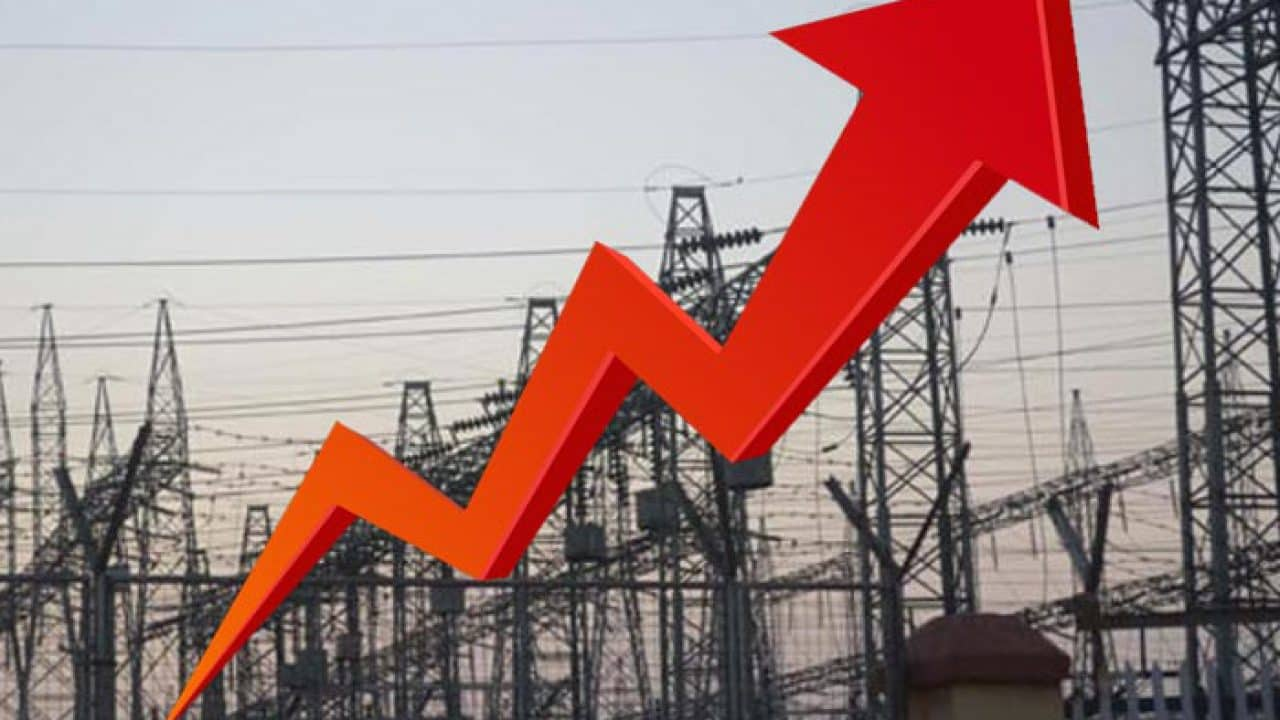
One of the primary concerns highlighted is the need for significant upgrades to the national grid infrastructure. Experts note that without modernization, the system may struggle to handle increased solar integration, limiting the effectiveness of renewable energy adoption.

The report also calls for clearer and more consistent policies to guide investors and stakeholders. Uncertainty in regulations has often slowed down progress, making it difficult for businesses and consumers to fully commit to solar solutions.

In addition, the CCP emphasizes the importance of enforcing strict quality standards across the market. Substandard equipment and inconsistent installations have not only affected consumer confidence but also hindered the overall performance of solar systems.

Another key recommendation focuses on improving competition within the sector. By ensuring a level playing field, the authority believes that innovation and cost efficiency can be encouraged, ultimately benefiting end users.

The study further suggests enhancing consumer awareness and access to reliable information. Educating the public about solar energy options, costs, and benefits can help drive more informed decisions and wider adoption.

Financial accessibility is also highlighted as a critical factor. The report recommends facilitating easier financing options and incentives to make solar installations more affordable for households and businesses.

Lastly, the CCP underscores the need for better coordination among regulatory bodies and stakeholders. A unified approach is essential to address systemic issues and accelerate the transition toward renewable energy.

The recommendations come at a time when Pakistan is increasingly looking toward alternative energy sources to reduce dependency on costly imports and improve energy security. If implemented effectively, these measures could unlock the true potential of the country’s solar energy market.

Rupee Extends Historic Winning Streak Against US Dollar Amid Broader Currency Pressures

The Pakistani rupee continued its remarkable upward trajectory against the US dollar, marking its 133rd consecutive session of gains on Monday. This sustained performance highlights a period of relative stability in the local currency market, even as pressures persist in other areas of the foreign exchange landscape.

At the close of trading, the rupee settled at 279.07 against the US dollar, registering a modest gain of three paisas. While the increase may appear incremental, the consistency of this upward trend is notable and reflects a combination of improved inflows, regulatory oversight, and controlled demand for foreign currency.

Despite this ongoing appreciation against the dollar, the rupee faced setbacks against several other major global currencies during the same session. These losses underline the broader challenges within the currency market, where fluctuations are influenced by global economic shifts, trade imbalances, and external debt obligations.

Currency experts suggest that the rupee’s steady performance against the dollar is partly supported by administrative measures and improved remittance inflows. Additionally, tighter controls on speculative trading and import restrictions have contributed to reducing volatility in the exchange rate.

However, the mixed performance against other currencies signals that underlying economic vulnerabilities remain. Factors such as inflationary pressures, energy import costs, and geopolitical uncertainties continue to weigh on the overall strength of the rupee.

Market participants are closely monitoring whether this positive trend against the US dollar can be sustained in the coming weeks. Analysts emphasize that long-term stability will depend on structural economic reforms, consistent foreign inflows, and the country’s ability to manage its external financing requirements effectively.

The ongoing streak is a positive indicator for investor confidence, yet it also serves as a reminder that currency stability is multifaceted. A broader strengthening across multiple currencies would be a stronger signal of economic resilience.

As Pakistan navigates its economic recovery, the rupee’s performance remains a key barometer for financial stability. While gains against the US dollar are encouraging, a balanced and sustainable approach will be essential to maintain momentum across the entire currency spectrum.

Punjab Sports Minister Warns Naseem Shah After PSL 11 Social Media Controversy

Punjab Sports Minister Malik Faisal Khokhar has sparked controversy after issuing a strong warning to fast bowler Naseem Shah over a viral social media post during PSL 11. The remarks have added a new dimension to an already sensitive situation involving player conduct and public statements.

According to reports, Khokhar criticized the pacer’s behavior and stated that the punishment given to him was already lenient. He cautioned that further incidents could have serious consequences for the player’s career, including his place in the national side.

The issue began when a post surfaced from Naseem Shah’s account during the PSL 11 opening ceremony. The post appeared to criticize the extensive security arrangements for Punjab Chief Minister Maryam Nawaz. It quickly gained attention online before being deleted.

Naseem Shah later clarified that his account had been hacked and distanced himself from the post. He issued an unconditional apology, stating that the content was shared without his approval and was handled by his management team.

Following the incident, the cricketer parted ways with his social media adviser, who was reportedly blacklisted by the Pakistan Cricket Board. The PCB also imposed a hefty fine of Rs. 20 million and introduced stricter guidelines for players regarding social media usage.

The controversy comes at a difficult time for Naseem Shah, who is currently dealing with an injury. During a recent PSL match, he experienced discomfort under his left ribcage while bowling and had to leave the field. He was later ruled out of a key fixture due to a side strain.

His return to cricket will depend on further medical assessments, adding uncertainty to both his fitness and professional situation. Meanwhile, the incident has reignited discussions around athlete accountability, digital conduct, and the growing influence of social media in modern sports.

Raees Khana Attock Reopens After Restoration, Transformed Into Cultural and Commercial Hub

A historic landmark in Punjab has been brought back to life as the district administration in Attock successfully restores the century-old Raees Khana building. Once a symbol of colonial heritage, the site has now been transformed into a vibrant cultural and commercial center.

Originally built in 1908 by the feudal elite of Fatehjang in honor of Queen Victoria, Raees Khana held significant historical value. However, over the decades, especially after Partition, the building fell into severe disrepair and became associated with neglect and illegal activities.

The recent restoration project, completed at an estimated cost of Rs. 38 million, has revitalized the structure while preserving its original Victorian architectural style. Spread across approximately 3.2 canals in central Attock, the site now blends heritage with modern functionality.

The redeveloped complex features 27 commercial outlets, which reportedly attracted strong interest during auction. According to officials, several shops were leased at nearly three times their base price, reflecting growing commercial confidence in the project.

In addition to retail spaces, the site now includes a filtration plant and a gazebo, enhancing its appeal as a public destination. Authorities have also ensured inclusivity by allocating dedicated spaces for women entrepreneurs, along with essential facilities like separate washrooms and a secure environment.

One of the key highlights of the project is the establishment of the Campbellpur Tea House within the premises. Developed in collaboration with the Pakistan Academy of Letters, the tea house serves as a cultural and literary hub featuring books, artwork, and historical artifacts related to Attock.

The restoration also introduces the city’s first food street and a rooftop dining area, creating a lively social space for residents and visitors alike. These additions are expected to boost local tourism and provide new economic opportunities.

Officials emphasized that the project is a blend of heritage preservation and urban development. By restoring Raees Khana, the administration has not only protected a piece of history but also repurposed it for modern community use.

This initiative reflects a broader trend of revitalizing historic sites across Pakistan, turning them into functional spaces that celebrate culture while supporting economic growth.

SECP Approves Pakistan’s First Riba-Free Credit Risk-Sharing Product

In a groundbreaking move for Islamic finance in Pakistan, the Securities and Exchange Commission of Pakistan has approved the country’s first Shariah-compliant credit risk-sharing product. The initiative aims to increase financing access for underserved sectors, including micro, small, and medium enterprises (MSMEs) as well as the agriculture industry.

The innovative product has been developed by National Credit Guarantee Company Limited and is designed to mitigate credit risk through a Shariah-compliant risk-sharing framework. By pooling contributions from participating financial institutions, the mechanism ensures that risk is distributed in a way that aligns with Islamic principles, eliminating interest (riba) from the process.

Under this structure, the pooled fund operates on the principle of Tabarruʿ, where contributions are treated as donations for mutual protection, creating a cooperative system that supports financial inclusion. This approach offers a viable alternative to conventional credit guarantees, which often involve interest-based risk coverage.

SECP officials highlighted that the new product represents a significant step toward broadening access to ethical financing in Pakistan. By providing Shariah-compliant risk-sharing solutions, the initiative enables businesses that might otherwise struggle to secure funding to access necessary capital for growth and development.

Experts believe the approval of this product could pave the way for more Islamic finance instruments tailored to local needs, further integrating ethical banking principles into Pakistan’s financial ecosystem. For MSMEs and the agricultural sector, this development promises enhanced financial security while adhering to Shariah principles, strengthening Pakistan’s efforts in inclusive economic growth.

Sindh to Launch Air Safari Linking Karachi with Mohenjo-Daro

The Sindh government has announced an ambitious plan to introduce an air safari service connecting Karachi with the historic site of Mohenjo-Daro. The initiative is aimed at boosting cultural tourism while showcasing the province’s rich and ancient heritage to both domestic and international visitors.

Officials stated that the project is part of a broader tourism strategy designed to make Sindh’s تاریخی landmarks more accessible. By offering a direct aerial route, the government hopes to reduce travel time and encourage more लोगों to explore one of the world’s oldest urban settlements.

The agreement for the service has been signed between the Sindh Tourism Development Corporation and a private aviation company. The signing ceremony was attended by STDC Managing Director Fayaz Ali Shah and the company’s CEO Imran Aslam, marking a key step toward operationalizing the project.

Mohenjo-Daro, a UNESCO World Heritage Site, remains one of the most significant archaeological discoveries of the Indus Valley Civilization. Despite its global importance, limited accessibility has often restricted tourist inflow. Authorities believe the new air safari will help overcome these challenges and position Sindh as a leading destination for heritage tourism.

The initiative is also expected to contribute to the local economy by creating opportunities in hospitality, transport, and related sectors. Increased tourist activity could bring renewed attention to preservation efforts and cultural awareness across the region.

As Pakistan continues to explore innovative ways to promote tourism, projects like this air safari highlight a shift toward modern solutions that connect people with history. If successfully implemented, the service could become a model for similar initiatives across other تاریخی sites in the country.

Should Pakistan Shift from Dollar to Gold? Rising Global Tensions Spark Economic Debate

Pakistan’s financial policymakers are facing renewed pressure to rethink the country’s foreign reserve strategy as geopolitical tensions intensify across the Middle East. With fears growing over a prolonged conflict in the Gulf region, experts are warning that reliance on the US dollar could expose vulnerable economies like Pakistan to significant financial risks.

Recent discussions among global market analysts suggest that central banks, including the State Bank of Pakistan (SBP), should consider diversifying their reserves. One proposal gaining traction is a gradual increase in gold holdings to hedge against potential instability in the dollar-based global financial system.

A commodities expert based in Dubai highlighted that escalating geopolitical uncertainty could weaken investor confidence in the US economy. If tensions evolve into a prolonged conflict, the ripple effects may disrupt global trade, energy markets, and currency stability. For countries heavily dependent on dollar reserves, this scenario could pose serious economic challenges.

Gold, historically viewed as a safe-haven asset, offers a level of security during times of crisis. Unlike fiat currencies, it is not directly tied to any single nation’s economic performance. By increasing gold reserves, Pakistan could reduce its exposure to external shocks and create a buffer against currency volatility.

However, shifting from dollar reserves to gold is not without risks. The dollar remains the dominant global currency, widely used in international trade and financial transactions. A sudden or aggressive move away from it could impact Pakistan’s trade relationships and financial credibility in global markets.

Experts recommend a balanced approach rather than a complete transition. Gradual diversification, supported by strong monetary policies and careful timing, could allow Pakistan to strengthen its economic resilience without triggering market instability.

As global uncertainties continue to rise, the debate over reserve diversification is expected to gain momentum. For Pakistan, the decision will require careful consideration of both immediate economic realities and long-term financial security.

United Motorcycle Increases Prices in Pakistan Amid Rising Costs

United Auto Industries (Pvt.) Ltd. has announced a fresh increase in motorcycle prices across Pakistan, citing rising production expenses and higher raw material costs. The decision reflects ongoing inflationary pressures that continue to impact the country’s automotive sector.

In an official notification issued on April 3, the company stated that it had previously tried to keep prices stable despite increasing costs. However, recent hikes in petrol prices and raw materials have made it difficult to maintain existing rates.

As part of the revised pricing structure, motorcycles in the 70cc and 100cc categories will see an increase of Rs. 3,000. Meanwhile, 125cc models will face a higher jump of Rs. 5,000. These adjustments are expected to affect a large segment of consumers who rely on motorcycles as an affordable mode of daily transportation.

The company confirmed that the new prices will come into effect from April 11, 2026. All new bookings made on or after this date will be subject to the revised rates, while existing orders are likely to be processed under previous pricing, depending on company policy.

This development comes at a time when rising fuel prices are already putting pressure on household budgets. The increase in motorcycle prices may further impact purchasing decisions, especially for middle- and lower-income groups who depend heavily on two-wheelers for commuting.

United Auto Industries emphasized that the decision was made after careful evaluation of current market conditions. The company pointed out that escalating input costs, including materials and logistics, have significantly increased the overall cost of production.

The price revision also highlights broader challenges within Pakistan’s automotive industry, where manufacturers are struggling to balance affordability with sustainability. As inflation continues to rise, similar adjustments from other companies may follow.

For consumers, the announcement underscores the importance of timely purchasing decisions, as further increases cannot be ruled out in the coming months.

Sri Lanka Faces Renewed Economic Pressure Amid Energy Crisis and Cyclone Fallout

Sri Lanka is once again navigating a fragile economic situation as global energy disruptions and the aftermath of a devastating cyclone strain its recovery efforts. The country, still recovering from its 2022 financial collapse, is now facing renewed pressure that is testing both public resilience and government policy.

President Anura Kumara Dissanayake has introduced a series of emergency measures to manage the crisis. Fuel has been rationed, prices have increased by nearly one-third, and electricity costs have surged by up to 40 percent. These steps come as rising global energy prices, fueled by prolonged conflict in the Middle East, continue to impact import-dependent economies like Sri Lanka.

The situation has triggered public anxiety, with panic buying of fuel reviving memories of the 2022 economic collapse. At that time, inflation soared to 70 percent following a default on $46 billion in external debt, leading to widespread protests that forced then-president Gotabaya Rajapaksa to step down.

Despite current economic stress, large-scale protests have yet to re-emerge. Political observers suggest that the government’s strong electoral mandate, secured in late 2024, is temporarily containing public unrest. However, opposition groups, including the Frontline Socialist Party, warn that mounting economic pressure could eventually lead to political consequences.

On the ground, public sentiment remains divided. Some citizens express frustration, feeling that conditions are worsening despite hopes for recovery. Others acknowledge the challenges but believe stability requires patience rather than protest.

Complicating the crisis further is the impact of Cyclone Ditwah, one of the deadliest disasters in the country’s recent history. The cyclone killed over 600 people and caused an estimated $4.1 billion in damage, severely affecting infrastructure and livelihoods across Sri Lanka.

In response, the government has allocated significant funds for reconstruction and relief efforts. Plans include rebuilding critical infrastructure and providing financial assistance to affected communities. Additionally, Sri Lanka has secured emergency funding from the International Monetary Fund, with further financial support under review.

However, concerns are also being raised over civil liberties. The state of emergency imposed after the cyclone grants authorities broad powers, which rights groups fear could be used to suppress dissent if public frustration escalates.

As Sri Lanka balances recovery, economic reform, and disaster response, the coming months will be crucial. The country’s ability to manage inflation, maintain public trust, and secure international support will determine whether it can avoid slipping back into a full-scale crisis.

Punjab to Provide Electric Bikes to Excise Department Employees to Boost Performance

The Punjab government has unveiled a plan to provide electric bikes to Excise Department employees as part of a strategy to enhance field efficiency and help the department achieve its Rs. 73 billion recovery target. The initiative is aimed at supporting staff mobility while promoting eco-friendly transport solutions.

Under the scheme, excise inspectors across Punjab, including both male and female personnel, will receive electric two-wheelers based on their performance metrics. In the first phase, 150 electric bikes will be distributed to male inspectors, while 50 electric scooties are designated for female inspectors.

Over Rs. 50 million has been allocated for the procurement of these vehicles, and officials report that the purchasing process is now in its final stage. Distribution is expected to begin next month, providing staff with modern, efficient vehicles to facilitate their work in the field.

An important aspect of the program is the eventual transfer of ownership. After three years of usage, the bikes and scooties will be formally transferred to the employees, enabling them to retain ownership and further incentivizing their performance.

Officials highlighted that the initiative not only aims to improve operational efficiency but also encourages the adoption of environmentally friendly transportation within government departments. The move aligns with broader efforts to modernize departmental infrastructure and improve service delivery.

The program is anticipated to have a positive impact on both staff productivity and the department’s revenue targets, while also setting a precedent for similar employee-focused initiatives in other government sectors.

David Warner Hits Back at Ajay Jadeja Over ‘Fake Propaganda’ After PSL 11 Viral Incident

Karachi Kings captain David Warner has strongly responded to former Indian cricketer Ajay Jadeja after the latter allegedly spread misleading claims regarding a viral Pakistan Super League (PSL 11) moment involving Moeen Ali.

The incident occurred following Karachi Kings’ five-wicket victory at Gaddafi Stadium in Lahore, where a post-match handshake clip quickly gained traction on social media. The video showed Warner gesturing and walking toward Moeen Ali, sparking speculation of a possible confrontation between the two players.

As the footage circulated widely, many users interpreted the moment as a heated exchange. The situation appeared more intense when Karachi Kings team director Haider Azhar intervened and guided Warner away, further fueling online rumors.

However, David Warner has now dismissed these claims, criticizing Ajay Jadeja for promoting what he described as “fake propaganda.” Warner clarified that the viral clip was taken out of context and did not reflect any serious dispute between him and Moeen Ali.

Sources close to the team also indicated that there was no altercation, and the interaction was misinterpreted due to camera angles and timing. The clarification aims to put an end to the speculation that had been building across digital platforms.

The incident highlights how quickly unverified content can spread, especially during high-profile tournaments like the Pakistan Super League. It also underscores the importance of responsible commentary from public figures and analysts.

Despite the controversy, Karachi Kings continue their PSL 11 campaign with strong momentum, while both Warner and Moeen Ali remain focused on their performances rather than off-field distractions.

Govt Raises Kerosene Oil Price by Over Rs. 34 per Litre Amid Fuel Cost Pressures

Pakistan’s fuel consumers are set to face another financial burden as the government has approved a significant hike in kerosene oil prices. The latest notification issued by the Oil and Gas Regulatory Authority (OGRA) confirms an increase of Rs. 34.08 per litre, reflecting ongoing adjustments in domestic energy pricing.

With the revised rates now in effect, kerosene oil will be sold at Rs. 467.48 per litre, compared to the earlier price of Rs. 433.40 per litre. This sharp increase is expected to impact households and small businesses that rely heavily on kerosene for daily energy needs, particularly in off-grid and rural areas.

The upward revision comes at a time when global oil markets continue to experience volatility. Fluctuating crude oil prices, coupled with currency pressures and import costs, have forced regulators to pass on the burden to end consumers. Authorities maintain that these adjustments are necessary to align local prices with international benchmarks and ensure supply stability.

Kerosene oil remains a critical energy source in many parts of Pakistan, especially where access to natural gas is limited. As prices surge, concerns are rising over affordability and the potential ripple effects on inflation. Increased fuel costs often translate into higher transportation and commodity prices, further straining household budgets.

Economic analysts suggest that persistent increases in petroleum prices could dampen consumer spending and slow down economic activity. At the same time, policymakers are under pressure to balance fiscal constraints with public relief measures.

The government has yet to announce any targeted subsidies or relief packages to offset the rising cost of kerosene. For now, consumers are advised to prepare for continued fluctuations in fuel prices as global energy trends remain uncertain.

Fuel Prices Surge in Pakistan as Petrol Hits Rs 458.40 and Diesel Crosses Rs 520

In a major development impacting millions of citizens, the government has announced a sharp increase in fuel prices across Pakistan. The latest revision has pushed petrol and diesel rates to unprecedented levels, intensifying concerns over rising inflation and economic pressure on households.

According to the official notification, petrol prices have been increased by Rs 137 per liter, bringing the new rate to Rs 458.40 per liter. Diesel has seen an even steeper hike of Rs 184 per liter, with the new price reaching Rs 520.34 per liter. These changes have come into effect immediately, leaving consumers with little time to adjust.

The surge in fuel prices is expected to trigger a ripple effect throughout the economy. Transportation costs are likely to rise significantly, which in turn may lead to higher prices of essential goods and services. From food items to daily necessities, the impact could be felt across multiple sectors.

Economic experts are warning that such a steep increase may further fuel inflation, making it more difficult for the average citizen to manage monthly expenses. Businesses, particularly those dependent on logistics and supply chains, are also expected to face higher operational costs.

Public reaction has been swift, with consumers and business communities expressing serious concern over the rising cost of fuel. Many are urging the government to introduce relief measures to ease the burden and stabilize the economic environment.

The announcement was made during a press conference addressed by Finance Minister Muhammad Aurangzeb and Petroleum Minister Ali Pervez Malik. Officials highlighted ongoing economic challenges but did not indicate any immediate relief plans.

With fuel prices now at record highs, the development underscores the growing financial strain on households already coping with increasing living costs. The coming weeks will be crucial in determining how this hike shapes inflation trends and overall economic stability in Pakistan.

Pakistan Sports Board Launches Major Reform Agenda to Boost Athletic Performance

The Pakistan Sports Board has announced a comprehensive reform plan aimed at strengthening the country’s athletic performance and improving results on national and international stages. The initiative focuses on long-term development, Olympic cycles, and performance-driven strategies.

A cornerstone of the reform is the introduction of the Long-Term Athlete Development Programme (LTADP). This program is designed to prioritize consistent training, skill enhancement, and structured preparation aligned with upcoming Olympic and international competitions. By focusing on a results-oriented approach, PSB aims to nurture athletes capable of competing at higher levels.

Officials highlighted that the reforms will include modern training facilities, scientific coaching methods, and performance monitoring systems to ensure athletes meet international standards. This structured framework seeks to create a sustainable pipeline of talent across multiple sports disciplines.

The initiative also emphasizes aligning training schedules with Olympic timelines, ensuring that athletes peak during major events. Through systematic support and long-term planning, the PSB hopes to overcome historical challenges and elevate Pakistan’s presence in global sports arenas.

Sports administrators believe that these reforms will enhance accountability, encourage professionalism, and introduce data-driven strategies in athlete management. The plan also includes investment in youth programs to identify and groom emerging talent for future competitions.

By integrating performance evaluation, structured training, and scientific support, the Pakistan Sports Board aims to create a culture of excellence in sports. This reform marks a significant step toward transforming Pakistan’s athletic ecosystem, ensuring both short-term results and long-term sustainability.

LESCO Introduces New Helpline to Improve Electricity Complaint Resolution

In a move to enhance customer service and streamline complaint handling, the Lahore Electric Supply Company has launched a new helpline dedicated to electricity consumers. The initiative aims to ensure faster complaint registration and more efficient resolution of power-related issues.

The service was introduced by Sardar Awais Ahmed Khan Leghari as part of broader efforts to modernize the power sector and improve consumer facilitation across the country. The new helpline is expected to reduce response times and provide users with a more accessible platform for reporting outages, billing concerns, and other electricity-related complaints.

With increasing demand for reliable electricity services, especially in urban centers like Lahore, the need for responsive customer support has become more critical. The introduction of a dedicated helpline reflects the government’s commitment to addressing public concerns and improving service delivery in the energy sector.

Officials noted that the system is designed to handle complaints more efficiently by routing them directly to relevant departments. This approach minimizes delays and ensures that issues are tracked until resolution, improving accountability within the organization.

For consumers, the helpline offers a convenient way to register complaints without visiting physical offices. It also aligns with ongoing digital transformation efforts in Pakistan’s utility services, where authorities are increasingly adopting technology to improve user experience.

The initiative is expected to benefit thousands of electricity users by providing quicker responses and better communication. It also reinforces the importance of customer-centric policies in public sector organizations.

As the service becomes fully operational, consumers are encouraged to make use of the helpline for timely reporting of issues. The success of this initiative will depend on consistent performance and the ability of LESCO to maintain prompt response standards.

By introducing this helpline, LESCO takes another step toward improving efficiency and reliability in electricity distribution, addressing long-standing concerns of consumers and strengthening trust in public utilities.

German Consulate Karachi to Remain Closed for Two Days on Easter

The German Consulate General in Karachi has officially announced a temporary suspension of its services in observance of Easter. According to the notice, the consulate will remain closed on April 3 and April 6, allowing staff to observe the holiday period.

The closure falls on a Friday and the following Monday, effectively creating a long weekend interruption in operations. During this time, all regular consular services, including visa processing, document attestation, and public inquiries, will be unavailable.

Applicants and visitors planning to access consular services are advised to adjust their schedules accordingly. It is recommended to complete urgent tasks before the closure or wait until services resume after the holiday period. The consulate has clarified that normal operations will continue immediately after the two-day break.

This temporary shutdown is part of routine holiday observances followed by diplomatic missions worldwide. Easter is a significant religious holiday celebrated across many countries, and embassies and consulates often adjust their working days in line with such occasions.

For individuals with pending visa appointments or document submissions, it is important to stay updated through official communication channels. Delays may occur due to the closure, especially for time-sensitive applications, so early planning is essential.

The announcement serves as a reminder for travelers, students, and business professionals dealing with German authorities to plan ahead. Keeping track of public holidays observed by foreign missions can help avoid inconvenience and ensure smoother processing of official matters.

As international mobility and documentation needs continue to grow, timely updates like these play a key role in helping the public stay informed and prepared.

Pakistan’s Affordable Housing Scheme Faces Delays Amid Funding Challenges

The government’s flagship housing initiative, Apni Chhat Apna Ghar Scheme, is facing significant delays due to funding shortfalls. The project, designed to provide affordable homes to low- and middle-income families, has been unable to secure a Rs. 25 billion loan essential for its ongoing progress.

Official documents indicate that a $90 million funding tranche from the World Bank has been held back because the program did not meet critical performance targets. The delay has raised concerns about the scheme’s ability to deliver on its promises and maintain its planned timeline.

Under the Disbursement Linked Results (DLR) system, $44 million expected in 2024 remains unreleased, while an additional $52 million for the current fiscal year is still pending. These financial constraints have slowed construction schedules and stalled new housing allocations, affecting families counting on the program.

Experts suggest that the funding delays highlight the importance of meeting project benchmarks and ensuring accountability in large-scale development schemes. Without timely financial support, the Apni Chhat Apna Ghar Scheme risks missing its targets, undermining public confidence in government housing initiatives.

Authorities have indicated that corrective measures are being considered to meet DLR targets and secure pending funds. However, stakeholders remain cautious, noting that consistent monitoring and efficient implementation are crucial for restoring momentum to the program.

The delays also underscore broader challenges in financing large social housing projects in Pakistan, where reliance on international funding and adherence to strict performance criteria can directly impact timelines.

While the scheme continues to hold promise as a solution to Pakistan’s housing shortage, its success will depend on resolving funding issues and achieving the necessary benchmarks to release committed financial support.

Pakistan Forms Committee to Strengthen SECP and Resolve 2,000 Pending Cases

The Government of Pakistan has taken a decisive step to reform the country’s corporate regulatory framework by forming a high-level committee aimed at empowering the Securities and Exchange Commission of Pakistan. The initiative is designed to enhance SECP’s authority and expedite the resolution of over 2,000 pending corporate cases.

The committee convened its first meeting under the leadership of Azam Nazir Tarrar, focusing on strengthening enforcement mechanisms and improving operational efficiency. Officials emphasized that giving SECP more autonomy is key to ensuring a transparent and accountable corporate environment in Pakistan.

Dr. Kabir Sidhu highlighted that a backlog of more than 2,000 cases is currently tied up in courts, delaying fines and other regulatory actions. He stressed that reforms are urgently needed to allow SECP to recover penalties efficiently and maintain corporate governance standards.

The committee is expected to recommend legislative and administrative changes to expand SECP’s powers, improve dispute resolution mechanisms, and streamline enforcement processes. These reforms aim to create a more robust corporate regulatory system that supports investor confidence and economic growth.

By addressing the backlog of pending cases and enhancing SECP’s authority, the government seeks to strengthen corporate accountability and ensure that regulatory decisions are implemented swiftly. This move is also likely to attract greater foreign and domestic investment by providing a clearer, more reliable corporate compliance framework.

Experts suggest that empowering SECP could have long-term benefits for Pakistan’s financial markets, including faster adjudication of cases, improved transparency, and stronger oversight of corporate practices. The committee’s recommendations are expected to be finalized in the coming months, marking a significant milestone in regulatory reform.

IFC Pledges $2.7 Billion to Boost Pakistan’s Economic Growth and Private Sector

Pakistan’s economic outlook has received a significant boost as the International Finance Corporation (IFC) commits approximately $2.7 billion for the current fiscal year. The investment signals growing international confidence in the country’s potential, particularly in strengthening private sector activity, expanding infrastructure, and generating employment opportunities.

The announcement came during a high-level meeting between Federal Minister for Finance and Revenue Muhammad Aurangzeb and an IFC delegation led by Simon Andrews. The discussion highlighted IFC’s expanding footprint in Pakistan, with its annual portfolio now exceeding $2 billion.

This latest commitment reflects a strategic focus on sustainable economic development. By channeling funds into key sectors, the IFC aims to stimulate private investment, improve trade financing mechanisms, and support advisory services that enhance business competitiveness. These efforts are expected to play a critical role in strengthening Pakistan’s financial ecosystem.

Minister Aurangzeb welcomed the IFC’s continued engagement, emphasizing the importance of international partnerships in navigating economic challenges. He acknowledged the organization’s growing role in Pakistan’s development landscape, particularly in facilitating foreign investment and fostering innovation within the private sector.

The IFC’s increasing investment trend also aligns with Pakistan’s broader economic reform agenda. With a focus on improving infrastructure and enabling business-friendly policies, the government is seeking to create an environment that attracts both local and foreign investors. The $2.7 billion commitment is likely to accelerate progress in these areas.

Moreover, this collaboration is expected to have a positive ripple effect on employment. By supporting industries and encouraging entrepreneurship, the initiative could lead to job creation across multiple sectors, providing much-needed opportunities for the country’s growing workforce.

As Pakistan continues to work toward economic stability, partnerships with global financial institutions like the IFC remain crucial. The latest investment not only reinforces investor confidence but also underscores the country’s potential as a destination for sustainable growth and development.

BYD Pakistan Announces Limited-Time Offer in Pakistan with Free 7kW Home Charger

BYD has rolled out a limited-time promotional offer in Pakistan, aiming to attract buyers who are considering switching to electric vehicles. The move comes as the local market shows growing interest in sustainable mobility and cost-efficient transport options.

Under this offer, customers who purchase any BYD vehicle will receive a complimentary 7kW home charger. While the charger itself is included at no cost, buyers should note that installation charges and applicable taxes will be billed separately. This distinction is important for budgeting and planning the total cost of ownership.

The inclusion of a 7kW charger is a significant upgrade compared to the commonly used 2kW home charging units. Faster charging capability means less downtime and greater convenience for daily use. For example, the BYD Atto 3 can be fully charged in approximately six to eight hours using the 7kW charger. In contrast, a standard 2kW charger may take up to 22 to 24 hours to achieve a full charge.

This difference highlights the practical benefits of the offer. For urban users and professionals who rely on their vehicles daily, reduced charging time can make electric vehicles more viable and appealing. It also aligns with the broader shift toward efficient energy usage and reduced dependency on fossil fuels.

The offer is available across all BYD models currently being sold in Pakistan. However, the company has not disclosed a specific end date for the promotion, indicating that it may be withdrawn without prior notice. This creates a sense of urgency for potential buyers who have been considering an EV purchase.

BYD Pakistan has advised customers to verify all relevant details before making a decision. This includes confirming installation requirements, understanding additional costs, and ensuring compatibility with their home infrastructure. Buyers are encouraged to reach out through official channels to avoid any confusion.

This initiative reflects BYD’s strategy to strengthen its footprint in Pakistan’s evolving automotive market. By addressing one of the key concerns associated with electric vehicles—charging time—the company is making EV ownership more accessible and practical for a wider audience.

As competition in the electric vehicle segment increases, such value-added offers may play a crucial role in influencing buyer decisions. For consumers, this could be an ideal opportunity to transition toward a cleaner and more efficient mode of transportation.