Pakistani Migrants Allegedly Exploit UK Asylum System with Fake Claims

A recent undercover investigation in the United Kingdom has uncovered a troubling pattern involving asylum applications linked to migrants from Pakistan. The report suggests that certain legal advisers and immigration facilitators are allegedly guiding individuals to fabricate claims based on sexual orientation in order to secure asylum.

According to the findings, migrants whose visas—whether student, work, or visitor—were nearing expiration were reportedly offered pre-constructed narratives. These included scripted personal stories, falsified supporting documents, staged photographs, and even medical reports designed to make asylum claims appear credible.

The investigation highlights how these coordinated efforts may be contributing to a sharp rise in asylum applications based on sexual orientation. Official data cited in the report reveals that Pakistani nationals accounted for approximately 42 percent of such claims in 2023. This is particularly striking given that they made up only about 6 percent of the total asylum applications during the same period.

This discrepancy has raised concerns among policymakers and immigration authorities in the United Kingdom. It also places Pakistan at the center of an ongoing debate regarding potential misuse of the asylum system. Reports indicate that Pakistani nationals have consistently been the largest group filing such claims for the past five years.

The alleged involvement of professional advisers and intermediaries has further intensified scrutiny. Authorities are increasingly worried that organized networks may be exploiting legal loopholes, undermining the credibility of genuine asylum seekers who face real threats due to their identity or circumstances.

The issue has sparked broader discussions around immigration controls, verification processes, and the need for stricter oversight of legal representatives. While the UK has long maintained a commitment to protecting vulnerable individuals, cases involving fabricated claims risk eroding public trust in the asylum framework.

Officials are now expected to review existing policies and enforcement mechanisms to address these concerns. Enhanced background checks, improved documentation verification, and tighter regulation of immigration consultancy services are among the measures being considered.

As the debate continues, the situation underscores the delicate balance between safeguarding human rights and preventing abuse of immigration systems. The findings of this investigation may prompt further international dialogue on ethical migration practices and accountability within asylum procedures.

Sindh Expands Public Transport Network With New Peoples Bus Service Route

The government of Sindh has approved a fresh expansion of its public transport system, aiming to improve connectivity and make commuting more accessible across key districts. The latest initiative includes the launch of new routes under the provincial bus service network, along with additional improvements to existing transport facilities.

The decision was taken during a high-level meeting of the Transport and Mass Transit Department, chaired by Senior Minister Sharjeel Inam Memon. Officials confirmed that a new route under the Peoples Bus Service will soon begin operations between Sukkur and Shikarpur.

The upcoming route is expected to launch in the coming week and is part of the broader effort to strengthen inter-district mobility in northern Sindh. Authorities believe the service will provide affordable and reliable transportation for daily commuters, students, and workers who frequently travel between the two districts.

Public transport remains a critical challenge in several parts of the province, where limited connectivity and high travel costs often affect accessibility. The expansion of bus services is designed to address these issues by offering structured, government-supported alternatives to private transport.

Officials highlighted that the new route is also aligned with the government’s long-term vision to modernize urban and regional mobility. The initiative reflects continued investment in mass transit infrastructure, with an emphasis on improving efficiency, safety, and affordability for passengers.

In addition to the Sukkur–Shikarpur corridor, the meeting also discussed broader enhancements to the transport system, including the introduction of more buses and potential expansion into other underserved districts. These steps are expected to gradually strengthen the overall public transport framework across Sindh.

The Peoples Bus Service has already become a significant part of urban commuting in major cities, and its expansion into inter-district routes marks an important development in extending its reach beyond metropolitan areas.

As implementation moves forward, authorities are expected to release further details regarding schedules, fares, and operational logistics for the new route.

Over 60% of Australian Teens Continue Using Social Media Despite Age Restrictions

A recent study has raised questions about the effectiveness of strict age-based social media restrictions, after findings showed that a majority of teenagers in Australia continue to access platforms despite regulatory efforts aimed at limiting underage usage.

The discussion comes as several countries explore stricter digital policies, including potential bans or tighter controls on social media access for users under the age of 16. However, the latest evidence suggests that enforcement and compliance remain significant challenges in practice.

The findings were published by the Molly Rose Foundation, based on a survey conducted in March involving 1,050 children aged between 12 and 15. The results revealed that 61% of respondents who had previously been subject to restricted access still maintain at least one active social media account.

The study highlights the gap between policy intentions and real-world digital behavior among teenagers. Despite increasing awareness campaigns and platform-level restrictions, many young users continue to find ways to maintain their presence on social networks, raising concerns about enforcement mechanisms and verification systems.

Experts argue that the persistence of underage usage reflects broader challenges in digital governance, particularly in verifying age accurately across global platforms. Social media companies often rely on self-declared age information, which can be easily bypassed, making enforcement difficult without more advanced verification technologies.

At the same time, the debate around social media restrictions continues to intensify, with supporters arguing that stricter controls are necessary to protect young users from harmful content, while critics warn that outright bans may push usage into less regulated or less safe environments.

The findings also contribute to ongoing discussions about digital literacy and parental oversight. Many analysts suggest that instead of relying solely on bans, a combination of education, platform accountability, and technological safeguards may be more effective in addressing concerns about teen safety online.

As governments and policymakers consider new regulations, the study underscores the complexity of regulating digital behavior in an increasingly connected world. The results suggest that while restrictions may set legal boundaries, user behavior often adapts quickly, challenging the effectiveness of traditional enforcement models.

Punjab Launches Wheat Procurement Drive with 72-Hour Payment Rule

The Punjab government has initiated a major wheat procurement drive aimed at supporting farmers and stabilizing the agricultural economy. Under the new directive, authorities have been instructed to begin purchasing wheat at a fixed rate of Rs3,500 per 40 kilograms across the province, signaling a proactive approach toward ensuring fair compensation.

The decision was finalized during a high-level meeting held in Lahore, where Chief Minister Maryam Nawaz Sharif emphasized the urgency of the procurement process. The initiative prioritizes farmers registered under the Kisan Card scheme, ensuring that verified growers benefit directly from the government’s support system.

A key highlight of this policy is the strict enforcement of a 72-hour payment rule. Authorities have been directed to ensure that farmers receive their payments within three days of selling their wheat. This measure is expected to provide immediate financial relief, reduce delays, and build trust between farmers and the government.

The move also aims to enhance transparency in the procurement process. By streamlining payments and leveraging digital registration through the Kisan Card, the government seeks to minimize middlemen involvement and ensure that funds are transferred directly to farmers.

Agriculture remains a cornerstone of Punjab’s economy, and timely wheat procurement is crucial for maintaining food security and market stability. Delayed payments in the past have often caused financial strain for farmers, impacting their ability to prepare for the next crop cycle. This new policy attempts to address those long-standing concerns.

Experts believe that setting a clear procurement price alongside a strict payment timeline could encourage higher participation from farmers. It may also lead to better yield reporting and improved data collection, which can help in future agricultural planning.

The initiative reflects a broader commitment by the provincial government to modernize agricultural practices and provide tangible support to farmers. By ensuring quick payments and prioritizing registered growers, the policy is expected to strengthen the rural economy and promote sustainable farming.

If implemented effectively, this wheat procurement drive could set a precedent for other provinces, demonstrating how timely payments and transparent systems can transform agricultural markets and improve farmer livelihoods.

Invincibles and Stars Set for High-Stakes Clash in National Women’s T20 Final

The stage is set for a thrilling final as Invincibles and Stars prepare to face off in the National Women’s T20 Tournament 2025–26 final on Sunday, April 12, at the Ghani Glass Cricket Ground.

Both teams earned their place in the final after strong performances in the closing stages of the group phase, setting up an exciting showdown for the title.

Invincibles booked their spot in dominant fashion, securing a comprehensive 10-wicket victory over Conquerors in the 20th match of the tournament. The win was anchored by an exceptional opening partnership between Muneeba Ali and Gull Feroza, who remained unbeaten with a commanding 151-run stand.

Earlier, at Bagh-e-Jinnah, the Conquerors had posted a competitive total of 150 for 7 in their 20 overs after opting to bat first. Despite the decent score, they were unable to contain the Invincibles’ explosive opening batting display.

The Invincibles’ emphatic chase not only sealed their qualification but also sent a strong message ahead of the final, highlighting their batting depth and consistency throughout the tournament.

On the other side, the Stars have also demonstrated strong form in the group stage, earning their place in the final through disciplined performances and key victories in crucial matches. Their balanced squad and ability to perform under pressure make them a formidable opponent in the title clash.

The upcoming final promises a competitive encounter between two in-form sides, with both teams eager to lift the trophy and cap off a successful campaign. Attention will be on key players from both sides as they aim to deliver in the tournament’s most important match.

As anticipation builds, fans are expected to witness a closely fought contest that highlights the growing strength and talent in Pakistan’s women’s cricket structure.

Pakistan’s Climate Losses Could Reach 6% of GDP by 2050, Study Warns

Pakistan may face severe long-term economic consequences from climate change, with potential losses projected to reach up to 6 percent of GDP by 2050 if urgent mitigation measures are not implemented. The warning comes from a new study released by the Competition Commission of Pakistan, which highlights the country’s growing vulnerability to climate-related risks.

The report, titled “Unlocking Green Potential: A Market Competition Study of Solar Energy in Pakistan,” emphasizes that Pakistan remains among the most climate-exposed economies in the world. It identifies rising temperatures, frequent flooding events, heatwaves, and worsening water scarcity as major threats to long-term economic stability and productivity.

According to the study, these environmental pressures could significantly disrupt agriculture, infrastructure, and industrial output, all of which are key contributors to national GDP. Without accelerated adaptation and mitigation strategies, the economic burden of climate change is expected to intensify over the coming decades.

A central focus of the report is Pakistan’s energy transition, particularly the underutilization of solar power. Despite having abundant sunlight across regions such as Balochistan and Sindh, solar energy currently accounts for only around 2 percent of the country’s total electricity generation.

The study describes this gap as a significant mismatch between potential and actual energy use. It argues that expanding solar adoption could play a critical role in reducing reliance on fossil fuels, lowering emissions, and strengthening energy security.

Experts cited in the report stress that transitioning toward renewable energy is not only an environmental necessity but also an economic imperative. Increased investment in clean energy infrastructure could help stabilize electricity costs, reduce import dependency, and create new employment opportunities in emerging green industries.

The findings also align with global trends, where countries facing climate risks are increasingly investing in renewable energy systems to protect long-term growth. For Pakistan, the report suggests that policy reforms, improved regulatory frameworks, and private-sector participation will be essential to unlocking its solar potential.

As climate challenges intensify, the study serves as a reminder that proactive planning today could significantly reduce economic losses in the future. Without decisive action, Pakistan risks facing escalating costs that could reshape its economic trajectory by mid-century.

54th National Athletics Championship Rescheduled After Scheduling Conflict

The 54th National Athletics Championship has been officially rescheduled, as the Athletics Federation of Pakistan (AFP) approved a request submitted by Sindh Athletics. The decision comes in response to a scheduling overlap with another major event, prompting organizers to adjust the timeline to ensure smooth participation and management.

According to officials, the championship will now take place one week later than originally planned. The move is aimed at avoiding logistical complications and allowing athletes, coaches, and provincial teams to compete without unnecessary disruptions. The revised schedule is expected to provide better coordination and maximize athlete turnout.

Sindh Athletics had raised concerns regarding the clash, highlighting that several key participants and officials would face difficulties attending both events simultaneously. Taking these concerns into account, the AFP acted promptly to revise the dates, demonstrating flexibility and a commitment to supporting athletes nationwide.

The National Athletics Championship remains one of Pakistan’s most significant sporting events, bringing together top talent from across the country. It serves as a platform for emerging athletes to showcase their abilities while also helping selectors identify potential candidates for international competitions.

Sports analysts view the rescheduling as a practical decision that prioritizes athlete welfare and event quality. By avoiding overlapping commitments, the federation ensures that competitors can perform at their best without divided focus or fatigue caused by tight schedules.

Despite the change, preparations for the championship continue in full swing. Training camps and selection processes are expected to proceed as planned, with provincial teams refining their squads ahead of the competition. Organizers have reassured stakeholders that the revised dates will not impact the overall structure or standards of the event.

The adjustment also reflects the growing need for better coordination in Pakistan’s sports calendar. As the number of domestic and international events increases, federations are being urged to adopt more strategic planning to prevent similar conflicts in the future.

With the new schedule in place, athletes and fans alike can look forward to a highly competitive and well-organized championship that highlights the strength and potential of Pakistan’s athletics scene.

Oil Prices Biggest Drop Since Pre-War Levels Ahead of US-Iran Talks in Pakistan

Global oil markets witnessed a sharp correction as prices fell to their lowest levels since the Gulf conflict earlier this year. The decline comes amid easing geopolitical tensions following a temporary ceasefire agreement between the United States and Iran, with diplomatic talks set to take place in Pakistan.

Benchmark Brent crude for June delivery dropped to $95.57 per barrel, while West Texas Intermediate for May delivery was trading at $96.99 per barrel. The fall pushed prices back into the mid-$90 range, marking the most significant drop since tensions escalated in February 2026.

A key factor behind the decline was Tehran’s decision to allow safe maritime passage through the Strait of Hormuz for a limited two-week period. This development has eased immediate supply concerns, as the waterway is one of the world’s most critical transit routes.

The ceasefire is designed to create diplomatic space for upcoming negotiations, with Pakistan emerging as a central venue for dialogue. The market reaction reflects optimism that reduced tensions could stabilize supply chains and lower risk premiums that had previously driven prices upward.

However, analysts remain cautious about the sustainability of this downward trend. Financial institution Standard Chartered has warned that the correction may be overly sharp, suggesting that prices could rebound quickly if geopolitical risks resurface or if the ceasefire fails to hold.

Energy markets continue to be highly sensitive to developments in the region. Any escalation in rhetoric or disruption in supply routes could reverse current gains and push oil prices higher once again.

As investors monitor the evolving situation, the upcoming US-Iran talks in Pakistan will play a crucial role in determining whether the price stability can be maintained or if volatility will return to global oil markets.

Pakistan Restricts Media Access to US and Iranian Journalists for Islamabad Talks 2026

Pakistan has introduced a visa-free travel policy for select participants attending the upcoming Islamabad Talks 2026, signaling efforts to streamline high-level diplomatic engagement. However, the facilitation comes with strict limitations, as access has been restricted exclusively to delegates and journalists from the United States and Iran.

According to an official statement issued by spokesperson Tahir Andrabi, the decision is aimed at ensuring smooth coordination during the sensitive diplomatic discussions. By limiting visa-free entry to only official participants from the two countries directly involved, authorities intend to maintain focus and security throughout the event.

The government clarified that this special arrangement is temporary and will remain valid only for the duration of the talks. It does not extend to journalists or delegates from third countries, who will continue to follow standard visa procedures. This selective policy underscores the controlled nature of the engagement and highlights its significance on the international stage.

The Islamabad Talks 2026 are being closely watched as a continuation of recent diplomatic efforts between Washington and Tehran. With tensions in the region requiring careful management, Pakistan’s role as host further elevates its position as a facilitator in global diplomacy.

Analysts suggest that restricting access to only relevant stakeholders may help reduce logistical complexities and enhance the effectiveness of discussions. At the same time, the move has sparked debate media inclusivity and transparency, as international observers weigh the implications of limited press access.

As preparations continue, Islamabad is expected to host key diplomatic figures and media representatives under tight protocols. The outcome of these talks could influence regional stability and shape future diplomatic engagements between the involved nations.

Netanyahu Faces Political Uncertainty Amid Pakistan-Backed US-Iran Truce

Israeli Prime Minister Benjamin Netanyahu is confronting mounting political pressure at home following a Pakistan-mediated ceasefire between the United States and Iran. The truce, reportedly supported through diplomatic channels involving Pakistan, has reshaped regional dynamics and triggered debate within Israel’s political landscape.

Public sentiment in Israel appears increasingly divided in the aftermath of the conflict. Recent surveys indicate that a significant portion of the population remains unconvinced about the outcomes of the war and the effectiveness of the ceasefire. This skepticism has placed Netanyahu in a difficult position as he navigates both domestic expectations and international obligations.

At the same time, public opinion reflects a contrasting stance on security matters. A large majority of Israelis continue to favor military operations against Hezbollah in Lebanon, highlighting a complex national mood. This divergence between support for military action and acceptance of a ceasefire has created a strategic dilemma for the Israeli leadership.

The situation has further intensified due to growing international pressure. Key allies including the United States, Canada, and Germany have urged Israel to maintain the ceasefire and avoid escalating tensions. These countries have expressed concerns that renewed conflict could destabilize the region and lead to broader geopolitical consequences.

For Netanyahu, the challenge lies in balancing these competing demands. Supporting the truce could alienate sections of his political base that favor a more aggressive stance. On the other hand, rejecting international calls for restraint risks diplomatic isolation and potential long-term repercussions for Israel’s global standing.

Social media discussions and political commentary suggest that the ceasefire may already be impacting Netanyahu’s popularity. Analysts believe that the evolving situation could influence future political developments, including leadership changes, if public dissatisfaction continues to grow.

As the region adjusts to this fragile truce, all eyes remain on Israel’s next moves. The decisions made in the coming weeks will not only determine Netanyahu’s political future but also shape the broader stability of the Middle East.

France President Macron Applauds Pakistan for Successful Iran-US Ceasefire

Shehbaz Sharif confirmed that he received a “warm and substantive” phone call from Emmanuel Macron, who praised Pakistan’s efforts in facilitating the recent ceasefire between Iran and the United States.

During the call, President Macron acknowledged Pakistan’s role in bringing both parties to the negotiating table and commended the country for its constructive diplomatic engagement. PM Sharif described the conversation as highly encouraging and expressed appreciation for Macron’s recognition and good wishes for the upcoming peace talks in Islamabad.

In a statement shared on X, PM Sharif highlighted that the French president had specifically congratulated Pakistan on its sincere and proactive efforts to mediate between the two nations. He emphasized that such international support reinforces Pakistan’s commitment to promoting dialogue, stability, and peaceful conflict resolution in the region.

This acknowledgment from France comes at a critical time as Pakistan prepares to host further peace negotiations, solidifying its emerging role as a trusted mediator in complex geopolitical situations. The recognition also underscores Pakistan’s increasing influence in fostering diplomatic solutions on the global stage.

As Islamabad gears up for the next round of talks, the support from international partners like France is expected to bolster confidence among all parties involved and highlight the effectiveness of Pakistan’s diplomatic interventions.

Pakistan Now Leading Talks to Secure Urgent Ceasefires in Lebanon and Yemen

Pakistan has stepped into a more prominent diplomatic role following recent US-Iran developments, now leading efforts to secure urgent ceasefires in both Lebanon and Yemen. According to reports, these initiatives aim to prevent further escalation and stabilize an already fragile regional situation.

The move comes as tensions continue to ripple across the Middle East, prompting renewed urgency for diplomatic intervention. Pakistan’s involvement signals a broader push to facilitate dialogue and reduce hostilities through peaceful engagement, particularly after its role in supporting talks between the United States and Iran.

In parallel, heightened security measures have been implemented in Islamabad, particularly around the Serena Hotel Islamabad, where key delegations are expected to stay during the upcoming negotiations. Despite mixed reports, both US and Iranian representatives are anticipated to arrive as scheduled, underlining the importance of the talks.

Meanwhile, developments in the strategic Strait of Hormuz have added to global concerns. Iran has continued to restrict movement through the vital shipping route, reportedly in response to misinformation surrounding statements by Donald Trump regarding regional military actions.

The disruption has had immediate economic implications, with oil prices surging close to $100 per barrel. Shipping traffic through the Strait has dropped significantly, falling to less than 10 percent of its usual volume since the escalation began. This has raised alarms in global markets, given the route’s importance for international energy supplies.

As diplomatic efforts intensify, Pakistan’s leadership appears focused on positioning the country as a neutral facilitator capable of bridging divides. The ongoing ceasefire discussions in Lebanon and Yemen are seen as critical steps toward containing broader regional instability.

With high-stakes negotiations underway and global attention fixed on the outcome, the coming days will be crucial in determining whether these diplomatic efforts can translate into tangible peace on the ground.

Here’s How Bike Owners Can Buy Cheap Petrol With New Govt App

The government of Pakistan has introduced a new digital initiative aimed at providing fuel relief to motorcycle owners through the Pakistan Asaan Khidmat app. This move is part of a broader effort to make subsidies more accessible, transparent, and efficient for everyday commuters.

With rising fuel costs impacting millions of citizens, especially daily wage earners and riders, the new system offers a simplified way to apply for subsidized petrol directly from a smartphone. By digitizing the process, authorities aim to reduce paperwork and eliminate middlemen, ensuring that the benefits reach the right individuals.

To begin, users must download the application and log in using their Computerized National Identity Card (CNIC). Those who are new to the platform can quickly create an account through a straightforward sign-up process. Once logged in, the app provides access to a variety of public services, including fuel subsidies, city guides, and emergency contact information, all in one place.

A key requirement for eligibility is that the motorcycle must be registered under the applicant’s name. This condition ensures that only genuine owners can benefit from the subsidy program. Within the app, users need to navigate to the “Bike Verification” section, where their registered mobile number and vehicle details are automatically displayed for confirmation.

The verification process is designed to be simple yet secure. Applicants must confirm their information and upload a selfie alongside their motorcycle’s number plate. This step helps authorities authenticate ownership and prevent misuse of the subsidy scheme.

This digital approach reflects the government’s growing focus on leveraging technology to improve public service delivery. By integrating multiple services into a single platform, the initiative not only saves time but also enhances user convenience.

For motorcycle owners across the country, especially in urban centers like Karachi, this development could provide meaningful financial relief. As fuel prices continue to fluctuate, such targeted subsidy programs are expected to play a crucial role in easing the burden on lower and middle-income households.

Overall, the introduction of the Pakistan Asaan Khidmat app marks a significant step toward modernizing subsidy distribution in Pakistan. It demonstrates how digital solutions can bridge gaps in accessibility while promoting transparency and efficiency in government initiatives.

PSX Hits Record Single-Day Surge of Over 14,000 Points Following US-Iran Ceasefire News

The Pakistan Stock Exchange witnessed an unprecedented rally as the KSE-100 index surged by 14,137 points, marking its highest single-day increase in history. Investor sentiment soared following reports of Pakistan’s role in mediating peace talks between the United States and Iran.

The index closed at 165,811 points, up 9.32 percent from the previous session’s 151,673 points. Trading volume reflected strong market activity, with 1.245 billion shares exchanged and a total market value of Rs. 54.4 billion at the close. Analysts attribute the surge to renewed investor confidence driven by expectations of regional stability and improved economic outlook.

This historic gain underscores the sensitivity of Pakistan’s equity markets to geopolitical developments. The end of hostilities and the announcement of a ceasefire have not only lifted investor morale but also bolstered trading activity across key sectors.

Financial experts highlight that such gains reflect both short-term market optimism and long-term confidence in Pakistan’s role as a regional peace facilitator. The rally is expected to impact portfolio valuations positively, encouraging further participation from institutional and retail investors alike.

With ongoing monitoring of global and domestic factors, analysts anticipate continued market responsiveness to political developments, particularly those affecting trade, energy, and foreign investment. The PSX rally is a clear indicator of how geopolitical stability can translate into immediate financial benefits for local markets.

Pakistan’s proactive diplomacy in fostering peace has demonstrated tangible economic outcomes, showcasing how strategic international engagement can strengthen both national credibility and investor confidence.

Global Leaders Applaud Pakistan’s Role in Securing US-Iran Ceasefire

Pakistan has received widespread international praise for its pivotal role in facilitating a two-week ceasefire between the United States and Iran. The breakthrough has positioned Islamabad as a key diplomatic player as preparations continue for high-level talks scheduled later this week.

Global institutions, including the United Nations and the European Union, have acknowledged Pakistan’s efforts in helping de-escalate tensions between the two nations. The ceasefire comes at a critical moment, offering a window for dialogue and potential long-term conflict resolution.

Prime Minister Shehbaz Sharif expressed gratitude to key allies and partners for their support and recognition. He specifically thanked countries such as China, Saudi Arabia, Türkiye, Egypt, and Qatar for backing Pakistan’s peace initiative.

In his statement, the prime minister emphasized Pakistan’s commitment to promoting global stability and constructive engagement. He noted that the country’s diplomatic outreach was driven by a desire to prevent further escalation and encourage meaningful negotiations.

The ceasefire agreement has already had ripple effects, including easing concerns in global markets and creating optimism for reduced geopolitical tensions in the region. Analysts suggest that Pakistan’s neutral stance and strong diplomatic channels enabled it to act as an effective mediator between Washington and Tehran.

With formal talks expected to take place in Islamabad, attention is now shifting toward whether this temporary ceasefire can evolve into a more permanent resolution. The success of these discussions could mark a significant turning point in international relations and conflict management.

Pakistan’s growing diplomatic influence is being closely watched by global observers. Its ability to bring together two long-standing rivals highlights its potential role in future peace-building efforts beyond the region.

Pakistan Prepares for High-Stakes US-Iran Talks at Islamabad’s Serena Hotel

In a significant diplomatic development, the Government of Pakistan has taken control of Serena Hotel Islamabad to host critical talks between the United States and Iran. The move signals Islamabad’s growing role as a neutral venue for high-level international negotiations aimed at de-escalating tensions.

According to credible sources, the luxury hotel has been temporarily reserved to accommodate official delegations from both nations. Authorities have requested all current guests to vacate their rooms by 6 PM, with hotel management assisting in relocating them to alternative accommodations across the capital.

This development highlights Pakistan’s strategic diplomatic positioning in global affairs. By offering a secure and neutral environment, Islamabad aims to facilitate dialogue between Washington and Tehran at a time when regional stability remains fragile. The talks are expected to focus on reducing hostilities and exploring potential pathways to peace.

The selection of Serena Hotel underscores its reputation for hosting sensitive international engagements. Known for its high security standards and state-of-the-art facilities, the venue is considered ideal for discreet and high-stakes discussions. Security measures around the premises have reportedly been intensified, with restricted access and increased law enforcement presence in surrounding areas.

For Pakistan, hosting such a crucial dialogue presents an opportunity to strengthen its diplomatic credentials on the global stage. It also reflects the country’s willingness to act as a mediator in complex geopolitical conflicts, particularly those impacting regional security and economic stability.

While official statements from the involved parties are still awaited, the move has already drawn significant attention from international observers. Analysts suggest that if successful, these talks could mark a turning point in US-Iran relations, potentially easing tensions that have long affected not only the Middle East but also global markets.

The temporary closure of the hotel may cause inconvenience to guests, but it underscores the importance of the event. As preparations continue, all eyes are on Islamabad, where a breakthrough in one of the world’s most sensitive diplomatic standoffs could unfold.

AirSial to Introduce In-Flight Entertainment as Passenger Experience Upgrade

AirSial is set to enhance its onboard services with the introduction of in-flight entertainment (IFE), signaling a major step in improving the passenger experience. The airline, based in Sialkot, has not yet revealed full details about the upcoming system but confirmed that the upgrade is part of broader service enhancements.

This move coincides with AirSial’s recent announcement of a new domestic route between Islamabad and Sukkur. Operations on the route will begin on April 13, featuring one weekly flight every Monday aboard an Airbus A320.

According to the schedule, flight PF152 will depart Islamabad at 9:45 am and arrive in Sukkur at 11:05 am. The return flight PF153 is set to leave Sukkur at 11:55 am and land in Islamabad at 1:15 pm, with each leg taking approximately 1 hour and 20 minutes. This new route expands AirSial’s domestic network and strengthens connectivity within Pakistan.

Since commencing operations in 2020, AirSial has focused on providing comfortable travel experiences on domestic routes and select international destinations. The introduction of in-flight entertainment demonstrates the airline’s commitment to meeting evolving passenger expectations and keeping pace with industry standards.

The IFE system is expected to enhance long-haul and regional flights by offering passengers access to movies, music, and other digital content, though specific features and rollout dates will be announced in due course.

As AirSial continues to grow its operations and expand services, these upgrades position the airline to compete more effectively within Pakistan’s domestic aviation market while elevating the overall travel experience.

Ex-Finance Minister Highlights Why Diesel Prices Remain High in Pakistan

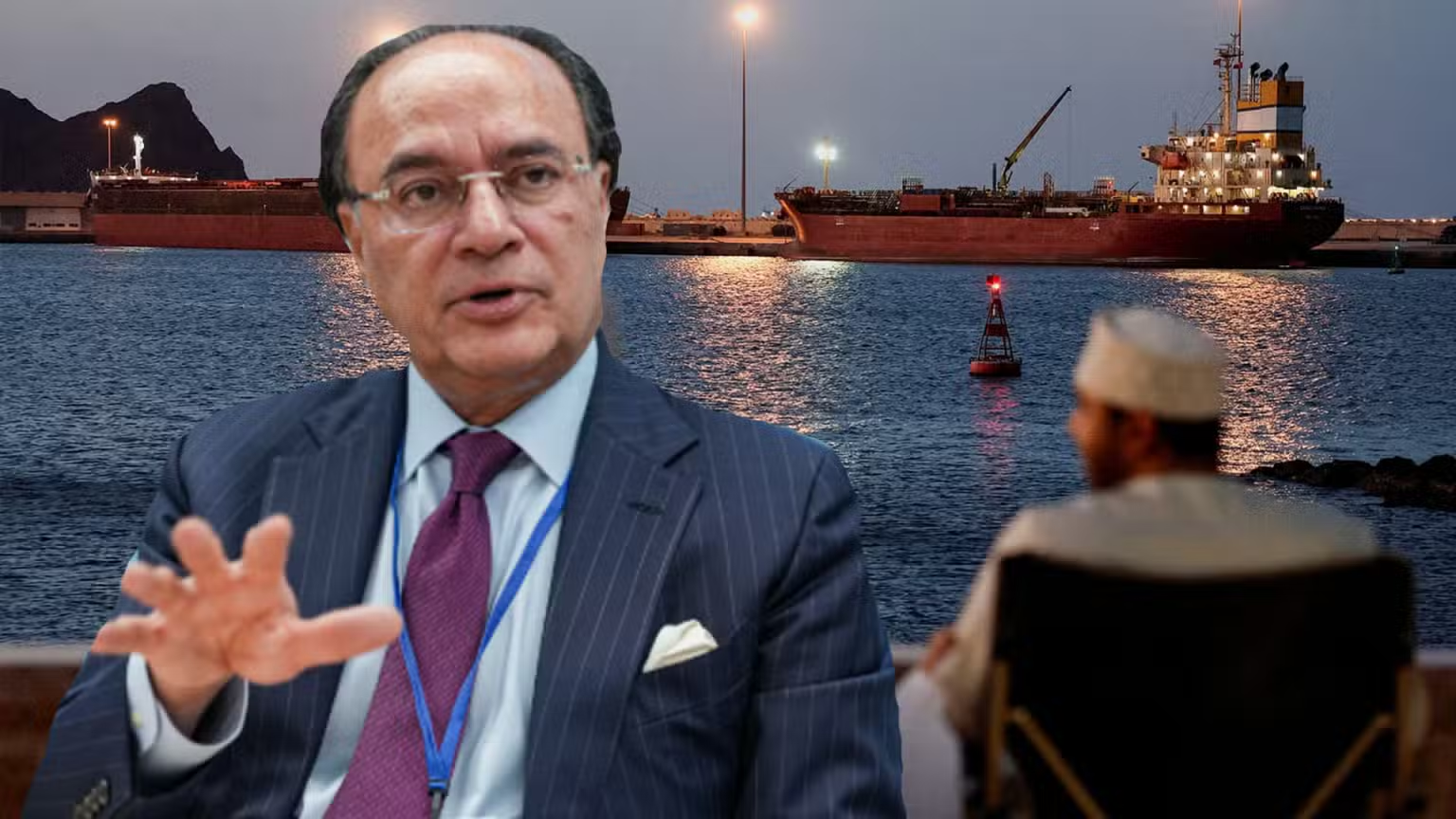
Miftah Ismail has revealed that Pakistanis are paying inflated diesel prices due to flaws in the country’s pricing mechanism. Speaking on Tuesday, he explained that the system set by the government and the Oil and Gas Regulatory Authority (OGRA) is a key factor behind the ongoing overcharging.

According to Ismail, Pakistan produces approximately 75 percent of its diesel domestically, relying on imports for only the remaining portion. However, OGRA determines domestic diesel prices based on the cost of imported diesel rather than local production. Since imported diesel is usually more expensive, this practice automatically drives up prices for consumers.

The former minister noted that refineries earn a small additional profit under this pricing system. Originally, this margin was intended to encourage refineries to upgrade machinery and produce low-sulfur diesel, improving quality and environmental standards.

However, global market disruptions, including the ongoing tensions surrounding the Iran conflict, have widened the price gap between low-sulfur diesel traded in Singapore and crude oil costs. This has further contributed to higher diesel prices domestically, adding financial pressure on consumers and businesses alike.

Ismail’s explanation sheds light on systemic inefficiencies in Pakistan’s fuel pricing framework. By linking local prices to imported diesel costs, the current mechanism overlooks the lower production cost of domestic fuel, ultimately leading to overpricing for end-users.

The revelation has sparked calls for regulatory reforms to ensure diesel prices reflect local production costs more accurately. Analysts suggest that adjusting the pricing formula could lower the burden on households and improve transparency in the energy sector.

Systems Limited Posts 48% Profit Growth, Reaches Rs. 11 Billion in 2025

Systems Limited has delivered a strong financial performance for the year 2025, highlighting its continued growth in Pakistan’s IT sector. The company reported a profit after tax (PAT) of Rs. 11.04 billion, reflecting a significant 48 percent increase compared to Rs. 7.46 billion recorded in 2024.

This impressive growth translates into earnings per share (EPS) of Rs. 7.49, up from Rs. 5.06 in the previous year. The results demonstrate the company’s ability to scale its operations while maintaining profitability in a competitive and evolving market environment.

The company also announced a final cash dividend of Rs. 2.00 per share. This payout remains consistent with last year, signaling stability and confidence in its financial position. Investors often view steady dividends as a sign of long-term sustainability, and Systems Limited appears committed to maintaining shareholder trust.

In the final quarter of 2025, the company recorded an even more notable surge. Profit after tax rose by 60 percent year-on-year, reaching Rs. 3.07 billion. Earnings per share for the quarter stood at Rs. 2.09, reflecting strong momentum heading into the new fiscal cycle.

This growth was driven by a combination of operational efficiency and strategic partnerships. The company has been actively expanding its footprint in international markets while strengthening its service offerings. These efforts have enabled Systems Limited to capitalize on increasing global demand for IT solutions and digital transformation services.

The consistent upward trend in earnings highlights the company’s resilience and forward-looking strategy. As Pakistan’s technology sector continues to gain traction globally, firms like Systems Limited are playing a key role in shaping the country’s digital economy.

Looking ahead, the company is expected to build on this momentum by investing in innovation, talent development, and global expansion. With strong financial fundamentals and a clear growth trajectory, Systems Limited remains well-positioned to sustain its performance in the coming years.

Nearly 50 LNG Tankers Sit Idle Across Asia Amid Gulf Conflict Disruptions

Almost 50 liquefied natural gas (LNG) carriers connected to Qatar exports are currently stranded across Asia, underscoring the severe impact of ongoing Middle East tensions on global energy trade. Ship tracking data from Kpler and Bloomberg shows that these vessels remain empty, waiting in strategic maritime locations.

The idle tankers are clustered near west India, off the coast of Sri Lanka, around the Strait of Malacca, and offshore Singapore. With each LNG carrier holding approximately 170,000 cubic meters, the stranded fleet represents an estimated 3.4 to 3.5 million tons of LNG transport capacity currently unavailable for delivery.

The disruption stems from the March attacks that forced the shutdown of Qatar’s Ras Laffan LNG export plant, the world’s largest LNG export terminal. The situation was further complicated by the effective closure of the Strait of Hormuz, a critical chokepoint for global energy shipments.

Industry analysts warn that the bottleneck could affect LNG supply across Asia, potentially driving up prices and disrupting contracts. Countries heavily reliant on Qatari LNG, such as China, Japan, and South Korea, may face shortages or delays as alternative supplies are sought.

Shipping companies are reportedly monitoring the situation closely, weighing options for rerouting vessels or rescheduling deliveries. Meanwhile, global energy markets remain on high alert as geopolitical tensions in the Gulf continue to affect logistics and energy security.

The stranded LNG fleet highlights how regional conflicts can have far-reaching consequences for global commodity flows. It also underscores the vulnerability of energy supply chains to disruptions in key export points and maritime chokepoints.