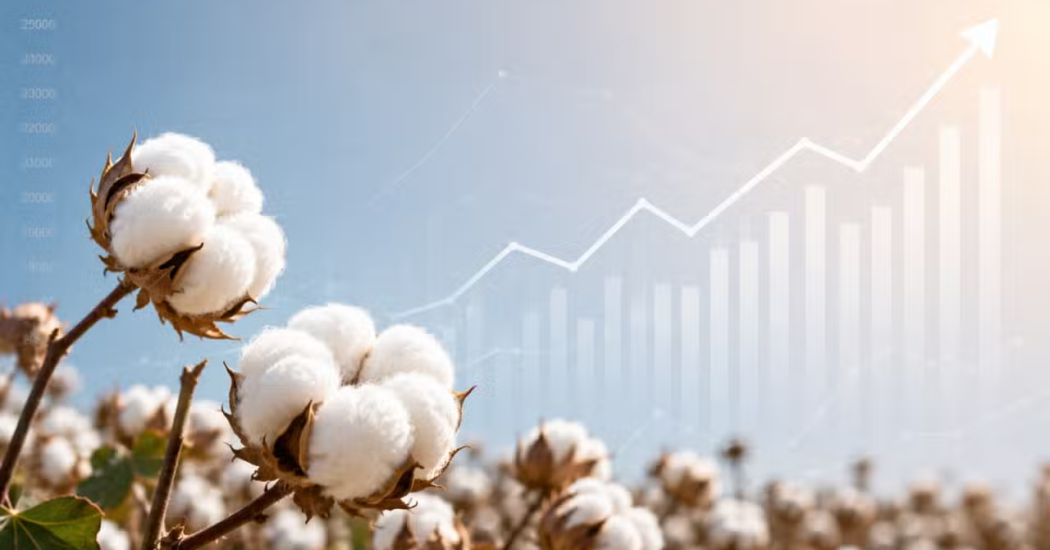
Pakistan has made progress towards its cotton cultivation target for the fiscal year 2026-27, achieving 82.8 percent of the planned sowing area by October 31, 2026. According to the latest figures, cotton cultivation across the country reached 1.79 million hectares, reflecting continued efforts to strengthen agricultural production.
The development comes as Pakistan aims to improve cotton output and support its textile industry, which remains an important contributor to the national economy. However, the country still faces challenges in achieving a stronger recovery in cotton production.
Alongside progress in cultivation, cotton arrivals at factories have also recorded an increase. The total volume reached 4.743 million bales as of October 31, 2026, compared with 4.437 million bales during the same period in 2025.
This represents a year-on-year increase of approximately 7 percent, indicating an improvement in cotton supply compared with the previous season.
The latest figures suggest that both major cotton-producing provinces, Sindh and Punjab, have contributed to the increase in arrivals. However, the improvement is being measured against a relatively low base, meaning further efforts will be necessary to achieve the country’s broader production goals.
Sindh Records Stronger Growth in Cotton Arrivals
Sindh has emerged as the leading contributor to the growth in Pakistan’s cotton arrivals. The province recorded 2.744 million bales by October 31, 2026, compared with 2.528 million bales during the corresponding period last year.
This represents an annual increase of 9 percent, making Sindh the stronger performer among the country’s major cotton-producing regions.
The province’s contribution is particularly significant because its cotton arrivals account for a substantial share of the national total. Improved supply from Sindh has therefore played an important role in supporting the overall increase recorded during the current season.
Punjab has also reported positive progress, with cotton arrivals increasing by 5 percent compared with the same period last year. Although its growth rate remained below Sindh’s, the increase indicates that both provinces have contributed to the improvement in national cotton supplies.
Pakistan’s Cotton Sector Faces Recovery Challenges
Despite the improvement in cotton arrivals and progress in sowing, Pakistan’s cotton industry continues to face several challenges. Achieving the remaining 17.2 percent of the FY27 sowing target will be important for strengthening the country’s agricultural output.
Cotton is a major cash crop in Pakistan and plays a central role in supporting the textile and apparel industries. Its production also provides income opportunities for farmers and contributes to agricultural employment across cotton-growing regions.
A stronger cotton harvest could help improve the availability of locally produced raw material for textile manufacturers. It may also reduce pressure on the industry to rely on imported cotton to meet its requirements.
However, higher factory arrivals do not necessarily guarantee a complete recovery in overall production. Weather conditions, crop management, water availability, input costs and pest-related risks can all influence final output.
Outlook for Cotton Production in FY27
Pakistan’s achievement of 82.8 percent of its cotton sowing target provides a positive indication of progress during the current agricultural season. The 7 percent increase in factory arrivals also reflects improved supply compared with the previous year.
Sindh’s 9 percent growth and Punjab’s 5 percent increase highlight the contribution of both provinces to the national cotton market.
The coming months will be important in determining whether the country can translate improved cultivation and arrivals into a stronger cotton harvest. Meeting production expectations will require continued attention to agricultural support, crop protection and farming conditions.
For Pakistan’s textile industry and agricultural economy, a sustainable improvement in cotton production remains an important priority during FY27.