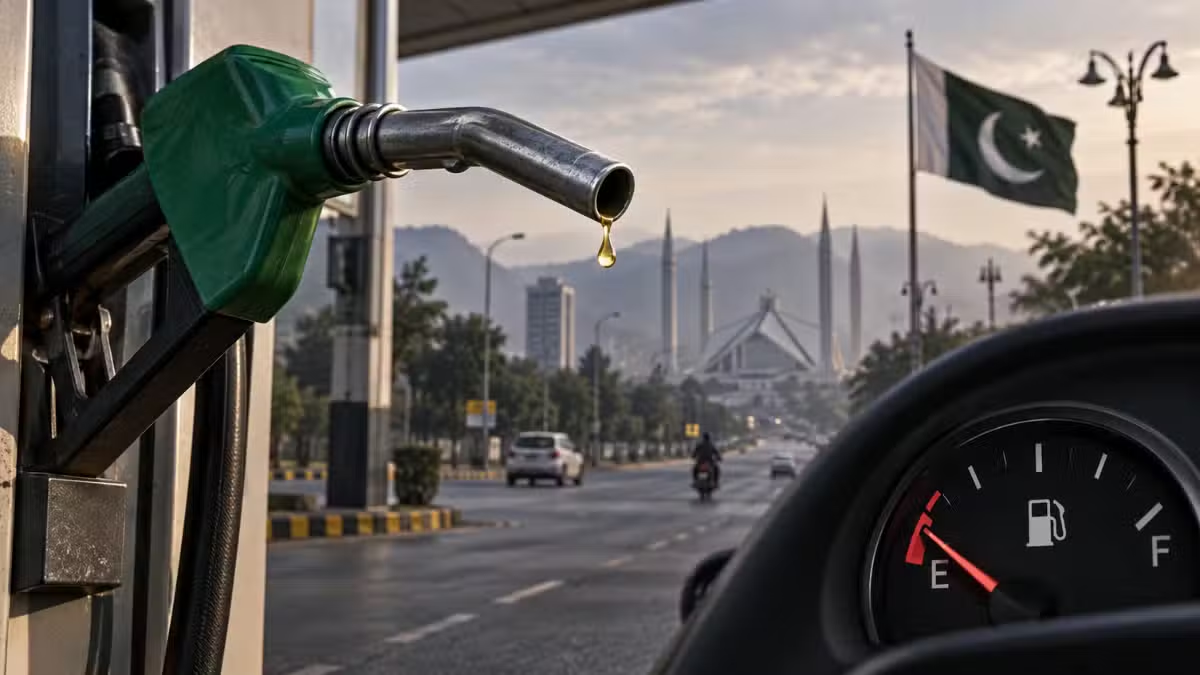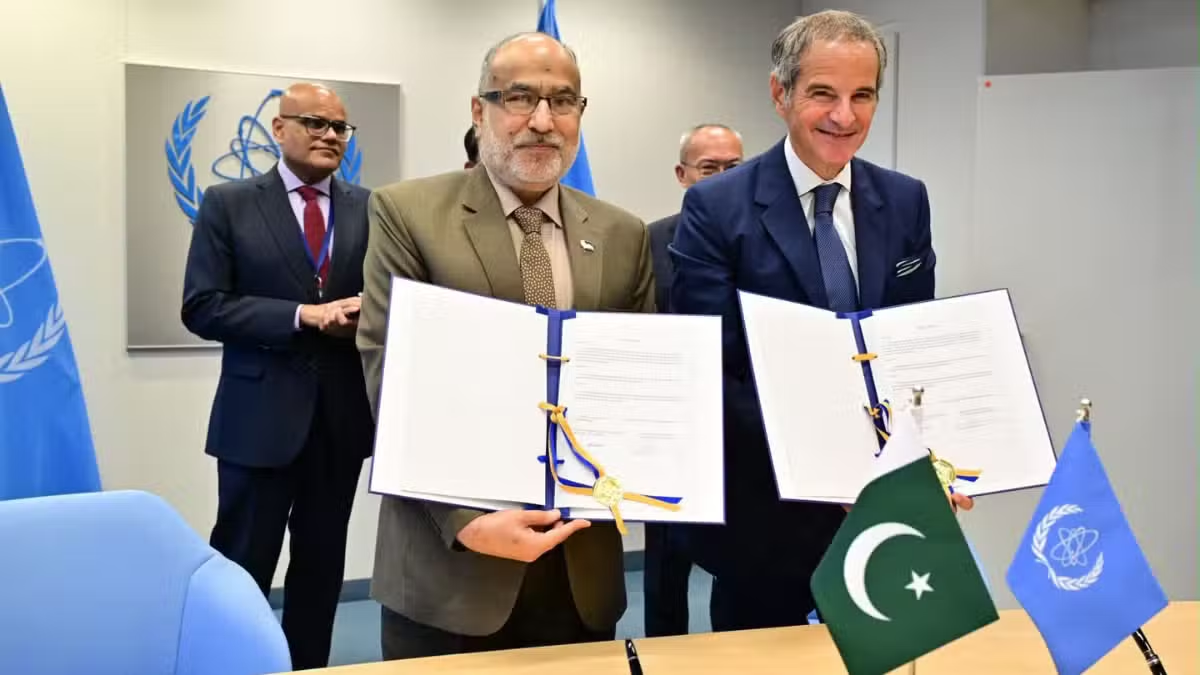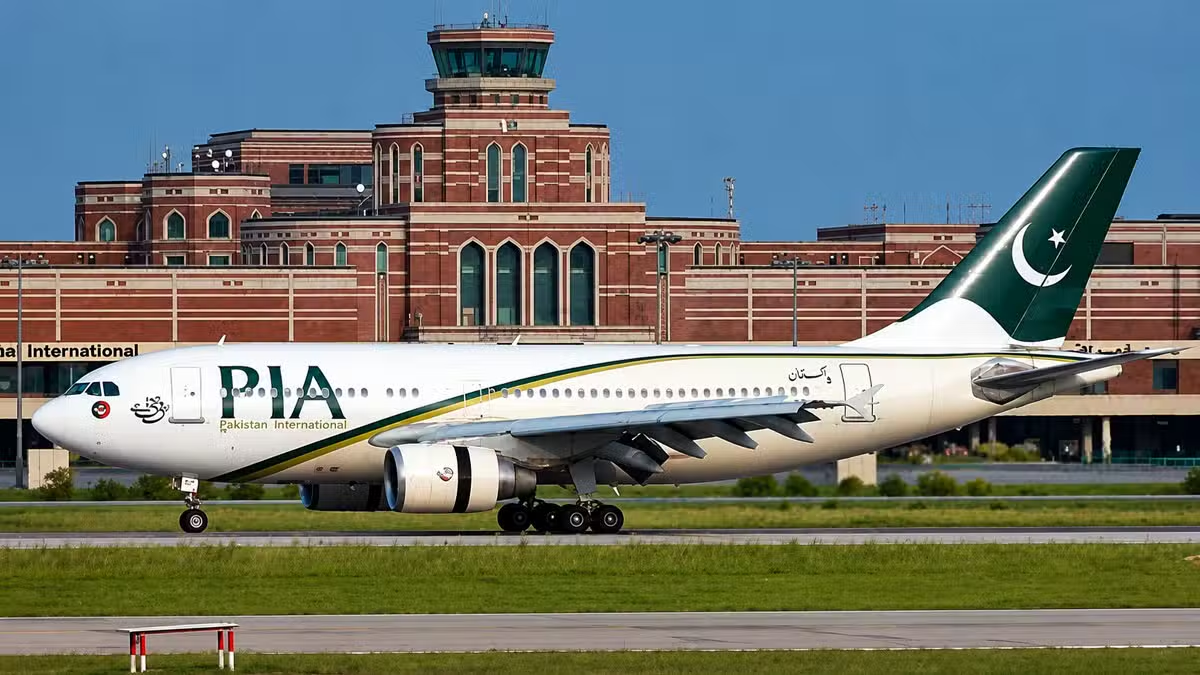
Why Pakistan Cannot Fully Replace Fossil Fuel Power With Nuclear Energy

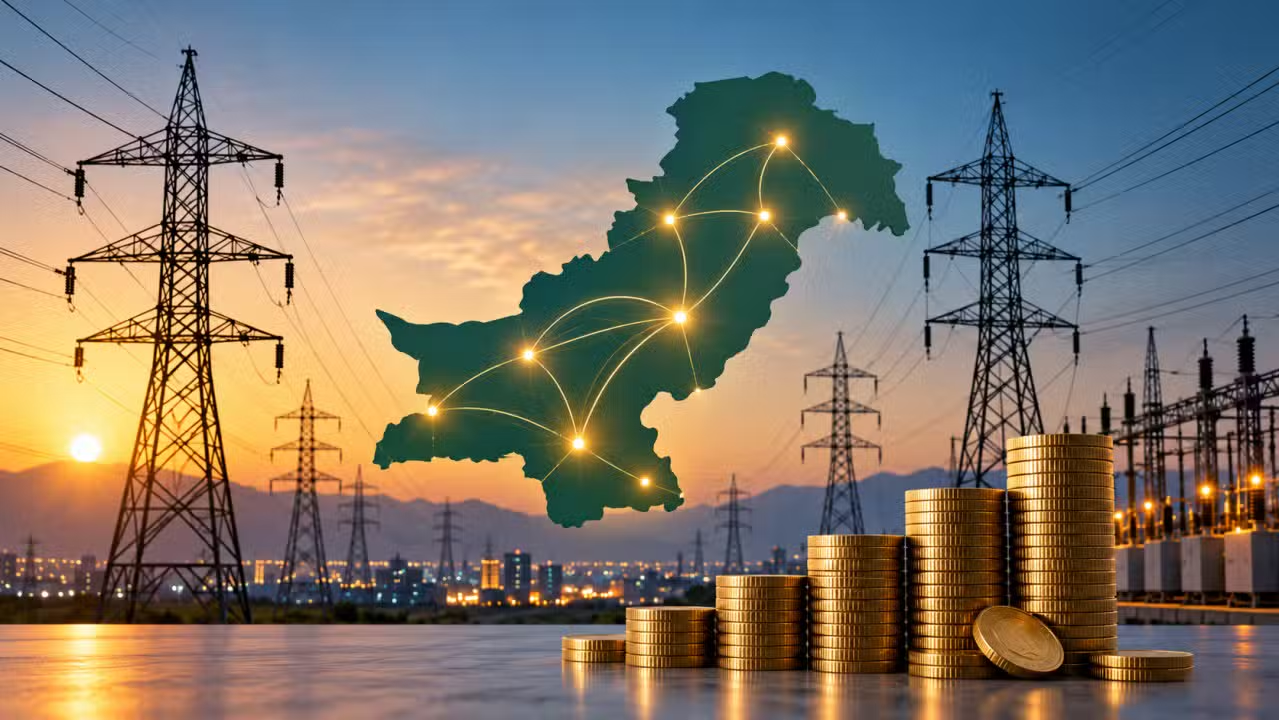
Nuclear energy is often presented as a long-term solution to Pakistan’s electricity challenges due to its low operational emissions, high efficiency, and continuous power generation capability. While these advantages are real, replacing fossil fuel-based power generation entirely with nuclear energy is not a practical short-term option for Pakistan.

The Pakistan power sector is still heavily dependent on thermal generation. According to recent estimates, the country’s installed capacity is dominated by fossil fuels, while nuclear energy contributes a relatively small but stable share through facilities operated by the Pakistan Atomic Energy Commission. This imbalance highlights the scale of transition required if nuclear power were to replace thermal sources entirely.

One of the biggest constraints is scale. Pakistan would need tens of thousands of additional megawatts of nuclear capacity to match existing fossil fuel-based generation. Building this capacity would require decades of planning, construction, financing, and regulatory development. Unlike thermal plants, nuclear reactors cannot be deployed quickly to meet immediate energy demands.

Cost is another major barrier. Although nuclear power has low fuel costs once operational, the upfront capital investment is extremely high. Construction involves advanced engineering, long project timelines, and strict safety requirements. For a country already facing financial pressure in its power sector, large-scale nuclear expansion would significantly increase fiscal strain.

Technology access also plays a limiting role. Nuclear development requires specialized equipment, fuel processing capabilities, and international cooperation. Pakistan’s options are limited, making expansion dependent on a narrow set of external partnerships, which slows diversification and scale.

Grid infrastructure presents another challenge. Nuclear plants are best suited for steady base-load supply, but Pakistan’s electricity demand fluctuates widely across regions and seasons. The existing transmission system would require major upgrades to integrate a much larger nuclear share effectively.

Safety and waste management further complicate the transition. Nuclear energy demands strict regulatory oversight, long-term waste disposal systems, and highly trained technical staff. Even with modern safeguards, the risks associated with accidents, natural disasters, or operational failures cannot be ignored.

Additionally, nuclear power still depends on a secure fuel supply chain. While uranium is more energy-dense than fossil fuels, Pakistan has limited domestic resources, making long-term reliance on imports necessary for expansion.

Despite these limitations, nuclear energy remains an important part of Pakistan’s energy mix. It provides reliable, low-carbon electricity and helps reduce dependence on imported fuels. However, experts widely agree that it should complement rather than replace fossil fuel generation in the near future.

A balanced energy strategy that combines nuclear, renewables, and improved efficiency remains the most realistic path forward for Pakistan’s growing electricity demand.

287 Candidates in Contention for Nobel Peace Prize 2026 as Global Attention Builds

The race for the 2026 Nobel Peace Prize has officially taken shape, with 287 nominations confirmed by the Norwegian Nobel Committee. The latest figures highlight a diverse mix of global leaders, activists, and organizations competing for one of the world’s most prestigious honors.

According to committee secretary Kristian Berg Harpviken, this year’s list includes 208 individuals and 79 organizations. The announcement reflects a notable shift, with many fresh names entering the nominations compared to previous years, signaling evolving priorities in global peace efforts.

Harpviken, who assumed his role in early 2025, expressed surprise at the level of yearly change. He emphasized that despite rising geopolitical tensions and challenges to international cooperation, the Nobel Peace Prize remains a vital symbol of recognition for those working toward peace worldwide.

Among the widely discussed possibilities is former US President Donald Trump. Leaders from multiple countries, including Pakistan, have publicly claimed to have nominated him. However, due to strict confidentiality rules, the Nobel Committee does not confirm or deny any individual nominations, keeping all entries sealed for 50 years.

It is important to note that a nomination does not imply endorsement by the committee. Thousands of qualified individuals globally can submit nominations, including lawmakers, government officials, academics, and previous Nobel laureates.

Beyond political figures, several other names are being speculated across international platforms. These include prominent activists, humanitarian groups, and policymakers who have contributed to peacebuilding initiatives in various regions. The inclusion of such diverse candidates underscores the broad interpretation of peace work in today’s complex global landscape.

The Nobel Peace Prize selection process remains highly structured and confidential. A five-member committee appointed by Norway’s parliament evaluates all nominations through months of deliberation before reaching a final decision.

The winner of the 2026 Nobel Peace Prize will be announced on October 9, with the official award ceremony scheduled for December 10 in Oslo, Norway. This timeline follows a long-standing tradition tied to Alfred Nobel’s legacy of honoring contributions to international harmony and conflict resolution.

As global conflicts persist and diplomatic efforts continue, this year’s nominations reflect both the challenges and the ongoing commitment to peace across the world. The final decision will ultimately highlight an individual or organization whose efforts stand out in shaping a more stable and cooperative international order.


CPL 2026 Full Schedule Announced as Tournament Expands to Seven Teams

The Caribbean Premier League has officially released its complete schedule for the 2026 season, marking a major milestone in the tournament’s history with expanded participation and an extended match calendar.

The upcoming season is set to feature a total of 39 matches, scheduled to run from August 7 to September 20, 2026. The announcement confirms a packed cricketing window that will bring together some of the most competitive franchise teams in the Caribbean.

For the first time ever, the league will include seven teams, making it the largest edition in CPL history. The expansion is expected to intensify competition and broaden the tournament’s regional appeal.

The participating teams include Antigua and Barbuda Falcons, Barbados Royals, Jamaica Kingsmen, Guyana Amazon Warriors, Saint Lucia Kings, and St Kitts and Nevis Patriots. They will be joined by the defending champions, Trinbago Knight Riders.

The inclusion of an additional franchise is expected to add new dynamics to the tournament structure, with more matches and increased opportunities for emerging talent to showcase their skills on a high-profile stage.

CPL has grown into one of the most popular T20 leagues globally, attracting international players and a large fan base. The 2026 edition continues this trend, promising high-intensity cricket, packed stadiums, and strong regional representation.

Cricket analysts believe the expanded format could significantly raise the competitive standard of the league. With more teams in contention, consistency and squad depth will play an even greater role in determining the eventual champion.

Fans across the Caribbean and beyond are now gearing up for another action-filled season. The official schedule release allows franchises to begin detailed preparations, including squad planning, training camps, and strategic planning for the tournament.

As anticipation builds, CPL 2026 is shaping up to be one of the most exciting editions in the league’s history, with expanded participation and a tightly packed cricket calendar promising non-stop entertainment.


Attock Refinery Posts Second-Highest Profit as Fuel Prices Surge in FY26

Attock Refinery Limited (PSX: ATRL) has reported a remarkable financial performance for the third quarter of FY26, posting its second-highest profit in history. The refinery recorded a net profit of Rs. 11.345 billion, reflecting a massive jump compared to Rs. 1.703 billion in the same period last year.

This translates into a sharp 6.7 times year-on-year increase, highlighting the company’s strong operational and pricing gains. Earnings per share surged to Rs. 106.4 for the quarter, although the company did not announce any dividend payout.

Net sales also showed steady growth, rising 18 percent YoY to Rs. 87.7 billion. The increase was primarily driven by higher production volumes and improved ex-refinery prices. Strong demand for petroleum products played a key role in supporting this growth trajectory.

Sales volumes of key fuels recorded notable increases during the quarter. High-speed diesel (HSD) sales jumped significantly, while motor spirit (MS) and furnace oil (FO) also posted double-digit growth. This rise reflects improved market demand and better supply dynamics.

The company’s gross profit stood at Rs. 17.6 billion, with margins reaching a record 20.1 percent. This marks the highest margin level in the refinery’s history. The improvement was largely attributed to increased refining throughput and a significant expansion in diesel crack spreads.

A major factor behind the profit surge was the widening of refinery crack spreads, particularly for HSD. During the quarter, MS and HSD crack spreads averaged $6.2 per barrel and $57 per barrel, respectively. These levels are well above historical averages, providing a strong boost to overall profitability.

On the volumetric front, MS sales rose to 146,000 tons, while HSD volumes climbed to 152,000 tons. The growth was supported by reduced curtailment and stronger buying activity from oil marketing companies amid expectations of rising fuel prices.

However, furnace oil sales presented a mixed picture. Volumes declined during March 2026, although a significant portion of production was exported. Despite some recovery in international prices, margins for furnace oil remained under pressure.

Other income for the quarter declined by 9 percent YoY to Rs. 2.2 billion. This drop was mainly due to lower interest rates, even though the company maintained a strong cash position.

Overall, Attock Refinery’s performance underscores the impact of favorable pricing trends and operational efficiency. With energy demand expected to remain firm, the company appears well-positioned to sustain momentum in the coming quarters.


Air Link Expands into Digital Lending with New BNPL Subsidiary

Air Link Communication Limited has taken a strategic step toward diversifying its business model by entering Pakistan’s growing digital lending market. The company plans to establish a wholly owned subsidiary focused on Buy Now Pay Later services, signaling its intent to capture a share of the rapidly evolving fintech landscape.

According to official disclosures, the board has approved an investment of Rs. 500 million to incorporate a new entity named AirFin Consumer Finance (Private) Limited. This investment will be made through the issuance of 50 million ordinary shares, each valued at Rs. 10, highlighting the company’s commitment to building a strong financial services arm.

The upcoming subsidiary will primarily operate in the investment finance sector, with BNPL as its core offering. This model allows consumers to purchase products instantly while paying in installments over time, a trend that has gained significant popularity in Pakistan due to rising digital adoption and changing consumer behavior.

However, before launching operations, AirFin Consumer Finance will need to secure regulatory approvals. This includes obtaining a No Objection Certificate and a formal license from the Securities and Exchange Commission of Pakistan. These requirements ensure compliance with financial regulations and consumer protection standards.

The move comes at a time when Pakistan’s digital consumer finance market is experiencing steady growth. Increasing smartphone penetration, e-commerce expansion, and a young population are driving demand for flexible payment solutions. By entering the BNPL space, Air Link aims to position itself as a key player in this competitive yet promising sector.

This development also reflects a broader shift among technology and distribution companies toward fintech integration. By leveraging its existing market presence and distribution network, Air Link can potentially offer seamless installment plans to a wide customer base, particularly in the electronics and mobile device segments.

Industry analysts view this expansion as a forward-looking strategy. It not only diversifies revenue streams but also aligns the company with global trends in digital finance. If executed effectively, the BNPL initiative could strengthen Air Link’s market position while contributing to financial inclusion in Pakistan.

As regulatory approvals are awaited, stakeholders will be closely monitoring how this venture unfolds. The success of AirFin Consumer Finance could pave the way for further innovation and competition in Pakistan’s digital lending ecosystem.

Banks to Remain Closed on Friday for Labour Day

All banks and financial institutions across Pakistan will remain closed on Friday, May 1, in observance of Labour Day, the State Bank of Pakistan announced on Tuesday.

According to the official notification, the closure applies to all commercial banks, development finance institutions, and related financial entities nationwide. The holiday has been declared by the Government of Pakistan in recognition of International Labour Day, which is observed annually to honor the contributions and rights of workers.

The central bank confirmed that normal banking operations will resume after the public holiday. Customers have been advised to plan their transactions accordingly, as physical branches will remain unavailable during the closure period.

However, digital banking services, including ATMs, mobile banking apps, and online platforms, are expected to remain operational. Customers may still be able to carry out essential transactions through these channels, although some services may experience routine processing delays due to the holiday schedule.

Labour Day is widely observed across the country with public rallies, seminars, and events highlighting workers’ rights and labor reforms. The day serves as a reminder of the importance of fair wages, safe working conditions, and social protections for employees across all sectors.

Financial markets and government offices are also expected to observe the holiday, resulting in reduced economic activity for the day. Regular operations will resume the following working day.

The announcement provides clarity for businesses and individuals planning financial activities, ensuring they can adjust their schedules in advance to avoid inconvenience.

OMODA & JAECOO Expand Into Robotics With AiMOGA, Showcasing Car–Robot Integration at Beijing Auto Expo

At the 19th Beijing International Automotive Exhibition, OMODA & JAECOO unveiled an ambitious leap beyond traditional mobility, showcasing its growing investment in robotics through the AiMOGA initiative. The brand presented a blend of next-generation vehicles and intelligent robots, highlighting a future where cars and machines operate within a shared smart ecosystem.

The display included the OMODA 4 and OMODA 7 models, alongside a range of robotics innovations developed under the AiMOGA Robotics project. These included a humanoid robot named Mornine, a quadruped robot called Argos, and an Intelligent Police Robot designed for real-world public service applications.

AiMOGA Robotics, jointly developed by OMODA & JAECOO and its technology partners, is positioned as a step toward integrating automotive intelligence with embodied robotics. The company aims to connect vehicle-based AI systems with robotic platforms capable of operating in diverse environments, from public safety to commercial services.

During the exhibition, the OMODA & JAECOO booth reportedly attracted more than 4,000 international business visitors, with thousands expected to continue discussions in Wuhu for further collaboration. The strong interest reflects growing global attention toward intelligent mobility ecosystems that extend beyond conventional vehicles.

The robotics division is built on the company’s automotive research and supply chain infrastructure. AiMOGA benefits from OMODA & JAECOO’s established R&D systems, allowing faster development cycles and smoother transition from prototype to production. The brand also leverages its global automotive footprint across dozens of international markets to support expansion of robotics applications.

A key highlight of the showcase was the Intelligent Police Robot, which has already been deployed in multiple cities in China. It is used for tasks such as school-zone monitoring, traffic guidance, and security support. Equipped with multi-sensor navigation and AI-driven traffic models, the robot can assist in patrol operations and recognize violations, reducing workload for human officers.

Another focus was the quadruped robot Argos, which has reportedly achieved commercial deployment at scale. Its applications include security patrols, public demonstrations, and service environments, reflecting increasing demand for adaptable robotic systems in everyday settings.

The company also emphasized the transfer of automotive technologies into robotics. Systems derived from intelligent driving and cockpit technologies are being adapted for robots, enabling advanced environmental perception, obstacle avoidance, and precise navigation in complex scenarios.

The Beijing Auto Show appearance comes at a milestone moment for OMODA & JAECOO, which announced cumulative global sales surpassing one million vehicles within three years of launch. The company continues to expand rapidly across international markets, positioning itself as a fast-growing global automotive brand while extending its reach into robotics and smart ecosystems.

Looking ahead, AiMOGA is expected to further integrate AI, mobility, and robotics into unified applications, signaling a broader shift from vehicle manufacturing toward full-spectrum intelligent technology ecosystems.

Pump Owners Seek Rs. 82.5 Billion Relief Amid War-Driven Fuel Crisis

Pakistan’s fuel retail sector is facing mounting financial strain as petrol pump owners and oil marketing companies (OMCs) push for a massive Rs. 82.5 billion compensation package from the government. The demand comes in response to rising global oil prices and supply disruptions triggered by escalating tensions in the Middle East.

The issue was formally discussed during a recent meeting of the Senate Standing Committee on Cabinet Secretariat, where stakeholders highlighted the growing pressure on the downstream petroleum sector. Representatives from OMCs argued that the ongoing geopolitical instability has significantly increased procurement and operational costs, making it difficult to sustain current pricing structures without government support.

According to industry officials, fluctuations in international oil markets have led to higher import bills and unpredictable supply chains. These challenges have not only affected large oil distributors but have also placed independent petrol pump operators in a vulnerable position. Many retailers claim they are struggling to maintain margins while complying with regulated fuel prices set by authorities.

OMCs emphasized that the requested Rs. 82.5 billion compensation is essential to offset losses incurred due to sudden cost escalations. Without timely intervention, stakeholders warned of potential disruptions in fuel supply, which could impact transportation, logistics, and overall economic activity across the country.

Government officials, on the other hand, are reviewing the financial implications of the request. While acknowledging the seriousness of the situation, policymakers are weighing options to balance fiscal constraints with the need to stabilize the energy sector. Discussions are expected to continue as authorities assess the legitimacy of claims and explore possible relief mechanisms.

The fuel crisis is closely tied to ongoing geopolitical tensions in key oil-producing regions, which have historically influenced global energy prices. Analysts suggest that unless the situation stabilizes, countries like Pakistan that rely heavily on imported fuel will continue to face economic pressure.

As negotiations progress, industry stakeholders remain hopeful for a resolution that ensures business continuity while protecting consumers from abrupt price hikes. The coming weeks are likely to be critical in determining how the government responds to one of the most pressing energy sector challenges in recent months.

State Bank of Pakistan Raises Interest Rate to 11.5% Amid Economic Pressures

The State Bank of Pakistan has increased the policy rate by 100 basis points, bringing it to 11.5 percent following its latest monetary policy meeting on Monday. The move signals a shift in the central bank’s stance after maintaining rates unchanged in the previous two sessions.

This latest adjustment comes at a time when Pakistan’s economy faces mounting pressures, including inflationary risks and external challenges. By raising the benchmark interest rate, the central bank aims to control price stability and manage demand within the economy.

The decision marks the first rate hike after a brief pause, indicating that policymakers are responding to evolving economic conditions. Higher interest rates typically make borrowing more expensive, which can slow down consumption and investment but may help curb inflation in the long run.

Financial analysts suggest that the increase reflects caution amid uncertainty, particularly as global and domestic factors continue to influence economic performance. The policy shift may also impact business activity, lending trends, and overall market sentiment in the coming weeks.

For consumers, the rate hike could translate into higher borrowing costs for loans and financing, while savers may benefit from improved returns on deposits. Businesses, meanwhile, may need to reassess expansion plans due to increased financing expenses.

As the State Bank of Pakistan continues to monitor economic indicators, future monetary policy decisions will likely depend on inflation trends, currency stability, and broader fiscal developments. The latest increase highlights the central bank’s focus on maintaining economic balance during a challenging period.

Power Outages May Intensify as Heatwave Raises Demand Across Pakistan

Rising temperatures across Pakistan are expected to put additional pressure on the country’s power system, increasing the likelihood of extended electricity loadshedding in the coming days. The warning comes as authorities brace for a surge in demand driven by extreme weather conditions.

The National Disaster Management Authority has issued an alert highlighting that an intense heatwave will impact Sindh, southern Punjab, and parts of Balochistan. The current spell is expected to continue until May 5, with temperatures climbing significantly above seasonal averages.

As heat intensifies, electricity consumption typically rises due to increased use of cooling appliances such as air conditioners and fans. This spike in demand can strain the already challenged power infrastructure, leading to more frequent and prolonged outages in various regions.

Energy experts warn that if supply fails to keep pace with demand, both urban and rural areas could experience disruptions. The situation may be particularly difficult during peak hours, when electricity usage is at its highest and system capacity is stretched.

Authorities are closely monitoring the situation and may implement load management strategies to balance supply. Consumers are being encouraged to conserve electricity where possible, especially during high-demand periods, to help ease pressure on the grid.

The developing scenario highlights the ongoing challenges faced by Pakistan’s energy sector, particularly during extreme weather events. With the heatwave expected to persist for several days, proactive measures and public awareness will play a key role in minimizing the impact of potential loadshedding.

Mild Heatwave Expected Across Southern Pakistan, Says Pakistan Meteorological Department

The Pakistan Meteorological Department has issued a fresh weather advisory, warning that temperatures across several parts of Pakistan are already running above seasonal averages. The latest outlook suggests that a mild heatwave is likely to affect southern regions in the coming days, raising concerns about public health and daily routines.

According to the National Weather Forecasting Centre, temperatures in southern areas are currently 2°C to 4°C higher than normal. This upward trend is expected to intensify slightly, with heatwave conditions projected between April 29 and May 3. While classified as mild, such weather can still impact vulnerable populations, especially those exposed to direct sunlight for extended periods.

Regions in southern Pakistan, including parts of Sindh and southern Balochistan, are likely to experience the brunt of this temperature rise. Urban centers may feel additional discomfort due to heat retention caused by infrastructure and limited airflow. Residents are advised to remain cautious and take preventive measures to avoid heat-related illnesses.

Experts recommend staying hydrated, minimizing outdoor activities during peak afternoon hours, and wearing light, breathable clothing. Authorities may also step up awareness campaigns to ensure public safety, particularly for children, the elderly, and outdoor workers.

The advisory comes as seasonal transitions begin to take shape across the country. Weather fluctuations during this period are not uncommon, but rising temperature trends underline the need for preparedness. Monitoring updates from official sources like the Pakistan Meteorological Department remains crucial for timely information.

As Pakistan moves closer to the peak summer months, such early heatwave signals highlight the broader climate patterns affecting the region. Staying informed and adopting simple precautionary steps can help reduce risks and ensure safety during this period of rising temperatures.

Petrol and Diesel Prices Rise Sharply as Government Raises Taxes Under IMF Programme

Fuel prices in Pakistan have surged once again after the government increased petrol and diesel rates by Rs. 26.77 per litre, a move largely driven by higher taxation measures aimed at meeting fiscal targets under the International Monetary Fund programme.

According to the latest revision, petrol prices have climbed to Rs. 393.35 per litre from Rs. 366.58, while high-speed diesel has increased to Rs. 380.19 per litre from Rs. 353.42 for the week ending May 1. The sharp adjustment has added fresh pressure on households and transport-related sectors already affected by inflation.

The increase comes despite earlier market expectations that fuel prices would decline due to global oil trends. Estimates had suggested a reduction of around Rs. 6 per litre for petrol and nearly Rs. 25 per litre for diesel. However, policy adjustments reversed that outlook.

A major factor behind the hike is the significant rise in the petroleum levy on petrol, which has been increased by approximately Rs. 27 per litre. The levy now stands at Rs. 107.38 per litre, up from Rs. 80 previously. This adjustment is aimed at boosting government revenue collection during the final months of the fiscal year.

The decision reflects ongoing efforts by the government to balance budgetary requirements while remaining aligned with IMF programme conditions. However, it also raises concerns over inflationary pressure, particularly for transport, logistics, and essential commodities that rely heavily on fuel costs.

Economists warn that continued increases in fuel prices could further impact the cost of living, as higher transportation expenses often translate into broader price hikes across food and consumer goods markets. Businesses may also face rising operational costs, potentially affecting profitability and pricing structures.

Meanwhile, consumers are expected to feel the immediate impact as fuel becomes more expensive for daily commuting and goods transportation. Industry stakeholders are closely monitoring the situation, anticipating further volatility in energy pricing in the coming weeks.

Imran Khan’s Nephew Included in Pakistan’s Provisional Squad for Asian Games 2026

Pakistan has begun early preparations for the upcoming Asian Games 2026 by announcing a provisional squad for the triathlon event. The initial selection reflects the country’s efforts to strengthen its presence in endurance sports on the regional stage.

Among the shortlisted athletes is Shahrez Khan, widely recognized as the nephew of former Prime Minister and cricket legend Imran Khan. His inclusion has drawn public attention, adding an extra layer of interest to Pakistan’s triathlon campaign.

The preliminary squad also features Hamza Asif, Sana Arif, and Ayesha Waqas. Officials have clarified that this is not the final lineup, as additional trials will be conducted to further assess performance and expand the talent pool before the official team is confirmed.

The selection process aims to ensure that only the most competitive athletes represent Pakistan at the Asian Games. With triathlon being a demanding sport that combines swimming, cycling, and running, preparation and endurance remain key factors in finalizing the squad.

Sports authorities have emphasized that continued training camps and performance evaluations will play a critical role in shaping the final team. The upcoming trials are expected to introduce more athletes into consideration, increasing competition and raising overall standards.

Pakistan’s participation in the Asian Games reflects a broader effort to promote diverse sports beyond traditional disciplines. As preparations progress, attention will remain on how the provisional squad evolves ahead of the final announcement.

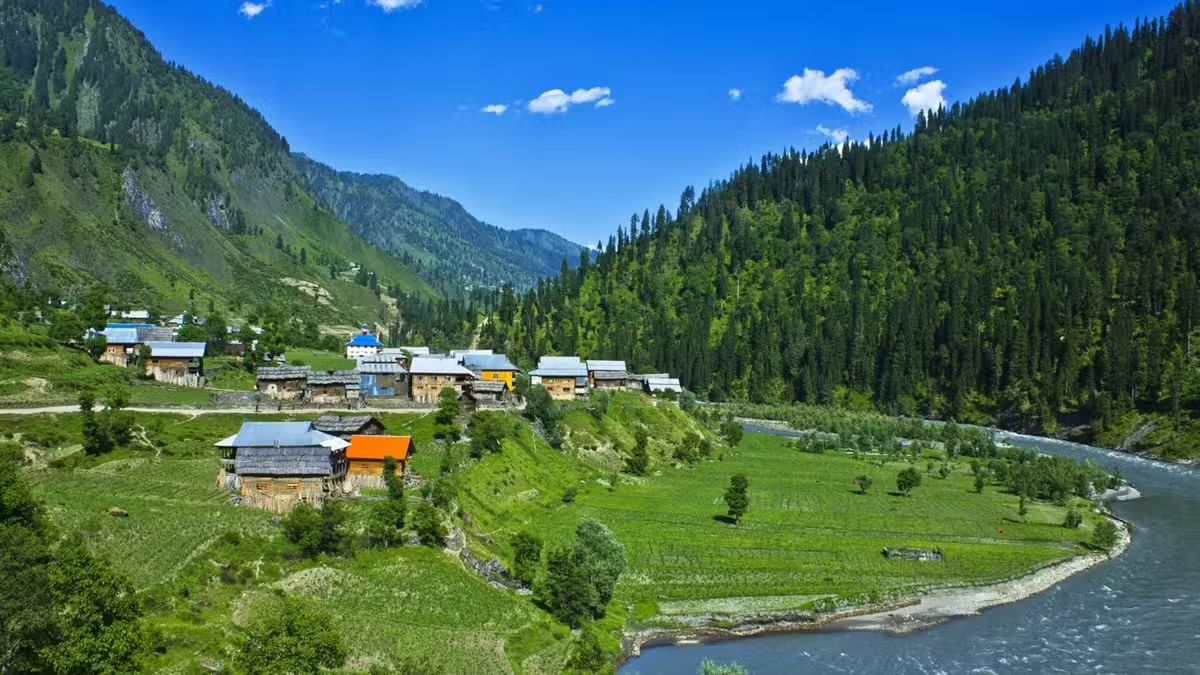
Lake Saiful Malook to Reopen as Snow Clearance Begins in Kaghan Valley

After months of winter closure, Lake Saiful Malook is preparing to welcome tourists again as authorities initiate snow clearance operations on the access road. The Kaghan Development Authority (KDA) has begun removing accumulated snow and glacier debris, signaling the start of the region’s tourism revival season.

Situated at a high altitude in the scenic Kaghan Valley, Lake Saiful Malook remains cut off during winter due to intense snowfall and harsh weather conditions. Each year, the route becomes impassable for nearly six months, limiting access to one of Pakistan’s most iconic natural attractions. With the arrival of spring, restoration efforts are now underway to reconnect the lake with eager visitors.

Officials have confirmed that heavy machinery is being deployed to expedite the process. The snow-clearing operation is expected to take some time, depending on weather conditions and the thickness of the snow layers. Once completed, the road will be declared safe for travel, allowing tourists, photographers, and adventure seekers to return.

The reopening of Lake Saiful Malook holds significant importance for the local tourism economy. Hotels, restaurants, and transport services in the Kaghan Valley rely heavily on seasonal visitor traffic. With improved access, businesses are anticipating a surge in activity, especially as domestic tourism continues to grow in popularity.

Travel experts advise tourists to stay updated on official announcements before planning their trip. Road conditions can change quickly in mountainous regions, and safety remains a top priority. Visitors are also encouraged to prepare for chilly temperatures, even during spring, due to the lake’s high elevation.

Lake Saiful Malook is renowned for its crystal-clear waters, surrounding snow-capped peaks, and rich folklore. Its reopening each year marks the beginning of a vibrant travel season in northern Pakistan, drawing thousands of visitors from across the country and beyond.

Mustafizur Rahman Ruled Out of PSL 11 After Bangladesh Withdraws NOC

Bangladesh fast bowler Mustafizur Rahman has been ruled out of the remainder of the Pakistan Super League after the Bangladesh Cricket Board withdrew his No Objection Certificate (NOC).

The decision effectively ends his participation in PSL 11, where he was representing Lahore Qalandars. The experienced pacer had been signed directly for the ongoing season and featured in five matches before leaving for international duty.

The withdrawal of the NOC means Mustafizur will no longer be available for franchise commitments in Pakistan, as national board permissions are mandatory for overseas league participation. Such decisions are typically influenced by international scheduling, player workload management, and national team priorities.

Mustafizur’s absence is a notable setback for Lahore Qalandars, who have relied on his variations and death-overs experience in the tournament. His ability to control runs in the final overs had been a key asset for the side during his short stint.

The development also highlights a recurring challenge in franchise cricket, where player availability often depends on international commitments and board approvals. Teams in leagues like the PSL frequently face mid-season disruptions due to overlapping international fixtures.

For Lahore Qalandars, the focus will now shift toward adjusting their bowling combination for the remaining matches of the season. Squad depth and local pace options are expected to play a bigger role moving forward.

As PSL 11 progresses, Mustafizur’s exit will be closely felt, especially given his experience in T20 cricket across global leagues. His departure adds another layer of unpredictability to the tournament’s competitive landscape.

Master Changan Wins Four Global Awards, Strengthening Pakistan’s Role in Changan’s Global Strategy

Master Changan Motors Limited has achieved a major international milestone after securing four prestigious global awards at the Changan Global Partner Conference 2026. The recognition highlights Pakistan’s growing importance within the global expansion strategy of its Chinese automotive partner.

The conference, hosted by Changan Automobile, brought together international partners under its “Vast Ocean Plan,” a global strategy focused on expanding market presence and accelerating innovation across regions. During the event, both companies reaffirmed their long-term collaboration and shared vision for future growth.

Master Changan received four key awards recognizing its performance and contribution to Changan’s international success. These include the “Vast Ocean Plan Contribution Award” for its role in global expansion efforts, the “Enduring Partnership Award” for its strong joint venture relationship, the “Key Product Contribution Award” for the success of the Changan Oshan X7 in Pakistan, and the “Service Excellence Award” for outstanding aftersales support in the local market.

The Oshan X7 has emerged as one of Pakistan’s most successful seven-seater SUVs, playing a central role in strengthening the brand’s market position. Its performance has helped establish Changan as a competitive player in the country’s rapidly evolving automotive sector.

During the ceremony, Master Changan’s CEO Danial Malik presented an honorary shield to Changan Automobile Chairman Zhu Huarong, symbolizing appreciation for continued trust and collaboration. The exchange underscored a shared ambition to elevate Changan into a global top-tier automotive brand by 2030.

Company leadership emphasized that Pakistan is becoming an increasingly important hub in Changan’s global roadmap. Master Changan highlighted its expanding product portfolio, which includes internal combustion engines as well as new energy vehicles, aligning with global shifts toward cleaner mobility solutions.

Looking ahead, the company plans to introduce multiple new brands and models in the coming years, including Changan, Deepal, and Avatr, along with 11 upcoming vehicles. This expansion reflects a broader strategy to diversify offerings and strengthen technological innovation in the Pakistani market.

The recognition at the global conference reinforces Pakistan’s growing role in the international automotive landscape. It also signals continued investment in advanced mobility solutions, improved customer experience, and long-term industrial collaboration between Pakistan and China.

Iran Foreign Minister Abbas Araghchi Expected in Islamabad Amid Intensifying Diplomatic Activity

A high-level Iranian delegation is likely to arrive in Islamabad tonight, signaling a fresh wave of diplomatic engagement in the region. According to government sources, Abbas Araghchi is expected to lead a small but significant negotiating team during this visit to Islamabad.

The visit comes at a critical time, as discussions surrounding a potential second round of talks between Iran and the United States continue to gain momentum. Diplomatic observers believe that regional coordination, particularly with Pakistan, could play an important role in shaping upcoming negotiations.

Sources indicate that prior to the expected arrival, Araghchi held discussions with Asim Munir and Ishaq Dar. These engagements highlight the strategic importance of Pakistan’s involvement in facilitating dialogue and maintaining regional stability.

Pakistan has historically maintained a balanced diplomatic stance, often acting as a bridge between competing global and regional interests. The anticipated visit underscores Islamabad’s continuing relevance in sensitive geopolitical matters, particularly those involving Iran and Western powers.

While official statements remain limited, analysts suggest that the discussions may revolve around de-escalation efforts, economic cooperation, and broader regional security concerns. The evolving situation also reflects a renewed push for diplomatic solutions over confrontation, especially in light of ongoing tensions in the Middle East.

The arrival of the Iranian delegation could also pave the way for further high-level exchanges in the coming days. As global attention shifts toward potential negotiations, Pakistan’s diplomatic channels are expected to remain active and closely engaged.

With multiple stakeholders involved, the visit is being closely watched by international observers. Any developments emerging from these talks may influence not only bilateral relations but also the broader geopolitical landscape in the region.

Rawalpindi Proposes “Marka-e-Haq” Name for New Flyover and Underpasses, Seeks Public Input

The Rawalpindi Municipal Corporation has initiated a public consultation process regarding the naming of newly developed infrastructure at District Courts Chowk and surrounding areas. Citizens have been invited to submit objections and suggestions on the proposed names for the Kutchery Chowk flyover and underpasses.

According to officials, the chief officer of the corporation has recommended naming the newly constructed Kutchery Chowk flyover and underpass as the “Marka-e-Haq Flyover and Underpass.” The proposal is part of ongoing efforts to formally designate key urban infrastructure in the city of Rawalpindi.

The adjacent infrastructure near Jinnah Park Rawalpindi is also included in the naming consultation process. Authorities have emphasized that public feedback will play a role in finalizing the official titles of these transport links.

The initiative reflects a broader practice of involving citizens in civic decision-making, particularly in projects that hold symbolic and functional importance. Naming public infrastructure often carries cultural and historical significance, making public participation a key part of the process.

Urban development in Rawalpindi has expanded in recent years, with several flyovers and underpasses constructed to ease traffic congestion and improve mobility in densely populated areas. These projects are intended to enhance connectivity between major commercial and administrative zones.

Officials have stated that the final decision on naming will be made after reviewing public feedback and objections. The consultation period allows residents to contribute suggestions that reflect local identity, historical relevance, or civic values.

The proposed “Marka-e-Haq” designation has already drawn attention, as it carries symbolic meaning and is expected to generate public discussion before a final decision is announced.

Kyrgyz Shipment Enters Pakistan via China Route, Marking New Regional Trade Shift

Pakistan has received its first commercial shipment from Kyrgyzstan through a newly activated trade corridor that passes via China, marking a significant development in regional logistics and connectivity. The consignment reached the Sost Dry Port in Gilgit-Baltistan, signaling the operational start of an alternative trade route that bypasses Afghanistan.

The shipment entered Pakistan through the Khunjerab Pass, a key gateway on the China-Pakistan border. This route allows goods from Central Asia to travel through China before entering Pakistan, offering a more stable and direct transit option for regional trade.

This development comes at a time when trade flows through traditional land routes have faced disruptions due to strained border conditions with Afghanistan. As a result, businesses have increasingly sought alternative pathways to maintain supply chain continuity and reduce delays.

Under the new corridor, goods originating from Central Asia can now reach Pakistan’s southern markets, including Karachi, without relying on Afghan transit routes. This shift is expected to improve efficiency, reduce transportation risks, and strengthen Pakistan’s role as a regional trade hub.

The use of the Khunjerab Pass corridor highlights the growing importance of infrastructure linking Pakistan with China under broader regional connectivity frameworks. It also opens new opportunities for trade expansion between Central Asian economies and South Asia.

Analysts believe this development could enhance economic integration in the region by providing landlocked Central Asian countries with improved access to seaports. For Pakistan, it represents a strategic opportunity to diversify trade routes and boost transit revenue.

As the route becomes operational, attention will now focus on its long-term viability, customs efficiency, and capacity to handle increased cargo volumes. If successful, it could reshape regional trade dynamics by reducing dependence on traditional transit corridors.

NDMA Warns of Heatwave Followed by Rain and Windstorms Across Pakistan

Pakistan is set to experience a spell of extreme weather as the National Disaster Management Authority (NDMA) issues a nationwide advisory highlighting a prolonged heatwave followed by rain and windstorms in several regions. The alert has been shared through the National Emergencies Operation Center to ensure preparedness at both institutional and public levels.

According to the NDMA, intense heatwave conditions are expected to continue until May 5. The most affected areas include Sindh, southern parts of Punjab, and regions of Balochistan. Temperatures in these areas are likely to remain significantly above seasonal averages, increasing risks of dehydration, heat exhaustion, and strain on infrastructure.

The advisory further indicates that changing atmospheric patterns may trigger rain and windstorms in upper and central regions after the heatwave phase. These developments could bring temporary relief from the high temperatures but may also result in localized disruptions, including power outages, reduced visibility, and potential damage to weak structures.

Authorities have urged citizens to take precautionary measures during the heatwave. People are advised to limit outdoor activities during peak hours, stay hydrated, and ensure proper care for children, elderly individuals, and livestock. Farmers are also encouraged to plan agricultural activities carefully to minimize losses caused by sudden weather shifts.

Emergency services and local administrations have been directed to remain on high alert. The NDMA has emphasized coordination among provincial disaster management authorities to respond swiftly to any emergencies arising from these weather conditions.

This evolving weather pattern underscores the growing impact of climate variability in Pakistan. Experts continue to stress the importance of preparedness and public awareness to mitigate risks associated with extreme weather events.