Government Moves to Revive $6 Billion Refinery Investments Through Tax Relief Measures

The Government of Pakistan has taken fresh steps to revive nearly $6 billion worth of planned refinery investments by addressing tax-related and policy issues that have delayed modernization projects across the country’s oil refining sector.

A high-level meeting chaired by Muhammad Aurangzeb highlighted renewed efforts to push forward the long-awaited Brownfield Refinery Policy. Officials discussed several proposals aimed at restoring investor confidence and accelerating refinery upgrade projects that have remained stalled for years.

One of the key proposals under discussion includes exempting imported refinery machinery from sales tax. Authorities are also considering additional policy protections to encourage investment in refinery modernization and improve long-term sector stability.

The meeting was attended by Ali Pervaiz Malik along with senior representatives from the Finance Division, Petroleum Division, the Federal Board of Revenue, the Oil and Gas Regulatory Authority, and major oil refineries operating in the country.

Participants reviewed several challenges that emerged following changes introduced through the Finance Act 2024. Industry stakeholders expressed concerns over the shift of petroleum products from zero-rated tax status to sales tax-exempt status, arguing that the move negatively impacted refinery economics and discouraged investment in upgrade projects.

Officials believe that resolving taxation and policy uncertainties is essential to unlocking billions of dollars in planned investments that could significantly improve Pakistan’s refining capacity and fuel quality standards. Modernized refineries are also expected to help reduce dependence on imported petroleum products and support energy sector stability.

Industry experts say refinery upgrades are critical for producing cleaner and higher-quality fuels that meet international environmental standards. Delays in modernization projects have raised concerns about the long-term competitiveness of Pakistan’s refining industry amid rapidly evolving global energy markets.

The renewed policy discussions indicate that the government is attempting to rebuild confidence among investors and refinery operators after prolonged uncertainty surrounding taxation and regulatory frameworks.

Economic analysts believe that successful implementation of the proposed incentives could attract major investment into Pakistan’s energy infrastructure while supporting industrial growth and improving energy security in the coming years.

Pakistan Women Reveal T20I Squad for Zimbabwe Series in Karachi

The Pakistan Cricket Board has announced a 15-member squad for the upcoming T20I series between the Pakistan women’s national cricket team and Zimbabwe women’s national cricket team. The three-match series is scheduled to take place in Karachi and will serve as an important assignment for both teams ahead of future international competitions.

According to the Women’s National Selection Committee, the squad has been finalized after evaluating recent performances and player fitness. The selected players are expected to strengthen Pakistan’s preparations as the team continues to focus on building consistency in the shortest format of the game.

All matches of the T20I series will be played at National Bank Stadium from May 12 to May 15. The venue is set to host competitive encounters as Pakistan Women aim to deliver strong performances on home soil.

The upcoming series provides an important opportunity for younger players to gain international exposure while allowing senior members of the squad to further improve team combinations. Cricket analysts believe the matches could also help the management test different strategies ahead of upcoming regional and global tournaments.

Pakistan Women have shown gradual improvement in recent international assignments, with the team management focusing on developing a balanced squad featuring experienced players alongside emerging talent. The Zimbabwe series is expected to play a key role in maintaining momentum and improving rankings in T20 international cricket.

Fans are expected to closely follow the series as women’s cricket continues to grow in popularity across Pakistan. The Pakistan Cricket Board has also increased efforts to promote women’s cricket through regular international fixtures and domestic development programs.

More details regarding match timings and squad line-ups are expected to be shared by the Pakistan Cricket Board ahead of the opening game.

Pakistan Reports Significant Drop in Child Stunting Under Benazir Nashonuma Programme

Benazir Income Support Programme has reported major progress in reducing child malnutrition and improving maternal health outcomes through the Benazir Nashonuma Programme, according to a new evaluation conducted by Aga Khan University.

The Endline Impact Evaluation of the programme revealed notable declines in child stunting rates among beneficiary families, marking an important development in Pakistan’s efforts to tackle malnutrition and improve public health.

According to the study, stunting rates among beneficiary children were found to be 22 percent lower at six months of age and 18 percent lower at one year of age. The evaluation also highlighted broader improvements in maternal and newborn health indicators.

Researchers reported a 6 percent reduction in low birth weight cases, an 11 percent decline in premature births, and a 7 percent decrease in weak and vulnerable newborns among programme beneficiaries.

The findings were officially presented during a special session held at BISP Headquarters in Islamabad, where government officials, health experts, and representatives of international development organizations participated.

Speaking at the event, Syed Imran Ahmed Shah described the results as a major achievement for Pakistan’s social protection sector.

He stated that the evaluation demonstrates how targeted nutrition and maternal healthcare interventions can significantly improve child health outcomes in vulnerable communities across the country.

Meanwhile, Rubina Khalid emphasized the importance of maternal and child health in national development. She noted that healthy mothers and children are essential for building a stronger and more prosperous Pakistan.

Rubina Khalid revealed that the Benazir Nashonuma Programme has so far reached more than 4.5 million women and children across 157 districts through a nationwide network of 578 facilitation centres and 169 stabilization centres.

She added that every positive outcome highlighted in the report reflects improved support for mothers and healthier beginnings for children. According to her, BISP is integrating social protection initiatives with nutrition and healthcare services to promote long-term human development.

During the session, Ayesha Raza Farooq stressed the importance of investing in children during the first 1,000 days of life, from conception until the child’s second birthday.

She explained that this period plays a critical role in shaping cognitive development, physical health, learning capacity, and future productivity.

Global health expert Zulfiqar Bhutta also presented the evaluation findings and highlighted the programme’s positive impact on reducing stunting and improving maternal and child healthcare outcomes.

Additionally, Anita Zaidi praised the Benazir Nashonuma Programme as an effective model of social protection and appreciated Pakistan’s efforts to improve the lives of women and children.

Representatives from major international organizations including World Health Organization, World Food Programme, and UNICEF also attended the session alongside senior BISP officials.

The latest findings highlight growing recognition of nutrition-focused social protection programmes as an important tool for improving public health and reducing child malnutrition in Pakistan.

PSW and TDAP Sign MoU to Accelerate Pakistan’s Digital Trade and Export Growth

Pakistan Single Window and Trade Development Authority of Pakistan have signed a Memorandum of Understanding (MoU) aimed at strengthening Pakistan’s trade ecosystem through digital transformation and export facilitation initiatives.

The agreement was officially signed at the TDAP Headquarters in Karachi and marks a major step toward modernizing Pakistan’s import and export processes through integrated digital services and improved regulatory efficiency.

Under the partnership, Pakistan Single Window, which leads the country’s digital trade transformation efforts, will work closely with TDAP to streamline export facilitation procedures and integrate important digital platforms into the broader PSW ecosystem.

The collaboration includes the integration of TDAP’s Pakistan Trade Portal and Exporters Directory with PSW’s digital framework. This move is expected to provide exporters and importers with seamless, real-time access to trade-related information and services while reducing dependence on manual procedures.

The initiative is also designed to support Pakistan’s growing focus on paperless trade and digital governance. Officials believe the integration of digital platforms will help businesses save time, improve compliance processes, and enhance overall trade efficiency.

As Pakistan’s leading trade promotion organization, TDAP will play a central role in connecting businesses, exporters, and trade associations with PSW’s digital reforms. Through its regional offices and international outreach network, TDAP will identify stakeholders who can benefit from the new digital trade solutions.

The agreement also allows PSW to participate in TDAP’s flagship trade events, enabling greater awareness and adoption of digital trade tools among exporters and the broader business community.

Another key component of the partnership is the use of secure trade data collaboration for evidence-based policymaking and market analysis. Both organizations plan to jointly develop export-ready toolkits and compliance checklists to assist small and medium enterprises (SMEs) in meeting international market requirements.

The MoU places special emphasis on women-led businesses and gender-responsive trade facilitation. PSW and TDAP will collaborate to improve digital inclusion and export readiness for women entrepreneurs across Pakistan.

The partnership will also support participants of the WTO Award-winning Khadijah Women Entrepreneurship Program by encouraging their participation in international exhibitions and trade delegations organized under TDAP’s annual business initiatives.

Speaking about the agreement, Aftab Haider stated that the collaboration represents another step toward building a unified and inclusive trade ecosystem in Pakistan.

He noted that the partnership would allow TDAP to utilize PSW’s data collection and dissemination capabilities for targeted export promotion efforts, particularly for women entrepreneurs, while PSW would benefit from TDAP’s expertise in trade facilitation and market engagement.

The agreement also includes joint capacity-building sessions where PSW will provide training and orientation to TDAP officials regarding digital modules, regulatory updates, and evolving trade procedures.

Experts believe the collaboration could significantly strengthen Pakistan’s export competitiveness by improving digital trade infrastructure, enhancing transparency, and making cross-border trade processes more efficient.

As Pakistan continues to pursue export-led economic growth, partnerships focused on digitalization and trade facilitation are increasingly being viewed as critical for improving the country’s global trade position.

LOLC Microfinance Bank and Teach For Pakistan Join Hands to Support Underserved Communities

LOLC Microfinance Bank has entered into a strategic partnership with Teach For Pakistan to strengthen educational opportunities and community development initiatives across underserved areas of Pakistan.

The collaboration was formalized through the signing of a Memorandum of Understanding (MoU), marking a significant step toward improving access to quality education, leadership development, and inclusive growth for communities that face social and economic challenges.

Under this partnership, both organizations aim to improve learning environments, enhance student outcomes, and promote meaningful community engagement through education-driven programs. The initiative will also focus on creating sustainable grassroots capabilities while raising awareness about the importance of education in national development.

The MoU signing ceremony was attended by senior leadership from both organizations. Representing LOLC Microfinance Bank were Chief Executive Officer Farooq Rashid and Chief Commercial Officer Nizar Noor Ali Momnani. From Teach For Pakistan, Chairman of the Board Nasir Kasuri and Chief Executive Officer Khadija Shahper Bakhtiar were also present.

Speaking at the occasion, Farooq Rashid emphasized that sustainable progress is achieved when knowledge and opportunity come together. He noted that the partnership reflects the bank’s commitment to supporting educational ecosystems that empower individuals and contribute to the country’s long-term growth.

Khadija Shahper Bakhtiar highlighted the importance of collective action in transforming education systems. According to her, long-term partnerships are essential to expanding impact in communities where educational support is needed the most.

Meanwhile, Nizar Noor Ali Momnani stated that the partnership demonstrates a shared commitment to investing in Pakistan’s youth. He added that both organizations aim to create meaningful opportunities for learning, leadership, and inclusive development through this collaboration.

The partnership between LOLC Microfinance Bank and Teach For Pakistan reflects a growing focus on corporate and social sector collaboration in Pakistan. By combining financial inclusion efforts with educational development, both organizations hope to create sustainable change that empowers future generations.

Education experts believe such partnerships can play a key role in bridging gaps in underserved communities, particularly where access to quality education and leadership opportunities remains limited. Initiatives like these are increasingly becoming vital for long-term social and economic progress in Pakistan.

As Pakistan continues to face educational and developmental challenges, collaborations between financial institutions and nonprofit organizations are expected to contribute positively toward building stronger, more resilient communities.

Pakistan International Container Terminal Announces Leadership Change During Acquisition Phase

Pakistan International Container Terminal Limited has announced a key leadership transition as the company undergoes an ongoing acquisition process involving a majority stake.

According to a disclosure submitted to the Pakistan Stock Exchange on May 7, 2026, the company’s Board of Directors accepted the resignation of Ms. Lirene Coloquio Mora Suarez from her position as Chief Executive Officer with immediate effect.

The management change comes at a sensitive time for the company, as it continues to move through corporate restructuring linked to the acquisition process. Such transitions are often closely monitored by investors due to their potential impact on operational continuity and strategic direction.

Following the resignation, the board has appointed Mr. Muhammad Anjum Naseem, who was already serving as Director and Chief Operating Officer, as the interim Chief Executive Officer. He will continue in this role until a permanent CEO is appointed and all required corporate formalities are completed.

The interim appointment is aimed at ensuring smooth operational management and stability during the ongoing transition period. The company has not yet announced a timeline for finalizing a permanent replacement.

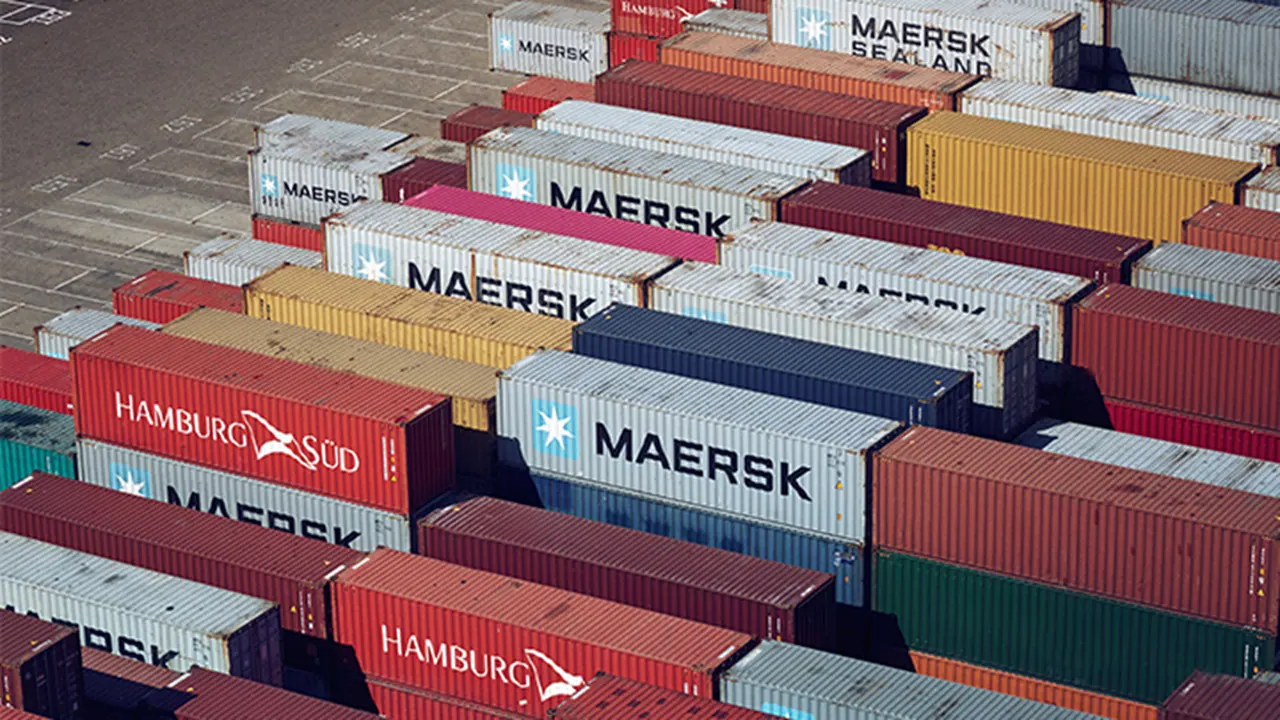
Pakistan International Container Terminal operates as a key player in the country’s maritime and logistics sector, handling containerized cargo at one of Pakistan’s major port facilities. Leadership stability in such companies is considered important for maintaining efficiency in trade and supply chain operations.

Market observers note that management changes during acquisition phases are not uncommon, as new ownership structures often lead to strategic realignment and leadership reshuffling. Investors typically watch such developments closely for signals regarding future business direction.

The maritime and logistics sector plays a critical role in Pakistan’s economy, supporting international trade through port operations and cargo handling services. Any transition at senior management level can influence investor sentiment, particularly when linked with ownership changes.

The company is expected to continue routine operations while ensuring compliance with regulatory requirements and stock exchange disclosure rules. Further updates regarding the permanent CEO appointment are likely to be announced after completion of internal and corporate procedures.

Punjab Government’s Taabeer Program Video Goes Viral After Candidate’s Name Draws Attention

A promotional video for the Punjab government’s Taabeer Program has gained widespread attention on social media after viewers focused on the unusual name of one of the participants featured in the campaign.

The clip features a resident of Wazirabad named Hitler Iqbal, whose name quickly became the center of online discussion. While the video was originally intended to highlight employment opportunities under the government-backed initiative, social media users shifted their attention toward the participant’s identity, sparking memes, jokes, and viral reactions.

The Taabeer Program is designed to assist young Pakistanis seeking overseas employment opportunities by connecting them with recruitment and interview processes. In the video, Hitler Iqbal shares his experience of appearing for an interview with only his passport and curriculum vitae, describing the process as simple and free of cost.

The participant encourages other young people to take advantage of the initiative, presenting the program as an accessible opportunity for individuals aiming to secure jobs abroad. Officials associated with the initiative have promoted the scheme as part of broader efforts to support overseas employment and youth empowerment in Punjab.

Despite the intended message of the campaign, online audiences largely focused on the unusual first name featured in the video. The clip rapidly circulated across multiple social media platforms, generating humorous commentary and increasing the video’s visibility far beyond its original promotional purpose.

Social media trends in Pakistan often amplify unexpected moments from official campaigns, and this latest incident quickly became part of ongoing internet discussions. Many users expressed surprise at the name, while others turned the clip into a source of entertainment through edited posts and memes.

The viral nature of the video has also indirectly brought greater public attention to the Taabeer Program itself. As discussions continued online, several users began asking questions about the overseas employment initiative and its application process.

Government-backed employment schemes have become increasingly important amid rising demand for international job opportunities among Pakistani youth. Programs like Taabeer aim to simplify recruitment channels and reduce financial barriers for applicants seeking work abroad.

FGEHA Extends Payment Deadline for F-14 and F-15 Allottees in Islamabad

The Federal Government Employees Housing Authority has announced an extension in the payment deadline for the third installment of residential plots in Sectors F-14 and F-15, Islamabad. The move offers additional relief to allottees who were unable to submit their payments before the original due date.

According to the authority, members can now deposit their third installment by May 15 without any surcharge or penalty. Previously, the payment deadline was set for April 30.

The decision is being viewed as a facilitative step for allottees facing financial or procedural delays. With the extension in place, plot owners in both sectors have been given an extra 15 days to complete the payment process smoothly.

The housing authority stated that the revised timeline aims to ease difficulties for members and ensure that deserving allottees do not face unnecessary fines due to missed deadlines. The announcement has brought relief to many applicants associated with the long-awaited housing project.

Sectors F-14 and F-15 are among the key residential developments being managed by the housing authority in Islamabad. The sectors have attracted significant interest from government employees and citizens looking for residential opportunities in the federal capital.

Officials have advised allottees to submit their installments within the revised timeframe to avoid complications in the future. Members are also encouraged to stay updated through official notifications regarding any further changes or instructions related to the housing scheme.

The extension reflects the authority’s continued efforts to accommodate members while maintaining progress on the development and management of the sectors. For many allottees, the additional time provides much-needed convenience amid ongoing financial pressures.

Pakistan Revives $6 Billion Refinery Upgrade Plan Amid Energy Pressures

Pakistan is accelerating efforts to revive a long-delayed $6 billion refinery upgrade initiative as rising global oil volatility highlights the country’s heavy dependence on imported fuel. The renewed push comes amid increasing pressure on energy supply chains and fluctuating international petroleum prices.

The plan aims to modernize key refining infrastructure across the country to reduce reliance on imported refined products and improve domestic production capacity. Authorities are focusing on upgrading major facilities operated by leading industry players, including Pak-Arab Refinery Limited (PARCO), Attock Refinery Limited, National Refinery Limited, Cnergyico Pakistan Limited, and Pakistan Refinery Limited.

The refinery upgrade program is designed to enhance production efficiency and bring output in line with international environmental and fuel quality standards. A key objective of the project is the production of Euro-V standard fuels, including cleaner petrol, diesel, and furnace oil, which are expected to reduce emissions and improve air quality.

Energy experts note that Pakistan’s reliance on imported petroleum products has long exposed the economy to global price shocks. Any disruption in international supply chains or sudden price increases directly impacts domestic fuel costs and inflation, placing additional strain on consumers and industries.

The renewed urgency around the refinery modernization comes as global energy markets remain unstable. Policymakers are increasingly viewing domestic refining capacity as a strategic necessity rather than just an industrial upgrade, particularly in light of recurring external supply pressures.

Beyond economic considerations, the project also carries environmental significance. Upgraded refineries with Euro-V compliance are expected to reduce harmful emissions, contributing to improved urban air quality and aligning with broader sustainability goals.

While the initiative has faced repeated delays over the years due to financial, regulatory, and structural challenges, the current energy landscape has pushed it back into focus. If successfully implemented, the upgrades could mark a major shift in Pakistan’s energy security strategy and reduce long-term dependency on imported fuel.

Microsoft to Remove Copilot AI from Xbox as CEO Signals Strategic Shift

Microsoft is set to scale back its artificial intelligence ambitions within its gaming division, as Xbox leadership confirms plans to remove Copilot integration from console platforms. The decision reflects a broader effort to realign priorities with the expectations of the gaming community.

The announcement was made by Asha Sharma, the newly appointed head of Xbox, following Microsoft’s recent leadership restructuring. In a statement shared on X, Sharma acknowledged that the company’s AI-driven Copilot features did not fully align with the core gaming experience that Xbox aims to deliver.

According to Sharma, Xbox intends to move faster in responding to player feedback, strengthen its connection with developers, and reduce friction across its ecosystem. The removal of Copilot features is part of this strategy, signaling a shift toward a more focused and streamlined user experience.

Copilot, Microsoft’s flagship AI assistant, has been integrated into several of the company’s products to enhance productivity and automation. However, its application within gaming platforms appears to have faced challenges, particularly in meeting the expectations of players who prioritize performance, immersion, and simplicity.

The move suggests that Microsoft is taking a more measured approach to AI adoption in gaming. Rather than forcing integration across all platforms, the company is choosing to refine where and how such technologies add real value. This could open the door for more tailored AI features in the future that better complement gameplay rather than distract from it.

Industry analysts view this decision as a sign that even major tech companies are reassessing their AI strategies. While artificial intelligence remains a key focus area, its implementation must align with user needs and platform identity to succeed.

As Xbox evolves under new leadership, the emphasis appears to be shifting toward community-driven development and core gaming enhancements. The rollback of Copilot integration highlights the importance of balancing innovation with user experience in an increasingly competitive gaming landscape.

Sea Link Group Acquires Stake in Major Pakistan Container Terminal Operator

Pakistan’s maritime and logistics sector is witnessing a notable development as Pakistan International Container Terminal Limited (PICT) has been officially informed about a key change in shareholding structure. The shares previously held by InnoVest Mauritius Limited have now been registered under Sea Link Group Ltd, signaling a strategic shift in ownership.

The transition was confirmed after formal approval from the Registrar of Companies in Mauritius on April 28, 2026. Following this authorization, Sea Link Group Ltd, which is incorporated in Seychelles, has assumed ownership of the shares. This move is expected to have implications for one of Pakistan’s largest container terminal operators and could influence the broader port operations landscape.

According to the official notification sent to PICT’s company secretary, the company has been directed to update all statutory registers, disclosures, and corporate records. These updates must align with applicable regulatory frameworks to ensure transparency and compliance with corporate governance standards.

This ownership change comes at a time when Pakistan’s logistics and shipping sectors are undergoing gradual transformation. Increased foreign investment and strategic acquisitions are often seen as indicators of confidence in the country’s trade infrastructure. With Karachi serving as a critical hub for maritime trade, developments involving major terminal operators like PICT are closely monitored by investors and industry stakeholders.

Sea Link Group’s entry could potentially bring new operational strategies, financial backing, or international expertise to the terminal’s management. While no immediate operational changes have been publicly disclosed, such transitions often pave the way for long-term restructuring, efficiency improvements, or expansion initiatives.

For market observers, this development highlights the evolving dynamics of ownership within Pakistan’s port sector. It also underscores the importance of regulatory oversight in ensuring that such transitions are conducted transparently and in accordance with legal requirements.

As the situation progresses, further disclosures from PICT or Sea Link Group may shed more light on future plans and strategic direction. For now, the focus remains on compliance updates and the formal integration of the new ownership structure into corporate records.

Sitara Petroleum IPO Becomes Third Largest in PSX History After 7x Oversubscription

Sitara Petroleum Service Limited has made a strong debut in the capital market, emerging as one of the largest public offerings in the history of the Pakistan Stock Exchange. The company successfully concluded its book-building phase on May 5, 2026, with a strike price set at PKR 18.90 per share, reaching the upper end of its price band.

The IPO witnessed overwhelming investor confidence, achieving an oversubscription of seven times its offering size. This remarkable response positions Sitara Petroleum as the third largest IPO in PSX history, following major listings such as Interloop Limited and Air Link Communication Limited.

Investor participation was notably strong, with total bids exceeding PKR 11.7 billion. The offering attracted a mix of institutional investors and high-net-worth individuals, reflecting confidence in the company’s growth prospects and the broader energy sector.

The IPO consisted of 279.9 million shares, representing 16.66 percent of the company’s paid-up capital. The high level of demand during the book-building process underscores the increasing appetite for equity investments in Pakistan, particularly in sectors linked to energy distribution and infrastructure.

Market analysts view this development as a positive signal for the country’s capital markets. Strong IPO performance not only enhances investor sentiment but also encourages more companies to explore public listings as a means of raising capital.

The success of Sitara Petroleum’s offering also highlights the effectiveness of the book-building mechanism in price discovery. By reaching the upper limit of the price band, the IPO demonstrated clear and decisive demand from investors willing to commit capital at higher valuations.

As the offering moves toward its next phases, including general public subscription, market participants will be closely watching how retail investors respond. Continued momentum could further strengthen the PSX’s position as a viable platform for large-scale capital formation.

Overall, this milestone marks a significant achievement for Sitara Petroleum and signals renewed activity in Pakistan’s IPO landscape. The strong response reflects growing investor confidence and the potential for future high-value listings in the market.

foodpanda Marks Labour Day with ‘Rider for a Day’ Initiative and Nationwide Support Programs

To celebrate International Labour Day, foodpanda launched a series of initiatives across Pakistan aimed at recognizing and supporting its delivery riders. The campaign highlights the company’s commitment to strengthening community ties while offering both financial and social support to its workforce.

At the center of the celebrations was the “Rider for a Day” initiative, designed to bridge the gap between corporate teams and on-ground realities. Employees, including senior leadership, stepped into the shoes of delivery riders, completing orders across city routes. This hands-on experience provided valuable insight into the daily challenges faced by riders, helping shape more practical and informed platform decisions in the future.

Understanding the physical demands of delivery work, foodpanda partnered with restaurant outlets nationwide to offer complimentary meals to riders. These locations served as rest points where delivery partners could recharge during their shifts. The initiative reflected a shared appreciation from the food industry for the essential role riders play in connecting businesses with customers.

To further acknowledge their efforts, the company introduced additional financial incentives for riders working on Labour Day. Alongside their regular earnings, delivery partners received bonus payouts and a PKR 250 discount voucher for pickup orders. This benefit allowed riders to access affordable meals while staying active on duty, with many taking advantage of the offer over the holiday period.

In a localized effort to deepen community engagement, foodpanda collaborated with Sahulat Foundation to host an appreciation event in Lahore. The gathering brought together 100 riders for a shared meal and recognition ceremony. Participants were also given PKR 2,000 cash grants to help ease financial pressures amid rising living costs.

Speaking on the occasion, Muntaqa Peracha emphasized the importance of delivery partners in the company’s ecosystem. He noted that such initiatives aim to ensure riders feel valued and supported, both professionally and personally.

These efforts are part of foodpanda’s broader strategy to enhance rider welfare through financial inclusion programs, insurance coverage, and long-term sustainability initiatives. As the gig economy continues to expand, such measures highlight the growing focus on improving working conditions and recognizing the contributions of delivery professionals across Pakistan.

Senate Panel Backs Technical Allowance for Engineers Across Pakistan

In a significant development for the country’s engineering community, the Senate Standing Committee on Science and Technology has recommended the approval of a technical allowance for engineers nationwide. The proposal aims to ensure uniform financial recognition for engineers working in both federal and provincial institutions.

The committee’s endorsement reflects growing acknowledgment of the technical expertise and responsibilities carried by engineers in Pakistan. By supporting this measure, lawmakers have moved a step closer to addressing a long-standing concern raised repeatedly by professionals in the field.

Engineers across various sectors have for years called for equitable compensation structures that match their specialized skills. The proposed technical allowance is expected to bridge this gap and bring consistency to salary frameworks, particularly in public sector organizations where disparities have persisted.

The recommendation also signals a broader policy shift toward strengthening the role of science and technology in national development. By incentivizing technical talent, the government may be aiming to retain skilled professionals and reduce brain drain, a challenge that has affected Pakistan’s engineering sector for decades.

If implemented, the allowance would apply across all provinces, creating a standardized benefit for engineers regardless of their department or geographic location. This could improve morale and productivity while encouraging more students to pursue careers in engineering disciplines.

However, the proposal still requires formal approval and budgetary allocation before it can be enforced. Financial implications and coordination between federal and provincial authorities will play a key role in determining how quickly the recommendation translates into policy.

The move has already been welcomed by members of the engineering community, who see it as a step toward professional recognition and fair compensation. Many believe that such initiatives are essential for aligning Pakistan’s technical workforce with global standards.

As discussions progress, stakeholders will be closely watching for concrete timelines and implementation details. The decision could mark a turning point in how technical professionals are valued within the country’s public sector framework.

SHC Rules Daily Wage and Temporary Service Must Count Toward Pension

In a landmark decision, the Sindh High Court has ruled that service carried out on a daily wage and temporary basis must be included when calculating pension benefits. The court declared previous orders issued by the Civil Aviation Authority that excluded such service as unlawful.

The ruling came during proceedings related to pension claims of retired Civil Aviation employees. The constitutional bench examined departmental policies that had denied workers the inclusion of their earlier service periods, significantly affecting their retirement benefits.

In its verdict, the court set aside the office orders that barred the counting of daily wage and temporary employment toward pension eligibility. It emphasized that such exclusions were not legally justified and undermined the rights of employees who had served in various capacities over the years.

The court also directed the relevant authorities to clear all pending dues owed to affected retirees within a period of two months. This directive is expected to bring relief to numerous employees who had long awaited fair recognition of their complete service records.

Legal experts view the judgment as a major step toward protecting workers’ rights, particularly those who begin their careers in non-permanent roles. By ensuring that all forms of service are acknowledged, the ruling sets a precedent that could influence similar cases across Sindh and potentially other provinces.

The decision reinforces the judiciary’s role in upholding fairness in employment practices and highlights the importance of equitable pension policies. For many workers, this judgment represents not just financial relief but also recognition of their years of contribution.

Babar Azam Reaffirms Commitment to All Formats After Strong Comeback

Pakistan’s premier batter Babar Azam has made his future intentions clear, reaffirming his commitment to represent Pakistan national cricket team across all three formats of the game. The statement comes after a challenging phase earlier this year that tested both his form and consistency.

The 31-year-old cricketer, widely regarded as one of Pakistan’s most reliable performers, experienced a dip in performance, including a relatively quiet outing during the ICC Men’s T20 World Cup. His struggles sparked discussions about his role, particularly in the shortest format of the game.

Despite the setbacks, Babar Azam has staged a strong comeback, showcasing resilience and leadership. He recently guided Peshawar Zalmi to victory in Pakistan Super League Season 11, where the team clinched the title with a commanding win over Hyderabad Kingsmen. The final, held at Gaddafi Stadium, marked a significant moment in his recent career revival.

Babar’s return to form has not only silenced critics but also reinforced his importance to Pakistan’s cricketing setup. His performances in the PSL highlighted his ability to adapt, lead from the front, and deliver under pressure, qualities that continue to define his career.

Looking ahead, the batter remains focused on contributing consistently to the national side. His renewed confidence and determination signal a positive outlook for Pakistan cricket, especially with key international fixtures on the horizon.

As one of the leading figures in modern cricket, Babar Azam’s commitment to all formats reflects both his ambition and his dedication to the sport. Fans and analysts alike will be watching closely as he continues to shape his legacy on both domestic and international stages.

KP Government Launches Nakband to Alawara Road Project to Boost Local Connectivity in Kohat

In a move aimed at strengthening regional infrastructure, Aftab Alam, the Khyber Pakhtunkhwa Minister for Law and Parliamentary Affairs, officially inaugurated the Nakband to Alawara Road Project in Kohat on Monday. The project carries an estimated cost of Rs. 40 million and is expected to significantly improve transportation in the area.

The newly launched road project is part of broader provincial efforts to enhance connectivity in underdeveloped regions. By linking Nakband with Alawara, the initiative is set to ease travel for local residents while supporting economic activity and access to essential services.

The inauguration ceremony witnessed participation from key political figures and community members. Among those present were former Tehsil Gumbat Chairman Sajid Iqbal and PTI leader Ishtiaq Qureshi, along with party workers and a large gathering of residents, reflecting strong local interest in infrastructure development.

Speaking at the event, officials emphasized the importance of road networks in driving socio-economic growth. Improved roads not only reduce travel time but also facilitate trade, education, and healthcare access, particularly in remote areas of Khyber Pakhtunkhwa.

The Nakband to Alawara Road Project is expected to bring long-term benefits by connecting communities that have historically faced mobility challenges. Residents expressed optimism that the new road will enhance daily life and open up new opportunities for businesses and commuters alike.

The provincial government continues to prioritize development projects that address grassroots needs, with a focus on sustainable growth and improved quality of life across the region.

Pakistan Hajj Mission Issues Shuttle Service Guidelines for Pilgrims in Makkah

The Pakistan Hajj Mission has issued updated operational guidelines for pilgrims staying in Al-Aziziyah, Makkah, focusing on improved transport coordination and crowd management during prayer timings at the Masjid al-Haram.

The instructions emphasize timely movement of pilgrims using the dedicated shuttle service, which has been structured to ensure smooth access to the holy site while avoiding overcrowding and traffic congestion.

According to the guidelines, all pilgrims are advised to reach the Masjid al-Haram at least 30 minutes before the Azan to ensure they can comfortably participate in congregational prayers.

To manage peak crowd flow, shuttle services will be temporarily suspended 30 minutes prior to each Azan. This step is aimed at preventing congestion at departure points and ensuring orderly movement of buses during high-demand prayer periods.

Pilgrims are strongly advised to leave their accommodation approximately one hour before prayer timings. Early departure is expected to help avoid delays and ensure timely arrival at the mosque, especially during peak hours.

The guidelines also encourage pilgrims not to rush back immediately after prayers. Instead, they are advised to remain inside the Haram for about 30 minutes after prayer completion before heading to shuttle points. This approach is designed to reduce sudden crowd surges at transport stations.

Authorities have stated that these measures are particularly important for the safety and convenience of elderly pilgrims and those with health conditions. Controlled movement helps reduce pressure at bus stands and improves overall travel comfort.

A fixed shuttle schedule has also been issued for residential departures. The timing includes 03:30 AM for Fajr, 11:18 AM for Dhuhr, 02:40 PM for Asr, 05:45 PM for Maghrib, and 07:15 PM for Isha. Pilgrims are requested to strictly follow these timings to ensure smooth operations.

The Pakistan Hajj Mission has urged all pilgrims to cooperate fully with the transport system and follow instructions carefully. Proper adherence to the schedule is expected to improve efficiency and provide a more organized and peaceful pilgrimage experience.

These guidelines reflect ongoing efforts to enhance crowd management and logistical planning for Pakistani pilgrims in Saudi Arabia, ensuring safety, discipline, and ease during one of the most important religious journeys.

6 Stocks Help PSX Stage Strong April Recovery as Volatility Dominates Market Sentiment

Pakistan’s equity market witnessed a sharp but uneven recovery in April 2026 as the benchmark index posted strong gains despite persistent volatility and macroeconomic uncertainty. The rebound was largely driven by selective heavyweight stocks that helped stabilize overall market performance.

The KSE-100 Index surged by 14,251 points on a month-on-month basis, reflecting renewed investor activity after a turbulent start to the month. However, market sentiment remained fragile as gains were frequently interrupted by geopolitical and economic concerns.

According to Arif Habib Limited, early momentum in the market was fueled by optimism surrounding a potential easing of tensions in the Middle East. Reports of a possible US–Iran ceasefire initially boosted investor confidence, leading to strong buying activity across key sectors.

The easing sentiment linked to the US–Iran ceasefire negotiations played a significant role in driving early gains. Investors interpreted the development as a sign of reduced geopolitical risk, which historically has a strong influence on emerging market equities like Pakistan.

However, this upward trend was not sustained throughout the month. As trading progressed, volatility returned due to weaker-than-expected corporate earnings and renewed uncertainty in global and regional conditions. Energy sector pressures and domestic economic challenges further weighed on investor confidence.

Despite these headwinds, a handful of key stocks played a crucial role in supporting the index. These select performers absorbed selling pressure and helped maintain the overall upward trajectory of the market, preventing a deeper correction.

The recovery also reflected mixed signals in Pakistan’s broader economic landscape. While liquidity and selective buying supported equities, underlying concerns about inflation, energy shortages, and fiscal constraints continued to limit broader participation.

Market analysts note that such rebound patterns often indicate a “stock-specific rally” rather than a broad-based recovery. In this case, gains were concentrated in a limited number of high-impact companies, while the rest of the market showed uneven performance.

Investor behavior remained cautious, with many participants focusing on short-term opportunities rather than long-term positioning. This cautious approach contributed to frequent intraday swings and inconsistent market direction.

Going forward, market direction is expected to depend heavily on macroeconomic stability, corporate earnings performance, and developments in global geopolitical conditions. Any sustained recovery will likely require stronger economic fundamentals and reduced external pressure.

The April performance of the PSX highlights both the resilience and vulnerability of Pakistan’s equity market, where sharp gains can coexist with high volatility and uncertain sentiment.

How to Apply for Rs. 1 Lac Assistance Under Punjab Rahmat Card Program

The Punjab government has introduced the Rahmat Card Program to extend financial relief to vulnerable segments of society, particularly widows and orphan families. This initiative is designed to ease financial stress and provide immediate support to households struggling to meet basic needs.

Under this program, around 50,000 deserving families across Punjab will receive a one-time grant of Rs. 1 lac. Both widows and orphan families are eligible for this financial assistance, making it a targeted effort to uplift those facing economic hardship.

The scheme focuses on low-income households identified through official data systems. Authorities aim to ensure that only genuine beneficiaries receive support, maintaining transparency and fairness in the distribution process.

To qualify, applicants must be permanent residents of Punjab and belong to financially disadvantaged backgrounds. Government employees and pensioners are not eligible to apply. Widows must have their marital status updated on their CNIC, while orphan families need to provide a valid B-form for verification.

Another important requirement is that the mobile number used for registration must be registered under the applicant’s own CNIC. This step helps streamline communication and ensures secure processing of applications.

The application process is simple and accessible. Eligible individuals can apply through the official Rahmat Card web portal or by downloading the dedicated mobile application. After completing registration, applicants can submit their request for financial aid directly through these platforms.

Selection of beneficiaries will be conducted using the Punjab Socio-Economic Registry database. Authorities will also consider district-level quotas to maintain equitable distribution. In cases where applicants are not listed in the registry, their information will be verified through NADRA records.

Once approved, the financial assistance will be transferred through JazzCash wallet accounts. To further support beneficiaries, the Punjab government will cover all service charges associated with these accounts. This ensures that recipients receive the full amount without any deductions.

The Rahmat Card Program reflects the government’s commitment to social welfare by prioritizing those most in need. With a straightforward application process and transparent selection criteria, it offers a reliable pathway for deserving families to access financial relief.