Gul Ahmed Fire Incident: Major Fire Erupts at Gul Ahmed Textile Warehouse in Karachi

Landhi Facility Suffers Significant Inventory Damage

A devastating fire engulfed Gul Ahmed Textile Mills’ warehouse in Landhi, Karachi, causing substantial damage to stored goods and infrastructure. The blaze, which broke out unexpectedly, destroyed inventory and affected fixed assets at one of Pakistan’s leading textile manufacturing facilities. Company officials have initiated a comprehensive damage assessment to evaluate the operational and financial impact of the incident on their supply chain and production capabilities.

Emergency Response Prevents Human Casualties

While the exact cause of the fire remains under investigation, preliminary reports indicate that the facility’s emergency response systems functioned effectively. Firefighting teams and on-site personnel reportedly acted swiftly to contain the blaze, preventing injuries or loss of life. The quick containment efforts limited the fire’s spread to other sections of the sprawling textile complex, though the affected warehouse suffered considerable damage.

Industry-Wide Implications of Industrial Safety Lapses

The incident has reignited discussions about fire safety standards in Pakistan’s industrial zones, particularly in Karachi’s manufacturing hubs. As one of the country’s largest textile exporters, Gul Ahmed’s fire incident highlights potential vulnerabilities in industrial safety protocols. The textile giant has assured stakeholders of transparent findings from its ongoing investigation while emphasizing its commitment to worker safety and disaster preparedness measures.

Punjab Climate Strategy: Punjab Unveils Rs123 Billion Climate Action Plan at COP-30

Chief Minister Presents Ambitious Green Reforms in Brazil

Punjab Chief Minister Maryam Nawaz Sharif unveiled the province’s comprehensive climate resilience strategy at the United Nations Climate Change Conference (COP-30) in Belém, Brazil. Addressing international delegates at the Pakistan Pavilion, she announced a substantial increase in environmental funding, with Punjab’s anti-smog budget jumping from Rs94 billion to Rs123 billion. The presentation positioned Pakistan’s most populous province as an emerging leader in climate-conscious governance within South Asia.

Technology-Driven Solutions Take Center Stage

The climate blueprint features cutting-edge technological interventions including artificial intelligence-powered monitoring systems and a dedicated Smog War Room for real-time environmental surveillance. Chief Minister Sharif detailed the Clean Punjab initiative’s multifaceted approach combining e-mobility transitions, wildlife conservation reforms, and sustainable waste management practices. These measures form part of Punjab’s broader commitment to achieving Sustainable Development Goals while addressing urgent air quality challenges that affect millions of residents.

Climate Considerations Integrated Into Policy Framework

Emphasizing a paradigm shift in governance priorities, the Chief Minister declared environmental protection as a non-negotiable factor in all provincial decision-making processes. The strategy aligns Pakistan’s subnational efforts with global climate frameworks, particularly spotlighting Punjab’s transition to eco-friendly fuels and circular economy models. This international showcase demonstrates how developing regions can implement locally-tailored solutions to meet worldwide climate targets while addressing immediate pollution crises.

Robotic Traffic Enforcement: Karachi Deploys Robotic Patrols for High-Tech Traffic Enforcement

AI-Powered Units to Patrol Busy Commercial Districts

Karachi is set to launch an innovative robotic patrol system as part of its E-Tracks traffic management initiative starting next month. The autonomous units will navigate high-traffic zones including Saddar and Tariq Road at controlled speeds of 20 km/h, equipped with advanced detection systems to identify violations. This technological upgrade represents the city’s third layer of digital enforcement, building upon existing camera networks and manual monitoring methods.

Automated Detection Delivers Instant E-Challans

The robotic patrols will use artificial intelligence to flag infractions such as illegal parking and improper lane usage, issuing immediate e-challans to violators through integrated systems. Early data reveals the effectiveness of digital enforcement, with authorities reporting nearly 50,000 fines processed within the first fortnight of the program’s test phase. The automated approach aims to reduce human error and increase transparency in traffic regulation.

Smart City Initiative Transforms Urban Mobility

Karachi’s robotic traffic management system reflects Pakistan’s growing investment in smart city technologies to address urban challenges. Transportation experts highlight how these innovations could significantly improve traffic flow in one of the world’s most densely populated cities. The E-Tracks program demonstrates municipal authorities’ commitment to leveraging cutting-edge solutions for safer, more efficient roadways as Karachi moves toward becoming a model for tech-driven urban governance.

Manora Beach Incident: Three Dow University Students Drown in Manora Tragedy

Strong Currents Claim Lives of Visiting Students

A devastating incident at Karachi’s Manora Beach resulted in the drowning deaths of three students from Dow University of Health Sciences. The victims, reportedly swept away by powerful ocean currents during their visit to the popular coastal location, could not be revived despite prompt emergency response efforts. Rescue teams recovered all three bodies at the scene, where medical personnel pronounced them dead.

University Community Mourns Sudden Loss

The tragic deaths have sent shockwaves through Dow University, with administration officials expressing profound grief over the loss of promising young lives. Fellow students and faculty members gathered in solidarity as news of the incident spread across campus. The university has initiated counseling services for affected students while coordinating with victims’ families to provide support during this difficult time.

Calls for Enhanced Beach Safety Measures

The drowning incident has sparked urgent discussions about coastal safety protocols in Karachi. Local authorities face mounting pressure to improve warning systems, lifeguard presence, and emergency response capabilities at public beaches. Community leaders and education officials are demanding immediate action to prevent similar tragedies, including better public awareness campaigns about rip current dangers and restricted swimming zones.

Cristiano Ronaldo Retirement: Announces 2026 World Cup Will Be His International Swan Song

Football Legend Confirms Impending Retirement Timeline

Five-time Ballon d’Or winner Cristiano Ronaldo has made the seismic announcement that the 2026 FIFA World Cup will serve as his final international tournament. The Portuguese superstar revealed his plans to retire from professional football within “one or two years,” signaling the approaching curtain call for one of the sport’s most decorated careers. This declaration comes as the 39-year-old prepares for what will likely be his sixth World Cup appearance, extending his unprecedented longevity at football’s highest level.

Two Decades of Unmatched Football Dominance

Ronaldo’s impending retirement marks the end of an era that redefined football excellence. With career statistics that may never be matched, the Al-Nassr forward holds the records for most international goals (128) and most Champions League goals (140). His trophy cabinet boasts five Champions League titles, seven league championships across three countries, and Portugal’s first major trophy at Euro 2016. The Madeira-born phenom’s combination of athleticism, skill and relentless work ethic created a blueprint for modern football excellence that inspired generations.

Global Tributes Pour In For Football Icon

As news of Ronaldo‘s retirement plans spread, tributes began flooding social media from fans, peers and football institutions worldwide. The announcement has triggered reflections on iconic moments – from his Manchester United breakthrough to Real Madrid’s three-peat Champions League triumphs and his late-career resurgence. With the 2026 World Cup potentially offering one final chapter, the football world now prepares to properly celebrate a career that transcended the sport and established Ronaldo as arguably the greatest goalscorer in football history.

Saudi Arabia Unveils Advanced “Wing Drone” for Hajj Surveillance

The Ministry of Interior of Saudi Arabia has unveiled its cutting-edge “wing drone” at the Hajj Conference and Exhibition, organized by the Ministry of Hajj and Umrah in Jeddah, according to a report by Saudi Gazette.

The innovative surveillance drone, designed to strengthen safety and security during the annual pilgrimage, represents a significant advancement in Saudi Arabia’s use of technology for crowd management and monitoring during Hajj.

Deployed along routes leading to Makkah and Madinah, the wing drone was actively used during the last Hajj season to detect and track violators of Hajj regulations while providing real-time aerial surveillance across key pilgrimage routes and gathering sites.

“The introduction of the wing drone reflects the Kingdom’s commitment to adopting advanced technology to ensure the safety and smooth management of millions of pilgrims,”
a ministry representative said.


AI-Powered Surveillance Capabilities

The wing drone is equipped with thermal imaging, night-vision cameras, and AI-powered detection systems that enable it to operate seamlessly under various weather conditions — day or night.

Its artificial intelligence algorithms help identify unusual movements, crowd densities, and potential safety risks. The data is then transmitted in real-time to operations rooms and monitoring centers, allowing authorities to make rapid, data-driven decisions and deploy emergency teams when necessary.

Officials confirmed that the system was instrumental in enhancing coordination among different security and emergency agencies during Hajj 2025, helping reduce unauthorized movements and improving overall situational awareness.

The drone’s versatility also allows it to cover large areas quickly, providing aerial imagery and analytics that assist in route optimization, crowd control, and emergency response planning.


Part of Vision 2030 Smart Security Framework

The initiative is part of the Kingdom’s broader Vision 2030 Smart Security Framework, which aims to leverage artificial intelligence, automation, and smart surveillance to strengthen public safety infrastructure.

Saudi authorities have increasingly integrated technology into Hajj operations — from facial recognition systems and electronic bracelets for pilgrims to AI-powered traffic control systems — making the pilgrimage safer and more efficient than ever before.

“These innovations showcase how technology and faith can coexist to enhance one of the largest annual gatherings in the world,”
said an analyst at the Hajj Research Center.

The wing drone is expected to play an even greater role in upcoming Hajj seasons, with plans for expanded deployment and upgraded AI capabilities to further refine real-time surveillance and emergency management.

Teacher Transfer Policy: KP Government Implements Province-Wide Ban on Teacher Transfers

Education Department Freezes All Postings to Ensure System Stability

The Khyber Pakhtunkhwa (KP) government has imposed a complete ban on all teacher transfers and postings within the Elementary and Secondary Education Department. This decisive action came after a high-level review meeting chaired by the Chief Minister, demonstrating the provincial administration’s commitment to bringing transparency and consistency to the education sector. The sweeping restriction applies equally to both male and female teaching staff across elementary and secondary education levels.

Notification Details Exemptions to Transfer Ban

An official notification issued by the Secretary of Elementary and Secondary Education clarified several key exceptions to the new policy. The transfer prohibition will not affect appointments processed through the KP Public Service Commission, promotions authorized by either the Provincial Selection Board or Departmental Promotion Committee, court-mandated transfers, or teachers currently in the posting pipeline. These carefully considered exemptions aim to balance administrative control with necessary human resource movements in the education system.

Digital Transformation Coming to Teacher Transfers

Alongside the immediate transfer freeze, the education department revealed plans to modernize the entire posting process through a new E-Posting and Transfer Policy. This innovative digital approach will feature a dedicated online portal designed to centralize and regulate all teacher transfers. Significantly, the system will restrict transfer activities exclusively to summer and winter vacation periods, minimizing disruption to academic calendars and ensuring smoother transitions for both educators and students.

E-Challan System Flaws : Citizen Furious Over Wrongly Issued E-Challan for Vehicle He Doesn’t Own

Karachi Resident Shocked by Baseless Traffic Fine

Faisal Sattar, a resident of Gulshan-e-Iqbal, found himself embroiled in an absurd situation when he received a Rs. 10,000 e-challan for a traffic violation committed by a car that doesn’t belong to him. The bewildered citizen owns a silver Suzuki Cultus (ASF 613, 2004 model), but the violation notice listed a completely different vehicle—a red Suzuki Mehran (ASF 813, 2003 model). Faisal confirmed that his car had been parked at home for months, making the challan even more inexplicable.

Investigation Reveals Number Plate Misidentification

Upon verifying details on the Excise Department’s website, Faisal discovered that the offending Mehran was registered under Moonlight Industries, not his name. The error appears to have occurred due to an automated traffic camera misreading the number plate, incorrectly linking the violation to Faisal’s vehicle. The case highlights a glaring flaw in Pakistan’s e-challan system, where innocent citizens are being penalized due to technical glitches.

Bureaucratic Hassle Adds to Citizen’s Frustration

When Faisal approached the Traffic Police Facilitation Center to resolve the issue, officials informed him that his case would be reviewed by a committee before any decision could be made. The private-sector employee expressed deep frustration, stating that the unjust fine has caused him unnecessary mental stress. He now fears a lengthy bureaucratic process to clear his name, despite having concrete evidence proving his innocence. The incident has sparked concerns over the accountability of automated traffic enforcement systems and their impact on ordinary citizens.

Pakistan Cricket Captaincy: Shaheen Afridi Confirms Rizwan’s Voluntary Step Down as ODI Captain

Pacer Clarifies Captaincy Transition Was Player’s Own Decision

Pakistan’s newly appointed ODI captain Shaheen Afridi has addressed the leadership change in the national cricket team, revealing that wicketkeeper-batter Mohammad Rizwan voluntarily relinquished the captaincy before the South Africa series. Speaking to reporters, the left-arm fast bowler emphasized there was no external pressure or internal conflict behind the decision. “Rizwan himself decided to step down,” Shaheen stated, putting to rest speculation about potential disagreements within the squad.

Team Unity Remains Strong Despite Leadership Shift

Shaheen assured fans and critics alike that the Pakistani squad remains fully united under the new leadership structure. The star pacer highlighted the team’s collective focus on upcoming challenges, stressing that the captaincy transition hasn’t affected squad harmony. His comments aimed to dispel any notions of division following Rizwan’s departure from the leadership role, which came relatively early in his tenure as ODI skipper.

Mixed Fan Reactions to Leadership Reshuffle

The cricket community has responded with varied opinions about the sudden change in Pakistan’s ODI leadership. While some supporters expressed surprise at Rizwan‘s quick exit from the captaincy, many praised the apparent mutual respect between the two players during this transition period. Social media discussions have particularly highlighted the professional handling of the situation, with both athletes maintaining supportive public stances about each other’s roles in the team’s future.

Judicial Digital Transformation: Pakistan Judiciary Embarks on Digital Transformation with E-Courts System

Chief Justice Chairs Landmark Meeting for Judicial Reforms

Chief Justice of Pakistan Yahya Afridi presided over a crucial high-level meeting to finalize plans for implementing a nationwide E-Courts system. This ambitious initiative represents a major leap forward in modernizing Pakistan’s judicial infrastructure through digital solutions. The meeting saw participation from Supreme Court justices including Justice Muhammad Ali Mazhar and Justice Haroon Rashid, along with Barrister Ali Zafar and senior government officials, demonstrating broad institutional support for the transformation.

Transparency and Efficiency at Core of Judicial Reforms

During the proceedings, Chief Justice Afridi emphasized that the digital overhaul is fundamentally a public-interest reform designed to enhance transparency, efficiency, and accessibility within the judicial system. He reiterated that improving institutional performance and accountability remains the central focus of these technological upgrades. The Chief Justice issued directives for inclusive stakeholder engagement, ensuring all relevant parties contribute to the successful rollout of the E-Courts platform.

Comprehensive Modernization Plan Includes Solar Transition

The judiciary’s transformation extends beyond digital case management, with Chief Justice Afridi announcing that all courts nationwide will convert to solar energy by August 2026. This sustainability initiative accompanies parallel projects to establish E-libraries, women’s facilitation centers, and clean water facilities in court premises. The combined reforms aim to create a judicial system that is not only technologically advanced but also environmentally conscious and responsive to citizens’ needs, promising faster and more transparent justice delivery.

Naseem Shah Security Threat: Gunmen Attack Property Belonging to Cricketer Naseem Shah

Armed Assailants Target Fast Bowler’s Residence

Unidentified gunmen launched an attack on Pakistani fast bowler Naseem Shah’s property, sparking immediate police intervention. The brazen assault has raised alarm bells about the security of high-profile athletes in the country. Law enforcement officials swiftly responded to the incident, securing the premises and initiating a thorough investigation into the circumstances surrounding the attack.

Five Suspects Apprehended in Police Operation

Authorities have confirmed the arrest of five individuals in connection with the shooting incident. While the motive remains unclear, investigators are examining all possible angles, including personal enmity and potential threats to the cricketer’s safety. Police have registered a formal case and are conducting interrogations to determine the attackers’ intentions and possible connections to larger criminal networks.

Security Measures Enhanced for National Cricketer

Despite the violent nature of the attack, officials reported no injuries to Naseem Shah or his family members. Law enforcement agencies have assured the public that additional security protocols are being implemented to protect the athlete and his property. The incident has prompted discussions about the need for improved protection measures for Pakistan’s sporting icons, particularly those with high public profiles like the national team fast bowler.

Good News for Karachi Citizens Regarding E-Challan Fines

In a move that may bring much-needed relief to Karachi’s motorists, the Sindh government is reportedly considering reducing e-challan fines under the newly launched AI-powered Traffic Regulation and Citation System (Tracs).

The decision comes after widespread public criticism and growing concern over the hefty fines issued since the system’s introduction. According to reports, within just one week of its launch, the traffic police issued around 30,000 e-challans, amounting to millions of rupees in fines for common violations such as not wearing seatbelts, using tinted windows, and riding motorcycles without helmets.

The Tracs system, inaugurated by the Sindh Chief Minister on October 27, was designed to modernize Karachi’s traffic management by leveraging artificial intelligence and digital monitoring tools. The system uses advanced surveillance cameras to automatically detect and record traffic violations, generating challans linked to vehicle registration data.

While the initiative was intended to promote safer driving and reduce road accidents, it quickly drew backlash from citizens who complained that the fines were excessively high and unaffordable for many daily commuters. Social media was flooded with complaints and memes as frustrated drivers shared screenshots of their unexpected e-challans.

In response, the Sindh government has begun reviewing fine categories and penalty amounts, signaling a possible downward revision. Officials believe this adjustment will help ensure better compliance while maintaining fairness in enforcement.

A senior official from the traffic department said that the government wants to strike a balance between strict enforcement and public affordability. “We don’t want the system to feel punitive; it’s about encouraging discipline, not burdening people,” the official added.

The Karachi Traffic Police have also assured that the review process will be transparent and aimed at improving public trust in the digital enforcement mechanism.

If approved, the revised fines could come into effect in the coming weeks, marking a major step toward making smart traffic management more acceptable and sustainable for Karachi’s citizens.

Experts say that while automation in traffic policing is a positive step toward accountability, its success depends on fair implementation and clear communication with the public.

For now, Karachi’s drivers can take comfort in the possibility that lighter fines may soon replace the heavy penalties currently being enforced.


Afghanistan Cricket Controversy: Condemns Australia’s Bilateral Series Cancellation

Cricket Officials Accuse CA of Mixing Sports With Politics

The Afghanistan Cricket Board (ACB) has launched a strong rebuke against Cricket Australia’s decision to sever bilateral cricket ties, alleging the move represents political posturing disguised as women’s rights advocacy. Chief selector Asadullah Khan spearheaded the criticism, contending that Afghan cricketers—who bear no responsibility for their government’s policies—are being unjustly punished through sporting sanctions. Khan maintained that such decisions violate cricket’s fundamental principles of inclusivity and fair competition.

Merit-Based Success Versus Political Isolation

Khan emphasized Afghanistan’s remarkable rise in international cricket has been achieved through sporting excellence alone, without political considerations. The chief selector highlighted how Afghanistan’s national team earned its place among cricket’s elite through on-field performances, not diplomatic maneuvering. He warned that Cricket Australia’s stance threatens the fragile unity of global cricket, potentially creating dangerous precedents where geopolitical issues dictate sporting engagements regardless of athletic merit or the spirit of the game.

Growing Concerns Over Sporting Boycotts

The controversy underscores increasing tensions between cricket’s traditional values and modern geopolitical realities. ACB officials argue that isolating Afghanistan cricket will only harm players and fans while doing little to influence governmental policies. The board maintains that cricket should remain a bridge between nations rather than becoming another arena for political confrontation, especially for a nation where the sport serves as a rare source of national pride and international connection.

Constitutional Amendment Process: Pakistan Senate Approves Landmark 27th Constitutional Amendment

Historic Bill Passes With Two-Thirds Majority Support

The Senate of Pakistan ratified the 27th Constitutional Amendment Bill with a decisive 64-vote majority during a pivotal parliamentary session. Federal Law Minister Azam Nazeer Tarar presented the comprehensive amendment package which underwent meticulous clause-by-clause voting under Deputy Chairman Syed Yousaf Raza Gilani’s supervision. Despite vocal opposition protests culminating in a walkout by dissenters, the legislation secured overwhelming parliamentary endorsement, marking a significant milestone in Pakistan’s constitutional evolution.

Key Reforms Reshape Judicial and Federal Structures

Senior parliamentarian Farooq H. Naek outlined the amendment’s transformative provisions, including sweeping changes to judicial appointment procedures and enhanced provincial representation mechanisms. The legislation establishes a groundbreaking Federal Constitutional Court while preserving the controversial Suo Motu jurisdiction – though with explicitly defined limitations on its application. These reforms aim to strengthen constitutional governance through clearer separation of powers and more balanced regional participation in national decision-making processes.

Political Tensions Surface During Legislative Process

The voting session witnessed heated parliamentary exchanges as opposition members staged protests against certain amendment clauses before ultimately exiting the chamber. The confrontation highlighted ongoing political divisions regarding constitutional interpretation, particularly surrounding judicial oversight powers. Nevertheless, the government’s ability to marshal supermajority support demonstrates significant consensus on the core reforms, setting the stage for potential shifts in Pakistan‘s constitutional jurisprudence and federal balance.

Pakistan Cricket Controversy: Saeed Ajmal Slams Pakistan Cricket Management Over Babar Azam Treatment

Former Spinner Condemns Public Humiliation of Star Batsman

Former Pakistan spinner Saeed Ajmal has launched a scathing critique against the national team management for their handling of former captain Babar Azam. Ajmal characterized the team’s recent decisions regarding Azam as a form of “public humiliation,” questioning the rationale behind sidelining a player of his caliber. The outspoken commentator emphasized that coaches have a responsibility to nurture player confidence rather than undermine it through inconsistent selection policies.

Growing Concerns Over Team Selection Practices

Ajmal’s remarks highlight mounting unease within Pakistan’s cricketing circles about erratic decision-making by team officials. The criticism comes amid ongoing debates about Azam’s role following his removal from captaincy across all formats in 2023. Many former players and analysts share Ajmal’s view that the management has failed to properly utilize one of the world’s top-ranked batters, potentially damaging both player morale and team performance.

Leadership Decisions Under Increased Scrutiny

The controversy reflects broader questions about Pakistan cricket’s leadership strategies. Ajmal’s intervention adds to a chorus of voices questioning whether current management approaches are fostering team unity or creating unnecessary divisions. With Pakistan’s inconsistent performances in recent series, critics argue that the team cannot afford to mismanage its premier talent like Azam, whose batting remains crucial to the side’s success in all formats.

NYC Tourism Impact: Israeli Travel Concerns Emerge After NYC Mayoral Election

Survey Reveals Significant Decline in Tourism Intentions

A November 2025 poll conducted among Israeli adults shows 46% would avoid visiting New York City following Zohran Mamdani’s election as mayor. The survey, sampling 501 participants with a ±4.4% margin of error, found only 34% would maintain their travel plans to NYC, while 20% remained uncertain about future visits. These results suggest potential economic implications for New York’s tourism sector, which traditionally welcomes substantial numbers of Israeli visitors annually.

Controversial Perceptions Shape Travel Decisions

The polling data indicates 83% of Israeli respondents perceive Mayor Mamdani as antisemitic, reflecting widespread concerns about his political stance. Mamdani’s vocal criticism of Israeli policies and strong advocacy for Palestinian rights during his campaign appears to have significantly influenced these perceptions. Political analysts note these travel intentions may reflect broader geopolitical tensions extending into international tourism patterns.

International Debate Over Election Consequences

Mamdani’s victory has sparked global discussion about the intersection of municipal governance and international relations. The survey results highlight how local political changes can reverberate across continents, affecting cultural exchanges and economic relationships. While some international observers view the travel concerns as an overreaction, others argue they demonstrate legitimate apprehensions about visiting destinations with leadership perceived as hostile to specific national interests.

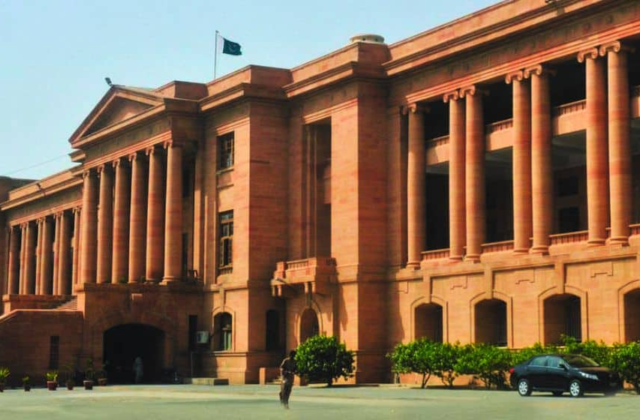
Nation Mourns the Passing of Dr Arfa Sayeda Zehra Legacy

Legendary Scholar and Activist Passes at 83

Dr. Arfa Sayeda Zehra, the esteemed educationist, human rights advocate, and Urdu scholar, breathed her last in Lahore at age 83. Her niece confirmed the sad news, revealing the distinguished academic will be buried in the family graveyard at Cavalry Ground, Lahore. The demise of this intellectual giant has created a vacuum in Pakistan’s academic and literary spheres that will be difficult to fill.

A Lifetime Dedicated to Education and Empowerment

Dr. Zehra’s illustrious career spanned decades of service to academia and social causes. She shaped young minds as Principal of Government College for Women in Gulberg and later shared her wisdom as Professor Emeritus at Forman Christian College. Holding a PhD in History from the University of Hawaiʻi, the polyglot scholar mastered seven languages, using her linguistic prowess to bridge cultural divides. Her contributions to Urdu literature and historical scholarship remain unparalleled in Pakistan’s intellectual landscape.

National Leaders Pay Tribute to an Icon

President Asif Ali Zardari led the nation in mourning, describing Dr. Zehra’s passing as an “irreplaceable loss” to Pakistan’s cultural and educational heritage. Beyond her academic achievements, Dr. Zehra will be remembered for her passionate advocacy of women’s rights and tireless efforts to promote Urdu as a vehicle for national identity. Her legacy continues through the countless students she mentored and the progressive values she championed throughout her remarkable life.

Gold and Silver Prices Surge Sharply in Pakistan as Global Rates Climb

KARACHI: Gold and silver prices surged sharply across Pakistan on Monday, following a major rise in international precious metal rates, according to data released by the All Pakistan Sarafa-Gems and Jewellers Association (APSGJA).

The price of 24-karat gold soared by Rs7,400 per tola, settling at Rs429,862, compared to Rs422,462 a day earlier. Similarly, the 10-gram 24-karat gold rate climbed by Rs6,337, reaching Rs368,530, while 10-gram 22-karat gold increased by Rs5,551, closing at Rs337,573.

In the global market, gold prices jumped by $74, touching $4,075 per ounce amid renewed investor interest driven by economic uncertainty and a weakening U.S. dollar. Analysts noted that concerns over potential rate cuts by major central banks and persistent geopolitical tensions have pushed traders toward safe-haven assets like gold.

Silver follows gold’s lead with strong upward momentum
Silver prices also witnessed a notable increase in the domestic market. The 24-karat silver rate rose by Rs115, reaching Rs5,209 per tola, while the 10-gram silver rate advanced by Rs98, hitting Rs4,465.

On the international front, silver gained $1.15, trading at $49.47 per ounce — one of the highest levels recorded this quarter. The surge in silver prices has been attributed to a combination of industrial demand and speculative buying, particularly in anticipation of global supply constraints.

Market experts weigh in
Financial analysts in Karachi said that the recent upswing reflects a combination of international price volatility, rupee depreciation, and rising inflationary pressures within Pakistan.

“The consistent rise in global bullion prices, coupled with the weakening local currency, has pushed domestic gold rates to new highs,” said Ahmed Naseer, a senior trader at the Karachi Bullion Market. “Demand for gold jewelry may slow in the short term, but investors are increasingly viewing gold as a stable asset amid market uncertainty.”

Meanwhile, jewellers across Lahore, Karachi, and Islamabad reported moderate consumer activity, noting that higher prices could discourage wedding season purchases in the coming weeks.

Investment outlook
Experts believe that if global economic uncertainty persists and the rupee continues to face pressure, gold could cross Rs435,000 per tola in the near term. Silver, too, may remain in an upward trajectory as industrial consumption continues to rise.

The APSGJA reiterated that the quoted rates are based on 24-karat purity at the 999 standard and are aligned with international bullion prices adjusted for exchange rate fluctuations and local market demand.


Dada Partners deliver landmark restructuring for Amreli Steels

Dada Partners (Private) Limited acted as the exclusive financial advisor to Amreli Steels Limited, in what was one of the largest and most complicated financial restructurings in recent history.

The Master Restructuring Agreement (“MRA”) of Amreli Steels Limited was successfully executed on 14 October 2025. The MRA covers PKR 22.6 billion of debt, and has received an unprecedented participation from 21 of the Company’s 23 lenders, constituting over 90% of the total exposure.

The restructuring involved a total facility amount of PKR 27.9 billion extended by 23 lenders. These included 12 conventional banks (including three government institutions), six Islamic banks, five DFIs and one syndication with seven lenders. A total of ten long term lenders and 19 short term lenders were involved, with their individual collateral and security structures.

As one of Pakistan’s leading steel manufacturers, Amreli Steels backed by renewed lender confidence, and a stable economy is well positioned to achieve sustainable growth.

Shazad Dada, Founder and Managing Director of Dada Partners, commenting on the transaction said, “We take pride in our key advisory role and remain committed to guiding clients through complex financial transformations. Given the complexity, we are pleased that a balanced outcome was achieved for all stakeholders. This reinforces the strength of strategic partnerships and underscores our dedication to delivering innovative financial solutions.

We thank the Board and senior management of Amreli Steels, financial institutions, and legal counsels (Mohsin Tayebaly & Co. and Ali Khan Law Associates) for their invaluable collaboration. A special appreciation to the State Bank of Pakistan for its support in this pivotal restructuring.”

The Dark Side of AI in Pakistan: Deepfakes, Scams, and Digital Crime

AI is powering innovation across Pakistan — from digital marketing to customer service.
But behind the progress lies a growing threat: AI-fueled crime.

Deepfake videos, cloned voices, and AI-generated scams are becoming alarmingly common.
In 2025, Pakistan’s digital landscape faces an urgent question — how do we innovate safely without falling prey to AI manipulation?

Common AI Crimes in Pakistan

1. Deepfake Videos

AI can now create ultra-realistic videos of public figures saying or doing things they never did.
These deepfakes have already been used in political misinformation, defamation, and even blackmail.

In a hyper-polarized media environment, a single fake clip can go viral before it’s verified — damaging reputations and spreading chaos.

2. Voice Cloning Scams

AI tools can replicate a person’s voice from a short audio clip.
Scammers use this to call relatives or employees pretending to be someone they know — often asking for urgent money transfers or sensitive information.

With the popularity of WhatsApp voice notes, this scam is especially dangerous in Pakistan’s trust-based communities.

3. Fraudulent AI-Generated Ads

AI-generated fake business ads and investment pages are spreading rapidly.
They use deepfake celebrity endorsements and AI-written testimonials to convince users to invest in scams, crypto schemes, or fake e-commerce offers.

4. Cyber Attacks with AI Tools

Hackers now use AI to:

  • Crack passwords faster
  • Generate phishing emails that look more authentic
  • Automatically target victims based on their online data

This makes cybercrime faster, cheaper, and harder to trace.

Why Pakistan Is Especially Vulnerable

1. Low Digital Literacy

Many internet users, especially in rural areas, struggle to differentiate between real and fake digital content.
A convincing AI video or audio can easily deceive even educated audiences.

2. Weak Cybercrime Enforcement

Pakistan’s Prevention of Electronic Crimes Act (PECA), enacted in 2016, wasn’t built for generative AI.
There are no clear laws defining AI-generated misinformation or deepfake crimes.

3. High Trust in Social Media

WhatsApp forwards, Facebook posts, and TikTok videos spread fast — often without verification.
This creates fertile ground for AI misinformation to go viral before fact-checkers can respond.

How to Fight Back

1. Public Awareness Campaigns

The first defense is education.
Government agencies, media outlets, and NGOs should run nationwide awareness campaigns on how to spot AI-generated fakes — especially in Urdu and regional languages.

2. Update Cybercrime Laws

Pakistan needs AI-specific legislation that defines and penalizes:

  • Deepfake production and distribution
  • AI impersonation and voice cloning scams
  • Misuse of generative tools for fraud or manipulation

3. Invest in AI Fact-Checking Tools

Develop or promote AI-powered detection systems that identify fake videos, altered audio, and synthetic news — with local language support.

4. Media Literacy in Schools

Teach students to question digital content, verify sources, and understand how algorithms work.
Digital resilience starts with education, not regulation alone.

The Road Ahead

AI is transforming Pakistan’s digital economy — but it’s also transforming crime.
Every new technology introduces new risks, and AI’s power to imitate reality makes those risks especially dangerous.Still, the solution isn’t to fear AI — it’s to understand and regulate it.


The dark side of AI is already here, but it doesn’t have to define Pakistan’s digital future.
By combining education, regulation, and technology, the country can protect its citizens while still reaping the benefits of innovation.

Because in the age of AI, the greatest security isn’t just better firewalls —
it’s a smarter, more aware public.