World Bank considers $50 million project to support citizens in Khyber Pakhtunkhwa province

World Bank considers $50 million project to support citizens in Khyber Pakhtunkhwa province
Image: TWB

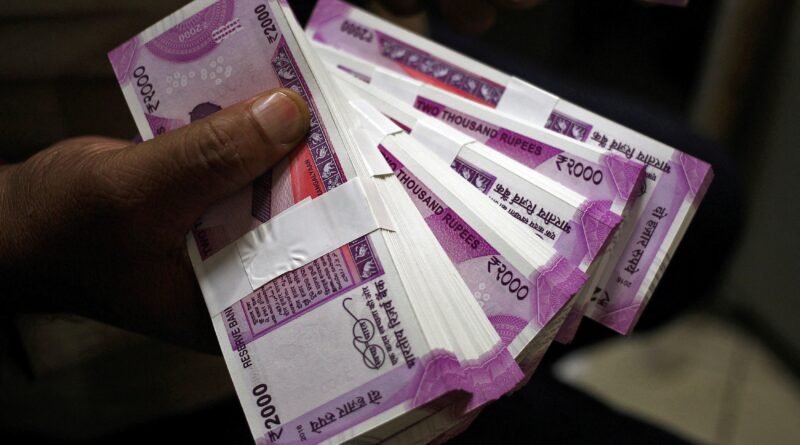
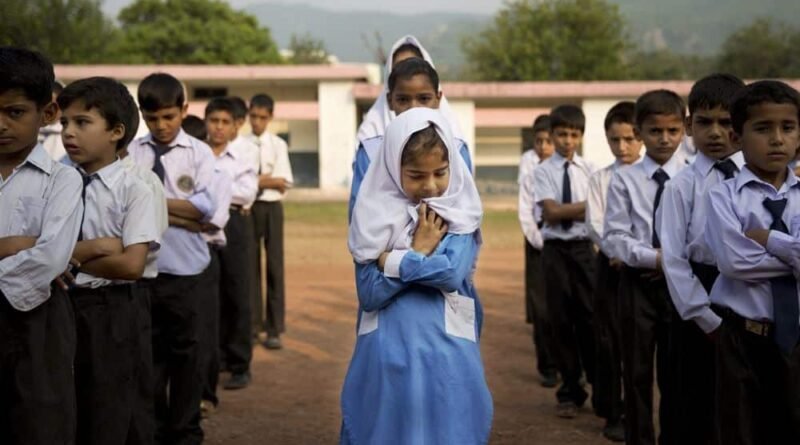
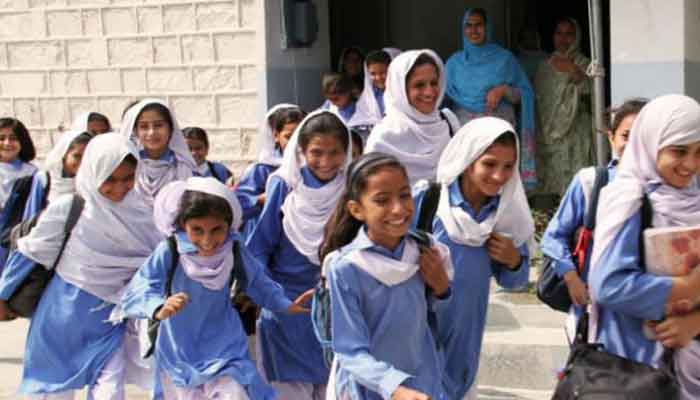
The World Bank has announced its consideration of the “Khyber Pakhtunkhwa (KP)/FATA Citizen Centered Service Delivery Project,” which aims to provide support for families affected by the militancy crisis and promote child health, as well as enhancing citizen-centered service delivery in selected districts of KP province.

According to official documents, the proposed project, worth $50 million, will bridge the financing gap for the continuity of activities under the ongoing FATA Temporarily Displaced Persons Emergency Recovery Project (TDPERP), facilitating a smooth transition of the program to the province of KP. The project will continue to support the existing activities under TDPERP for two years, providing an opportunity for a phased transition of interventions to the government of KP.

TDPERP was launched in FATA agencies in 2015 through federal government funding and has since delivered successful services to citizens. The effective phased transfer of the program requires covering the funding gap for the TDPERP program by the federal government for the transition period. As an additional financing to the ongoing project is not possible, the proposed project is crucial for bridging the gap and ensuring the continuation of the program.

The proposed project will retain the original components from the TDPERP, including the Early Recovery Package for Temporary Displaced Persons, which includes reimbursement of the Early Recovery Grant (ERG) and the provision of the Livelihood Support Grant (LSG). The ERG provides a one-time transfer per family to assist the Temporarily Displaced Persons (TDPs) to settle after returning and offset their transportation costs. The LSG provides monthly income support per TDP family for four months as subsistence support while livelihoods are re-established.

The project also includes promoting child health in selected areas of FATA, strengthening program management and oversight, and replicating the program design and institutional setup under the new project with revised results to cover the extended period of support.

Rising Tea Imports: Pakistan Spends Rs. 90 Billion in First Eight Months of FY23

Image: pexels

Pakistan’s tea imports have risen significantly during the first eight months (July-February) of the current fiscal year (FY23). According to data released by the Pakistan Bureau of Statistics (PBS), the imports during this period amounted to Rs. 90 billion, which is a 24.58 percent increase compared to the same period in the previous fiscal year (FY21), when imports were reported at Rs. 72.5 billion.

However, in February of this year, tea imports in rupee terms stood at Rs. 8.71 billion, which is a 28 percent decline compared to the same month in FY21, when imports were reported at Rs. 12.15 billion.

In terms of dollar value, the tea imports during July-February FY22 amounted to $396.5 million, which is a decrease of 6.45 percent compared to the same period in FY21 when imports were reported at $423.9 million. Meanwhile, in February of this year, the imports in dollar terms were recorded at $32.67 million, which is a decrease of over 50 percent compared to imports of $69.2 million reported in the same month of FY21.

During January of 2023, the tea imports in rupee terms amounted to Rs. 10.541 billion, which brought the total imports for the first two months of the current calendar year to Rs. 19.25 billion. This translates to Pakistan importing tea worth Rs. 326 million each day during the first two months of the year.

It is worth noting that Pakistan is one of the largest tea importers in the world, as per data from Statista, which shows that Pakistan was the leading tea importing country in the world, with imports valued at approximately $598 million.

In conclusion, while Pakistan’s tea imports have increased significantly during the first eight months of the current fiscal year, there has been a decline in imports in February 2023 in both rupee and dollar terms. Nonetheless, Pakistan remains one of the biggest importers of tea globally.

Tragic Property Dispute Results in the Slaughter of Seven Family Members in Pakpattan

Tragic Property Dispute Results in the Slaughter of Seven Family Members in Pakpattan
Image: ipleaders

In a devastating incident, a property dispute led a man and his associates to enter his brother’s house in Pakpattan, resulting in the brutal killing of seven family members during Sehri. The victims included the mother, brothers, sister-in-law, and their children.

The assailants fled the scene of the crime, leaving a seven-year-old girl severely injured. Despite Rescue 1122’s repeated calls, the service failed to respond, and the girl had to be taken to the hospital in a police van.

The incident has prompted a police investigation, and the Inspector General of Punjab has ordered a report submission from RPO Sahiwal and directed DPO Pakpattan to form a special team for the swift arrest of the accused. This tragic incident highlights the need for effective measures to prevent such violent crimes and ensure the safety and security of citizens.

Also, see:

Lahore Qalandars are the Winner of PSL 2023: PSL 8

Seven Pakistani Universities Make It to 2023 QS World University Rankings by Subject

Seven Pakistani Universities Make It to 2023 QS World University Rankings by Subject
Image: AKU

Seven Pakistani universities have made it to the 2023 QS World University Rankings by Subject, which is an encouraging development for the country’s higher education sector. The rankings, released by QS, highlight the top universities across the globe in different subject areas. The rankings are divided into five broad subject areas, namely Arts and Humanities, Engineering and Technology, Life Sciences and Medicine, Natural Sciences, and Social Sciences and Management.

In the area of Social Sciences and Management, Lahore University of Management Sciences (LUMS) tops the chart among Pakistani universities. Quaid-i-Azam University leads the ranking for Natural Sciences, while Aga Khan University is the only Pakistani higher education institution that has been ranked in the subject area of Life Sciences and Medicine. National University of Sciences and Technology (NUST) is the top Pakistani Engineering and Technology higher education institution. However, no Pakistani university has been ranked in the subject category of Arts and Humanities.

Let’s take a closer look at the detailed rankings of Pakistani universities across the remaining subject areas. In the Social Sciences and Management category, LUMS ranked at 322, while NUST ranked between 451-500. In the Natural Sciences category, Quaid-i-Azam University and COMSATS University ranked at =346 and 451-500, respectively, while NUST ranked between 451-500. In the Life Sciences and Medicine category, Aga Khan University ranked at =391. In the Engineering and Technology category, NUST ranked at =160, followed by COMSATS University Islamabad at =267, UET Lahore at =279, Quaid-i-Azam University at =348, LUMS at 401-450, and Punjab University at 501-530.

QS uses five components to rank institutions in the World University Subject Rankings, namely Academic reputation, Employer reputation, Research citations per paper, H-index, and International Research Network. The first two indicators are international surveys of academics and employers, which are used to assess the international reputation of institutions in each subject. The second two indicators evaluate the research impact and h-index for the relevant subject, obtained from Scopus, the world’s most comprehensive research citation database. The last indicator highlights the international research collaboration of an institution.

The ranking of Pakistani universities in different subject areas reflects their research output, academic reputation, and international recognition. It is a positive development for the country’s higher education sector, as it highlights the growing quality of research and education in Pakistan. However, there is still a long way to go, and the universities need to focus on improving their research capabilities, strengthening their international collaborations, and enhancing their academic reputation to make a significant impact on the global stage.

Fasting Hours Across the Globe This Ramzan

PC: Time Out Dubai

Durijg Ramzan, the fasting hours vary from region to region. While in some areas, people fast for a longer time, others break their fasts a few hours earlier than them.

The primary reason behind this variation is the position of the sun which determines the duration of day and night in a particular country.

It is seen that the countries closer to equator have shorter fasting hours compared to those located farther. Moreover, there are some countries where the sunsets never happen therefore, Islamic scholars suggest following the fasting schedule as in Makkah, Saudi Arabia as it is the place where Ka’aba is located.

This Ramzan, the average fasting hours are 14-15 hours. Let’s have a look at the fasting hours in different countries now.

Nuuk, Greenland: 18 hours

Reykjavik, Iceland: 18 hours

Helsinki, Finland: 17 hours

Glasgow, Scotland: 17 hours

Ottawa, Canada: 17 hours

London, United Kingdom: 16-17 hours

Paris, France: 16-17 hours

Zurich, Switzerland: 15 hours

Rome, Italy: 15 hours

New Zealand : 12 hours

Chile: 12 hours

Buenos Aires, Argentina: 12 hours

Jakarta, Indonesia: 13 hours

Nairobi, Kenya: 13 hours

Karachi, Pakistan: 13-14 hours

New Delhi, India: 13-14 hours

Hajj Pilgrimage Costs Surge as Pakistan Raises Package Prices

Hajj Pilgrimage Costs Surge as Pakistan Raises Package Prices
Pakistani pilgrims walk in line as they prepare to board a Pakistan International Airlines’ special Haj pilgrimage flight bound for Saudi Arabia at the Allama Iqbal International airport in Lahore on November 2, 2008. Around 165,000 pilgrims from Pakistan are expected to leave for the annual Haj congregation in Mecca. AFP PHOTO/Arif ALI (Photo by Arif Ali / AFP)

The cost of the annual Hajj pilgrimage has surged dramatically this year, as the Religious Affairs Minister in Pakistan announced a significant increase in package prices. The official Hajj cost for Pakistani pilgrims now exceeds Rs. 1.175 million, a substantial rise from last year’s expense of Rs. 826,000.

The rise in expenditure can be attributed to various factors, including global inflation, increased food prices, and inflated lodging rates. Additionally, pilgrims are required to pay for animal sacrifices separately, which has increased from Rs. 300,000 to Rs. 356,000 this year.

Furthermore, the visa cost has increased from Rs. 16,000 to Rs. 22,275, while the airfare has climbed from Rs. 70,000 to Rs. 250,000. Food and drink prices for pilgrims have also more than quadrupled, with the cost for 38 days exceeding Rs. 100,000, up from Rs. 53,440 last year. Rents in Makkah have climbed by around Rs. 82,000, while rentals in Madinah have increased by approximately Rs. 41,000. Transportation costs have also risen from Rs. 61,000 to Rs. 112,000.

The Hajj package also includes other fees, such as Rs. 43,882 for rail travel and Rs. 1,100 for Zam Zam water charges, which was previously Rs. 721. A further Rs. 12,000 is being charged for medications, vaccinations, and other vital supplies.

The cost of the Hajj pilgrimage has risen significantly this year, making it more difficult for Pakistani Muslims to undertake the journey. The increase in package prices, along with rising costs for food, lodging, transportation, and other expenses, have made the pilgrimage less accessible for many who wish to perform this sacred obligation.

SBP Directs Banks to Keep Branches Open on Weekend for Hajj 2023 Applications

The State Bank of Pakistan (SBP) has directed 14 authorized banks to keep their designated branches open on March 25 and 26, 2023, from 9:00 a.m. to 2:00 p.m. to facilitate the deposit of Hajj 2023 application forms and dues. This move comes as part of the Hajj Policy 2023, which authorized the collection of application forms and dues by 14 banks across the country from March 16 to March 31, 2023.

The designated banks include National Bank of Pakistan, Habib Bank, United Bank, MCB Bank, Allied Bank, Bank of Punjab, Bank Alfalah, Zarai Taraqiati Bank, Faysal Bank, Askari Bank, Bank Al-Habib, Habib Metropolitan Bank, Soneri Bank, and Meezan Bank. This measure is expected to make the process of submitting applications and dues for intending pilgrims more convenient and accessible.

Asia Cup 2023 to be Played in Pakistan, Apart from India’s Matches

PC: AFP/File

The Asian Cricket Council (ACC) meeting has been concluded on the remarks that the upcoming Asia Cup 2023 would be played in Pakistan. However, Team India has still refused to come to the host country.

During the meeting in Dubai, all other countries showed their willingness to come to Pakistan except for India. So, it was decided that all the Asia Cup 2023 will be played in Pakistan and for Indian matches a neutral ground will be selected. This neutral country could be UAE, Sri Lanka or Oman. Even England is an option in case the other three options do not work out.

Energy Ministry Says No Load Shedding During Sehri, Iftari and Taraweeh Hours

PC: TrendsPak

The Ministry of Energy has announced that there will be no load shedding during the sehri, iftari and taraweeh hours.

The ministry has also ensured provision of electricity throughout the holy month of Ramadan, which is about to start in a day or two.

Reportedly, the department has already prepared a comprehensive strategy to ensure smooth operations. A spokesperson told the media that there will be no load shedding during two hours of Sehri, one hour during Iftar and two hours during Tarawih.

UN Report Warns of Imminent Global Water Scarcity Crisis Due to Climate Change

UN Report Warns of Imminent Global Water Scarcity Crisis Due to Climate Change

The United Nations has recently released the World Water Development Report 2023, which provides a troubling outlook on the increasing global water scarcity due to climate change. The report highlights that seasonal scarcity will continue to rise, creating an imminent international crisis.

The report also notes that approximately 26% of the world’s population does not have access to safe drinking water, while around 46% lack access to adequately managed sanitation services. The UN Conference on global water scarcity, the first in almost fifty years, began on Wednesday, following the release of the report.

The report outlines that the global consumption of water has risen by approximately 1% annually over the past four decades and is expected to continue increasing at a similar rate until 2050. Population growth, socio-economic development, and changing consumption patterns are driving the rising demand for water.

The report emphasizes the significant discrepancy in the availability of water and its usage across various regions worldwide. It highlights the need to bridge the gap to ensure that all people have access to clean water by 2030. The estimated cost of meeting these goals is projected to be between $600 billion and $1 trillion per year.

Currently, about 10% of the world’s population resides in countries where water stress is considered high or critical. Additionally, the agricultural sector accounts for over 70% of water consumption. However, due to the increasing urban population, water allocation from agriculture to urban areas has become a common strategy to meet freshwater needs.

Finally, the report warns that climate change will exacerbate seasonal water scarcity in areas where it is currently abundant, such as Central Africa, East Asia, and parts of South America. Conversely, regions where water is already in short supply, such as the Middle East and the Sahara in Africa, will face even worse water scarcity due to climate change.

In case you’ve missed Ramadan gas schedule, click here

In case you've missed Ramadan gas schedule, click here
A picture taken on December 7, 2012 in Bordeaux shows the flame of a gas stove. AFP PHOTO PIERRE ANDRIEU (Photo by PIERRE ANDRIEU / AFP)

To facilitate its consumers during the holy month of Ramadan, Sui Southern Gas Company (SSGC) has announced the provision of gas during Iftar and Sehr. However, due to a shortfall of 250 million mmbtu, the company has informed its customers that gas pressure would be low from 8 AM till 2:30 PM, leading to the suspension of gas supply to various regions. This has resulted in concerns and complaints from disgruntled consumers who are finding it impossible to prepare meals for the elderly, children, and patients who are unable to fast.

In contrast, Sui Northern Gas Pipelines Limited (SNGPL) has announced special initiatives to ensure uninterrupted gas supply to its consumers throughout Ramadan. The company has pledged to undertake immediate measures to ensure gas supply with full pressure, especially between 2:30 AM to 6 AM and 4 PM to 9 PM for domestic consumers. However, citizens are complaining about gas load-shedding in different regions.

The SNGPL spokesperson has assured consumers that the company will ensure natural gas supply other than the mentioned timings so that their routine activities can continue without disruption. The company has taken this step to ease the burden on its consumers during the holy month of Ramadan.

https://twitter.com/SNGPLofficial/status/1638489603102457857?s=20

Haleon Pakistan and Smile Train partner to provide Comprehensive Care to Children Born with Clefts

Haleon Pakistan and Smile Train partner

21 March 2023: Haleon Pakistan Limited (formerly GlaxoSmithKline Consumer Healthcare Pakistan Limited) has announced a partnership with the leading global cleft charity, Smile Train,   raising funds through its leading Oral Care brands, Sensodyne and Parodontax. 

Annually, 1 in every 600 children in Pakistan is born with cleft lips and palates. In most cases, these children face difficulty in eating, speaking, and breathing and are subjected to social stigma. The partnership between Haleon Pakistan and Smile Train will help children born with cleft lips/palates to lead full and productive lives, achieving their own potential and contributing to their community.

Smile Train provides training and education to local medical professionals and supports 100%-free cleft surgery and comprehensive cleft care to children all over the world including orthodontics, speech therapy, and psychosocial support. 

The partnership between Haleon Pakistan and Smile Train was announced at a press event in Karachi. Panelists at the event included Farhan Haroon, CEO and General Manager of Haleon Pakistan, Professor Dr. Mirza Shehab Afzal Beg, MBBS, FRCS (Ire), FRCS Plastic Surgery UK and Ire), Ms. Amina Mujib Khan, Integrative Nutrition Health Coach & Weightloss Consultant, and Ms. Hima Raza, a makeup artist whose child was born with a cleft lip.

“As leaders in specialist oral health, we are committed to make a positive impact on the lives of children in need of free and safe access to quality cleft care. Together with Smile Train, we aim to help transform more children’s lives, one smile at a time,” said Farhan Haroon, Haleon Pakistan

The partnership, powered through Oral Care brands, Sensodyne and Parodontax, will identify and support eligible patients. A portion of sales proceeds on every pack of Sensodyne and Parodontax sold in selected retail outlets, during the period 15th March 2023 to 5th May 2023, will be donated to Smile Train Foundation on behalf of Haleon Pakistan.

9 People Lost Their Lives As Earthquake Jolts Pakistan

PC: FILE

Reportedly nine people have lost their lives while several others are injured after an earthquake of magnitude 6.8 hit different parts of Pakistan on Tuesday night. The quake lasted for at least 30 seconds and was felt in Islamabad, Bannu, Rawalpindi, Loralai, Lahore, Peshawar, Abbottabad, Chichawatni, Jaranwala, Mailsi, Lakki Marwat, Minchinabad, Kohlu, Jahanian, Pakpattan, Shorkot, Dijkot, Shakargarh, Lodhran, Layyah and others.

The earthquake was so strong that it was also felt in other countries including India, Afghanistan, India, China, Kyrgyzstan, Kazakhstan Tajikistan and Uzbekistan.

The people in Pakistan left their homes while reciting duas when the tremors started. According to reports, 11 people have died so far, 2 in Afghanistan and 9 in Pakistan.

The Met Department reported that the exact time of the quake was 9:47 and it’s epicentre was Hindukush region of Afghanistan.

PCB Evaluating Alternative Venues for Asia Cup 2023

PC: ICC

The Pakistan Cricket Board (PCB) has been under pressure pressure regarding the future of Asia Cup 2023 after the Indian Team has refused to play matches in Pakistan.

The Asia Cup 2023 is scheduled in September, however, considering the current situation in Pakistan, Indian Team has refused to participate if the venue remains same, which may cause loss of billions of rupees to PCB.

In order to find a feasible solution, Najam sethi, Chairman PCB is talking to officials from Bangladesh, India, UAE and Sri Lanka because if any of these teams excuse from participating in the event, the revenue generated via broadcast media will be equal to none. Therefore, the organisers are trying their best to find an alternative venue instead of cancelling it altogether.

will mobile prices drop in Pakistan in 2023

In recent months, Pakistan’s mobile phone market has expanded significantly as smartphones become more widely available and affordable. Yet, many people are unsure if mobile phone rates in Pakistan will decrease in 2023 following the COVID-19 outbreak and its effects on the world economy. In this post, we’ll look at Pakistan’s mobile phone market as it stands right now and attempt to forecast if prices are going to fall in the years to come.

Pakistan’s Current Mobile Phone Market Situation

In Pakistan, the market for mobile phones is booming, and more people are looking for smartphones that are both inexpensive and of great quality. The Pakistan Telecommunication Authority (PTA) said that there are now over 183 million mobile phone users in Pakistan, with an 87% penetration rate.

Chinese phone manufacturers like Huawei, Oppo, and Vivo, which sell reasonably priced smartphones with cutting-edge features, dominate the Pakistani mobile phone industry. But, Samsung and Apple also have a sizable following in Pakistan thanks to the premium market that their high-end smartphones serve.

Factors Affecting Pakistan’s Mobile Phone Prices

The cost of mobile phones in Pakistan is influenced by a number of factors. The exchange rate between the US dollar and the Pakistani rupee is one of the most important variables. The majority of mobile phones are imported, thus any changes in the currency rate might directly affect how much they cost in Pakistan.

The pricing of mobile phones can also be impacted by changes in governmental regulations, such as those affecting tariffs, taxes, and duties. For instance, the Pakistani government announced in June 2021 that taxes and levies on imported mobile phones would be reduced, which was anticipated to result in lower prices for consumers.

Will Pakistani mobile phone prices decrease in 2023?

Whether mobile phone prices in Pakistan will decrease in 2023 is difficult to forecast. Nonetheless, a number of variables point to a potential price decline in the upcoming years.

First off, the Pakistani government has been making efforts to encourage the development of the nation’s mobile phone business. This entails lowering taxes and levies on imported cell phones and promoting homegrown smartphone production. Increased market competitiveness as a result of these policies may result in cheaper pricing for customers.

A second possibility is that the exchange rate between the Pakistani rupee and the US dollar will stabilize as the Pakistani economy continues to recover from the COVID-19 outbreak. An exchange rate that is more consistent

Conclusion

There are a number of reasons that indicate prices may decline in the upcoming years, even if it is difficult to predict whether mobile phone prices will decrease in Pakistan in 2023. Future consumers in Pakistan might be able to take advantage of more reasonably priced and high-quality smartphones thanks to government initiatives to support the development of the mobile phone industry, a stabilised currency rate, and technological developments.

Can you lose weight during Ramadan fasting?

Muslims around the world observe fasting from sunrise to dusk during Ramadan, which is the ninth month of the Islamic calendar. One of the Five Pillars of Islam, and a fundamental aspect of the Islamic faith, is fasting during Ramadan. Muslims refrain from consuming any food, liquids, or other necessities during the day and break their fast with an iftar meal.

While Ramadan fasting is largely practised for religious reasons, many individuals are curious as to whether it can aid in weight loss. In this post, we’ll examine the pros and cons of Ramadan fasting as well as if it can help you lose weight.

What is fasting in Ramadan?

Muslims refrain from eating, drinking, smoking, and engaging in sexual behaviour from dawn to dusk throughout Ramadan. Abstaining from actions or thoughts that can be construed as sinful is also included in the practise of fasting, which is not just restricted to food and drink.

Suhoor, the meal eaten before dawn, and iftar, the meal eaten to break the fast after dusk, are both known in Islam. To break their fast, folks typically eat a few dates and drink some water or milk before eating a substantial meal. During Ramadan, it’s typical for friends and family to get together and eat together.

Can you lose weight during Ramadan’s fast?

Some people may lose weight after the Ramadan fast. Body weight can fall as a result of calorie restriction and reduced food intake. Yet, depending on a number of variables, weight reduction rates can differ from person to person.

Moreover, changing one’s dietary habits while fasting throughout Ramadan is possible. It’s possible that people will choose their food more carefully, eat less, and stop snacking in between meals. Weight loss may also be aided by these modifications to eating behaviours.

It is important to remember, though, that losing weight while fasting during Ramadan might not be long-term maintainable. Some can resume their usual eating patterns when Ramadan is ended, which could result in weight increase.

Perks of fasting during Ramadan

Ramadan fasting has a number of potential advantages besides weight loss. On average health and wellbeing, Ramadan fasting is thought to be beneficial. Ramadan fasting may have several advantages, such as:

Fasting throughout Ramadan can increase insulin sensitivity, which is advantageous for those who have diabetes.

Fasting has been demonstrated to lower inflammation in the body, which has been connected to a number of chronic conditions.

Better blood lipid levels and decreased risk of heart disease have been related to Ramadan fasting.

Benefits on the spiritual plane: Ramadan fasting is a crucial component of the Islamic faith and is thought to improve self-control, empathy, and compassion.

Conclusion

Some people may experience weight loss during Ramadan, mostly as a result of a calorie deficit and dietary modifications. Yet, weight loss when fasting during Ramadan might not be long-lasting in

Babar Azam to Receive Pakistan’s Prestigious Civil Award

PC: Daily Times

This Pakistan Day, Babar Azam will become the youngest cricketer to receive Sitara-e-Imtiaz. This prestigious civil award will be conferred on Azam in the wake of his outstanding achievements in the world if cricket.

PC: Pakistan Times

The 28-year-old Babar Azam is the captain of Pakistan cricket team and is a top performing batter as well.

The government of Pakistan earlier announced that Azam will receive this award and now it is confirmed that he will be honoured with Sitara-e-Imtiaz on 23rd March, 2023.

Previously, four captains namely Misbah-ul-Haq, Shahid Afridi, Younis Khan and Sarfaraz Ahmed were awarded with Sitara-e-Imtiaz, a third highest civil honour in Pakistan.

Aiman and Minal Treat Their Employees Like Slaves, Never Pay Them on Time, Says Ex-employee

PC: Pinterest

The twin sisters, Aiman Khan and Minal Khan, have been accused by their former employee for not paying on time. Both the sisters are running their brand “Aiman Minal Closet,” where Ali Hamid used to work. He recently took to social media and said, “I’ve now reached the point where I’m writing about my bad experience at Aiman Minal Closet after pleading for my own money for six months. I have been employed by them for over a year now. But they never paid me on time”.

He continued, “They don’t pay their employees despite being this famous, and if you address Maaz (their brother) about payment, he always promises to transfer it the following week, but you never actually receive the salary.” He further added, “They constantly disrespect them and treat them like slaves, but they never pay the wages. They owe me exactly $80,000, and I’m sick of pressurizing them for it. I keep sending them messages, but I never hear back.”

MET Office Predicts Heavy Rains in Karachi Suburbs

PC: ARY News

The Pakistan Metrological Department (PMD) has predicted rain with thunder in suburbs of Karachi today.

According to the MET department, a new system of rain will enter the southern Balochistan and will become a reason for thundershower in different areas of Balochistan and Sindh. There is also a prediction for rain in Karachi.

The MET office further said that westerly winds will blow in the region and dusty winds are expected in Jamshoro, Sajawal, Thatta, Badin, Sanghar, Tharparkar, Mirpur Khas, Matiari and Hyderabad.

Rain with thunder is expected in different suburbs of Karachi.

Why Digital Camera is so Important and How it Works

A digital camera is an electronic device that captures and saves images in a digital format. Digital cameras employ a sensor to catch light and transform it into digital information, in contrast to classic film cameras, which use chemical processes to make images on light-sensitive film.

In this post, we’ll look more closely at how digital cameras operate, from their fundamental parts to the complex operations that go on in the background.

Electronics in a digital camera

Several essential parts make up a digital camera, including:

The component of the camera that focuses light onto the picture sensor is known as the lens. Zoom lenses, prime lenses, and macro lenses are just a few of the many different kinds of lenses that may be used with digital cameras.

The electronic component that captures light and transforms it into digital data is called an image sensor. A CMOS (Complementary Metal Oxide Semiconductor) or CCD (Charge-Coupled Device) sensor is used by the majority of digital cameras.

The processor, or “brain,” of the camera, processes the digital data that the image sensor has captured. The raw data is transformed into a digital image that may be kept on a memory card.

Digital photos are stored on memory cards, which are used for storage. Memory cards are available in a variety of shapes and sizes, including SD (Secure Digital) and CF (CompactFlash).

How Pictures Are Captured by Digital Cameras

A digital camera’s shutter button causes numerous things to happen very instantly:

The light is focused onto the image sensor by the lens.

Light is captured by the image sensor, which transforms it into digital data.

A digital image is produced by the processor after it has processed the digital data.

On the memory card is where the digital image is kept.

Let’s examine each of these steps in more detail:

Focusing: The lens focuses the light onto the picture sensor. This procedure is comparable to what takes place in an old-fashioned film camera.

Light is captured by the image sensor, which then transforms it into digital data. Millions of small, light-sensitive components called pixels make up the picture sensor. The amount of light that strikes each pixel is recorded, and this data is used to build the digital image.

Processing: The image sensor’s digital data is processed by the processor. The raw data is transformed into a digital image that may be kept on a memory card.

Storage: The memory card holds the digital image. Memory cards only last for a

Conclusion

In conclusion, digital cameras acquire, process, and store digital images using a combination of lenses, image sensors, CPUs, and memory cards. Although taking a picture is a multi-step, complex process, digital cameras have altered the way we shoot and share pictures. With the use of digital cameras, we can quickly and simply capture, share, and save memories for upcoming generations.